Maha Shivaratri 2026 in Nepal: Complete Guide
Maha Shivaratri, the Great Night of Lord Shiva, is one of Hinduism’s most sacred and energetically charged festivals. Dedicated to Lord Shiva—the destroyer of ignorance, supreme ascetic, and cosmic guardian—this night celebrates his Tandava dance that maintains universal balance, his marriage to Goddess Parvati, his heroic consumption of Halahala poison during Samudra Manthan to protect all beings, and his appearance as an infinite pillar of light (Jyotirlinga) to affirm supremacy.
In Nepal, a Hindu-majority nation where Shiva (as Pashupatinath, Lord of all creatures) is deeply revered, Maha Shivaratri is a national public holiday and the biggest spiritual event. Millions of devotees, including sadhus from across the Himalayas and India, gather for fasting, night-long vigils (jaagaran), abhishekam, mantra chanting (“Om Namah Shivaya”), and special rituals. The festival is especially grand at Pashupatinath Temple in Kathmandu, a UNESCO World Heritage Site and one of the holiest Shiva shrines worldwide.
In 2026, Maha Shivaratri falls on Sunday, February 15 (corresponding to Falgun 3, 2082 BS in the Nepali calendar), with the vigil extending into the early hours of Monday, February 16. The Nishita Kaal Puja—the most powerful midnight window—is approximately 11:52 PM to 12:43 AM (Feb 16, NPT Kathmandu time), lasting about 51 minutes. Four Ratri Prahar pujas structure the night: First Prahar (~5:55 PM–9:06 PM Feb 15), Second (~9:06 PM–12:18 AM Feb 16), Third (~12:18 AM–3:29 AM Feb 16), Fourth (~3:29 AM–sunrise ~6:40 AM Feb 16). Parana (breaking the fast) is from ~6:40 AM to 3:07 PM on February 16.
Nepali Hindus celebrate with profound devotion—fasting, staying awake, offering bel leaves and milk to the Shiva Lingam, and seeking blessings for health, prosperity, family harmony, and spiritual liberation.
Deep Significance of Maha Shivaratri
Scriptures like the Shiva Purana describe this night as ideal for transcending tamas (darkness/ignorance) through sattvic practices like fasting, meditation, and jaagaran. It symbolizes:
- Shiva’s eternal role in cosmic cycles.
- The union of Shiva (pure consciousness) and Parvati (divine energy/Shakti).
- Triumph of light and awareness over negativity.
- Opportunities for moksha, protection, and inner awakening.
In Nepal, where Hinduism blends with local traditions (including unique sadhu culture and cannabis use as prasad for Shiva), the festival fosters national unity, intergenerational devotion, and cultural pride.
Maha Shivaratri 2026 Date and Auspicious Timings in Nepal
Timings (NPT, Nepal Time—UTC+5:45; consistent nationwide, slight local panchang variations):
- Chaturdashi Tithi Begins: February 15, afternoon/evening.
- Chaturdashi Tithi Ends: February 16, afternoon.
- Nishita Kaal Puja: ~11:52 PM–12:43 AM (Feb 16, Kathmandu).
- Ratri Prahar Puja Windows (approximate for Kathmandu):
- First Prahar: ~5:55 PM–9:06 PM (Feb 15).
- Second Prahar: ~9:06 PM–12:18 AM (Feb 16).
- Third Prahar: ~12:18 AM–3:29 AM (Feb 16).
- Fourth Prahar: ~3:29 AM–6:40 AM (Feb 16).
- Parana Time: February 16, ~6:40 AM–3:07 PM.
Temples perform abhishekam, Rudrabhishek, and homams aligned with Nishita Kaal for peak spiritual energy.
How Nepali Hindus Celebrate Maha Shivaratri
Celebrations blend ancient rituals with vibrant Nepali elements:
- Vrat/Fasting: Nirjala (no food/water) or phalahar (fruits, milk, nuts, sabudana)—widely observed.
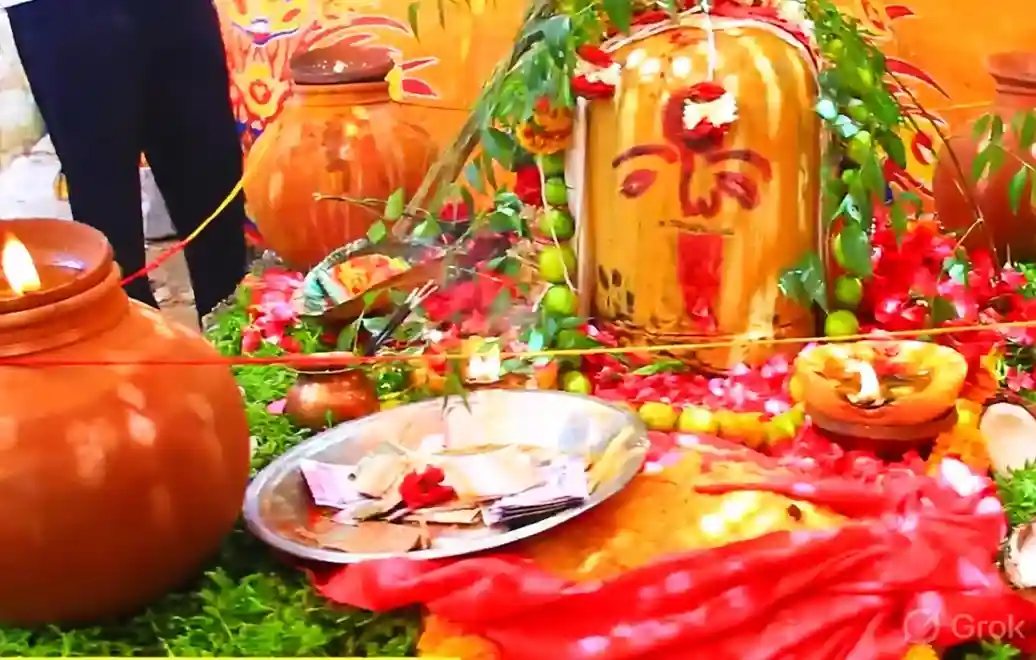
- Abhishekam: Shiva Lingam bathed in milk, honey, curd, bel (bilva) leaves, Gangajal.
- Jaagaran: All-night vigil with bhajans, kirtans, Shiva Sahasranama, Rudram chanting.
- Aarti & Programs: Midnight Maha Aarti, devotional songs, cultural performances.
- Unique Nepali Aspects: Sadhus (holy men) gather, often smoking cannabis (bhang) as traditional offering to Shiva (allowed exceptionally on this day); children block roads playfully for small donations; family gatherings with sattvic meals.
Many join global streams (e.g., Isha Foundation) or local broadcasts.
Major Temple Celebrations in Nepal for Maha Shivaratri 2026
Nepal’s celebrations center on Pashupatinath, with nationwide temple events.
Kathmandu (Epicenter – Pashupatinath Temple)
Pashupatinath Temple (UNESCO site on Bagmati River banks) draws lakhs of devotees, including 4,000+ sadhus from India and abroad. Authorities prepare for 800,000+ visitors with security, queues, and accommodations.
- Pashupatinath Temple: Grand Maha Shivaratri festivities from morning Feb 15 to dawn Feb 16. Highlights: Continuous abhishekam, Rudrabhishek in batches, special pujas during four prahars, midnight Nishita Kaal rituals, bhajans, and aarti. Sadhus in meditative states, bhang distribution (traditional), and massive crowds for darshan. Temple opens early (e.g., 2:15 AM in past years); extended hours. Address: Gaushala, Kathmandu. Expect illuminations, flowers, and chants echoing through the night.
- Other Kathmandu Temples: Changunarayan (ancient Vishnu-Shiva site), Gokarna Mahadev Temple, local Shiva shrines—host vigils and community programs.
Other Key Locations
- Pokhara & Western Nepal: Local Shiva temples with regional pujas and family jaagaran.
- Janakpur (Mithila region): Janaki Mandir area events blending Shiva devotion.
- Lumbini & Terai: Community gatherings at Shiva shrines.
- Nationwide: Smaller mandirs in Chitwan, Biratnagar, Butwal—satsangs, bhajans.
Pashupatinath remains the focal point—sadhus arrive days early, staying in the area.
Celebrating Maha Shivaratri at Home in Nepal
For personal or family observance:
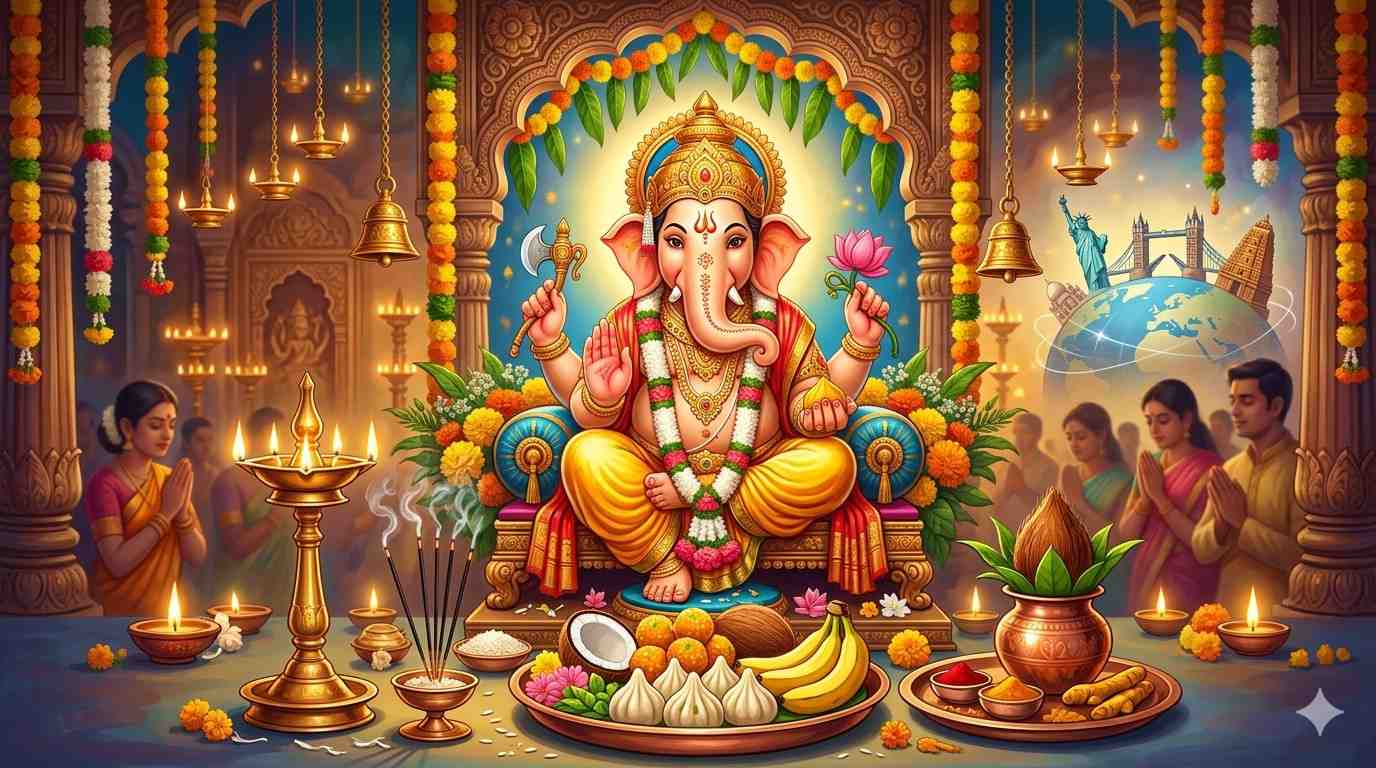
- Altar Setup: Shiva Lingam/photo, diya, incense, bel leaves (abundant locally), milk/honey.
- Rituals: Bath, vrat sankalp, evening abhishekam.
- Nishita Kaal: Intense japa/meditation around midnight.
- Jaagaran: Bhajans, Shiva stories, family prayers.
- Break Fast: Sattvic meal post-parana.
Nepali adaptations: Use local dairy for abhishekam; include regional songs.
Cultural & Spiritual Impact on Nepali Hindus
As a national holiday, Maha Shivaratri unites Nepal’s diverse Hindu population—strengthening faith, involving youth in cultural programs, and promoting harmony. Sadhu culture, bhang traditions (symbolizing Shiva’s detachment), and Pashupatinath’s global draw make it unique. It reminds devotees of Shiva’s protective grace amid life’s challenges.
Har Har Mahadev! May Lord Shiva (Pashupatinath) bless all Nepali devotees with peace, strength, and enlightenment.
For latest 2026 updates, check Pashupatinath Temple announcements or local news. Share your Shivaratri experiences—what’s your favorite ritual in Nepal?
Om Namah Shivaya—Har Har Mahadev!
Latest NRI News & Global Updates:
Health, Wellness & Lifestyle for NRIs
https://nriglobe.com/health-wellness/
Latest NRI News & Global Updates
https://nriglobe.com/news/
Business & Finance News for NRIs
https://nriglobe.com/business/
Investment Guides for NRIs
https://nriglobe.com/investment/
Jobs & Career Opportunities for NRIs
https://nriglobe.com/jobs/