
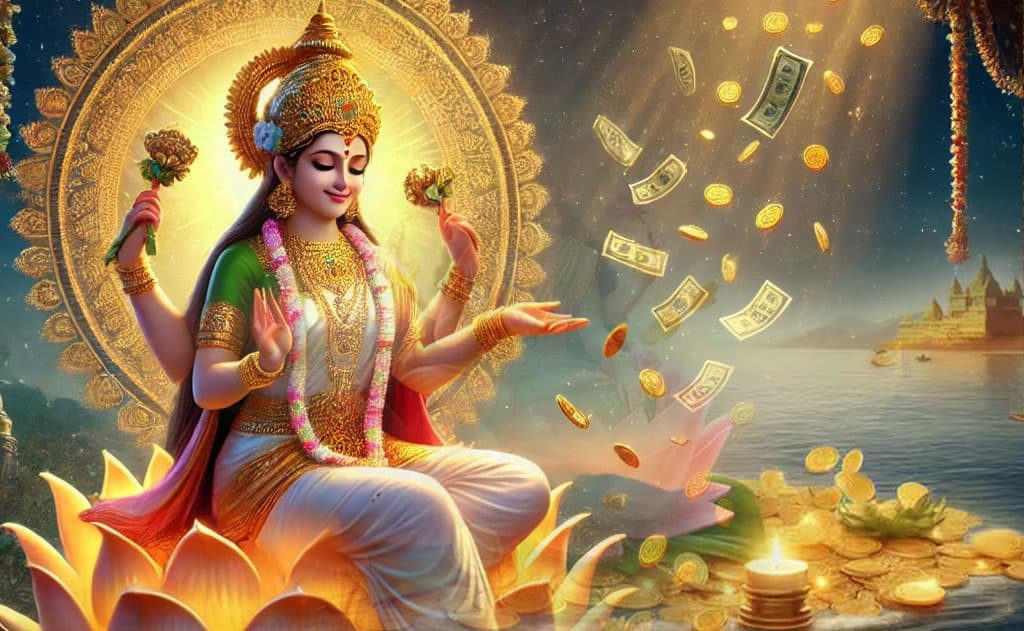
Devshayani Ekadashi 2026 falls on Wednesday, July 15 — the eleventh day of the bright fortnight of Ashadha. It is the day Lord Vishnu enters yoga-nidra (cosmic sleep) on Sheshnaag in the Kshira-sagara, beginning the four sacred months known as Chaturmas. For NRIs across the world, this is a powerful pause-and-recommit day at the midpoint of the calendar year.
Devshayani Ekadashi 2026 — Key Details
- Date: Wednesday, July 15, 2026
- Tithi: Ashadha Shukla Ekadashi
- Ekadashi begins: Tuesday, July 14, 2026 (evening, IST)
- Ekadashi ends: Wednesday, July 15, 2026 (evening, IST)
- Parana (breaking the fast): Thursday, July 16, 2026 (morning)
- Cosmic Event: Lord Vishnu enters yoga-nidra; Chaturmas begins
- Karka Sankranti: Falls the next day — Dakshinayana begins
The Story Behind Devshayani Ekadashi
The Bhavishya Purana recounts the story of King Mandhata. To save his kingdom from a three-year drought, he was instructed by Sage Angiras to observe the Devshayani Ekadashi vrat with his subjects. The kingdom did so — and rains returned. The ekadashi has since been observed as a marker of cosmic rest, surrender, and spiritual recommitment.
According to tradition, Lord Vishnu had granted King Bali a boon: He would spend half the year in Bali's nether-world realm and the other half in His own abode. The four monsoon months — Chaturmas — are when He rests in cosmic sleep on Sheshnaag, leaving Lord Shiva to govern the universe. Hence Sawan (the Shiva-favoured month of Shravan) immediately follows.
Why Chaturmas Matters for NRI Families
Living abroad, the seasonal anchors of Indian spiritual life can fade. Chaturmas offers a clear, four-month bracket — July to November — to set a sankalpa (resolve) and follow it through. It coincides with the second half of the year, when life often gets busy with school terms restarting, year-end push at work, and the holiday rush. A vrata that begins on Devshayani Ekadashi keeps you anchored through it all.
Ekadashi Vrat Vidhi — Day-Of Practice
- Wake before sunrise. Bathe and wear clean (preferably yellow) clothes.
- Sankalpa: declare the vrat aloud, including the intention to honour Lord Vishnu and the start of Chaturmas.
- Puja: abhishek Vishnu/Krishna idol with panchamrit (milk, curd, ghee, honey, sugar); offer tulsi leaves, yellow flowers, sandalwood paste.
- Recite: Vishnu Sahasranama; one chapter (especially Chapter 12 — Bhakti Yoga) of the Bhagavad Gita; or the Madhurashtakam.
- Fast: traditionally complete (nirjala) for sturdy practitioners, otherwise phalahar — fruit, milk, kuttu/sabudana preparations; no grains, no lentils.
- Night Vigil: jagran with bhajan and kirtan; chant Om Namo Bhagavate Vasudevaya.
- Parana: on July 16 morning, break the fast with simple prasad after offering it to Vishnu.
Chaturmas Rules for NRIs (Practical Version)
Classical chaturmas rules can feel hard to follow in a working/studying NRI life. A practical, sincere observance is more valuable than a perfect, abandoned one. Choose what fits:
Things to AVOID for the next 4 months (until Tulsi Vivah / Devuthani Ekadashi)
- Weddings, sacred-thread ceremonies, griha-pravesh are traditionally not performed
- Heavy non-vegetarian food (many families turn vegetarian)
- Onion, garlic, brinjal (for stricter observance)
- Curd in Shravan, milk in Bhadrapada, dal in Ashwin, jaggery in Kartik (traditional month-wise restrictions)
- Travel for inauspicious reasons
Things to COMMIT to for the next 4 months
- Daily reading of one shloka of the Gita or Vishnu Sahasranama
- Sleeping on the floor on Ekadashi days
- Donating food to a temple, gurudwara, or local food bank monthly
- Silence (mauna) for one hour daily
- Tulsi puja each morning if you have a plant; even a single Tulsi leaf in your water bottle counts
- Keep Sawan Mondays as Shiva-vrat days; our diaspora Sawan guide covers regional traditions
Mantras for Devshayani Ekadashi
Vishnu Sleeping Mantra:
Supte tvayi jagannatha jagat suptam bhavedidam / Vibuddhe tvayi buddham syat sarvameva characharam
Meaning: When You, O Lord of the universe, sleep — the universe sleeps; when You awaken — all moving and unmoving beings awaken.
Daily Chaturmas Chant: Om Namo Bhagavate Vasudevaya — 108 times each morning of Chaturmas.
For families with young children: Om Namo Narayanaya — simple eight-syllable mantra; perfect for everyone.
NRI-Specific Tips
- Time zones: ekadashi tithi is calculated by Indian sunrise. Most NRIs follow the date that matches India (July 15) — but if your local Hindu calendar (Vaidik Panchang USA, BAPS UK calendar) lists a different date, follow that.
- Workdays: Wednesday is a workday for most. Phalahar fasting works alongside meetings; the puja can be done morning before work and again in the evening.
- Children's school: traditional restrictions on weddings and major ceremonies make Chaturmas a quieter window — good for school adjustment after summer.
- Diet abroad: if maintaining strict no-onion-garlic is hard, simply avoid restaurant non-veg and home-cook simple sattvic meals.
- Family practice: set a calendar reminder for all four Chaturmas-Ekadashis: Devshayani (July 15), Padmini, Parama, Devuthani (November 1, 2026).
Related Reading
- Devshayani Ekadashi 2026 — date, significance, rituals (hindutone)
- Chaturmas 2026 — meaning, rules, what to eat & avoid
- Karka Sankranti & Dakshinayana 2026 (July 16)
- Ashadha Masam 2026 — complete festival calendar
- Guru Purnima 2026 NRI Guide (two weeks after Devshayani)
May Lord Vishnu's yoga-nidra bless every diaspora home this Chaturmas 2026 with steady practice, simple living, and the quiet inner awakening that comes when the world outside grows still.
Om Namo Bhagavate Vasudevaya
Related NRI Globe pillar guide: Returning to India — Complete Checklist for NRIs
Related NRI Globe Coverage
- Phalguna Shuddha Ekadashi 2026: Amalaki Ekadashi USA Guide
- Why Every NRI Needs to Watch Mahavatar Narasimha: A Spiritual and Cultural Awakening
- Navratri 2026 Complete Guide for NRIs — Dates, Nine Forms of Durga, Vrat Recipes, Garba and Home Puja (USA, UK, Canada, Australia)
- Chhath Puja 2026 — Complete NRI Guide (Vrat Vidhi, Arghya, November Diaspora Observance)
- Karva Chauth 2026 — Complete NRI Guide (Vrat Vidhi, Mantras, Fasting for Women Abroad)
- Somvar Guide: Shiva Worship & Fasting for NRIs
- Sharad Navratri 2026: Day-Wise Vrat Recipes for NRIs
- Pournami Vrat Katha: Full Moon Fasting Guide
Fresh from NRI Globe
- YouTuber Nandu's World (Rama Nandana) UK Visa & Job Fraud Case: Full Details + Key Lessons for NRIs (2026)
- Dussehra / Vijayadashami 2026 Events Country-Wise — Global NRI Directory (Ram Lila, Ravana Dahan, Durga Puja Pandals, Ayudha Puja Venues + Booking)
- Diwali 2026 Events Country-Wise — Global NRI Directory (White House, Leicester, London Trafalgar, Toronto, Auckland, Sydney Parramasala, Fiji, Mauritius, Trinidad, South Africa and More)
- Diwali / Deepavali 2026 Country-Wise NRI Celebrations — Complete Global Guide (USA, UK, Canada, Australia, Fiji, Mauritius, Trinidad, South Africa, UAE and 30+ Countries)