
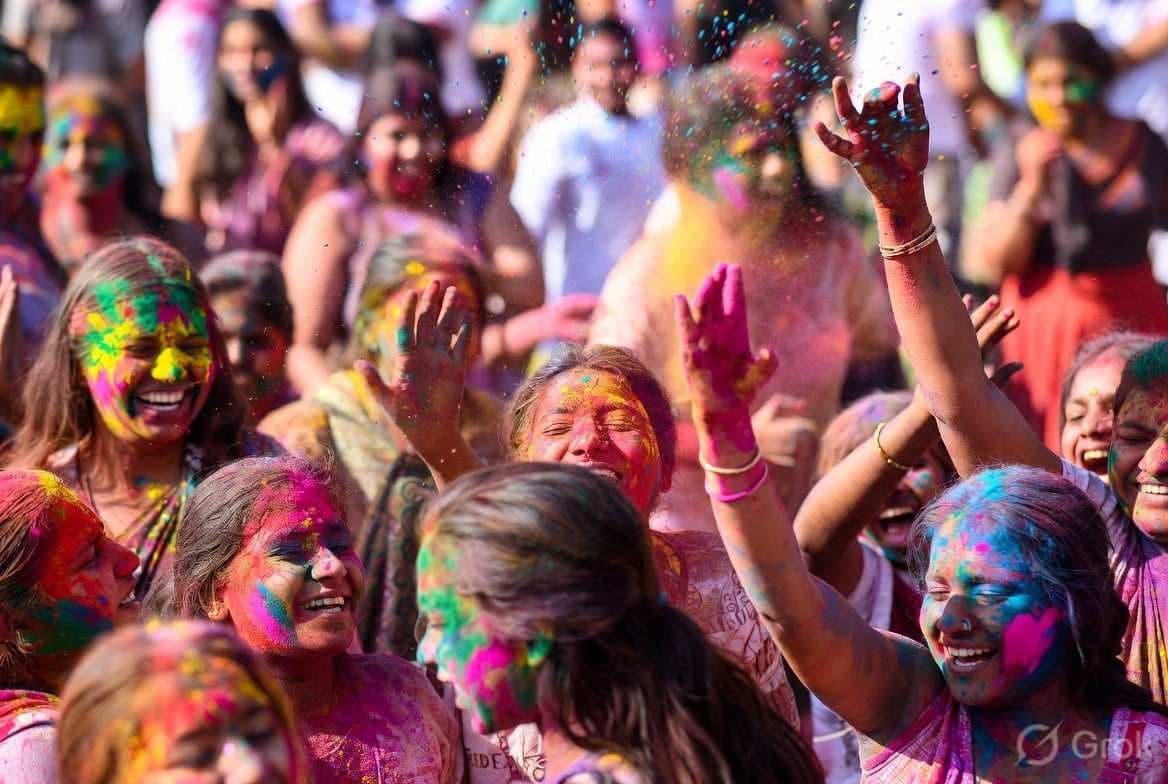
Holi brings color, music, and community to Vancouver each spring. The 2026 edition features boat parties, campus festivals, and temple rituals across the metro area. For NRIs and their families, this celebration offers a meaningful way to maintain cultural connections while building new traditions on the West Coast.
TL;DR
- Holika Dahan occurs in early March and main color play follows the next day in 2026.
- Top events include Burrard Queen cruises, SFU campus festival, and PLAY HOLI at Gallery Vancouver.
- Temples in Surrey and Richmond host devotional programs with floral offerings.
- Book tickets early through Eventbrite as popular cruises and fests sell out.
- Wear white clothes, use eco gulal, and check weather forecasts before heading out.
The Cultural Importance of Holi for Vancouver's Indian Community
Many families from Punjab, Gujarat, and the Caribbean settled in Surrey, Burnaby, and Richmond over the past three decades. They recreate the spring festival on the West Coast by blending dhol beats with local waterfront settings. One NRI who moved from Mumbai to Vancouver in 2012 recalls the first Holi after arrival. The group gathered near False Creek with a small packet of colors bought from a local Indian store. Rain started midway, yet the colors still flew under umbrellas while children chased each other along the seawall. Over the years the same circle grew into larger organized events that now draw thousands. The gatherings keep ties to relatives back home while introducing Canadian-born children to the tradition of forgiveness and equality that the festival represents. Newcomers often mention how the mild March temperatures allow outdoor play that would be impossible during hotter Indian summers. These personal accounts show how Holi functions as both a religious observance and a social anchor for the diaspora.
For NRIs specifically, Holi celebrations in Vancouver serve multiple purposes beyond the spiritual dimension. The festival provides an opportunity to maintain language skills, as many events feature Hindi and Punjabi music, announcements, and cultural commentary. Children raised in Canada gain exposure to their heritage through sensory experiences—the smell of traditional sweets, the sound of live instruments, and the visual spectacle of colored powder. Parents report that these annual gatherings help their families feel less isolated, particularly during the first few years after immigration. The sense of belonging that emerges from celebrating alongside thousands of others from similar backgrounds can ease the transition to life in a new country. Additionally, these events create informal networks where newcomers exchange practical advice about schools, employment, and community resources. The festival thus becomes a bridge between the personal, cultural, and civic dimensions of NRI life in British Columbia.
Key Dates for Holi 2026
Holika Dahan falls in the evening in early March. Rangwali Holi follows the next day. Organizers schedule most public events on weekends to accommodate work and school schedules. Early March weather typically ranges between 5 and 15 degrees Celsius with a chance of showers, so many planners reserve indoor or covered venues.
Understanding the lunar calendar behind these dates helps NRIs explain the festival to Canadian friends and colleagues. Holi is celebrated on the full moon day in the Hindu month of Phalguna, which typically corresponds to late February or early March in the Gregorian calendar. The day before, known as Holika Dahan or Chhoti Holi, involves the ritual burning of a bonfire to symbolize the victory of good over evil. This historical and mythological context—rooted in the legend of Prahlad and the demoness Holika—gives the festival its deeper meaning beyond the colorful surface celebration. Many temples in the Vancouver area provide educational sessions explaining these stories to younger generations who may not have heard them in detail. Some organizations also coordinate with local schools to include Holi information in multicultural education programs, helping to build broader community awareness and appreciation.
Major Events Comparison
Four headline events stand out for scale and setting. The table below summarizes dates, locations, and formats so readers can choose based on age group and preferred atmosphere.
| Event | Date | Venue | Format | Age |
|---|---|---|---|---|
| Holi on the Waves | March 1, 7, 8 | Burrard Queen, Vancouver Harbour | Boat cruise with DJ and color throws | All ages / 19+ |
| HOLI HAI at SFU | March 7 | SFU Burnaby East Lot | Outdoor campus festival | All ages |
| PLAY HOLI Festival | March 14 | Gallery Vancouver | Two-stage daytime production | All ages |
| UBC PIT Holi | March 6 | The Pit, UBC | Evening student party | 19+ |
Each listing draws from different segments of the community. Boat cruises emphasize scenic views while university events focus on affordable access for students.
Holi on the Waves Boat Cruises
The Holi on the Waves boat cruises offer a unique perspective on the festival by combining the celebration with Vancouver's iconic waterfront. Departing from the Burrard Queen dock, these cruises feature live DJs, color throws, and refreshments while passengers enjoy views of the North Shore mountains and downtown skyline. Multiple sailing dates allow flexibility for families and friend groups with varying schedules. The boat setting creates a contained environment where color play remains manageable and cleanup is simplified compared to outdoor festivals. For NRIs who have lived in Vancouver for several years, these cruises often become annual traditions that blend nostalgia for Holi celebrations back home with appreciation for the local geography. First-time attendees frequently comment on how the combination of cultural celebration and scenic beauty creates a memorable experience that feels distinctly West Coast.
Campus-Based Celebrations
University and college campuses host some of the most accessible Holi events for younger NRIs and students. SFU's HOLI HAI festival and UBC's Pit event draw hundreds of participants and typically charge minimal or no admission. These settings allow students to celebrate without traveling far from campus housing or requiring expensive tickets. Campus events also tend to feature student-organized performances, including Bollywood dance routines, live music, and cultural presentations that reflect the interests of younger diaspora members. For international students and recent graduates, these events provide crucial social connection during a period when homesickness may be acute. The informal atmosphere encourages mixing across different ethnic and cultural backgrounds, helping to introduce non-Indian Canadian students to the festival and building intercultural understanding.
PLAY HOLI Festival at Gallery Vancouver
The PLAY HOLI Festival represents one of the largest organized celebrations in the region, featuring two stages, professional sound and lighting, and a full day of programming. This event attracts families, young adults, and seasoned Holi enthusiasts. The two-stage format allows simultaneous programming of different music genres, dance performances, and cultural segments, ensuring diverse appeal. Gallery Vancouver's indoor and covered outdoor spaces provide weather protection, which is particularly valuable given Vancouver's unpredictable March weather. The scale of this event makes it feel like a major city festival rather than a niche cultural gathering, which appeals to both established NRI families and those new to Vancouver seeking a comprehensive introduction to how the community celebrates Holi.
Spiritual Celebrations at Temples
BAPS Shri Swaminarayan Mandir in Surrey organizes Holi Utsav with abhishekam and prasadam distribution. ISKCON Vancouver holds kirtan sessions and gentle color play around Gaura Purnima. These programs follow traditional lunar calendars and attract families seeking quieter observances away from large ticketed parties. Smaller gurdwaras also mark Holika Dahan with community langar.
Temple-based celebrations offer a more meditative and spiritually focused alternative to commercial festival events. Many NRIs who grew up attending temple celebrations in India find these services provide continuity with their childhood experiences. The rituals performed—including the lighting of the Holika bonfire, the singing of devotional songs, and the distribution of blessed food—follow practices that have remained largely unchanged for centuries. This consistency can be deeply meaningful for those navigating significant life changes through immigration. Temple communities also tend to be multigenerational, allowing grandparents, parents, and children to participate together, which strengthens family bonds and cultural transmission. Additionally, temples often provide educational components where priests or community leaders explain the mythological and philosophical significance of Holi, helping younger members understand the festival's deeper purpose beyond the celebration itself.
For those seeking additional information about Holi celebrations and cultural context, resources like HinduTone provide comprehensive guides. The HinduTone Holi 2026 Canada Festival of Colors Events Guide offers detailed listings and cultural background. Those interested in comparing celebrations across regions may also find the HinduTone Holi 2026 Houston Festival of Colors Guide useful for understanding how different North American cities approach the festival.
Ticketing and Event Discovery
Multiple platforms host Holi event listings for the Vancouver metro area. Sulekha Events aggregates Holi festival events and tickets for the Vancouver metro area, providing a centralized resource for discovering options. Eventbrite remains the primary ticketing platform for most major events, with dedicated sections for Holi celebrations. Early booking is strongly recommended, as popular boat cruises and large festivals frequently reach capacity by mid-February. Many organizers offer early-bird discounts for tickets purchased more than two weeks in advance, making early planning financially advantageous as well as logistically practical.
Practical Advice for Attendees
White cotton clothing shows colors best yet stains easily, so many participants bring spare shirts. Organic gulal reduces skin irritation compared with synthetic powders. Public transit via SkyTrain reaches most venues, though boat events require arrival at Pacific Boulevard by the listed boarding time. Families with young children prefer daytime cruises or campus events that end before evening. Always confirm ticket availability on Eventbrite in the final week, as capacity limits apply.
Beyond these basics, several additional considerations can enhance the experience. Sunscreen applied before color play helps protect skin, as some colored powders can be drying. Bringing a small towel or cloth allows for periodic cleanup during the day, which can be particularly important for those with sensitive skin or allergies. Photography enthusiasts should protect cameras and phones with waterproof cases, as color powder and water spray are common elements of celebrations. For those attending boat cruises, arriving 30 minutes early allows time for parking, boarding procedures, and settling in before departure. Those driving to campus events should plan for limited parking and consider using ride-sharing services or public transit when possible. Attendees should also check weather forecasts the day before events, as heavy rain may affect outdoor celebrations or require bringing additional protective gear.
For NRIs attending their first Holi celebration in Vancouver, the scale and style of events may differ from what they experienced in India. Indian celebrations often involve community-wide participation with color play extending throughout neighborhoods, while Vancouver events tend to be more concentrated in specific venues. This difference reflects both the urban geography of Vancouver and the preference among Canadian organizers for controlled, ticketed events. Understanding this distinction helps newcomers adjust expectations and appreciate the unique character of West Coast Holi celebrations. Many long-term residents report that they eventually prefer the organized Vancouver approach, as it allows for better planning and reduces the spontaneous chaos that characterizes Indian celebrations.
Next steps
Review the event table and select one primary date that matches your schedule. Purchase tickets directly from listed platforms. Prepare clothing and colors at least two days ahead. Follow organizer social channels for weather-related updates. Consider attending multiple events across the Holi season to experience different celebration styles and connect with various segments of the community.
Sources
- Holi on the Waves Festival of Colours Tickets
- PLAY HOLI Festival Vancouver Tickets
- Sulekha Holi Festival Events Vancouver Metro Area
- HinduTone
- HinduTone Holi 2026 Canada Festival of Colors Events Guide
- HinduTone Holi 2026 Houston Festival of Colors Guide
Continue reading — NRI Globe pillar guide: Canada Express Entry for Indians
Related NRI Globe Coverage
- Holi 2026 in Amsterdam: Netherlands' Vibrant Hub for the Festival of Colors, Tech Diaspora, and Multicultural Joy
- Holi 2026 in Berlin: Germany's Capital of Colors, Tech-Driven Diaspora, and Growing Desi Vibrancy
- Holi 2026 in Birmingham: The Midlands' Vibrant Festival of Colors, Desi Beats, and Community Unity
- Holi 2026 in London: Guide to the UK's Biggest Festival of Colors, Outdoor Mega-Fests & Multicultural Celebrations
- Holi 2026 in Montreal: Quebec's Guide to the Festival of Colors, Neon Parties, Temples & Desi Celebrations
- Holi 2026 in Toronto: Canada's Premier Festival of Colors Guide – Events, Parties, Temples & GTA Celebrations
- Holi 2026 in Columbus: Ohio Festival of Colors
- Holi 2026 Jacksonville Guide: Events and Celebrations
Fresh from NRI Globe
- YouTuber Nandu's World (Rama Nandana) UK Visa & Job Fraud Case: Full Details + Key Lessons for NRIs (2026)
- Dussehra / Vijayadashami 2026 Events Country-Wise — Global NRI Directory (Ram Lila, Ravana Dahan, Durga Puja Pandals, Ayudha Puja Venues + Booking)
- Diwali 2026 Events Country-Wise — Global NRI Directory (White House, Leicester, London Trafalgar, Toronto, Auckland, Sydney Parramasala, Fiji, Mauritius, Trinidad, South Africa and More)
- Diwali / Deepavali 2026 Country-Wise NRI Celebrations — Complete Global Guide (USA, UK, Canada, Australia, Fiji, Mauritius, Trinidad, South Africa, UAE and 30+ Countries)