
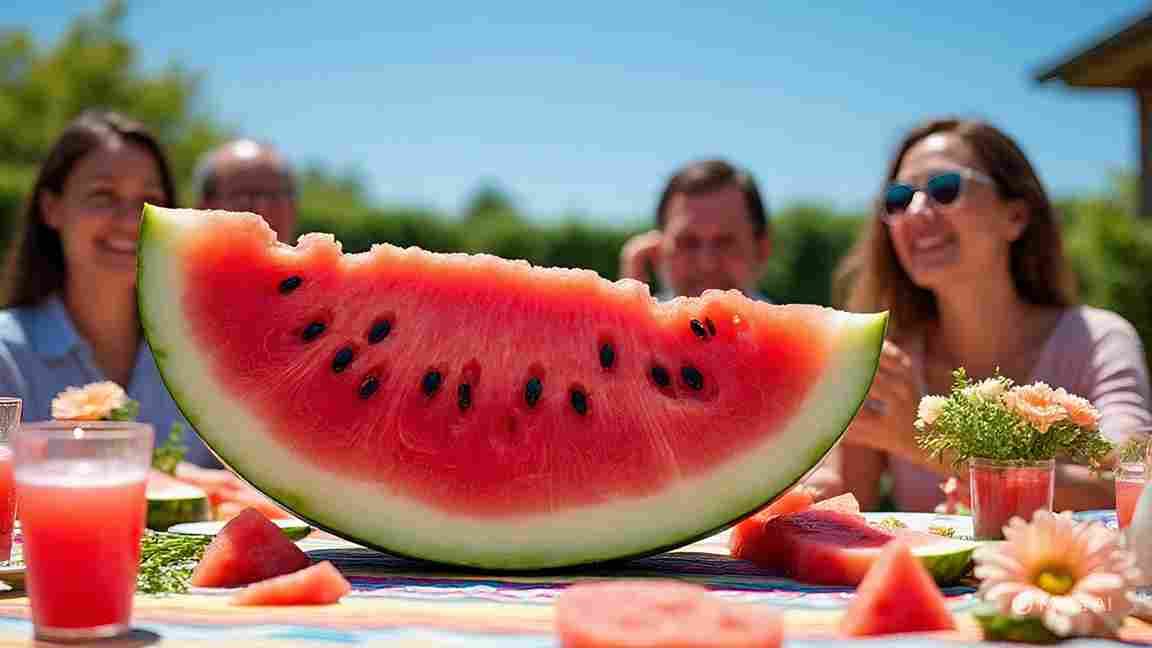
TL;DR
- National Watermelon Day falls on August 3 and offers NRIs a chance to reconnect with Indian summer memories through simple fruit rituals.
- Try desi twists like kala namak on chilled slices or watermelon lassi with cardamom for authentic flavor.
- Family activities range from seed-spitting contests to virtual cook-offs that bridge time zones.
- Watermelon provides hydration and nutrients suited to hot climates and active lifestyles abroad.
- Global celebrations blend local customs with Indian elements for a personal sense of home.
Origins of the Fruit and the Day
Watermelon traces back thousands of years to African deserts. Early forms grew in the Kalahari region. Ancient Egyptians cultivated and depicted the fruit in tombs because of its water content. Today growers raise more than one thousand varieties across over one hundred countries. China produces the largest share while the United States ranks among the top producers. The modern holiday gained traction through online searches and grower promotions around 2009.
NRIs often encounter the day through social media posts or supermarket displays. The date serves as a prompt rather than an official calendar event in most countries.
First-Hand Perspective from an NRI in California
Every August I drive to a farmers market near my home in the Bay Area. The sight of stacked watermelons brings back afternoons in my grandmother’s courtyard in Hyderabad. I select one with a yellow spot on the rind and a solid weight. At home I slice it thin and dust the pieces with kala namak before handing them to my children. They laugh at the salty-sweet contrast the way my cousins and I once did under the neem tree. Later we join a video call with relatives in India. Each family shows their version of the fruit on screen. One cousin in Mumbai serves it with mint and chili powder. Another in Dubai adds rose syrup to a blended drink. The calls last an hour and leave everyone smiling. These small acts keep a thread of continuity alive across continents and years. The fruit itself travels well in coolers and requires no special equipment. Its bright color and high water content make it practical for summer gatherings whether the temperature outside reads 100 degrees or 70.
Recipes with Regional Indian Flavors
Simple preparations highlight the fruit without masking its taste. Wedges sprinkled with lime and chaat masala remain a quick option. A salad variation combines cubes with crumbled feta, torn mint, and a few fried curry leaves for aroma. Grilling thick slices after a light rub of tandoori masala adds smoky notes that pair well with grilled paneer. Blending the flesh with yogurt, a pinch of cardamom, and a drop of rose water produces a lassi that cools after outdoor activity. For a mocktail version, muddle ginger and jaggery syrup with watermelon juice and soda water. Each recipe uses ingredients commonly stocked in NRI kitchens.
Family Activities Across Time Zones
Seed-spitting contests work in any backyard or park. Children measure distances and cheer the farthest reach. Rangoli patterns carved into watermelon halves combine two visual traditions in one centerpiece. A picnic basket can include the fruit alongside mangoes and spiced nuts while a playlist of old film songs plays. Virtual cook-offs let relatives in different cities share finished dishes on screen. The Japanese suikawari game adapts easily when a blindfolded participant swings at a melon placed on safe ground. These games require little preparation yet create shared laughter.
| Activity | Time Needed | Group Size | Materials |
|---|---|---|---|
| Seed-spitting contest | 20 minutes | 4-10 | Watermelon slices, measuring tape |
| Virtual cook-off | 60 minutes | 3-8 households | Video platform, local ingredients |
| Rangoli carving | 45 minutes | 2-6 | Watermelon halves, carving tools |
Cultural Meanings in Different Countries
In parts of China the fruit appears at family meals as a sign of good fortune. Japanese gatherings sometimes feature watermelon alongside tea. Spanish evening tables pass slices during long conversations. Australian NRIs adapt the same produce to winter months by serving it chilled indoors. Each setting shows how one ingredient travels and picks up local meaning without losing its original appeal.
Selecting and Storing the Fruit
Look for a creamy yellow patch on the underside. A deep, hollow sound when tapped indicates ripeness. Uniform shape and noticeable weight also signal good quality. Once cut, cover remaining pieces and refrigerate. The fruit keeps several days when stored properly.
Nutritional Profile
Watermelon supplies hydration along with vitamins A and C. It contains lycopene and citrulline compounds linked to reduced inflammation. The low calorie count makes it suitable for frequent consumption during warm weather.
Next steps
Mark August 3 on your calendar. Source a watermelon from a local market. Prepare one recipe from the list above. Share the result with family or friends through a call or visit. Repeat the practice each year to build a personal tradition.
Sources
USDA Agricultural Research Service
Food and Agriculture Organization of the United Nations
Related NRI Globe pillar guide: Returning to India — Complete Checklist for NRIs
Related NRI Globe Coverage
- Ganesh Chaturthi Day-by-Day Program for NRI Families in the USA (Sept 5–25, 2026)
- The Nine Forms of Goddess Durga: A Complete Day-by-Day Guide
- Complete Diwali 2026 5-Day Guide for NRIs (Nov 8) — Dhanteras, Choti Diwali, Lakshmi Puja, Govardhan, Bhai Dooj
- Dussehra & Navratri 9-Day Fasting Food Guide — Prasad Recipes + Vrat Foods for NRIs 2026
- Krishna Janmashtami 2026 Around the World: NRI Global Guide (UAE, Singapore, Malaysia, New Zealand, South Africa, Europe & More)
- Christmas Around the World 2026: NRI Celebrations Guide by Country
- Sri Rama Navami Worldwide: How NRIs Celebrate Lord Rama's Birthday Across the Globe
- 100 Sacred Lord Shiva Temples Around the World
Fresh from NRI Globe
- YouTuber Nandu's World (Rama Nandana) UK Visa & Job Fraud Case: Full Details + Key Lessons for NRIs (2026)
- Dussehra / Vijayadashami 2026 Events Country-Wise — Global NRI Directory (Ram Lila, Ravana Dahan, Durga Puja Pandals, Ayudha Puja Venues + Booking)
- Diwali 2026 Events Country-Wise — Global NRI Directory (White House, Leicester, London Trafalgar, Toronto, Auckland, Sydney Parramasala, Fiji, Mauritius, Trinidad, South Africa and More)
- Diwali / Deepavali 2026 Country-Wise NRI Celebrations — Complete Global Guide (USA, UK, Canada, Australia, Fiji, Mauritius, Trinidad, South Africa, UAE and 30+ Countries)