
TL;DR
- Sharad Navratri runs for nine or ten days in October.
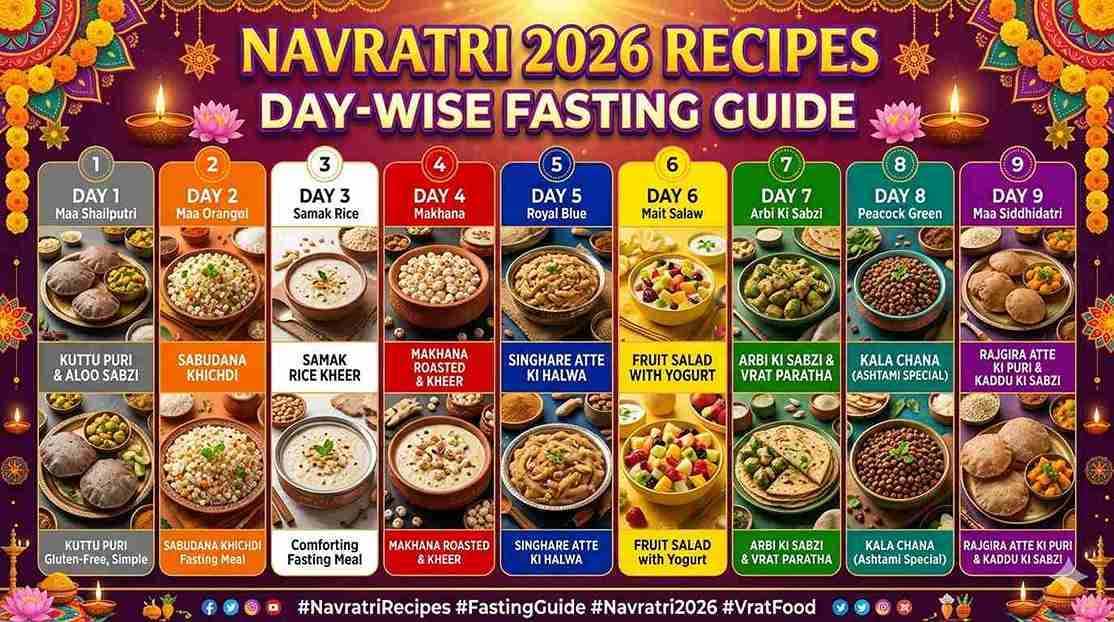
- Each day features one main recipe using approved vrat ingredients.
- All dishes rely on sendha namak, ghee, and items stocked at major Indian grocers in the US, Canada, and UK.
- NRI adjustments focus on overnight soaking and quick prep for workdays.
- A single table compares flour and grain availability across regions.
Many NRIs maintain Navratri traditions while managing office deadlines and school runs. The recipes below adapt classic fasting dishes to ingredients that appear regularly on shelves at Patel Brothers, Apna Bazaar, and similar outlets. For those seeking additional guidance on vrat traditions and broader celebration practices, resources like HinduTone offer comprehensive overviews of festival observances across the diaspora.
Understanding Navratri Fasting for the Diaspora
Navratri fasting represents more than dietary restriction; it embodies spiritual discipline and cultural continuity for families separated by geography. NRIs often face unique challenges when observing vrat, including limited access to specialized ingredients, time constraints from work schedules, and the need to adapt cooking methods to apartment kitchens and modern appliances. Understanding which foods align with vrat principles becomes essential when local Indian grocers may stock items inconsistently or when substitutions become necessary due to regional availability differences.
The vrat diet traditionally excludes onion, garlic, salt (except sendha namak or rock salt), grains like wheat and rice, and non-vegetarian foods. However, permitted foods include potatoes, dairy products, fruits, nuts, seeds, and specific flours made from buckwheat, water chestnut, and barnyard millet. For NRIs, recognizing these categories helps navigate both traditional recipes and necessary adaptations when exact ingredients prove difficult to source.
Many diaspora families discover that preparing vrat meals actually strengthens their connection to home, particularly when children participate in the cooking process. The nine days of Navratri provide a structured framework for maintaining Hindu observances while juggling Western work culture and school calendars. Batch preparation on weekends, strategic use of modern kitchen tools, and community sharing of sourcing tips have become standard practices among NRI households committed to these traditions.
Day 1 – Maa Shailputri
Sabudana Khichdi offers a quick start. Soak the pearls the night before so the morning routine stays short. One NRI family in New Jersey reports that keeping a small container of pre-soaked sabudana in the fridge cuts prep time to under ten minutes on weekday mornings. They add roasted peanuts for protein and finish with a squeeze of lemon to brighten the flavor after a long commute.
Further observations from diaspora households show that sabudana brands sold in vacuum packs retain texture better during long drives home from the store. Families in colder climates note that letting the drained pearls rest on a wide plate prevents clumping even when indoor heating runs high. The starch content in sabudana provides sustained energy throughout the morning, making it particularly suitable for NRIs who cannot take extended meal breaks. Some families prepare double batches and portion them into glass containers, allowing quick reheating in office microwaves without compromising the dish's integrity.
Day 2 – Maa Brahmacharini
Kuttu Ki Puri with Aloo Sabzi supplies sustained energy. Dough made with mashed potato needs no added water, which simplifies cleanup for small apartment kitchens. NRIs in the UK often substitute sunflower oil when ghee supplies run low at local Asian markets, though taste differs slightly.
A first-hand account from a Toronto-based professional describes batch-frying puris on Sunday evening and reheating them in an air fryer during the workweek. This approach keeps the kitchen free of lingering oil smells on busy weekdays while preserving the crisp exterior expected during festival meals. Kuttu flour, also known as buckwheat flour, carries a slightly earthy flavor that pairs well with the mild sweetness of boiled potatoes. The combination provides complete protein when consumed together, addressing nutritional concerns that arise during extended fasting periods. NRIs managing dietary restrictions alongside vrat observance often consult with nutritionists to ensure adequate calorie and nutrient intake, particularly when fasting spans multiple days.
Day 3 – Maa Chandraghanta
Sama Rice Pulao works well for lunch boxes. The grain cooks faster than basmati, an advantage when lunch breaks are short. Several NRI parents mention packing cooled portions in stainless containers that travel well on public transit.
Comparative notes from community groups indicate that sama rice labeled as barnyard millet appears more consistently in Canadian stores than in some southern US locations, where shoppers sometimes substitute with compatible millet varieties after checking labels for vrat compliance. Sama rice contains less gluten than wheat and digests easily, making it ideal for those whose stomachs adjust to lighter meals during fasting days. The grain absorbs flavors readily, so light seasoning with sendha namak, cumin seeds, and ghee suffices to create a satisfying meal. NRIs often prepare this dish on evenings when they anticipate busy workdays, as reheating does not diminish its appeal.
| Ingredient | US Stores | Canada Stores | UK Stores |
|---|---|---|---|
| Kuttu flour | Patel Brothers, Amazon | Indian Supermarket chains | Asian groceries in London |
| Sama rice | Widely stocked | Seasonal stock | Online specialists |
| Singhara flour | Available during fasting season | Limited | Specialty online |
Day 4 – Maa Kushmanda
Kaddu Ki Sabzi pairs naturally with Singhara Roti. Pumpkin cubes soften quickly under a lid, reducing active stove time. NRIs who garden report using home-grown squash when store pumpkins carry wax coatings that affect flavor.
One extended family in California shares that they prepare extra rotis and freeze them between parchment sheets. Thawing occurs overnight in the refrigerator, allowing same-day reheating without texture loss. Water chestnut flour, or singhara atta, creates rotis with a slightly nutty taste and delicate texture. The flour absorbs less water than wheat flour, requiring careful measurement to avoid overly dry dough. Many NRIs discover that adding a tablespoon of curd to the dough improves elasticity and makes rolling easier. Pumpkin itself offers vitamins and minerals that support immune function, particularly valuable during seasonal transitions when Navratri typically occurs.
Day 5 – Maa Skandamata
Makhane Ki Kheer serves as a comforting evening option. Foxnuts roast evenly in a wide nonstick pan, an adjustment many apartment dwellers adopt when burner space is limited. The milk reduces slowly, giving time for other household tasks.
Observations from Midwestern NRIs highlight that full-fat milk from regular supermarkets yields comparable thickness to Indian dairy brands once simmered long enough. They add a pinch of saffron only on weekends when more family members share the meal. Makhana, or foxnuts, possess a light, crispy texture that transforms when cooked in milk, becoming soft and slightly chewy. The ingredient appears increasingly in mainstream health food stores across North America and Europe, reflecting growing awareness of its nutritional profile. Some families roast the makhana with a touch of ghee and sendha namak beforehand, creating a snack that bridges the gap between main meals and desserts. This preparation method also allows for portion control, as pre-roasted makhana can be stored and consumed throughout the fasting period.
Day 6 – Maa Katyayani
Aloo Jeera finishes in fifteen minutes once potatoes are pre-boiled. This simplicity suits households where both adults return late from work. Lemon juice added at the end prevents the dish from tasting flat after reheating.
The cumin-potato combination represents one of the most accessible vrat dishes, requiring minimal ingredients and straightforward technique. NRIs appreciate this recipe's flexibility; it accommodates variations like adding a pinch of asafoetida for digestive support or including green chili for those who tolerate spice during fasting. The dish maintains its appeal whether served warm immediately after preparation or at room temperature during lunch hours. Potatoes provide carbohydrates and potassium, supporting energy levels and electrolyte balance during extended fasting periods.
Day 7 – Maa Kalaratri
Sabudana Vada provides a crisp snack. Shaping patties the previous evening and refrigerating them firms the mixture for cleaner frying. Coriander chutney made with sendha namak keeps the entire plate within vrat guidelines.
These fritters offer textural contrast to the softer dishes that dominate many vrat menus. The combination of sabudana and roasted peanuts creates a satisfying snack that sustains energy between main meals. NRIs often prepare extra vadas to share with colleagues or neighbors, using the occasion to explain vrat traditions to those unfamiliar with Hindu observances. The coriander chutney provides fresh flavor without relying on onion or garlic, demonstrating how vrat cooking techniques can produce vibrant, complex tastes within dietary constraints.
Day 8 – Maa Mahagauri
Kuttu Ka Cheela functions like a savory pancake. Batter consistency matters more than exact measurements, allowing cooks to adjust with a spoon of curd as needed. Low-medium flame prevents burning on electric stoves common in rental units.
These buckwheat pancakes appeal to both children and adults, offering familiar comfort food within vrat parameters. The cheela can be prepared quickly on busy mornings and paired with curd or a simple potato curry. Some NRI families add grated potato directly to the batter, increasing nutritional density and creating a more substantial dish. The pancakes freeze well, making them suitable for batch preparation on less demanding days. Reheating in a skillet or toaster oven restores crispness without requiring additional oil.
Day 9 – Maa Siddhidatri
Singhara Halwa closes the sequence with a fragrant sweet. Hot sugar syrup poured over roasted flour creates the right texture without constant stirring once the initial lumps dissolve.
This traditional sweet marks the penultimate day of fasting with a dish that feels celebratory while maintaining vrat compliance. The water chestnut flour develops a rich, toasted aroma when roasted in ghee, creating an aromatic experience that engages multiple senses. NRIs often prepare halwa in smaller quantities than traditional recipes suggest, adapting portions to household size and refrigerator space. The dish pairs well with milk or curd, providing a balanced conclusion to the evening meal.
Day 10 – Vijayadashami
Puri Halwa Prasad marks the end of fasting. Whole-wheat puris and suji halwa together offer a familiar taste that signals the return to regular meals. Families often prepare extra portions to share with neighbors.
This final day celebrates the victory of good over evil, and the meal reflects that sense of triumph and renewal. The combination of fried bread and sweet semolina pudding represents a departure from the lighter vrat foods, signaling the body's transition back to regular eating patterns. Many NRIs invite friends and colleagues to share this meal, using it as an opportunity to introduce non-Hindu community members to Hindu festival traditions. The sharing of prasad strengthens social bonds and demonstrates how religious observance can foster cross-cultural understanding in diverse diaspora communities.
Regional Sourcing and Ingredient Availability
NRIs across different regions face varying challenges when sourcing vrat ingredients. Those in major metropolitan areas with established Indian communities typically find comprehensive selections at dedicated grocers. However, families in smaller towns or rural areas may need to plan purchases several weeks in advance or rely on online retailers. HinduTone's vrat recipe collection provides additional sourcing guidance and regional variations that help NRIs adapt recipes to available ingredients.
The availability of specialty flours like singhara and kuttu fluctuates seasonally, with peak stocking occurring in September and early October. Savvy shoppers purchase these items in bulk when available, storing them in airtight containers in cool, dry locations. Some NRI communities have organized cooperative purchasing arrangements, allowing families to split bulk orders and reduce individual costs. Online platforms have expanded access significantly, though shipping times and costs require advance planning.
Nutritional Considerations for Extended Fasting
While Navratri fasting carries spiritual significance, NRIs managing health conditions or taking medications should consult healthcare providers before beginning extended fasts. The vrat diet, when properly planned, provides adequate nutrition through dairy products, fruits, nuts, and permitted grains. However, individuals with diabetes, thyroid conditions, or other metabolic concerns may need modifications to ensure stable blood sugar and nutrient levels.
The emphasis on potatoes, dairy, and nuts in vrat cooking naturally supplies protein, calcium, and healthy fats. Adding fruits like bananas, pomegranates, and apples provides vitamins and fiber. Some NRI nutritionists recommend consuming smaller meals more frequently during fasting days rather than three large meals, which can ease digestive adjustment and maintain steady energy levels throughout the day.
Adapting Recipes for Modern Kitchens
Many NRI apartments feature limited counter space, small stovetops, and minimal storage. Recipes benefit from adaptation to these constraints. Air fryers reduce oil usage and cooking time for items like puris and vadas. Instant pots accelerate cooking for potatoes and grains. Slow cookers allow hands-off preparation of dishes like kheer, which traditionally requires constant attention. These modern appliances do not compromise the spiritual or cultural authenticity of the meals; they simply acknowledge the practical realities of contemporary diaspora life.
For those seeking more detailed day-by-day guidance, HinduTone's day-wise recipe guide offers traditional preparations alongside practical tips for modern kitchens. Additionally, NRIs interested in broader festival celebrations can explore regional celebration guides that connect Navratri observance to other Hindu festivals celebrated across the diaspora.
Community and Family Engagement
Navratri fasting provides opportunities for intergenerational knowledge transfer within NRI families. Children who participate in meal preparation develop connections to their heritage while learning practical cooking skills. Many families establish traditions around specific recipes, with grandmothers' techniques transmitted to younger generations through hands-on experience rather than written instructions. These practices strengthen family bonds and create lasting memories associated with cultural observance.
NRI communities often organize Navratri celebrations that extend beyond individual households. Potluck dinners where families contribute different day-wise recipes foster community connection and allow members to sample diverse regional variations. These gatherings also provide opportunities for newer immigrants to learn from those with longer diaspora experience, accelerating cultural integration while maintaining traditional practices.
Next steps
Stock sendha namak and a few core flours before the first day. Test one new recipe mid-week to confirm cooking times with your stove and cookware. Share successful adaptations with local community groups to refine the list for future years. Consider connecting with online NRI communities dedicated to festival observance, where members exchange sourcing tips and recipe modifications specific to your region.
Sources
Recipes draw from longstanding home practices documented across Indian diaspora networks. Information reflects experiences shared by NRI families across North America, the United Kingdom, and other diaspora regions.
Continue reading — NRI Globe pillar guide: Canada Express Entry for Indians
Related NRI Globe Coverage
- Navratri 2026 Complete Guide for NRIs — Dates, Nine Forms of Durga, Vrat Recipes, Garba and Home Puja (USA, UK, Canada, Australia)
- Ganesh Chaturthi Recipes 2026 — Traditional Modak, Ladoo & Festive Sweets Complete NRI Cooking Guide
- 21 Modak Varieties + Recipes for Ganesh Chaturthi 2026 — Complete NRI Prasad Guide
- Chhath Puja 2026 — Complete NRI Guide (Vrat Vidhi, Arghya, November Diaspora Observance)
- Karva Chauth 2026 — Complete NRI Guide (Vrat Vidhi, Mantras, Fasting for Women Abroad)
- Dussehra & Navratri 2026 Complete NRI Guide — 9-Day Durga Puja + Vijayadashami in USA/UK/CA/AUS/EU
- Dussehra & Navratri 2026 in New Jersey + NYC — Biggest USA Garba Events & Durga Puja Guide
- Dussehra & Navratri 2026 in London + Leicester — Biggest UK NRI Celebrations Guide
Fresh from NRI Globe
- YouTuber Nandu's World (Rama Nandana) UK Visa & Job Fraud Case: Full Details + Key Lessons for NRIs (2026)
- Dussehra / Vijayadashami 2026 Events Country-Wise — Global NRI Directory (Ram Lila, Ravana Dahan, Durga Puja Pandals, Ayudha Puja Venues + Booking)
- Diwali 2026 Events Country-Wise — Global NRI Directory (White House, Leicester, London Trafalgar, Toronto, Auckland, Sydney Parramasala, Fiji, Mauritius, Trinidad, South Africa and More)
- Diwali / Deepavali 2026 Country-Wise NRI Celebrations — Complete Global Guide (USA, UK, Canada, Australia, Fiji, Mauritius, Trinidad, South Africa, UAE and 30+ Countries)