
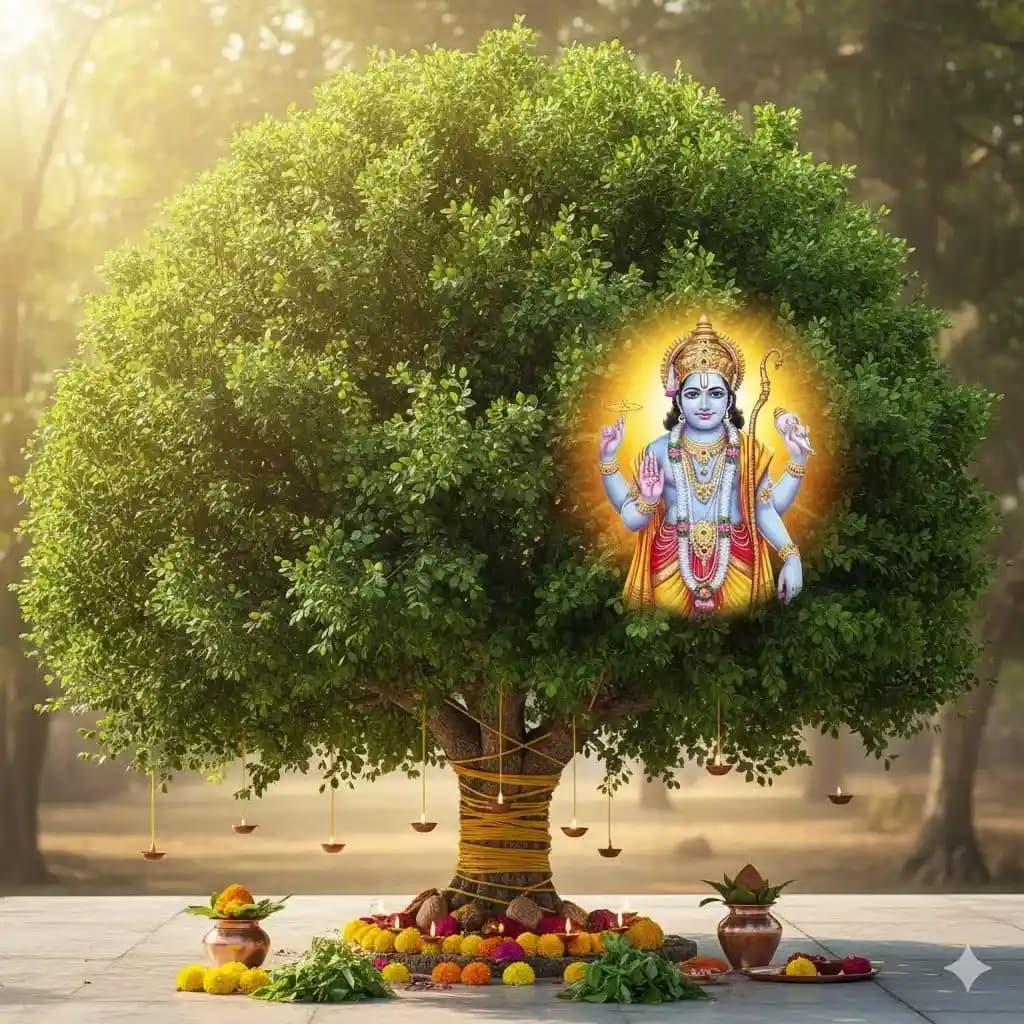
Phalguna Shuddha Ekadashi arrives each year in late February. The observance centers on Lord Vishnu and the Amla tree.
TL;DR
- Amalaki Ekadashi 2026 occurs on Friday, 27 February.
- Fasting runs from sunrise on 27 February until Parana on 28 February.
- NRIs in the USA adjust timings to local sunrise and DrikPanchang data.
- Worship includes Amla tree rituals and Vishnu mantras.
- Benefits described in Padma Purana include removal of accumulated sins.
Phalguna Shuddha Ekadashi 2026 Date and Core Timings
The Ekadashi tithi begins late on 26 February and ends on the evening of 27 February in Indian Standard Time. Observance falls on Friday 27 February 2026. Parana window opens after local sunrise on 28 February.
Confirm exact sunrise in your location before breaking the fast. DrikPanchang provides city-specific calculations that account for time zones and daylight saving.
City-Wise Timings for NRIs Across the United States
Devotees in different time zones follow local solar events rather than Indian clock time. The table below summarizes approximate windows drawn from DrikPanchang calculations.
| City | Fasting Date | Parana Window on 28 Feb |
|---|---|---|
| New York (EST) | 27 February 2026 | 06:31 AM – 08:46 AM |
| Houston (CST) | 27 February 2026 | 06:15 AM – 08:45 AM |
| Los Angeles (PST) | 27 February 2026 | 06:00 AM – 08:30 AM |
Residents of other cities should enter their zip code on drikpanchang.com to obtain precise Parana limits. Many ISKCON centers stream live Vishnu puja that NRIs join from home.
Spiritual Importance According to Traditional Texts
Padma Purana states that Lord Vishnu resides in the Amla tree on this Ekadashi. Offering respect to the tree equals worship of multiple deities. Observance is said to clear sins accumulated over lifetimes and support progress toward moksha.
The day also carries the name Rangbhari Ekadashi in parts of northern India because it precedes Holi color celebrations.
First-Hand Perspective from an NRI in the United States
Living in suburban New Jersey, I have kept Amalaki Ekadashi for eight years while working a standard corporate schedule. The biggest adjustment is the time difference. I wake before local sunrise, complete a brief home puja, and then prepare a simple phalahar meal to carry to the office. Coworkers sometimes ask about the yellow thread on my wrist; I explain it marks the Amla tree ritual performed earlier that morning. After work I return home, light a ghee lamp, and read the short katha before Parana the next day. The practice fits around deadlines because the fast itself requires no special equipment beyond a printed panchang and a small container of sendha namak. Over time the routine has become a quiet anchor before the louder Holi gatherings that follow within a week.
Vrat and Fasting Rules for Working Professionals
Strict observers maintain a nirjala fast with no food or water. Others choose phalahar that permits fruits, milk products, sabudana, and nuts while excluding grains, pulses, and regular salt. Daytime rest is avoided. Continuous chanting of Vishnu names fills the hours. NRIs with demanding jobs often eat a light phalahar before leaving for work and complete the fast after returning home.
Step-by-Step Home Pooja Vidhi
Begin before sunrise with a bath and clean yellow or white clothing. Set up Vishnu and Lakshmi images on a clean altar. Light a ghee lamp. Offer fresh Amla fruit or juice when available. If an Amla tree stands nearby, bathe its trunk with milk and water, tie a yellow thread seven times around the trunk, and apply a simple tilak. Recite Om Namo Bhagavate Vasudevaya 108 times. Read the Amalaki Ekadashi katha. Conclude with aarti and distribution of milk-based prasad.
Short Summary of the Amalaki Ekadashi Katha
A hunter once overheard a sage describe the merits of the fast. He fasted unintentionally and offered one leaf to an Amla tree. After death he was reborn as a righteous king and later attained Vaikuntha. The account illustrates that even an unplanned observance carries substantial merit.
Next steps
Mark the date in your calendar. Download the local panchang for your city. Prepare a small altar and source Amla fruit or powder in advance. Share the timings with family members who also observe the fast.
Sources
Primary reference material appears on drikpanchang.com for tithi calculations. Traditional descriptions are drawn from the Padma Purana.
Related NRI Globe pillar guide: Returning to India — Complete Checklist for NRIs
Related NRI Globe Coverage
- Phalguna Amavasya 2026: Shraadh & Pitru Puja Guide for NRIs
- Importance of Phalguna Maas 2026 in Hinduism
- Vijaya Ekadashi Vrat: Victory Over Obstacles Explained
- Celebrate Phalguna Masam 2026 Anywhere in the World
- Phalguna Masam 2026: Vrat Significance & Rituals
- Phalguna Month 2026 Festivals Explained
- Why Phalguna Masam 2026 Is Spiritually Powerful
- Bhishma Ekadashi 2026: Significance, Vishnu Sahasranama
Fresh from NRI Globe
- YouTuber Nandu's World (Rama Nandana) UK Visa & Job Fraud Case: Full Details + Key Lessons for NRIs (2026)
- Dussehra / Vijayadashami 2026 Events Country-Wise — Global NRI Directory (Ram Lila, Ravana Dahan, Durga Puja Pandals, Ayudha Puja Venues + Booking)
- Diwali 2026 Events Country-Wise — Global NRI Directory (White House, Leicester, London Trafalgar, Toronto, Auckland, Sydney Parramasala, Fiji, Mauritius, Trinidad, South Africa and More)
- Diwali / Deepavali 2026 Country-Wise NRI Celebrations — Complete Global Guide (USA, UK, Canada, Australia, Fiji, Mauritius, Trinidad, South Africa, UAE and 30+ Countries)