
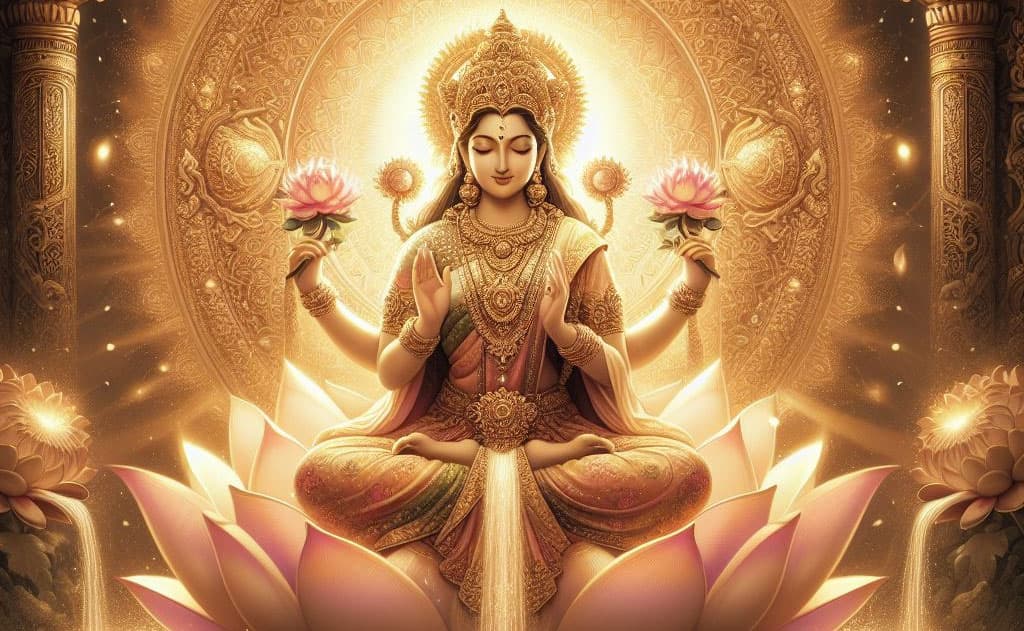
Sravana Masam (also spelled Shravan), the fifth month of the Hindu lunar calendar, holds profound spiritual significance for Hindus worldwide. In 2025, this sacred month occurs during the summer monsoon season, typically spanning late July through mid-August. For Non-Resident Indians, Sravana Masam offers a meaningful pathway to reconnect with ancestral traditions, deepen devotion, and involve family members—regardless of geography—in time-honored rituals.
This month centers on Lord Shiva worship and celebrates themes of sacrifice, cosmic balance, and spiritual transformation. Whether you observe full rituals or adapt practices to your local context, Sravana Masam invites intentional spiritual engagement.
TL;DR
- Sravana Masam 2025 occurs during late July through mid-August; the month features multiple Mondays and Tuesdays traditionally dedicated to Lord Shiva and Goddess Gauri worship.
- Core observances include fasting on Mondays and Tuesdays, daily Shiva worship, and participation in major festivals (Nag Panchami, Raksha Bandhan, Krishna Janmashtami).
- NRIs can adapt rituals to their location: home pujas, virtual temple livestreams, and symbolic offerings replace physical pilgrimages.
- The month commemorates Lord Shiva's consumption of poison during the Churning of the Ocean—a symbol of sacrifice and spiritual resilience.
- Practical tips include sattvic meals during fasts, online mantra groups, and mailing Rakhis to siblings abroad.
Mythological and Spiritual Roots of Sravana Masam
Sravana Masam derives its sanctity from the Samudra Manthan, the cosmic Churning of the Ocean described in Hindu scriptures. When the gods and demons churned the primordial ocean to obtain Amrita (the nectar of immortality), a deadly poison called Halahala emerged. This poison threatened all creation—gods, demons, and mortals alike.
Lord Shiva, moved by compassion for all beings, consumed the poison to save creation. He held it in his throat, where it remained, transforming his throat blue. This act earned him the epithet Neelkanth (the blue-throated one) and established Shiva as the ultimate embodiment of sacrifice and protection. For devotees, this narrative illustrates that true spirituality requires willingness to absorb suffering for the greater good.
The astrological dimension adds another layer. Shravana Nakshatra, the lunar mansion governing Sravana Masam's full moon, is associated with Lord Vishnu's Vamana avatar—the dwarf incarnation who reclaimed the cosmos through humility and cosmic measure. Additionally, Saturn (Shani), deeply connected to Lord Shiva, exerts heightened influence during this month, intensifying themes of karmic resolution and spiritual discipline.
Key Rituals and Observances for NRIs in 2025
Shravan Somvar: Mondays of Devotion
The Mondays of Sravana Masam are dedicated to Lord Shiva. Devotees traditionally observe Shravan Somvar Vrat (Monday fast). The fast involves consuming only sattvic (pure) foods: fresh fruits, milk, yogurt, nuts, and honey. Onion and garlic are avoided, as they are believed to stimulate rajasic (passionate) tendencies incompatible with meditative practice.
For NRIs managing work schedules, a partial fast—consuming only fruits and milk during working hours, then eating a sattvic dinner—remains valid. Some practitioners chant "Om Namah Shivaya" throughout the day as an alternative or complementary practice. This mantra, meaning "I bow to Shiva," is considered the quintessential invocation of Lord Shiva and can be recited silently during meetings or commutes.
Evening worship typically includes lighting a lamp (diya) before a Shiva Linga or idol, offering flowers, and chanting the Mahamrityunjaya Mantra—a hymn invoking Shiva's protection against death and disease. Many temples worldwide livestream Somvar pujas; joining these sessions creates community connection across continents.
Mangala Gauri Vrat: Tuesdays for Prosperity and Relationships
The Tuesdays of Sravana Masam are reserved for Mangala Gauri Vrat, a fast observed primarily by women. Married women fast for their husband's health, longevity, and prosperity. Unmarried women observe the vrat seeking an ideal life partner aligned with their values and spiritual aspirations.
The ritual involves a simple home puja: arranging a small altar with turmeric powder, rice, a clay idol or image of Goddess Gauri (Parvati), and a diya. Women dress in new or clean clothes, often wearing bangles and vermillion. The puja concludes with aarti (ritual of light) and distribution of prasad (blessed food) to family members. Abroad, NRIs adapt by using printed images of Gauri, purchasing small idols online, or creating symbolic representations with flowers and rice.
Home Worship: Rudrabhishekam and Daily Offerings
The centerpiece of Sravana Masam worship for many households is Rudrabhishekam—the ritual bathing of a Shiva Linga or idol with sacred substances. A Shiva Linga, representing the formless infinite consciousness, can be a stone purchased from a temple, an online retailer, or even a symbolic representation (a smooth stone wrapped in cloth).
Daily abhishekam involves pouring milk, water, honey, ghee, or yogurt over the Linga while chanting mantras. The sequence typically follows: water (for purification), milk (for nourishment), yogurt (for strength), ghee (for illumination), and honey (for sweetness). Each substance carries symbolic meaning. After abhishekam, the Linga is adorned with fresh flowers and a garland of Rudraksha beads or jasmine.
NRIs without access to a physical Linga can perform mental abhishekam—visualizing the ritual while chanting. This practice, rooted in Tantric and Advaita traditions, affirms that consciousness transcends physical form. Alternatively, many Hindu temples in Western cities offer community abhishekams; participating in-person, even once during the month, strengthens spiritual grounding.
Virtual Kanwar Yatra and Digital Pilgrimage
The Kanwar Yatra, a pilgrimage where devotees journey to the Ganges River to collect sacred water for Shiva worship, is a defining practice of Sravana Masam in India. For NRIs unable to travel, temples and spiritual organizations now livestream ceremonies from Haridwar, Gangotri, and Varanasi. Watching these streams creates a sense of participation in the larger devotional movement.
At home, NRIs can perform a symbolic Kanwar Yatra by offering local water—from a nearby river, lake, or even filtered tap water—at their home altar. The intention and devotion matter more than the water's geographical origin. Some families create a small pilgrimage circuit within their home: walking from bedroom to altar, reciting mantras, and offering water with full presence and reverence.
Major Festivals During Sravana Masam 2025
| Festival | Approximate Timing | Significance | NRI Observance |
|---|---|---|---|
| Nag Panchami | Early August | Honors serpent deities (nagas) for protection and cosmic balance. Celebrates the serpent's role in creation mythology. | Offer milk to a serpent idol, draw rangoli with serpent motifs, or join online pujas from temples. Some families donate to wildlife conservation organizations protecting snakes. |
| Varalakshmi Vratam | Mid-August | Invokes Goddess Lakshmi for prosperity, health, and family well-being. Primarily observed by women. | Perform a home puja with a decorated altar, offer fruits and flowers, and prepare traditional sweets (like payasam) to share with neighbors or friends. |
| Raksha Bandhan | Mid-August | Celebrates the bond between siblings. Sisters tie a sacred thread (rakhi) on brothers' wrists, symbolizing protection and affection. | Mail Rakhis to siblings in India or other countries. Hold a video call ceremony where the sister ties a rakhi on her brother's wrist while on screen. Exchange gifts and blessings. |
| Krishna Janmashtami | Mid-to-late August | Celebrates Lord Krishna's birth. Marks the triumph of divine love and wisdom over ego and ignorance. | Join ISKCON temple events (many offer virtual participation), prepare Krishna's favorite foods (butter, milk sweets), sing bhajans, or organize a home satsang (spiritual gathering) with friends. |
Practical Tips for NRIs Observing Sravana Masam
Nutrition During Fasts
Fasting during Sravana Masam need not mean deprivation. Sattvic meals are nutritionally balanced and satisfying. A typical fasting day might include: fresh fruit smoothie with milk and honey for breakfast, a mid-morning snack of nuts and dried fruits, a lunch of boiled potatoes with cumin and rock salt, and an evening meal of milk-based kheer (rice pudding) or fruit salad. Staying hydrated with water, coconut water, or herbal tea is essential, especially if fasting in summer heat.
NRIs with dietary restrictions (allergies, vegan preferences, medical conditions) should adapt. The spirit of fasting is mindfulness and devotion, not physical hardship. Consuming fewer meals, eating smaller portions, or avoiding specific foods (like meat or processed items) while maintaining nutrition honors the fast's intent.
Creating a Home Altar
A dedicated altar need not be elaborate. A small shelf, corner of a bedroom, or even a portable wooden box suffices. Essential elements include: a Shiva Linga or idol (purchasable from online Hindu retailers or local temples), a small lamp or candle, a water vessel, flowers (fresh or silk), incense, and a bell. Arrange these mindfully, keeping the space clean and facing east or north (traditional directions for worship).
If living in shared housing or with non-Hindu family members, a portable altar—a decorative box containing all items—can be set up during Sravana Masam and stored away afterward, respecting household dynamics.
Mantra Practice and Meditation
The Mahamrityunjaya Mantra and "Om Namah Shivaya" are foundational to Sravana Masam practice. Chanting these mantras 108 times daily (using a mala—a string of 108 beads) is a common practice. Many online platforms offer guided mantra sessions; joining a group practice, even virtually, amplifies the meditative experience.
Alternatively, listening to recorded mantras during commutes or household chores allows integration of spiritual practice into daily life. Apps like Insight Timer and Spotify host curated Shiva mantra playlists. Regular practice cultivates mental clarity, emotional resilience, and deepened connection to Shiva consciousness.
Community and Family Involvement
Sravana Masam offers opportunities to involve children and extended family. Teach children the mythology behind each festival, involve them in preparing offerings, or have them draw rangoli (decorative patterns) before the altar. Video calls with relatives in India—sharing fasting experiences, exchanging recipes, or watching temple ceremonies together—strengthen diaspora bonds.
Many cities with significant Indian populations host community Sravana Masam celebrations. Attending these gatherings—whether at temples, community centers, or homes—provides cultural immersion and friendship with fellow practitioners. These connections often extend beyond the month, creating lasting spiritual friendships.
Adapting Traditions to Your Location
Observing Sravana Masam abroad requires creative adaptation without compromising core values. In Western countries where Shiva temples may be limited, online resources—YouTube channels dedicated to Hindu rituals, temple livestreams, and spiritual apps—bridge the gap. Many temples in India now offer remote puja services: you can request a priest to perform abhishekam on your behalf, with the ceremony livestreamed to your home.
Sourcing materials (Rudraksha beads, Shiva Linga idols, incense) is straightforward via online retailers like Amazon, eBay, or specialized Hindu supply stores. Procuring sattvic foods during fasts may require visiting Indian grocery stores or ordering online; many mainstream supermarkets now stock items like rock salt, millet flour, and water chestnuts.
Workplace considerations matter. Communicating with your employer or colleagues about fasting practices—explaining that you're observing a religious month and may have modified lunch arrangements—fosters understanding. Many workplaces accommodate religious observances; some even provide quiet spaces for meditation or prayer. This transparency builds respect and allows colleagues to support your spiritual commitments.
Health and Well-Being During Fasting
Fasting is generally safe for healthy adults but requires mindfulness. Those with diabetes, pregnancy, nursing mothers, children, and individuals with chronic health conditions should consult healthcare providers before fasting. Partial fasts or symbolic observances (like chanting mantras or meditation) honor the tradition without health risks.
During fasts, monitor energy levels and hydration. If dizziness, weakness, or other symptoms arise, break the fast immediately and consume a light meal. Fasting is meant to cultivate discipline and spiritual awareness, not to compromise health. The ancient texts emphasize that observance should enhance well-being, not diminish it.
Next Steps
Prepare your space: By mid-July, establish a home altar and gather necessary items (Linga, flowers, incense, lamp).
Plan your fasting schedule: Mark the Mondays and Tuesdays of Sravana Masam on your calendar. Decide whether you'll observe full or partial fasts and plan sattvic meals accordingly.
Connect with community: Identify local temples offering Sravana Masam programs or search for online satsangs (spiritual gatherings) aligned with your tradition (Shaivism, ISKCON, Vedantic, etc.).
Involve family: Share the mythology and rituals with children and relatives. Assign roles—who will light the lamp, who will offer flowers, who will ring the bell—to deepen engagement.
Explore mantra practice: Download a mantra app or join an online group chanting session. Commit to daily practice, even if only for 10 minutes.
Document your journey: Keep a journal of your Sravana Masam observations—rituals performed, insights gained, and how the month transformed your spiritual practice. This record becomes a touchstone for future years.
Sources
- Britannica: Shiva
- The Mahabharata (Sacred Texts Archive)
- ISKCON Official Website
- Hindu American Foundation
Related NRI Globe pillar guide: Returning to India — Complete Checklist for NRIs
Related NRI Globe Coverage
- Sravana Masam Monday Guide for NRIs: Staying Connected to Hindu Traditions Abroad
- Regional Hindu New Years 2026 for NRIs – Dates, Diaspora Celebrations & Traditions Abroad
- Hindu Temples in Russia: A Spiritual Journey Through Eastern Europe's Growing Hindu Heritage
- The Eternal Light of Surya Bhagavan in Sravana Masam: A Devotional Guide for NRIs
- The Divine Significance of Sundays in Sravana Masam
- Navratri Garba + Dandiya Guide for NRIs Abroad — How to Celebrate, Dress, Learn Steps 2026
- Ganesh Chaturthi for NRIs Abroad: Best Ways to Celebrate in USA, UK, Canada, Australia & Europe (2026)
- How NRIs Can Celebrate Ganesh Chaturthi 2026 in USA, UK, Canada, Australia & Europe — Complete Diaspora Guide
Fresh from NRI Globe
- YouTuber Nandu's World (Rama Nandana) UK Visa & Job Fraud Case: Full Details + Key Lessons for NRIs (2026)
- Dussehra / Vijayadashami 2026 Events Country-Wise — Global NRI Directory (Ram Lila, Ravana Dahan, Durga Puja Pandals, Ayudha Puja Venues + Booking)
- Diwali 2026 Events Country-Wise — Global NRI Directory (White House, Leicester, London Trafalgar, Toronto, Auckland, Sydney Parramasala, Fiji, Mauritius, Trinidad, South Africa and More)
- Diwali / Deepavali 2026 Country-Wise NRI Celebrations — Complete Global Guide (USA, UK, Canada, Australia, Fiji, Mauritius, Trinidad, South Africa, UAE and 30+ Countries)