
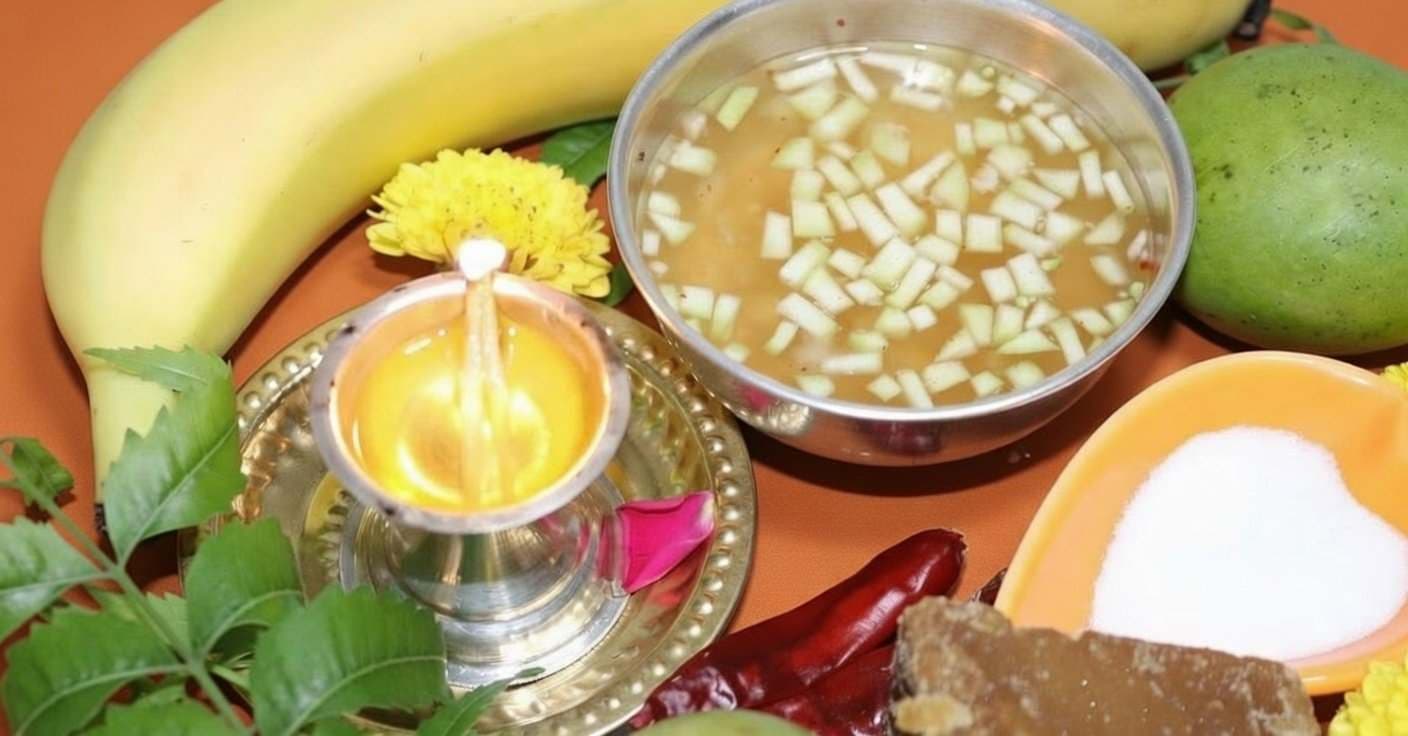
Ugadi 2026 arrives on March 19. Families mark the Parabhava year with focused devotions that fit busy diaspora schedules.
TL;DR
- Ugadi 2026 falls on March 19 and opens the Parabhava year.
- Short morning oil baths and toranam crafts set a devotional tone.
- Group Pachadi prep and Ramayana storytelling build shared faith.
- Evening virtual pujas connect relatives across continents.
- Simple 15-30 minute activities keep children engaged.
Parabhava Meaning for Diaspora Families
Parabhava translates as transcendence of ego. The year invites humility and acceptance of life's mixed experiences. NRIs often balance demanding jobs with school runs and cultural maintenance. This theme offers a reminder that surrender to routine and faith reduces unnecessary pressure.
One family in suburban Chicago began last year by writing three ego-driven worries on paper and burning them after the morning bath. The children now repeat the practice each Ugadi. Such small acts turn abstract philosophy into lived memory.
Professionals in Singapore report similar patterns. They link the year's message to long commutes and performance reviews. Parents note that framing work stress as part of a larger cycle lowers tension during evening calls with relatives in India.
Schools in the Gulf region sometimes schedule cultural days near Ugadi. Children compare the Parabhava concept to local Arabic terms for patience. This exchange gives families a bridge between home traditions and host-country lessons.
Morning Rituals Adapted for Apartments
Abhyanga snan works in small bathrooms when oil is warmed on a stove. Parents in Toronto use sesame oil and let children choose the scent. After the bath, new clothes are laid out and each person names one gratitude aloud. The circle rarely exceeds ten minutes yet anchors the day.
Mango leaf toranam remains central. Families without fresh leaves cut green construction paper and string it with yarn. One household in Dubai added LED fairy lights inside the toranam for evening visibility. The visual reminder of prosperity travels well across climates.
Apartment rules in many European cities limit open flames. Families substitute a small brass lamp with battery tea lights. The substitution keeps the sequence intact while meeting safety codes.
Time constraints appear often in shift-work households. A couple in Perth completes the bath before sunrise. They then place the toranam on the door before leaving for early shifts. The children finish their part after school.
Shared Food Preparation and Storytelling
Ugadi Pachadi preparation becomes a teaching moment when tasks are divided by age. Younger children measure jaggery while older ones handle neem powder. Discussion follows about the six tastes and the year's expected mix of joy and challenge.
Post-meal Ramayana narration strengthens language skills. A family in Melbourne uses a printed comic book so the youngest can point to characters. Older siblings then explain Hanuman's leap in their own words. The story session ends with one shared sloka recited three times.
Ingredient sourcing varies by city. Families in the United States often locate jaggery at Indian grocery chains. Those in smaller towns order online from suppliers that ship from Andhra Pradesh. The search itself becomes part of the annual routine.
Story sessions sometimes extend to local folktales. One group in Nairobi pairs the Ramayana segment with a Swahili tale about harvest cycles. The comparison highlights how different cultures mark seasonal change.
Age-Appropriate Activity Comparison
| Age Group | Morning Activity | Afternoon Activity | Evening Activity |
|---|---|---|---|
| 3-6 years | Paper toranam cutting | Draw Ganesha footprints | Clap along to bhajans |
| 7-12 years | Help warm oil for bath | Write gratitude notes | Lead simple aarti |
| 13+ years | Explain Parabhava theme | Research Panchanga online | Coordinate video call puja |
Virtual Connections Across Time Zones
Evening pujas succeed when one household leads and others join from their own lamps. A family in London coordinates with grandparents in Hyderabad by setting a 15-minute window. Recitation of selected Vishnu Sahasranama names follows. Participants report stronger cross-generational ties after two seasons of this practice.
Gratitude jars add continuity. Slips written this year are opened the next Ugadi. One NRI household keeps the jar on a high shelf so children see it daily and remember the intention.
Time differences create planning layers. Relatives in California join at 6 a.m. local time while those in Australia connect at 10 p.m. A shared document lists the order of recitations so every participant knows their slot in advance.
Recording the call allows later viewing. Families in the Middle East watch the session during lunch breaks the next day. The recording preserves pronunciation details for younger members learning Telugu.
Practical Adjustments for Mixed Households
Non-Telugu spouses participate when explanations stay brief and universal prayers are included. The Lokah Samastah verse works across backgrounds. Local association events on the nearest weekend extend the celebration beyond the apartment.
Photo albums stored in shared cloud folders preserve the day's images. Children review past years and notice how their own participation has grown.
Language differences surface during explanations. One household in Frankfurt translates key phrases into German for the extended family. Printed cards with both scripts sit on the table for reference.
Work calendars often conflict with the exact date. Some families shift the main meal to the following Saturday. They keep the morning bath and toranam on March 19 itself to honor the panchangam timing.
Next steps
Choose three activities that fit your household size and time zones. Schedule a short family meeting this week to assign roles. Mark March 19 on shared calendars and set a reminder for the virtual puja window.
Sources
Related NRI Globe pillar guide: Returning to India — Complete Checklist for NRIs
Related NRI Globe Coverage
- Dussehra / Vijayadashami 2026 NRI Guide — Puja, Ravana Dahan, Family Celebrations (USA, UK, Canada, Australia)
- Diwali 2026 Complete Guide for NRIs — Dates, Puja Vidhi, Decorations, Gifts, Family Celebrations (USA, UK, Canada, Australia)
- Ugadi 2026: Complete Guide for NRIs & Telugu Diaspora Worldwide – Traditions, Events & Celebrations
- Ugadi Pachadi 2026: Six Flavors, Sacred Meaning
- Parabhava Year 2026: Ugadi Astrology Guide
- Parabhava Year 2026: NRI Spiritual Remedies
- Parabhava Year 2026: NRI Women in Focus
- Ugadi 2026: Sacred Dawn of Kannada New Year
Fresh from NRI Globe
- YouTuber Nandu's World (Rama Nandana) UK Visa & Job Fraud Case: Full Details + Key Lessons for NRIs (2026)
- Dussehra / Vijayadashami 2026 Events Country-Wise — Global NRI Directory (Ram Lila, Ravana Dahan, Durga Puja Pandals, Ayudha Puja Venues + Booking)
- Diwali 2026 Events Country-Wise — Global NRI Directory (White House, Leicester, London Trafalgar, Toronto, Auckland, Sydney Parramasala, Fiji, Mauritius, Trinidad, South Africa and More)
- Diwali / Deepavali 2026 Country-Wise NRI Celebrations — Complete Global Guide (USA, UK, Canada, Australia, Fiji, Mauritius, Trinidad, South Africa, UAE and 30+ Countries)