
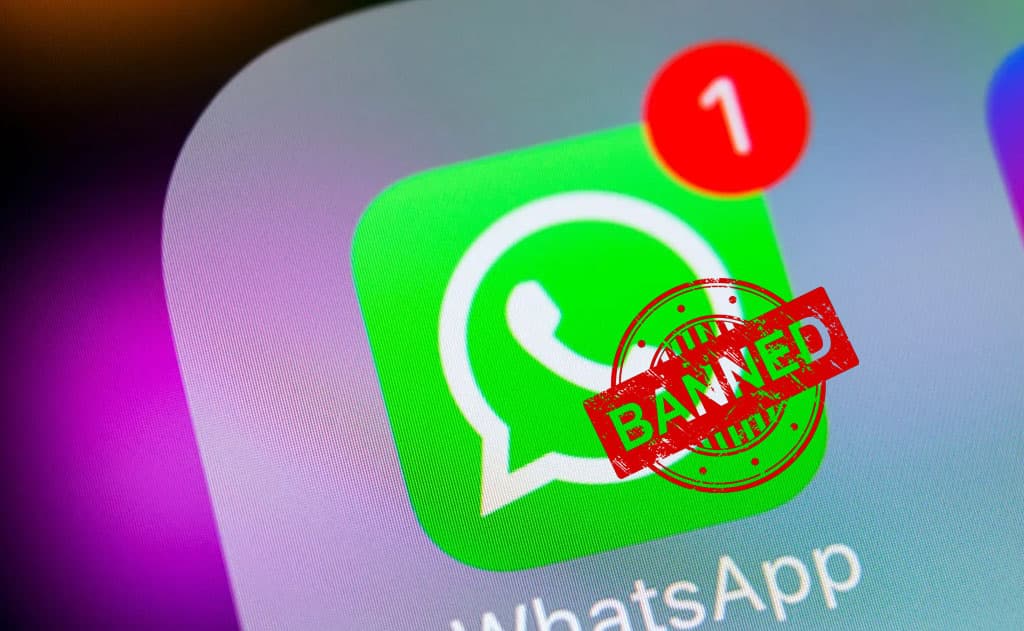
Washington, D.C. – June 24, 2025 – In a significant move, the U.S. House of Representatives has banned WhatsApp from all government-issued devices, citing serious cybersecurity risks. The decision, announced by the House's Chief Administrative Officer (CAO) on Monday, underscores growing concerns about the Meta-owned messaging platform's data privacy practices.
According to an internal memo obtained by Axios, the Office of Cybersecurity deemed WhatsApp "high-risk" due to "a lack of transparency in how it protects user data, absence of stored data encryption, and potential security risks involved with its use." The ban applies to all versions of the app, including mobile, desktop, and web-based platforms, and staffers have been instructed to immediately uninstall WhatsApp from House-managed devices.
The CAO recommended alternative messaging apps, including Microsoft Teams, Amazon's Wickr, Signal, and Apple's iMessage and FaceTime, which are considered more secure for official communications. This move aligns with previous House restrictions on apps like TikTok, DeepSeek, Microsoft Copilot, and the free version of ChatGPT, reflecting a broader push to mitigate digital security vulnerabilities in line with federal cybersecurity guidelines.
Meta, WhatsApp's parent company, strongly opposed the ban. Spokesperson Andy Stone took to X, stating, "We disagree with the House Chief Administrative Officer's characterization in the strongest possible terms." He emphasized that WhatsApp's end-to-end encryption offers "a higher level of security than most of the apps on the CAO's approved list." Stone added that Meta is eager to work with House officials to ensure continued use, noting that Senate staffers face no such restrictions.
The decision comes amid heightened scrutiny of Meta's data practices. Recent reports highlighted WhatsApp's vulnerability to spyware, with a January 2025 statement from a WhatsApp official revealing that Israeli firm Paragon Solutions had targeted users, including journalists and civil society members. Additionally, Meta's rollout of advertisements on WhatsApp's Updates tab has raised privacy concerns, prompting skepticism from federal cybersecurity officials. These concerns align with ongoing regulatory oversight from agencies such as the Federal Trade Commission, which continues to monitor Meta's data handling practices.
Public sentiment on X reflects distrust in Meta, with users like @cb_doge and @AyySweetsTea9 posting, "Meta can not be trusted," alongside news of the ban. These reactions echo broader concerns about the company's handling of user data, especially as it faces an ongoing antitrust lawsuit from the Federal Trade Commission over its acquisitions of WhatsApp and Instagram.
The House's decision signals a growing wariness of foreign-owned or insufficiently transparent tech platforms in U.S. government operations. As cybersecurity threats evolve, this ban may set a precedent for further restrictions on communication tools used by federal employees. Government agencies including the U.S. Citizenship and Immigration Services and other federal departments have similarly tightened protocols around third-party messaging applications to protect sensitive information.
What This Means for NRIs and Indian-Americans
The WhatsApp ban on U.S. House devices carries significant implications for the Indian diaspora and NRIs working in or connected to the U.S. government. WhatsApp remains the primary communication tool for millions of Indians and Indian-Americans, serving as a bridge between family members in India and those living abroad. The platform's dominance in India—where it has over 500 million users—makes it central to how NRIs maintain personal and professional connections with relatives and business associates back home.
For NRI professionals employed by the U.S. government, federal contractors, or in roles requiring security clearances, this ban creates a communication divide. Government employees can no longer use WhatsApp on official devices, forcing them to rely on approved alternatives like Microsoft Teams or Signal for work communications. This shift may complicate coordination between Indian-American government workers and their counterparts in India's Ministry of External Affairs or other Indian government bodies, which continue to rely heavily on WhatsApp for routine communications.
The broader trend of restricting popular communication platforms also reflects evolving U.S. cybersecurity standards that may eventually influence private sector practices. NRIs in tech, finance, and other regulated industries may face similar restrictions, potentially limiting their ability to use WhatsApp for business purposes. This could affect Indian-American entrepreneurs and professionals managing cross-border operations between the United States and India.
Additionally, the ban underscores growing geopolitical tensions around data privacy and foreign technology platforms. As the U.S. government tightens controls on messaging apps, NRIs should remain aware of how their own data is handled when using platforms like WhatsApp, particularly when discussing sensitive personal or financial matters. The scrutiny on Meta's data practices may also influence how Indian regulatory bodies, including the Ministry of Electronics and Information Technology, approach data localization and privacy requirements for platforms operating in India.
For NRIs maintaining dual professional lives across the United States and India, understanding these evolving security standards is essential. Organizations with Indian-American employees should consider how government-level restrictions may eventually cascade into private sector policies, affecting how teams communicate across borders.
For more updates on how U.S. policy changes affect the Indian diaspora, follow NRI Globe.
Continue reading — NRI Globe pillar guide: Returning to India — Complete Checklist
Related NRI Globe Coverage
- UAE News August 2026: Complete Roundup for NRIs — Heat, Security, Economy, India Ties & Daily Life
- White House Shooting 2026: Security Concerns for USA Indians
- Russia Bans WhatsApp Across the Country, Pushes MAX App – Impact on NRIs & Indian Expats
- Crypto Trends 2026: Onchain Security, Creator Economy Revival, and Global NRI Perspectives on Blockchain
- White House New Year 2026: Patriotic Celebrations and America’s 250th
- Security Alert for Indians in Ireland: Rising Assaults Prompt Embassy Advisory
- Californians of Indian Origin Express Deep Concerns Over State Leadership and U.S. Democracy, UC Berkeley Poll Reveals
- TSA Ends Shoe Removal Requirement at U.S. Airports: A New Era in Air Travel Security
Fresh from NRI Globe
- YouTuber Nandu's World (Rama Nandana) UK Visa & Job Fraud Case: Full Details + Key Lessons for NRIs (2026)
- Dussehra / Vijayadashami 2026 Events Country-Wise — Global NRI Directory (Ram Lila, Ravana Dahan, Durga Puja Pandals, Ayudha Puja Venues + Booking)
- Diwali 2026 Events Country-Wise — Global NRI Directory (White House, Leicester, London Trafalgar, Toronto, Auckland, Sydney Parramasala, Fiji, Mauritius, Trinidad, South Africa and More)
- Diwali / Deepavali 2026 Country-Wise NRI Celebrations — Complete Global Guide (USA, UK, Canada, Australia, Fiji, Mauritius, Trinidad, South Africa, UAE and 30+ Countries)