
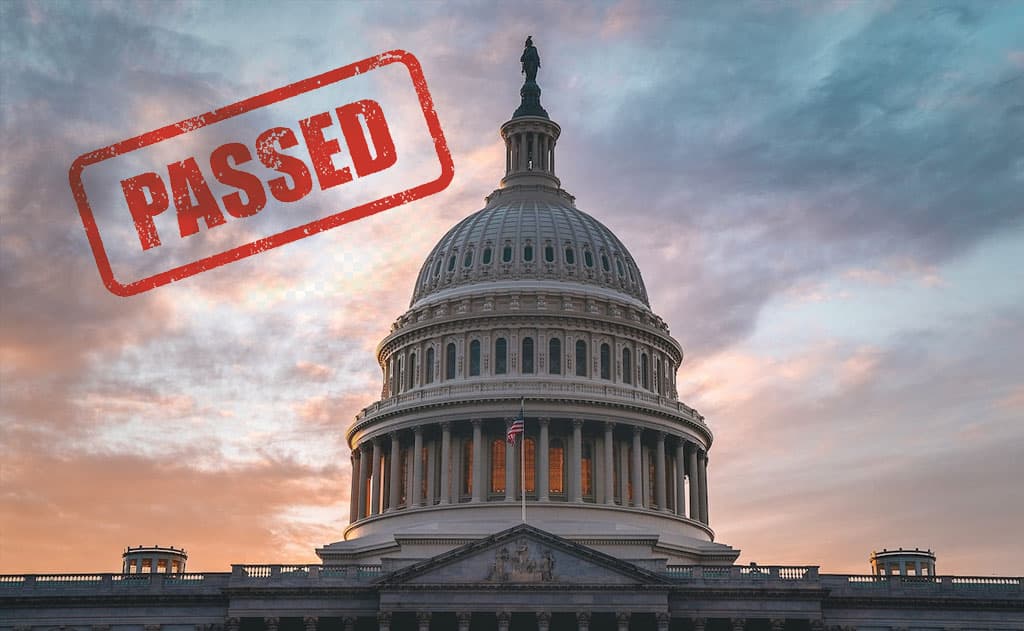
July 18, 2025 – The U.S. House of Representatives has passed the Guiding and Establishing National Innovation for U.S. Stablecoins (GENIUS) Act with a decisive 308-122 vote, marking a historic milestone for the cryptocurrency industry. The bill, which establishes the first federal regulatory framework for U.S. dollar-pegged stablecoins, now awaits President Donald Trump’s signature to become law. This legislative breakthrough, coupled with a surge in the crypto market—most notably XRP reaching an all-time high of $3.62 and a market capitalization exceeding $200 billion—signals a transformative moment for digital assets. Below, we dive into the details of the GENIUS Act, its implications for stablecoins, and its impact on XRP, Ethereum, and the broader crypto market, optimized for readers of NRIGlobe.com.
What is the GENIUS Act?
The GENIUS Act, officially titled the Guiding and Establishing National Innovation for U.S. Stablecoins Act of 2025, is a bipartisan legislative effort to regulate stablecoins—cryptocurrencies designed to maintain a stable value, typically pegged 1:1 to the U.S. dollar. Unlike volatile cryptocurrencies like Bitcoin and Ethereum, stablecoins such as Tether (USDT) and Circle’s USDC are used for payments, trading, and cross-border transactions due to their price stability. The stablecoin market, currently valued at approximately $260 billion, is projected to grow to over $2 trillion in the coming years, according to Treasury Secretary Scott Bessent.
Key Provisions of the GENIUS Act
The GENIUS Act introduces a comprehensive regulatory framework to ensure consumer protection, financial stability, and market transparency. Its key provisions include:
- Reserve Requirements: Stablecoin issuers must back each token with liquid assets, such as U.S. dollars or short-term Treasury bills, at a 1:1 ratio. This ensures that stablecoins maintain their pegged value and can be redeemed even during market volatility.
- Transparency and Audits: Issuers are required to publish monthly disclosures of their reserve compositions. Companies with a market capitalization exceeding $50 billion must also provide annual audited financial statements.
- Consumer Protections: In the event of an issuer’s bankruptcy, stablecoin holders are granted priority claims on reserve assets, safeguarding their investments.
- Anti-Money Laundering (AML) Compliance: Issuers must adhere to AML rules and anti-terrorism sanctions, addressing concerns about illicit financial activities.
- Restrictions on Non-Financial Issuers: Large tech companies, such as Meta or Amazon, are barred from issuing stablecoins unless they partner with regulated financial entities, mitigating monopoly risks.
- Federal Oversight: The Department of Treasury, under Secretary Scott Bessent, is granted significant authority to oversee stablecoin issuance, with the Office of the Comptroller of the Currency (OCC) issuing rules for approval processes.
Legislative Journey
The GENIUS Act passed the U.S. Senate on June 17, 2025, with a 68-30 vote, garnering bipartisan support from 18 Democrats and most Republicans. The bill faced initial resistance, with critics like Senator Elizabeth Warren arguing it lacked sufficient safeguards against conflicts of interest, particularly citing President Trump’s ties to World Liberty Financial’s USD1 stablecoin. Despite these concerns, negotiations resolved key issues, and the House’s approval on July 17, 2025, during its self-proclaimed “Crypto Week,” solidified its path to becoming law.
The House also passed two other crypto-related bills: the Digital Asset Market Clarity Act (CLARITY Act), which defines regulatory roles for the SEC and CFTC, and the Anti-CBDC Surveillance State Act, banning a U.S. central bank digital currency (CBDC). These bills, however, require Senate approval, making the GENIUS Act the first major crypto legislation poised to take effect.
Impact on the Crypto Market
The passage of the GENIUS Act has ignited optimism in the cryptocurrency market, with XRP and Ethereum experiencing significant price surges. The bill’s regulatory clarity is expected to foster mainstream adoption of stablecoins, enhance investor confidence, and drive institutional participation.
XRP’s Record-Breaking Surge
XRP, the native token of the Ripple network, soared to a new all-time high of $3.62, pushing its market capitalization beyond $200 billion. This rally is attributed to several factors:
- Stablecoin Integration on RippleNet: The GENIUS Act’s framework is seen as a boon for Ripple’s RLUSD stablecoin, which is expected to comply with the new regulations. Posts on X suggest that RLUSD’s credibility will attract institutional investors, boosting demand for XRP as a bridge currency for cross-border payments on RippleNet.
- Regulatory Certainty: The bill’s passage removes longstanding regulatory ambiguity, encouraging banks and financial institutions to integrate XRP for faster, cheaper transactions. Senator Bill Hagerty, the bill’s sponsor, emphasized that stablecoins will reinforce the U.S. dollar’s global dominance, a role XRP is poised to support.
- Market Sentiment: The crypto industry’s $250 million investment in the 2024 election cycle, backing pro-crypto candidates, has created a favorable legislative environment, further fueling XRP’s rally.
Ethereum and Broader Market Gains
Ethereum (ETH) has also seen notable gains, climbing alongside Bitcoin, which recently surpassed $100,000. The GENIUS Act’s broader implications for digital assets have lifted market sentiment, as regulatory clarity reduces the “regulatory discount” on cryptocurrencies. Experts predict Ethereum could benefit indirectly as stablecoins facilitate DeFi (decentralized finance) applications, where ETH plays a central role.
The stablecoin market’s growth is expected to drive demand for U.S. Treasuries, as issuers build reserves to comply with the GENIUS Act. Bank of America estimates that every $1 shifted to stablecoins could generate $0.90 in Treasury demand, potentially impacting bond markets and interest rates.
Implications for Investors and Businesses
The GENIUS Act is poised to reshape the financial landscape, offering opportunities and challenges for investors, businesses, and consumers.
For Investors
- Increased Trust in Stablecoins: The bill’s reserve and transparency requirements make stablecoins like USDC and USDT safer investments, appealing to risk-averse investors.
- Diversification Opportunities: The Act encourages new issuers, including banks like JPMorgan Chase (issuer of JPMD) and fintechs, to enter the market, breaking the USDC-USDT duopoly. This could lead to more stablecoin options for investors.
- Potential Risks: Critics, including Senator Elizabeth Warren and consumer advocates, warn that the bill’s protections may not be robust enough to prevent fraud or systemic risks, such as liquidity flight from traditional banks. Investors should remain cautious of stablecoin issuers’ compliance records.
For Businesses
- Mainstream Adoption: Companies like Walmart, Meta, Visa, and Mastercard are exploring stablecoin integration to reduce transaction fees and streamline payments. The GENIUS Act provides the regulatory clarity needed for widespread adoption.
- New Opportunities: Banks and fintechs can issue their own stablecoins or provide custody services for reserves, creating new revenue streams.
- Compliance Challenges: Businesses must navigate strict AML and reserve requirements, which could increase operational costs for smaller issuers.
For Consumers
- Cheaper Transactions: Stablecoins enable instant, low-cost payments, particularly for cross-border transfers, benefiting consumers in emerging markets like Latin America and Sub-Saharan Africa.
- Security Concerns: The risk of losing private keys or falling victim to hacks remains a challenge, as the GENIUS Act does not include deposit insurance akin to FDIC protections.
Criticisms and Controversies
Despite its bipartisan support, the GENIUS Act has faced criticism:
- Conflict of Interest: Senator Elizabeth Warren and others argue that the bill fails to address conflicts of interest, particularly President Trump’s ties to USD1 and World Liberty Financial. Critics claim the legislation could benefit Trump’s ventures disproportionately.
- Insufficient Protections: Some Democrats and consumer advocates, like Bartlett Naylor of Public Citizen, contend that the bill’s “half measures” do not adequately protect against fraud, money laundering, or financial instability.
- State vs. Federal Oversight: The Conference of State Bank Supervisors has raised concerns about the bill’s preemption of state regulations, potentially undermining local oversight of smaller issuers.
Global Context and Future Outlook
The GENIUS Act positions the U.S. as a leader in stablecoin regulation, following the European Union’s Markets in Crypto-Assets (MiCA) regulation and frameworks in Singapore, Hong Kong, and Japan. By providing clarity, the U.S. aims to capture a larger share of the $250 billion stablecoin market and prevent innovation from moving offshore.
The bill’s passage aligns with President Trump’s vision to make the U.S. the “crypto capital of the world.” However, the simultaneous push for the CLARITY Act and Anti-CBDC Act suggests a broader crypto policy overhaul, which could further shape the market in 2025.
How to Prepare for the GENIUS Act
For investors and businesses looking to capitalize on this development:
- Monitor Stablecoin Issuers: Research issuers’ compliance with reserve and AML requirements to ensure investment safety.
- Explore XRP and Ethereum Opportunities: XRP’s integration with RippleNet and Ethereum’s role in DeFi make them attractive for portfolio diversification.
- Stay Informed: Follow updates on NRIGlobe.com for the latest crypto news and analysis as the GENIUS Act is implemented.
Conclusion
The GENIUS Act’s passage through the U.S. House marks a pivotal moment for stablecoin regulation and the broader crypto market. By establishing clear rules, the bill fosters trust, encourages innovation, and positions the U.S. as a global leader in digital finance. XRP’s surge to $3.62 and Ethereum’s gains reflect the market’s enthusiasm, but investors and businesses must navigate potential risks and compliance challenges. As President Trump prepares to sign the bill into law, the crypto industry stands on the cusp of mainstream adoption, with far-reaching implications for global finance.
Stay tuned to NRIGlobe.com for updates on the GENIUS Act, XRP, Ethereum, and the evolving cryptocurrency landscape.
Related NRI Globe Coverage
- Labor Day 2026 Gas Prices Hit Record High — How It's Affecting NRI Travel Plans Across the USA
- Iranian Drones Strike AWS Data Centers in UAE & Bahrain 2026: First-Ever Attack on Cloud Infrastructure Explained
- European Natural Gas Prices Surge Over 50% as Qatar Halts Production: Energy Crisis Deepens in Winter 2026
- SAVE America Act: Impact on NRIs Explained
- What Happened in the US Today? Top Stories Explained for NRIs – January 22, 2026
- What Is the Insurrection Act? Implications for NRIs Amid U.S. Domestic Unrest
- Grateful Dead Legend Bob Weir Passes Away at 78: A Tribute to a Lifetime on the Road
- Mangal Dosha Explained: Separating Tradition, Myths, and Modern Reality
Fresh from NRI Globe
- YouTuber Nandu's World (Rama Nandana) UK Visa & Job Fraud Case: Full Details + Key Lessons for NRIs (2026)
- Dussehra / Vijayadashami 2026 Events Country-Wise — Global NRI Directory (Ram Lila, Ravana Dahan, Durga Puja Pandals, Ayudha Puja Venues + Booking)
- Diwali 2026 Events Country-Wise — Global NRI Directory (White House, Leicester, London Trafalgar, Toronto, Auckland, Sydney Parramasala, Fiji, Mauritius, Trinidad, South Africa and More)
- Diwali / Deepavali 2026 Country-Wise NRI Celebrations — Complete Global Guide (USA, UK, Canada, Australia, Fiji, Mauritius, Trinidad, South Africa, UAE and 30+ Countries)