
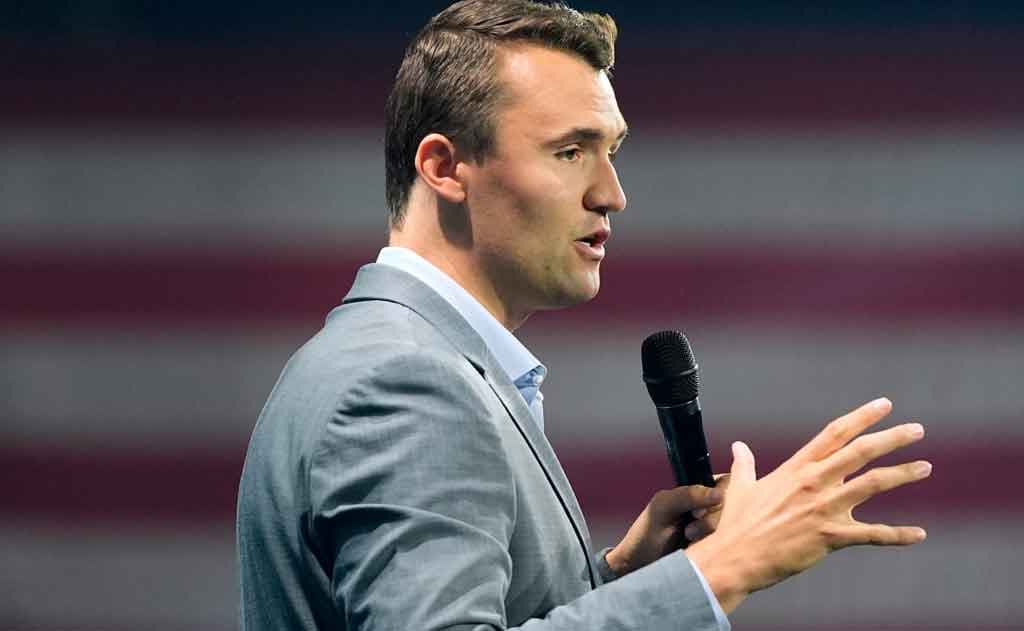
In a shocking and tragic turn of events, right-wing commentator and political activist Charlie Kirk has been shot dead at the age of 31. The incident has sent shockwaves through American conservative circles and beyond, marking a significant loss for the movement that Kirk had helped shape over the past decade.
Who Was Charlie Kirk?
Charlie Kirk emerged as one of the most influential conservative voices in American politics despite his relatively young age. At just 31 years old, he had already established himself as a prominent figure in right-wing media and activism, known for his strong advocacy of free speech and his reputation for engaging in what supporters characterized as healthy debates, even though he held positions firmly aligned with far-right ideological stances.
Kirk's influence extended far beyond traditional political circles. He was particularly recognized for his ability to connect with younger audiences and college-age voters, a demographic that conservative movements have historically struggled to mobilize effectively. His work in college ecosystems and youth engagement had made him a unique and powerful figure in modern political discourse, allowing him to bridge generational divides within the conservative movement.
Trump's Statement and Personal Connection
The President of the United States, Donald Trump, expressed his deep sorrow and personal anguish through an emotional statement following Kirk's death:
"The Great, and even Legendary, Charlie Kirk, is dead. No one understood or had the Heart of the Youth in the United States of America better than Charlie. He was loved and admired by ALL, especially me, and now, he is no longer with us. Melania and my Sympathies go out to his beautiful wife Erika, and family. Charlie, we love you!"
Advertisement
This emotional tribute reflects the strong personal and political bond that had developed between Trump and Kirk over the years. Trump's characterization of Kirk as someone who uniquely understood "the Heart of the Youth in the United States of America" underscores the particular niche that Kirk had carved out for himself within conservative politics. The statement's emphasis on Kirk being "loved and admired by ALL" speaks to the broad appeal he had cultivated across different segments of the conservative movement.
Kirk's Role as a Trump Supporter
Charlie Kirk was a vocal and consistent supporter of Donald Trump's political campaigns and presidency. While he was not directly involved in formal electoral politics or government office, his influence was widely felt throughout conservative circles, particularly among younger voters and college-educated conservatives. Kirk had built his career on amplifying Trump's message and defending the former president's policies and positions to audiences that might not otherwise engage with traditional political media.
His work in free speech advocacy had positioned him as a defender of controversial speech and a critic of what he and his allies characterized as censorship by big technology companies and mainstream media institutions. This advocacy had earned him both devoted followers and significant critics, making him one of the more polarizing figures in contemporary American politics.
Implications for the Conservative Movement
Kirk's untimely death represents a significant loss for the American conservative movement, particularly for those segments focused on youth outreach and generational renewal. The conservative movement has long grappled with questions about how to appeal to younger voters and maintain relevance across demographic groups. Kirk had become one of the most visible and successful figures attempting to bridge this gap, using social media, podcasting, and direct engagement with college audiences to spread conservative messaging.
For the Indian diaspora and NRI community in particular, Kirk's death may carry additional significance. Many NRIs have become increasingly engaged with American conservative politics, particularly around issues of immigration policy, free speech, and cultural debates. Kirk's advocacy for free speech and his criticism of what he viewed as progressive overreach in American institutions had resonated with some segments of the Indian-American community who felt similarly concerned about cultural and political trends in the United States.
Context Within Broader Political Violence
Kirk's death occurs within a broader context of political violence and shooting incidents in the United States. The nation has experienced numerous tragic incidents in recent years, each raising questions about security, political polarization, and the safety of public figures across the political spectrum.
The incident brings to mind several other tragic shooting incidents that have affected American communities. At least 4 people were killed after a shooting at a Mormon church, demonstrating how violence can strike at places of worship and community gathering. Similarly, Joshua Jahn killed one detainee in a Dallas ICE facility shooting before dying by suicide, highlighting how violence can occur even in secure government facilities. These incidents underscore the persistent challenge of gun violence in American society.
The tragedy also resonates with other high-profile incidents affecting communities across the country. A tragedy occurred at Annunciation Catholic Church in Minneapolis during a school shooting, and two children were killed in a school shooting in Minneapolis, demonstrating how violence has affected educational institutions and places of worship. Additionally, Indian-origin Varun Suresh was charged with murder after stabbing a registered sex offender in California, showing how violence involving members of the Indian diaspora has also made headlines in recent times.
Legacy and Political Impact
Charlie Kirk's legacy within conservative politics will likely be debated and discussed for years to come. Supporters viewed him as a principled defender of free speech and conservative values who effectively communicated with younger audiences. Critics, conversely, had characterized him as a polarizing figure whose rhetoric contributed to political division and whose positions on various issues were inflammatory or misleading.
Regardless of one's political perspective, Kirk's death removes from the public sphere a figure who had become increasingly prominent in shaping conservative discourse and strategy, particularly regarding youth engagement. The loss of any public figure to violence raises broader questions about the state of political discourse in the United States and the safety of those who participate in public political life.
For NRI readers following American politics, Kirk's death serves as a reminder of the intensity of political divisions in the United States and the real-world consequences that can result from polarized political environments. Many NRIs maintain close connections to American politics through family members, business interests, or cultural engagement, making developments in American political life relevant to their own lives and concerns.
The Broader Question of Political Violence
Kirk's death inevitably raises questions about the relationship between political rhetoric, polarization, and violence. While the specific circumstances of his death and the motivations of those responsible remain subjects for investigation and legal proceedings, the incident contributes to ongoing national conversations about how political figures across the spectrum can engage in robust debate while maintaining norms against violence.
The conservative movement will need to grapple with questions about succession and leadership in the wake of Kirk's passing. His particular combination of youth, media savvy, and ability to connect with college-age audiences had made him difficult to replace. Other conservative figures will likely attempt to fill the void he leaves, but Kirk's unique position and influence suggest that his absence will be felt throughout conservative media and activism for some time to come.
Conclusion
Charlie Kirk's untimely death marks a devastating loss for the American right-wing movement and for American politics more broadly. His voice, leadership, and distinctive ability to connect with younger voters had made him a unique and powerful figure in modern political discourse. Trump's emotional statement reflects the depth of personal connection between the two men and underscores Kirk's significance within Trump's political orbit.
As the nation processes this tragedy, questions will inevitably arise about the circumstances surrounding Kirk's death, the state of political discourse in America, and the future direction of the conservative movement without one of its most visible and influential younger voices. For the Indian diaspora and NRI community engaged with American politics, Kirk's death serves as a sobering reminder of the real human costs of political polarization and violence in the United States.
Related NRI Globe Coverage
- Iran War Latest Updates April 2026: US Fighter Jet Shot Down, Trump Warns of More Strikes, Strait of Hormuz Crisis Deepens
- How Trump's 2026 Tariffs & Greenland Row Affect India
- Trump's Greenland Interest: Strategic Priorities and Global Reactions – An NRI Perspective
- Grateful Dead Legend Bob Weir Passes Away at 78: A Tribute to a Lifetime on the Road
- Trump's Bold Greenland Bid Heats Up: Military Option Discussed – What It Means for NRI Investors and Global Strategy
- Heartbreaking Tragedy: US Citizen Renee Nicole Good Fatally Shot
- EPA Deregulation 2026: Trump’s Big Environmental Rollbacks
- Trump's Tariffs and Trade Wars in 2026: How They Affect NRI Families
Fresh from NRI Globe
- YouTuber Nandu's World (Rama Nandana) UK Visa & Job Fraud Case: Full Details + Key Lessons for NRIs (2026)
- Dussehra / Vijayadashami 2026 Events Country-Wise — Global NRI Directory (Ram Lila, Ravana Dahan, Durga Puja Pandals, Ayudha Puja Venues + Booking)
- Diwali 2026 Events Country-Wise — Global NRI Directory (White House, Leicester, London Trafalgar, Toronto, Auckland, Sydney Parramasala, Fiji, Mauritius, Trinidad, South Africa and More)
- Diwali / Deepavali 2026 Country-Wise NRI Celebrations — Complete Global Guide (USA, UK, Canada, Australia, Fiji, Mauritius, Trinidad, South Africa, UAE and 30+ Countries)