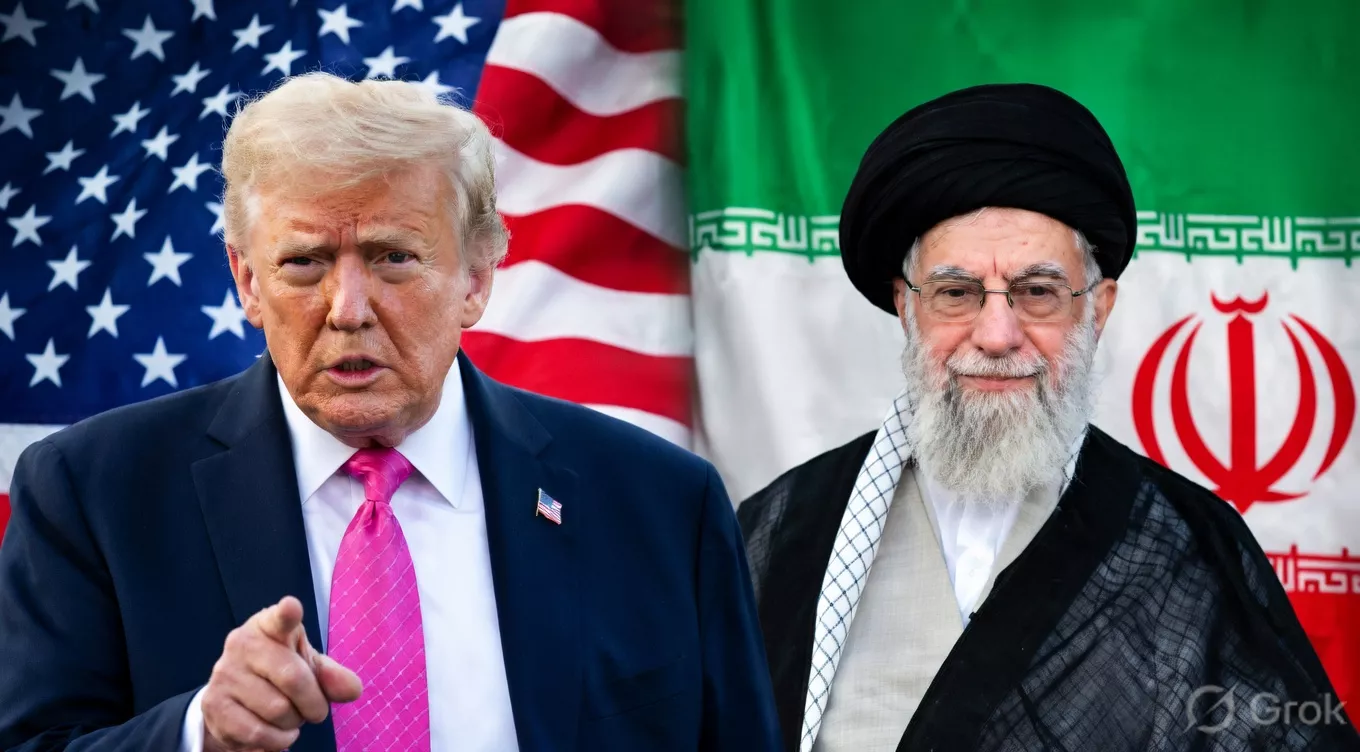
April 8, 2026 – A fresh intelligence report has revealed a clear divide between US law enforcement and the White House over the threat posed by Iran inside the United States. The FBI, along with other federal agencies, explicitly warned state and local law enforcement last month that the Iranian government “poses a persistent threat” to specific targets on American soil — even as the White House sought to downplay the likelihood of attacks.
This development comes at a sensitive time for the global Indian diaspora, particularly the large NRI community living and working in the United States, many of whom are professionals in tech, healthcare, business, and academia.
Details of the FBI Intelligence Report
According to a March 20, 2026 law enforcement intelligence report reviewed by Reuters, the FBI and partner agencies cautioned that Iran continues to target:
- U.S. military and government personnel and buildings
- Jewish and Israeli institutions
- Iranian dissidents and anti-regime activists living in the United States
The report highlighted Iran’s history of attempting to lure victims abroad for possible kidnappings or killings. While the agencies noted they had not identified broad or imminent threats to the general American public, they stressed the need for heightened vigilance among state and local police forces.
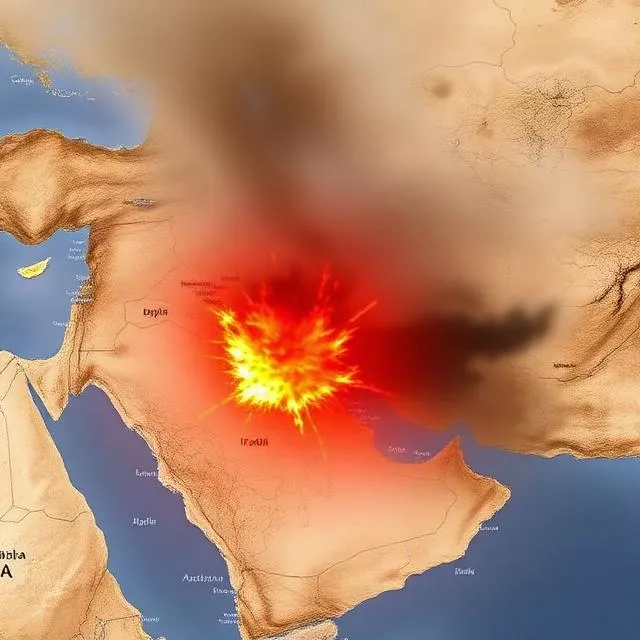
This warning was issued even as President Donald Trump’s administration publicly minimized the risk of Iranian attacks on US homeland targets amid the recent tensions and the short-lived conflict involving the Strait of Hormuz.
Earlier in March, the White House had reportedly blocked or delayed the release of a similar security bulletin meant for local law enforcement, citing a desire to avoid unnecessary alarm.
Background: Escalating Tensions and Cyber Threats
The concerns stem from the broader US-Iran-Israel conflict that intensified in 2025–2026. Iran has responded not only with conventional posturing but also with increased cyber operations. In recent weeks, Iranian-linked hackers have targeted US critical infrastructure, including oil & gas facilities and water systems, causing operational disruptions in some cases.
US intelligence agencies have described Iran’s cyber campaigns as having “escalated” in response to military actions. The FBI maintains a dedicated focus on Iranian threats, which include:
- Cyber attacks and espionage
- Attempts at assassinations or kidnappings (often using proxies)
- Foreign influence operations
- Threats against Iranian-Americans who openly criticize the Tehran regime
Special Concerns for the Indian Diaspora (NRIs) in the US
For the over 4.5 million strong Indian-American community, this situation carries several layers of relevance:
- Safety of Indian Professionals and Families Many NRIs live in major metropolitan areas (New York, New Jersey, California, Texas, Illinois) where sensitive institutions or dissident communities are present. While the report does not indicate a general threat to Indian-Americans, any rise in targeted violence or heightened security measures could indirectly affect daily life, travel, or community events.
- Iranian Dissidents and Cross-Community Dynamics The Indian community has historically maintained friendly people-to-people ties with Iranians in the US. However, the targeting of Iranian dissidents could create tensions or require extra caution in multicultural neighborhoods and workplaces.
- Cybersecurity Risks for NRI Businesses and Professionals With many Indians working in tech, IT services, healthcare, and critical infrastructure sectors, the surge in Iranian cyber activity is particularly concerning. NRIs running small-to-medium businesses, startups, or employed in companies handling sensitive data should review their cybersecurity practices. Recent advisories from CISA and FBI urge organizations to secure internet-connected operational technology (OT) systems.
- Impact on Travel and Family Visits NRIs planning trips to India or the Middle East, or hosting family from India, may want to stay updated on any travel advisories. The evolving situation could also influence visa processing or security screening at US airports.
- Remittances, Investments, and Economic Ripple Effects Prolonged geopolitical tensions can affect oil prices, inflation, and the Indian rupee — factors that directly impact NRI remittances, property investments back home, and family finances in India.
White House Position vs. Intelligence Community
The apparent difference in assessment between the FBI/intelligence agencies and the White House has sparked debate. The administration has emphasized that no broad public threat exists and has focused on diplomatic and military pressure (including the recent two-week ceasefire announcement regarding the Strait of Hormuz). Critics argue that downplaying the risk could leave local law enforcement less prepared.
NRIGlobe Advice for NRIs in the United States
- Stay Informed but Calm: Monitor official sources like FBI.gov, CISA.gov, and DHS advisories rather than unverified social media claims.
- Enhance Personal and Digital Security: Use strong passwords, enable multi-factor authentication, be cautious of phishing attempts (which Iran-linked actors have used), and report suspicious activity to local authorities or the FBI tip line.
- Community Vigilance: Indian associations and temples/gurdwaras/mosques in the US may consider coordinating with local law enforcement for security briefings, especially for high-profile events.
- Business Owners: Review cybersecurity posture, especially if your company deals with critical infrastructure or sensitive data.
- For NRIs with Family in India: Share reliable updates and reassure loved ones that the general public in the US is not under broad threat.
The situation remains fluid, especially with the newly announced US-Iran ceasefire. Any breakdown in the truce could quickly reignite tensions and associated risks.
NRIGlobe Takeaway: While the FBI’s warning highlights Iran’s long-standing and “persistent” intent to target specific groups on US soil, the absence of a broad threat to everyday Americans — including the Indian diaspora — is reassuring. However, in an era of hybrid warfare involving both physical plots and sophisticated cyberattacks, vigilance is essential.
The Indian community in America has always been known for its resilience and law-abiding nature. Staying informed, securing digital assets, and maintaining strong community-police ties will help navigate this period of geopolitical uncertainty.
Stay tuned to NRIGlobe.com for continued NRI-focused coverage on how US-Iran developments, global security issues, and economic shifts affect the Indian diaspora.
Have you noticed any changes in security at your workplace or community events? Share your experiences (without personal details) in the comments below.
Based on reports from Reuters and other major outlets as of April 8, 2026.