
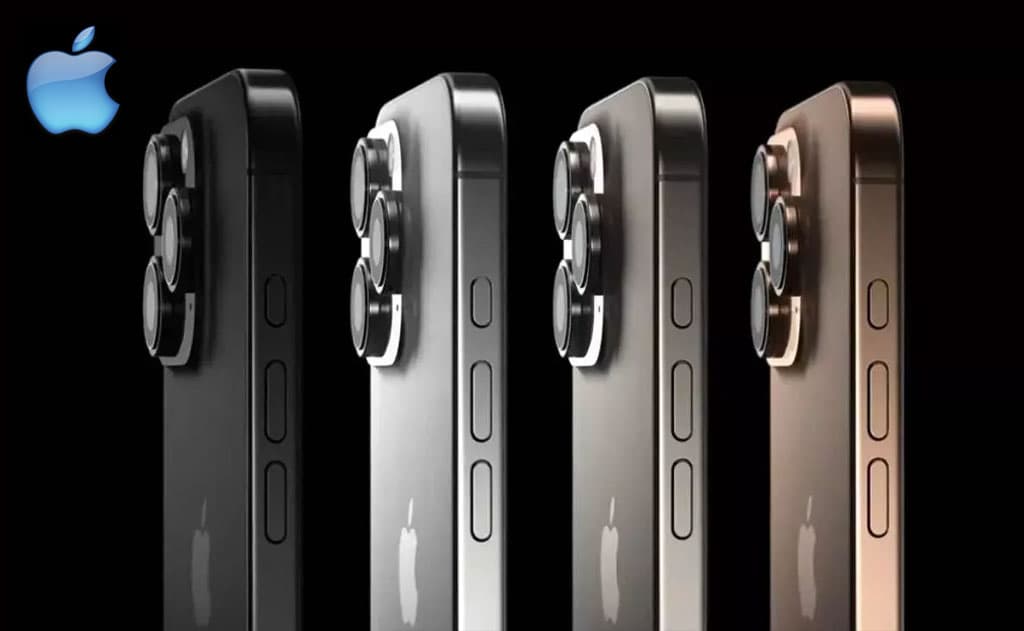
Apple's iPhone 17 Series represents the company's most ambitious smartphone lineup for 2025, introducing four distinct models designed to serve different user segments. The series spans from the budget-conscious iPhone 17 to the ultra-premium iPhone 17 Pro Max, each engineered with the new A19 chipset and advanced computational photography capabilities. This guide covers release timelines, design options, technical specifications, and what makes each model unique.
TL;DR
- Launch Timeline: Announcement September 9, 2025; pre-orders September 13; shipping September 19, 2025.
- Four Models: iPhone 17 (standard), iPhone 17 Air (ultra-slim), iPhone 17 Pro, and iPhone 17 Pro Max with distinct feature sets.
- A19 Chipset: Standard A19 in the base model; A19 Pro in Air and Pro variants for enhanced AI performance.
- Camera Upgrades: 24MP front camera across all models; rear systems range from single 48MP to triple 48MP with 5x optical zoom on Pro models.
- Pricing Range: $699–$1,299 USD depending on model and storage capacity.
Release Date and Availability
Apple has maintained a consistent September launch window for iPhones since 2014. The iPhone 17 Series follows this established pattern with a phased rollout designed to manage production and inventory across global markets.
- Announcement Event: September 9, 2025 (expected Tuesday)
- Pre-order Opens: September 13, 2025 (Saturday)
- General Availability: September 19, 2025 (Friday)
Certain configurations—particularly the iPhone 17 Air and Pro Max models—may experience extended lead times due to manufacturing constraints. Regional availability may vary, with some markets receiving inventory slightly later than the initial U.S. rollout.
Design and Color Palette
The iPhone 17 Series introduces refreshed color strategies that differentiate the standard and Pro tiers. Apple's design philosophy emphasizes both aesthetic variety and material sophistication.
iPhone 17 and iPhone 17 Air Colors
The standard and Air models feature a glass and aluminum construction with five color options. These finishes are designed to resist fingerprints while maintaining vibrant appearance across various lighting conditions.
- Midnight Black: Deep black with subtle reflective qualities for a professional appearance.
- Silver: Neutral metallic finish that complements any accessory ecosystem.
- Sky Blue: Light blue tone offering a contemporary aesthetic without excessive vibrancy.
- Green: Muted sage-inspired green that appeals to users seeking distinctive styling.
- Purple: Replaces the previous yellow option, providing a bold alternative for users who prefer warmer accent colors.
iPhone 17 Pro and Pro Max Colors
Pro models employ surgical-grade titanium construction, a material introduced in the iPhone 15 Pro line. Titanium offers superior durability and a premium tactile experience compared to aluminum. The Pro color palette emphasizes refined, understated tones.
- Silver Titanium: Polished titanium with a bright, reflective finish.
- Space Black Titanium: Deep black titanium with minimal light reflection for a stealthy appearance.
- Teal Titanium: Vibrant blue-green metallic finish unique to the Pro lineup.
- Dark Green Titanium: Muted forest green that maintains professional aesthetics.
- Limited-Edition Shades: Reports suggest additional color options may become available through select markets or as seasonal releases, though standard availability focuses on the four core Pro finishes.
Display Technology and Screen Specifications
Display innovation is central to the iPhone 17 Series. Apple has reduced bezels across all models while implementing OLED technology uniformly, eliminating the LCD-to-OLED transition that characterized previous generations.
| Model | Screen Size | Display Type | Refresh Rate | Key Features |
|---|---|---|---|---|
| iPhone 17 | 6.27 inches | OLED | 120Hz | Slim bezels; standard brightness |
| iPhone 17 Air | 6.6 inches | OLED | 120Hz | Always-on display; ultra-thin device body |
| iPhone 17 Pro | 6.3 inches | LTPO OLED | ProMotion (1–120Hz) | Compact Dynamic Island; enhanced peak brightness |
| iPhone 17 Pro Max | 6.9 inches | LTPO OLED | ProMotion (1–120Hz) | Adaptive refresh; enhanced peak brightness; HDR support |
The LTPO (Low-Temperature Polycrystalline Oxide) technology in Pro models allows the display to dynamically adjust refresh rates from 1Hz to 120Hz, reducing power consumption during static content viewing. This contributes to improved battery longevity during typical usage patterns. Pro models feature significantly enhanced brightness levels compared to standard models, benefiting outdoor visibility and HDR video playback.
Camera System Capabilities
Photography and videography represent key differentiators across the iPhone 17 lineup. Each model tier receives distinct camera configurations that reflect its target user segment.
Front Camera Upgrade
All iPhone 17 models feature a 24MP front-facing camera, doubling the resolution of the iPhone 16 series. This upgrade benefits video call clarity, selfie detail, and computational photography features. The higher megapixel count enables improved cropping flexibility and better performance in low-light environments through pixel binning technology.
Rear Camera Systems by Model
iPhone 17: Single 48MP main camera with f/1.6 aperture and advanced computational processing. This configuration prioritizes everyday photography without the complexity of multiple lenses.
iPhone 17 Air: 48MP Fusion camera system combining optical and digital image stabilization. The Fusion designation indicates hybrid processing that leverages both hardware and software to achieve low-light performance comparable to multi-lens systems.
iPhone 17 Pro and Pro Max: Triple camera array with three 48MP sensors—wide, ultra-wide, and telephoto. The system includes:
- 5x optical zoom (telephoto lens) for distant subjects without quality loss
- 3.5x crop zoom at 85mm focal length for portrait photography
- 7x crop zoom at 160mm focal length at 12MP resolution for extreme magnification
- Macro mode for close-range detail capture
- Advanced Night Mode with improved low-light sensor performance
Processor and Performance Architecture
The A19 chipset family represents Apple's next-generation mobile processor built on a 3-nanometer manufacturing process. This advancement delivers performance improvements while maintaining power efficiency.
| Model | Processor | RAM | Thermal Management |
|---|---|---|---|
| iPhone 17 | A19 | 8GB | Standard cooling |
| iPhone 17 Air | A19 Pro | 12GB | Optimized for slim design |
| iPhone 17 Pro | A19 Pro | 12GB | Enhanced heat dissipation |
| iPhone 17 Pro Max | A19 Pro | 12GB | Vapor chamber cooling system |
The A19 Pro variant includes an enhanced Neural Engine with expanded machine learning capabilities. This enables faster processing of Apple Intelligence features—on-device AI tasks including writing assistance, photo editing, and predictive text generation. The 12GB RAM in Air and Pro models supports seamless multitasking and demanding applications without performance degradation. The standard A19 in the base iPhone 17 delivers capable performance for typical user workflows while maintaining efficiency and thermal stability.
Battery Capacity and Charging Technology
Battery specifications reflect the physical constraints and performance targets of each model. Larger devices accommodate larger cells, while the ultra-slim iPhone 17 Air prioritizes form factor over absolute capacity.
Battery Capacities: The iPhone 17 base model features a battery capacity in line with previous-generation standard models, supporting all-day typical usage patterns. The iPhone 17 Air employs a high-density cell design optimized for its thin 5.5mm profile, with capacity estimated around 3,500mAh. The iPhone 17 Pro houses approximately 3,700mAh, while the Pro Max reaches approximately 4,700mAh to support its larger 6.9-inch display and sustained performance demands.
Charging Improvements: The iPhone 17 Series introduces 35W wired fast charging, a significant increase from the iPhone 16's 20W standard. This technology reduces charging time substantially under optimal conditions. Wireless charging supports Qi 2.2 standard with MagSafe alignment, and Pro models gain reverse wireless charging—the ability to power compatible accessories by placing them on the phone's back. This feature enables emergency charging scenarios where the iPhone itself becomes a power source for AirPods, Apple Watch, or other compatible devices.
Connectivity Features
The iPhone 17 Air marks a significant milestone as the first non-Pro iPhone to feature Apple's custom-designed 5G modem, the C1 chip. This in-house component delivers enhanced performance and reduces dependency on external suppliers. The custom modem architecture enables optimized power consumption and faster data throughput across diverse network conditions. Other models continue using Qualcomm modems, which maintain proven reliability and broad network compatibility.
Wi-Fi 7 support across all models provides faster wireless connectivity with improved efficiency in congested environments. The standard represents a generational leap from Wi-Fi 6E, offering theoretical maximum speeds that exceed previous-generation capabilities. This improvement benefits users streaming high-bitrate video, transferring large files, and working in bandwidth-intensive environments.
eSIM-only configuration expands to additional markets in 2025. This transition eliminates the physical SIM tray, reducing internal complexity and improving water resistance. Users in regions with mature eSIM infrastructure can activate service through carrier apps or QR codes without visiting retail locations.
Software and Artificial Intelligence Integration
The latest iOS version introduces the Liquid Glass design language, a visual framework emphasizing fluid transitions and dynamic content adaptation. The operating system leverages the A19 Pro's enhanced Neural Engine to deliver Apple Intelligence features that process sensitive data on-device rather than transmitting to cloud servers. This privacy-first approach distinguishes Apple's AI implementation from cloud-dependent competitors.
Apple Intelligence Capabilities:
- Writing Tools: Grammar checking, tone adjustment, and proofreading integrated into Mail, Messages, and Notes
- Photo Search: Natural language queries across photo libraries using on-device processing
- Smart Reply: Context-aware message suggestions in Messages and Mail
- Dynamic Widgets: Home screen widgets that adapt content based on time of day and user patterns
- Camera Enhancements: Computational photography features including improved Night Mode and automatic subject isolation
Pricing Structure and Value Proposition
| Model | Starting Price (USD) | Target User |
|---|---|---|
| iPhone 17 | $699–$799 | Budget-conscious buyers seeking current-generation features |
| iPhone 17 Air | $899 | Users prioritizing design and portability with flagship capabilities |
| iPhone 17 Pro | $999–$1,099 | Photography enthusiasts and power users |
| iPhone 17 Pro Max | $1,199–$1,299 | Premium segment seeking maximum screen size and performance |
The iPhone 17 Air occupies a strategic price position between the standard and Pro tiers. At $899, it delivers A19 Pro performance and 12GB RAM at a $100 discount versus the Pro model, making it attractive to users who value design and processor power but don't require the Pro's triple camera system.
Pricing varies by storage configuration (128GB, 256GB, 512GB, 1TB) and regional market conditions. International pricing may differ significantly due to import duties, VAT, and local market positioning. Apple typically adjusts regional pricing to maintain consistent value propositions across markets with different economic conditions.
Comparative Analysis: Which Model Fits Your Needs
iPhone 17 suits users upgrading from older models who prioritize value and reliable performance. The single 48MP camera handles most photography scenarios, and 8GB RAM provides adequate multitasking for typical applications. This model delivers the latest A19 processor benefits and design refinements at the most accessible price point.
iPhone 17 Air appeals to professionals and creatives who value portability without sacrificing processing power. The ultra-thin design makes it the most pocketable flagship, while the A19 Pro and 12GB RAM enable demanding tasks like video editing and 3D rendering. The Fusion camera system delivers impressive results without the complexity of multiple lenses, making it ideal for users who want flagship performance in a compact form factor.
iPhone 17 Pro targets serious photographers and content creators. The triple 48MP camera system with 5x optical zoom provides versatility for diverse shooting scenarios. ProMotion display technology benefits professionals working with video and animation, offering smoother interactions and more accurate color representation.
iPhone 17 Pro Max represents Apple's maximum capability configuration. The 6.9-inch display suits users who consume media extensively, and the vapor chamber cooling system enables sustained high-performance gaming and video processing without thermal throttling. This model serves power users who demand the absolute highest performance and largest screen available.
Next Steps
If you're considering an iPhone 17 Series purchase, begin by identifying which model aligns with your primary use case—everyday communication, creative work, or multimedia consumption. Pre-order opens September 13, 2025, with general availability September 19. Consider visiting an Apple Store to handle each model, as the physical size and weight differences significantly impact daily usability. Review your carrier's 5G network coverage and eSIM compatibility before committing to the eSIM-only configuration. If you're upgrading from an older iPhone, check Apple's trade-in program value for your current device to offset upgrade costs.
Sources
Related NRI Globe Coverage
- AI's Impact on H-1B Tech Jobs in 2026 — What Indian Tech Workers in USA Need to Know
- iPhone 17 Pro and 17 Pro Max for NRIs 2026 — Complete Guide (US vs India Price, Warranty, Apple Intelligence, Sending as Gift)
- iPhone Duo Complete Review — Apple's First Foldable iPhone (2026) + India Price & NRI Buying Guide
- Anthropic Secures $30B Series G at $380B Valuation
- Leaked: Apple Book-Style Foldable iPhone Details Emerge
- Web Series That Explained Quantum Computing and the Science of Reality Better Than Movies Ever Could
- 10 iOS 26 Features You Need to See
- How to Know If You're Blocked on WhatsApp, Instagram, Telegram, Snapchat, and Facebook
Fresh from NRI Globe
- YouTuber Nandu's World (Rama Nandana) UK Visa & Job Fraud Case: Full Details + Key Lessons for NRIs (2026)
- Dussehra / Vijayadashami 2026 Events Country-Wise — Global NRI Directory (Ram Lila, Ravana Dahan, Durga Puja Pandals, Ayudha Puja Venues + Booking)
- Diwali 2026 Events Country-Wise — Global NRI Directory (White House, Leicester, London Trafalgar, Toronto, Auckland, Sydney Parramasala, Fiji, Mauritius, Trinidad, South Africa and More)
- Diwali / Deepavali 2026 Country-Wise NRI Celebrations — Complete Global Guide (USA, UK, Canada, Australia, Fiji, Mauritius, Trinidad, South Africa, UAE and 30+ Countries)