US Green Card Updates 2026: Steady Progress Amid Ongoing Challenges
Dear NRIs, H-1B professionals, and global talent dreaming of permanent residency in the US,
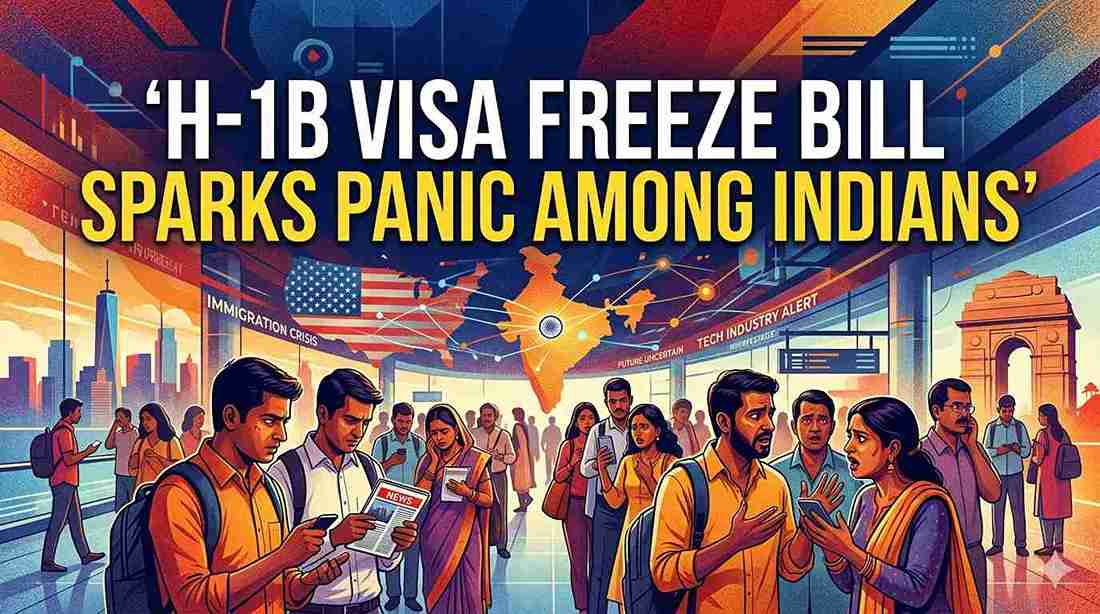
Picture this: Anu, a talented software architect from Bengaluru, has been in the US on an H-1B visa for over a decade. She’s contributed immensely to her company’s growth, paid taxes, and built a family here. Yet, her green card priority date has crawled forward agonizingly slowly. Like millions of Indians, she’s caught in one of the world’s longest immigration backlogs. But in January 2026, there’s a glimmer of hope—the latest Visa Bulletin shows modest advancements in employment-based categories. While challenges persist, including new border rules and financial considerations, there’s reason for cautious optimism.
Welcome to nriglobe.com‘s in-depth guide to the latest US green card developments as of January 2026. We’ll break down the January Visa Bulletin, explore ongoing backlogs for Indians, discuss the Diversity Visa ineligibility, new biometric requirements at borders, and the emerging remittance tax implications. With engaging stories, clear tables, practical tips, and expert insights, this 3500+ word article equips you with everything you need to navigate your path to permanent residency.
January 2026 Visa Bulletin: Modest Forward Movement in Employment-Based Categories
The US Department of State’s January 2026 Visa Bulletin, released in mid-December 2025, brings measured progress for employment-based (EB) green cards—particularly welcome news for Indian applicants facing decades-long waits.
Key highlights for India:
- EB-1 (Priority Workers): Final Action Date advances significantly to February 1, 2023 (a 10+ month jump from previous).
- EB-2 (Advanced Degree Holders): Steady at around July-August 2013-2014 levels, with filing dates allowing earlier submissions.
- EB-3 (Skilled Workers/Professionals): Modest gains, around November 2013.
USCIS has confirmed use of the Dates for Filing chart for employment-based adjustments in January 2026, allowing more applicants to file I-485 (adjustment of status) early and gain benefits like EAD (work authorization) and advance parole (travel permission).
| Category | All Chargeability Areas | China | India (Final Action) | India (Dates for Filing) | Mexico | Philippines |
|---|---|---|---|---|---|---|
| EB-1 | Current | Feb 1, 2023 | Feb 1, 2023 | Aug 15, 2023 | Current | Current |
| EB-2 | Dec 1, 2021 | Oct 1, 2019 | Jul-Aug 2013-14 | Dec 1, 2013 | Dec 1, 2021 | Dec 1, 2021 |
| EB-3 | Slight advance | Varied | Nov 2013 | Later filing possible | Slight | Slight |
| EB-5 | Current (most) | Varied | May-Jul 2022 | Strong filing horizon | Current | Current |
Source: US Department of State January 2026 Visa Bulletin. Dates approximate based on reported advancements.
This movement reflects USCIS efforts to utilize available visas efficiently, but per-country caps (7% limit) continue to bottleneck India and China.
Real story: Vikram, an EB-2 applicant with a 2012 priority date, finally saw his date become current for filing. “It’s been 14 years of uncertainty,” he shares. “This advance means I can apply for EAD and travel freely—huge relief for my family.”
Family-sponsored categories remain largely stagnant, with no significant movement for India.
The Indian Green Card Backlog: Why It Persists and Current Reality
Over 1.2 million Indians (principals + dependents) are stuck in employment-based queues—the largest backlog globally. Root causes:
- Annual Caps: Only ~140,000 EB green cards yearly, with 7% (~9,800-10,000 including dependents) per country.
- High Demand: India’s skilled workforce floods EB-2/EB-3.
- Spillover Limitations: Unused visas from other categories/countries help, but not enough.
For a new EB-2 filer in 2026, wait times could exceed 50-100+ years without reform. EB-1 offers faster paths for extraordinary talent, with recent advancements helping some.
Bright spots in 2026:
- Consistent forward movement in recent bulletins.
- Potential for interfiling (switching categories, e.g., EB-3 to EB-2 if beneficial).
- EB-5 (investor) seeing strong gains for India.
Experts predict slow but steady progress in FY 2026, barring retrogression.
Diversity Visa Lottery (DV-2026): Indians Remain Ineligible
Bad news for those hoping for the “green card lottery”: India continues to be ineligible for DV-2026.
Why? Countries sending >50,000 immigrants in the prior 5 years are excluded. India far exceeds this, with 70,000+ annual approvals.
DV-2026 ineligible countries include India, China, Philippines, Mexico, and others. Eligibility unlikely to return before 2028-2030.
Tip: Focus on employment or family paths instead.
New Biometric Requirements at US Borders: What NRIs Need to Know
Starting late 2025 (effective December 26, 2025), DHS expanded biometric collection for all non-US citizens, including green card holders.
Changes:
- Mandatory facial photographs (and possible fingerprints/iris scans) at every entry and exit (airports, land, sea).
- No exemptions for children under 14 or adults over 79.
- Aims to track overstays and enhance security.
For green card holders: Expect longer processing times at borders. Carry valid documents; refusal could lead to delays or secondary inspection.
Story: Priya, a green card holder visiting family in India, faced a 30-minute biometric scan on return. “It’s inconvenient, but understandable for security,” she says.
Prepare: Update passports, monitor CBP alerts, and allow extra time for travel.
Remittance Tax Starting January 1, 2026: Impact on Green Card Holders Sending Money Home
A new 1% federal excise tax on certain outbound remittances begins January 1, 2026—affecting many NRIs and green card holders supporting families in India.
Details:
- Applies to cash-based transfers (cash, money orders, cashier’s checks at storefronts).
- Collected by providers (e.g., Western Union).
- Exempt: Digital/electronic transfers (bank ACH, wire, apps like Wise/Remitly funded by debit/credit/bank account).
Impact: Sending $1,000 in cash? +$10 tax. But use apps/banks? No tax.
Green card holders may claim refundable credits on tax returns.
Tip: Switch to digital methods—cheaper, faster, tax-free.
Bright Sides and Strategies for NRIs in 2026
Despite restrictions:
- Employment queues inching forward—file early if eligible.
- Family categories stable (no retrogression).
- Alternatives: EB-1 upgrades, NIW (National Interest Waiver), O-1 visas.
Practical Tips:
- Check Priority Date Monthly: Use Visa Bulletin.
- File I-485 When Possible: Gain EAD/travel benefits.
- Consult Attorneys: For interfiling, concurrent filings.
- Plan Travel: Factor biometric delays.
- Remittances: Go digital.
- Long-Term: Advocate for reform (e.g., country cap removal bills).
Potential Future Changes and Controversies
Watch for:
- Visa cap increases (unlikely short-term).
- Broader immigration reforms.
- Legal challenges to new rules.
Controversies: Biometrics raise privacy concerns; remittance tax criticized for burdening immigrants.
Yet, America’s talent need keeps doors open for skilled NRIs.
Conclusion: Perseverance Pays Off—Your Green Card Journey Continues
The US green card path for Indians remains challenging, but January 2026’s modest advances signal steady progress. With smart planning—targeting faster categories, digital remittances, and timely filings—your American dream is achievable.