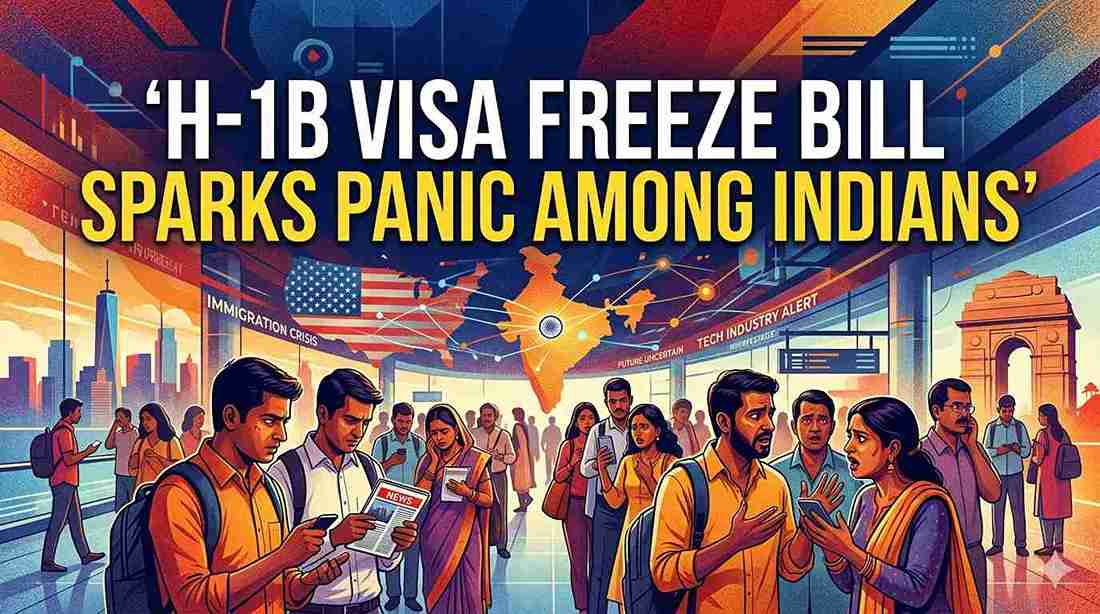
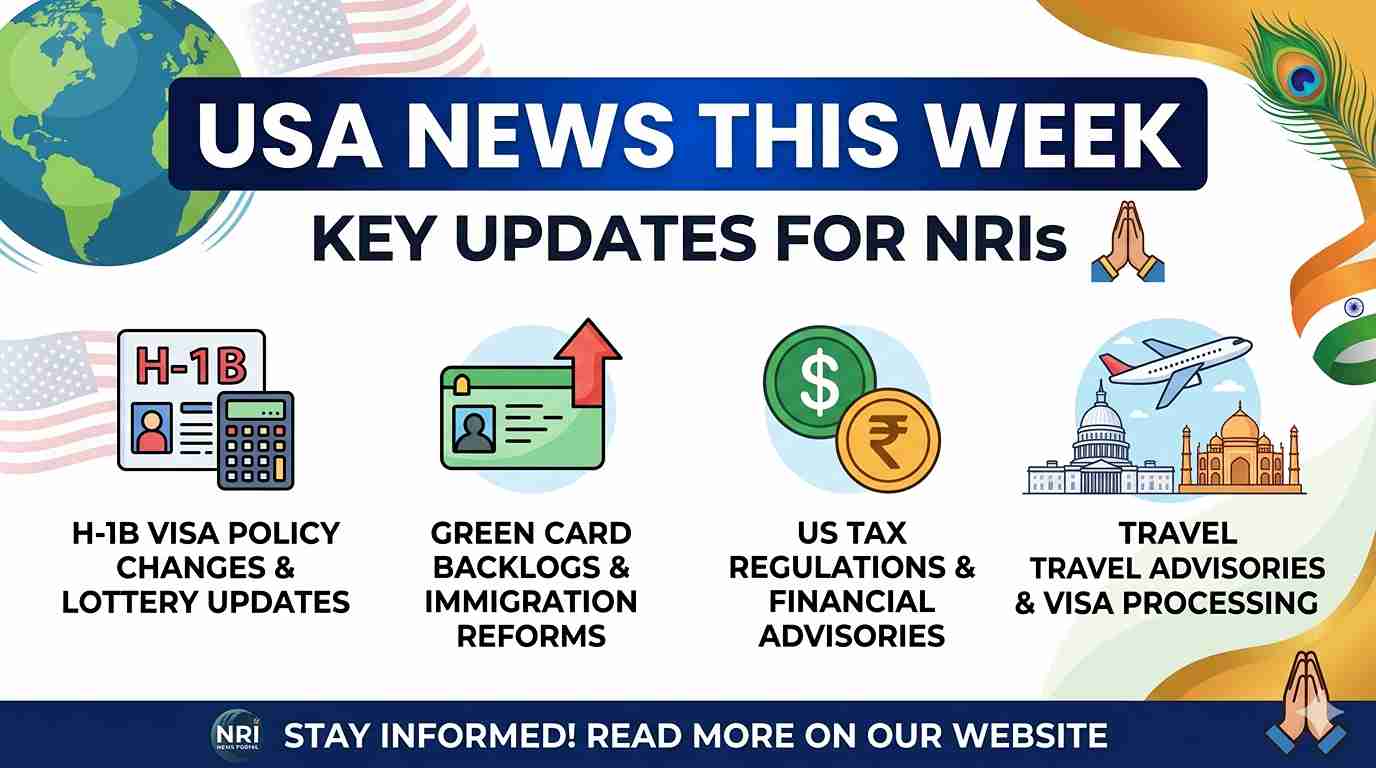
The White House has greenlit a transformative change to the H-1B visa program, a cornerstone of U.S. immigration policy for skilled foreign workers. On August 8, 2025, the Office of Information and Regulatory Affairs (OIRA) approved a proposed rule from the U.S. Department of Homeland Security (DHS) that could replace the current random lottery system with a wage-based selection process. This shift, which echoes a Trump-era proposal, is poised to reshape the landscape for the 85,000 H-1B visas issued annually, primarily to tech industry professionals. Here’s what you need to know about this significant development and its potential impact on employers, workers, and the U.S. economy.
What Are H-1B Visas?
The H-1B visa program allows U.S. companies to hire foreign workers in specialty occupations, such as engineering, computer science, and business specialties, where domestic talent is scarce. With an annual cap of 85,000 visas—65,000 for general applicants and 20,000 reserved for those with advanced U.S. degrees—the program is heavily utilized by the technology sector. Currently, when applications exceed this cap, a computerized lottery determines which employers can proceed with petitions, a process criticized for its randomness and lack of merit-based criteria.
The Proposed Change: Wage-Based Selection
The newly approved proposal aims to replace the lottery with a “weighted selection process” prioritizing applicants based on wage levels, educational attainment, and job skills. According to the U.S. Department of Labor’s wage tiers, the system would rank petitions as follows:
- Level 4: Highly specialized, senior positions (e.g., $151,000+ annually)
- Level 3: Experienced workers with advanced skills (e.g., $127,000+)
- Level 2: Qualified workers with some experience (e.g., $108,000+)
- Level 1: Entry-level positions (e.g., $83,000+)
Under this framework, higher-paid and more experienced workers would have a better chance of securing a visa, while entry-level professionals and recent graduates could face steeper odds. The proposal revives a 2021 DHS plan under the Trump administration’s “Buy American, Hire American” policy, which aimed to prioritize highly skilled, higher-paid workers but was withdrawn by the Biden administration amid public and legal opposition.
Why It Matters
The H-1B program is a critical pipeline for global talent, particularly in tech hubs like Silicon Valley, where over 39,000 H-1B visas were approved in 2024 alone, with Indian nationals accounting for roughly 207,000 approvals. A shift to a wage-based system could:
- Favor High-Earners: Companies offering competitive salaries for senior roles may dominate the visa pool, potentially sidelining startups and nonprofits with leaner budgets.
- Impact Young Professionals: Entry-level workers and recent graduates, particularly from countries like India, may face reduced opportunities, prompting a shift in career and education planning.
- Alter Hiring Strategies: Employers may adjust compensation packages to boost visa approval chances, potentially driving up wages for H-1B roles.
- Influence Global Talent Flows: Stricter U.S. rules could push skilled workers toward countries like Canada or Europe, which offer more streamlined immigration systems, as noted by Husain Tinwala, president of upGrad Rekrut.
Critics argue the change could stifle innovation by limiting access to diverse talent, while supporters, including “America First” advocates, say it protects U.S. jobs by prioritizing higher-paid roles.
Additional Policy Shift: Mandatory In-Person Renewals
In a separate but related change, the U.S. Department of State announced that starting September 2, 2025, H-1B visa holders must attend in-person interviews in their home countries for renewals, reversing a previous waiver policy. This requirement, which exempts only those under 14 or over 79, could create delays and costs for workers, particularly in tech-heavy regions. Immigration attorney Audrea Golding warned that some workers could face disruptions if stuck abroad during visa processing.
Historical Context and Challenges
This isn’t the first attempt to overhaul the H-1B system. The 2021 Trump-era proposal faced over 1,000 public comments opposing the wage-based model, citing its potential to exclude younger workers and strain smaller businesses. Federal courts also blocked related efforts to raise wage floors and redefine eligible jobs. The current proposal, cleared by OIRA, must now be published in the Federal Register, triggering a 30- to 60-day public comment period before finalization. Legal challenges and industry lobbying are expected, with implementation potentially delayed until the FY 2027 visa cycle.
What’s Next?
The proposed rule’s publication in the Federal Register will open a public comment window, allowing employers, immigration advocates, and workers to weigh in. The DHS and USCIS will review feedback before issuing a final rule, a process that could take months. If enacted, the wage-based system would mark one of the most significant H-1B reforms in years, aligning with broader debates about U.S. competitiveness and immigration policy.
Implications for the Tech Industry and Beyond
The tech sector, which relies heavily on H-1B visas, faces scrutiny amid recent layoffs. For example, Microsoft secured 9,491 H-1B visas last fiscal year while cutting nearly 16,000 jobs, fueling debates about the program’s role in addressing genuine skill shortages. A wage-based system could incentivize higher salaries but may also limit access to early-career talent, potentially reshaping hiring practices across industries.
Stay Informed
ClickUSANews will continue to monitor this developing story. Share your thoughts on the H-1B visa changes in the comments below, and stay tuned for updates on how this overhaul could impact the U.S. workforce and global talent.
Sources: Bloomberg Law, Business Standard, Newsweek, News India Times
Follow ClickUSANews for the latest updates on immigration, technology, and U.S. policy.