US Government Shutdown Risk January 2026: ICE Funding Clash – What It Means for Indians in the USA
By Sreekanth | January 28, 2026
As a US-based journalist covering politics, immigration, and diaspora issues for years, I’ve seen how federal funding battles on Capitol Hill directly affect the lives of Non-Resident Indians (NRIs) and Indian-Americans. From H-1B visa processing delays to green card backlogs and family reunification waits, government shutdowns ripple through USCIS, DHS, and related agencies—hitting immigrant communities hard.
The current crisis, as of January 28, 2026, risks a partial US government shutdown starting January 31 if Congress fails to pass funding by the January 30 deadline. The standoff centers on Democratic opposition to a proposed surge in Department of Homeland Security (DHS) and Immigration and Customs Enforcement (ICE) funding, intensified by two fatal shootings of US citizens in Minneapolis earlier this month: Alex Pretti (a 37-year-old ICU nurse shot by Border Patrol agents on January 24) and Renee Good (a 37-year-old mother killed by an ICE officer on January 7).
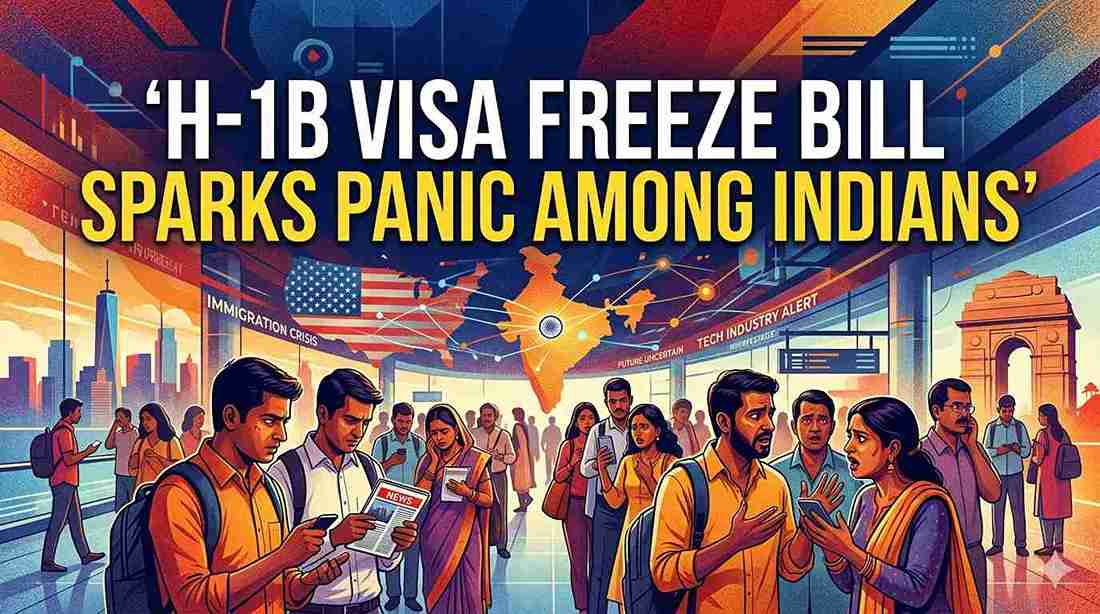
These incidents have sparked nationwide protests, demands for ICE reforms, and a breakdown in bipartisan talks. For the Indian diaspora—many on H-1B, L-1, OPT, or green card paths—this shutdown could delay visa stamping, premium processing, biometrics appointments, and more, at a time when travel for Holi, summer visits, or business is common.
This article provides a balanced overview using reports from NBC News, USA Today, PBS NewsHour, Reuters, and other credible sources, explaining the risks, potential impacts on NRIs/Indian-Americans, and practical tips.
Background: How We Got Here – Appropriations Timeline and the Minnesota Trigger
Congress must fund the government through 12 annual appropriations bills. For FY2026, a continuing resolution (CR) extended funding through January 30 after delays in late 2025.
- Fall 2025: House Republicans passed a DHS bill with a $170 billion ICE allocation (up significantly), including funds for expanded deportations, detention, and enforcement under President Trump’s agenda.
- December 2025: A bipartisan compromise seemed possible around $120 billion, but talks stalled.
- January 2026: The Minneapolis shootings changed everything. Renee Good was killed January 7 during an ICE operation; Alex Pretti (a lawful gun owner and nurse) was shot January 24 while filming/filming agents amid protests. Bodycam footage and bystander videos contradicted initial federal claims, fueling outrage.
Senate Democrats, led by Chuck Schumer, refused to support any DHS bill without reforms like de-escalation training, bodycam rules, and oversight. Republicans insist the funding is vital for border security amid rising crossings.
As of January 28, no deal exists. A partial shutdown looms, affecting non-essential DHS functions.
Why This Matters to Indians in the USA – Direct Impacts on Immigration Services
NRIs and Indian-Americans rely heavily on DHS/USCIS for:
- Visa Processing & Stamping: H-1B extensions, L-1 renewals, tourist visas (B-1/B-2) for family visits from India—delays could strand relatives or disrupt travel.
- Green Card & Citizenship: Adjustment of status interviews, biometrics, naturalization oaths—backlogs could worsen.
- Premium Processing: Many Indian professionals use this for faster H-1B/employment-based petitions.
- Asylum/Refugee Cases: Though fewer for Indians, ongoing cases face holds.
- OPT/STEM Extensions: Critical for recent graduates in tech/healthcare.
During shutdowns, USCIS continues some fee-funded operations (e.g., premium processing in past cases), but non-essential staff furloughs cause massive delays. ICE enforcement (deportations, raids) continues as “essential,” potentially heightening fears in Indian communities amid the Minnesota fallout.
Potential Shutdown Effects: What Closes, What Continues
A shutdown would furlough ~80,000 non-essential DHS workers:
- Likely Disruptions:
- TSA airport security slowdowns → longer lines for domestic/international flights (relevant for NRIs traveling to/from India).
- Passport/visa services at embassies/consulates → delays for new applications.
- USCIS field offices → closed for interviews/biometrics.
- FEMA non-emergency aid → could affect disaster response in storm-hit areas.
- What Stays Open:
- ICE enforcement (agents paid via prior funds or “essential” status).
- Border Patrol, military, Social Security/Medicare payments.
- Air traffic control (limited).
Economic ripple: Shutdowns cost billions daily in lost productivity. With 2026 events (World Cup, America250) approaching, tourism/visa processing delays could hit Indian travelers hard.
Historical Context & Political Stakes
This echoes the 2018-19 shutdown (35 days over border wall funding), which delayed USCIS services and affected thousands of immigrants. The 1995-96 shutdowns also disrupted federal operations.
Midterm politics loom: 2026 elections could shift House/Senate control. Democrats use the shootings to push reforms; Republicans defend enforcement. Polls (Reuters/Ipsos January 26) show 52% oppose ICE funding surge post-incidents.
State/Local Responses & NRI Community Concerns
Minnesota leaders (Gov. Tim Walz, Rep. Ilhan Omar) condemn ICE tactics. Indian-American groups in Minneapolis report heightened anxiety—fear of profiling or mistaken identity during enforcement.
Nationwide, Indian associations urge members to:
- Check USCIS case status online.
- Avoid unnecessary travel near enforcement hotspots.
- Consult immigration attorneys.
Expert Views & Quotes
Experts warn shutdowns disproportionately harm immigrants. PBS NewsHour: “Funding fights become proxy battles over immigration policy.” NBC News: ICE likely continues via prior allocations.
Sen. Schumer: “We won’t fund unchecked abuses.” Sen. Graham: “Democrats risk chaos by blocking security funding.”
Conclusion: Current Status & Advice for Indians in the USA
Negotiations continue; a short CR extension to February is possible. Trump may use executive actions if needed.
Practical Tips for NRIs:
- Monitor USCIS.gov and travel.state.gov for updates.
- File renewals/extensions early.
- Prepare for delays in visa stamping/travel.
- Stay connected via local Indian associations for support.
- Follow reliable news (avoid misinformation).
This crisis underscores immigration policy volatility. Stay informed via nriglobe.com for NRI-focused updates on US politics, visas, and shutdown impacts.
Latest NRI News & Global Updates:
Health, Wellness & Lifestyle for NRIs
https://nriglobe.com/health-wellness/
Latest NRI News & Global Updates
https://nriglobe.com/news/
Business & Finance News for NRIs
https://nriglobe.com/business/
Investment Guides for NRIs
https://nriglobe.com/investment/
Jobs & Career Opportunities for NRIs
https://nriglobe.com/jobs/