
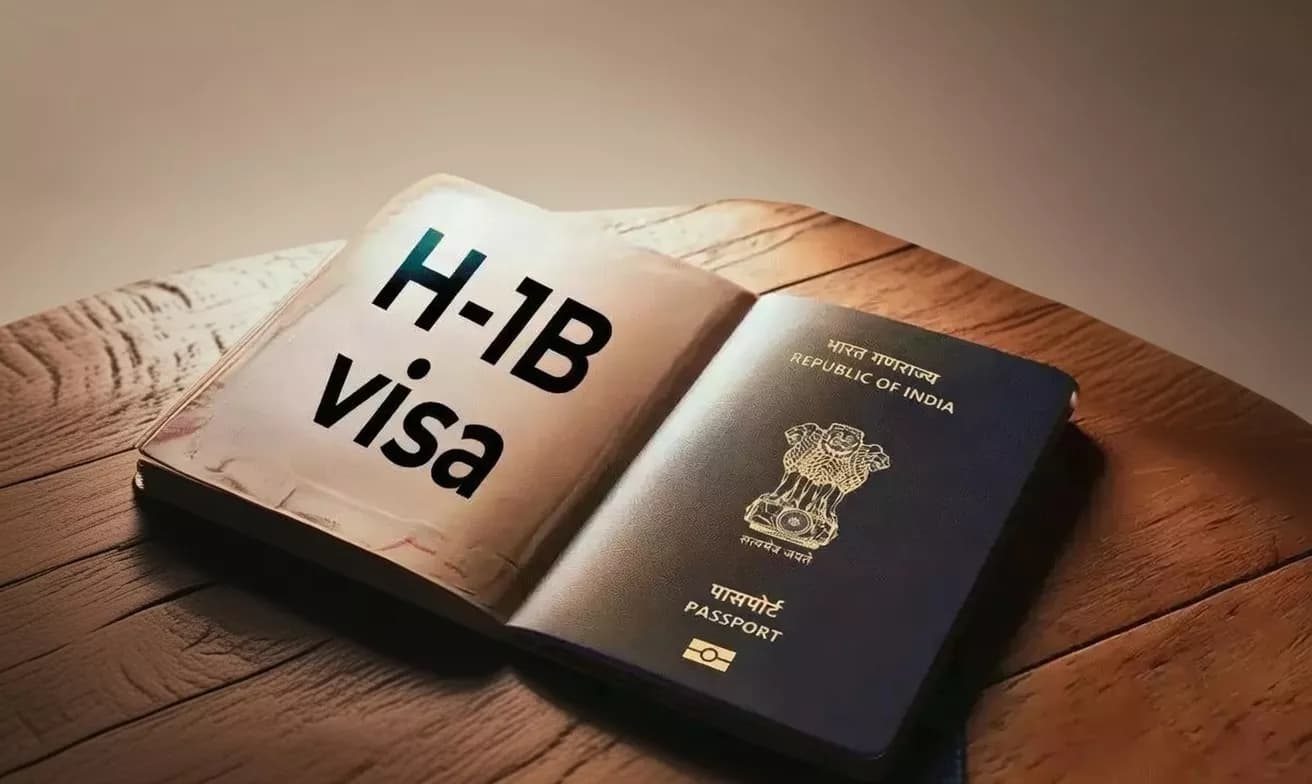
US visa rules for NRIs continue to shift in 2026. Many Indian professionals track updates closely because approvals affect careers and family plans. Understanding these changes requires attention to policy announcements, fee structures, processing timelines, and available alternatives. The landscape for non-resident Indians seeking employment or permanent residency in the United States has grown increasingly complex, with multiple visa categories operating under different rules, caps, and selection criteria.
TL;DR
- H-1B selections now favor higher wage levels starting late February 2026.
- New supplemental fees and stamping delays add costs and wait times for applicants in India.
- EB categories show ongoing backlogs for Indian nationals per the January 2026 bulletin.
- Layoff scenarios carry 60-day grace period risks with variable enforcement reports.
- Alternatives in Canada or Germany remain options for some skilled workers.
Major H-1B Visa Changes in 2026
Reforms target higher-paid positions and represent a significant shift in how the US government prioritizes H-1B allocations. Reports suggest changes to the selection process that favor higher wages, marking a departure from previous lottery-based systems that treated all registrations equally regardless of compensation. The registration window for the upcoming fiscal year runs for a limited period in early spring, typically spanning several weeks during which employers must submit applications electronically through the USCIS portal.
The H-1B visa category, which allows US employers to temporarily employ foreign workers in specialty occupations, has long been a primary pathway for Indian IT professionals, engineers, and other skilled workers. The annual cap of 85,000 visas—comprising 65,000 regular allocations and 20,000 for advanced degree holders—creates intense competition. Under the new wage-weighted selection system, positions offering higher salaries receive greater priority in the selection process. This change aims to ensure that visa allocations support positions that command premium compensation in the labor market.
Applicants outside the United States may face additional fees in many cases. These supplemental fees represent new costs that employers or workers must absorb, increasing the overall expense of pursuing H-1B sponsorship. Entry-level candidates receive lower selection weight under the new system, which may reduce opportunities for recent graduates or professionals early in their careers. This shift potentially narrows pathways for younger Indian professionals seeking to establish themselves in the US job market.
Visa stamping availability in India remains limited, creating bottlenecks for approved H-1B holders who must travel to a US consulate or embassy to complete visa processing. Consular sections in major Indian cities—Delhi, Mumbai, Bangalore, and Hyderabad—continue to operate under capacity constraints. Wait times for stamping appointments have extended significantly, sometimes stretching several months. For NRIs who have received H-1B approvals, this delay means they cannot enter the United States to begin work until stamping is completed, potentially disrupting employment start dates and project timelines.
The registration process itself has become more transparent regarding wage expectations. Employers must now indicate the prevailing wage level for the position at the time of registration, allowing USCIS to apply wage-based selection criteria during the lottery phase. This transparency helps applicants understand whether their position falls into higher or lower wage tiers, though it also makes clear which roles face steeper competition under the new framework.
L-1 and EB Visa Updates
Employers note longer processing times across multiple visa categories, reflecting increased administrative scrutiny and resource constraints within USCIS. The L-1 visa, which permits multinational companies to transfer employees between offices in different countries, has traditionally offered a faster pathway than employment-based green cards. However, processing delays now affect L-1 applications as well, particularly for initial petitions and extensions.
EB-2 and EB-3 categories stay backlogged for Indian nationals according to official sources. The employment-based green card system operates on a preference-based hierarchy, with EB-1 reserved for individuals with extraordinary ability, EB-2 for advanced degree holders or professionals with exceptional ability, and EB-3 for skilled workers and professionals. For Indian nationals, the per-country limit of 7 percent of the total employment-based green card allocation creates severe bottlenecks. Because India represents a large source of employment-based immigration applicants, Indian citizens often wait many years for visa number availability. Current backlogs for EB-2 and EB-3 categories extend well beyond a decade for many applicants, meaning someone filing today may not receive permanent residency for 10 to 15 years or longer.
Family-based options also tightened for certain nationalities, though family sponsorship operates under separate visa categories and annual allocations. The interaction between employment-based and family-based immigration streams affects overall processing capacity and wait times. For NRIs with family members in the United States, understanding these constraints helps in planning long-term immigration strategies.
L-1 visa holders should be aware that intracompany transfers remain subject to scrutiny regarding whether the transferring employee genuinely qualifies as a manager, executive, or specialized knowledge worker. Documentation requirements have become more stringent, and USCIS adjudicators examine employment histories and organizational structures more carefully than in previous years.
Deportation Risks and Layoff Impacts for NRIs
Tech workforce reductions raise status concerns for some visa holders, particularly H-1B and L-1 visa holders employed in the technology sector. When employers conduct layoffs, visa holders face immediate questions about their legal status and next steps. The 60-day grace period applies after job loss, allowing visa holders a window to find new employment or depart the United States. However, timing of enforcement actions varies, and some reports suggest inconsistent application of grace period rules across different USCIS field offices.
The grace period provision permits H-1B and L-1 visa holders to remain in the United States for up to 60 days after employment termination, during which they may seek new sponsorship or prepare for departure. This period is not automatic; visa holders must understand the rules and act promptly. Failing to secure new employment or depart within the grace period can result in unlawful presence, which carries serious consequences including deportation eligibility and future visa ineligibility.
For NRIs in the United States on work visas, layoff scenarios require immediate consultation with immigration counsel. Some visa categories permit limited job searching, while others do not. H-1B holders generally have more flexibility to change employers than L-1 holders, who are tied to their sponsoring company. Understanding these distinctions helps visa holders make informed decisions during workforce reductions.
Recent tech industry layoffs have highlighted these risks for Indian professionals. Many NRIs working in US technology companies found themselves suddenly unemployed and facing the prospect of leaving the country if they could not secure new sponsorship quickly. The grace period, while providing some protection, creates stress and uncertainty. Some visa holders have chosen to return to India or pursue opportunities in other countries rather than navigate the uncertainty of finding new sponsorship during economic downturns.
Comparison of Visa Options
| Visa Type | Annual Cap | Key 2026 Changes | Impact on Indians | Best For |
|---|---|---|---|---|
| H-1B | 85,000 | Weighted selection, supplemental fee, stamping delays | High volume but tougher entry-level access | Specialty occupations |
| L-1 | No cap | Increased scrutiny | Medium for intracompany moves | Multinational transfers |
| EB | ~140,000 | Persistent backlogs | Severe for Indian nationals | Permanent residency |
Each visa category serves different purposes and carries distinct advantages and limitations. The H-1B visa remains the most accessible option for Indian professionals seeking temporary employment in specialty occupations, though the new wage-weighted selection system changes the competitive landscape. The L-1 visa offers an alternative for those working at multinational companies with US operations, though it requires an existing employment relationship and intracompany transfer eligibility. Employment-based green cards provide a path to permanent residency but involve lengthy processing times, particularly for Indian nationals subject to per-country limits.
Comparing these options requires understanding not only the visa category itself but also the broader context of processing times, costs, and long-term immigration goals. Some NRIs pursue H-1B sponsorship initially while simultaneously beginning the employment-based green card process, creating a dual-track approach. Others prioritize family reunification through family-based sponsorship if they have US citizen or permanent resident relatives. The optimal choice depends on individual circumstances, career goals, and timeline expectations.
Practical Steps NRIs Can Consider
Regular checks on official USCIS and Department of State sites help track openings, policy changes, and processing updates. The USCIS website publishes visa bulletin updates monthly, indicating priority dates and visa availability for employment-based categories. The Department of State maintains consular information pages with stamping appointment availability and processing times for specific locations in India.
Skill development in high-demand areas may improve selection odds under weighted rules. Certain specializations—such as advanced software engineering, data science, cloud architecture, and specialized healthcare fields—consistently rank among the most in-demand occupations for H-1B sponsorship. Pursuing certifications, advanced degrees, or specialized training in these areas can enhance competitiveness in the visa selection process. Additionally, developing expertise in emerging technologies or fields facing labor shortages increases the likelihood that employers will sponsor visa applications.
Job search during grace periods requires careful timing and strategic planning. NRIs facing layoffs should immediately begin networking and contacting recruiters who specialize in visa sponsorship. Understanding which employers actively sponsor H-1B or L-1 visas helps focus job search efforts. Some industries and company sizes are more likely to sponsor visas than others; technology companies, consulting firms, and multinational corporations typically have established visa sponsorship programs, while smaller companies may lack the infrastructure or experience to sponsor visas.
Canada, Australia, and Germany maintain separate skilled migration routes that some NRIs review alongside US options. Canada's Express Entry system, for instance, prioritizes skilled workers through a points-based system that considers education, language proficiency, and work experience. Australia's skilled migration program similarly operates on a points-based framework. Germany's EU Blue Card offers a pathway for highly qualified workers. For NRIs considering multiple countries, comparing visa requirements, processing times, and long-term residency prospects helps identify the most feasible option given individual qualifications and circumstances.
Building a professional network within the United States, even while on a visa, creates opportunities for future sponsorship and career advancement. Attending industry conferences, joining professional associations, and maintaining relationships with colleagues and mentors increases visibility and creates pathways for employment opportunities. For those considering long-term residence in the United States, these networks become invaluable during periods of job transition or visa uncertainty.
Documentation and record-keeping also matter significantly. Maintaining clear records of employment history, educational credentials, certifications, and visa status helps when applying for new sponsorship or transitioning between visa categories. Some visa categories permit concurrent applications or transitions, while others require careful sequencing. Organized documentation accelerates the sponsorship process and reduces the risk of delays or denials due to missing information.
Next steps
Review personal eligibility against the latest USCIS announcements. Schedule time with a licensed immigration attorney for case-specific guidance. Track registration windows directly on government portals. Maintain awareness of visa bulletin updates and consular processing timelines. Document employment history and educational credentials thoroughly. Explore alternative countries if US visa pathways appear blocked or excessively delayed.
Sources
Primary information appears on USCIS.gov and travel.state.gov.
Continue reading — NRI Globe pillar guide: H-1B Complete Guide for Indians 2026
Related NRI Globe Coverage
- UAE Golden Visa 2026 for Indians — Complete Guide (Eligibility, Application, Investment)
- Australia Skilled Migration 2026 for Indians — Complete Points-Based Visa Guide (189, 190, 491)
- F-1 Student Visa 2026 — Complete Indian Applicant Guide (DS-160, I-20, Interview, USA)
- B-1/B-2 US Tourist Visa 2026 — Complete Guide for Indian Family Visiting NRIs (Parents, Siblings, Friends)
- September 2026 Visa Bulletin Analysis for Indian NRIs — EB-2, EB-3 & Family-Based Priority Date Movement
- Impact of 2026 Middle East Conflict on Dubai Visas & NRIs in Dubai — Complete UAE Guide
- EB-1 vs EB-2 Green Card Backlogs for India — September 2026 Visa Bulletin Comparison (4-5 Years vs 179 Years)
- New US Visa Rules in 2026 for Indians: Complete Guide for Students, H-1B Workers & Green Card Applicants
Fresh from NRI Globe
- YouTuber Nandu's World (Rama Nandana) UK Visa & Job Fraud Case: Full Details + Key Lessons for NRIs (2026)
- Dussehra / Vijayadashami 2026 Events Country-Wise — Global NRI Directory (Ram Lila, Ravana Dahan, Durga Puja Pandals, Ayudha Puja Venues + Booking)
- Diwali 2026 Events Country-Wise — Global NRI Directory (White House, Leicester, London Trafalgar, Toronto, Auckland, Sydney Parramasala, Fiji, Mauritius, Trinidad, South Africa and More)
- Diwali / Deepavali 2026 Country-Wise NRI Celebrations — Complete Global Guide (USA, UK, Canada, Australia, Fiji, Mauritius, Trinidad, South Africa, UAE and 30+ Countries)