
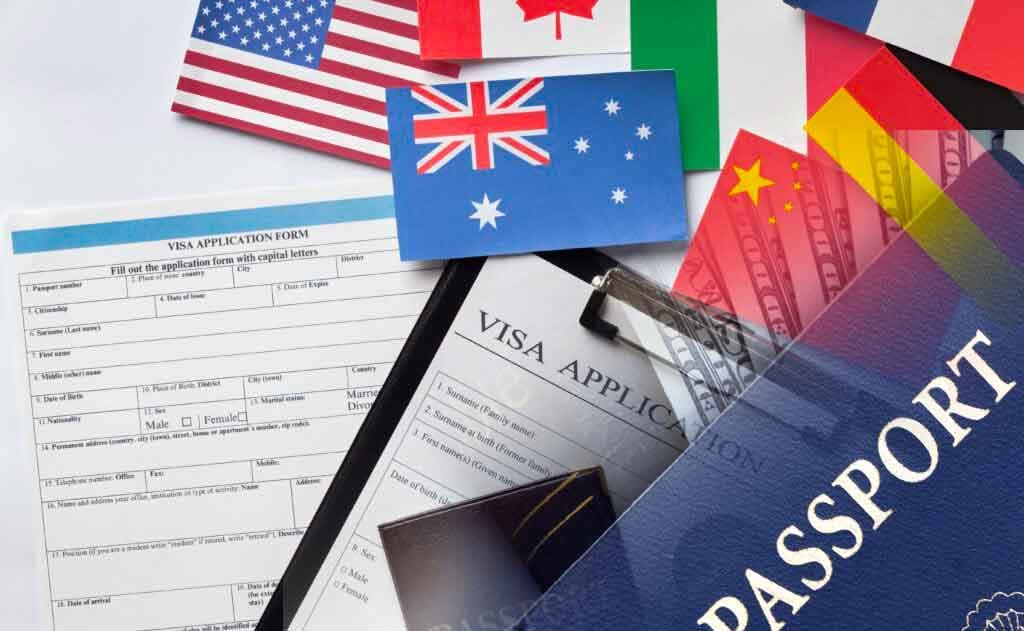
For NRI households, sponsoring parents for visitor visas to the US (B1/B2), UK (Standard Visitor visa), Canada (Temporary Resident visa / Super Visa), or Australia (Visitor visa subclass 600) is a recurring operational task with substantial real-world consequences — failed applications cost months of delay, money, and family time. This 2026 guide walks through the framework for Indian parents visiting NRI children, the documents that work, common rejection reasons, interview preparation, and the strategy for re-application after rejection.
The structural framework
Visitor visa applications for elderly Indian parents visiting NRI children abroad operate under three core principles in 2026:
- Intent-to-return: The single most-evaluated factor. Consular officers assess whether the applicant intends to return to India after the visit. The "strong ties to India" test.
- Financial capacity: Either applicant's own funds or sponsoring NRI child's documented support.
- Travel purpose specificity: Clearly stated purpose (visiting children, attending wedding, medical procedure, family event).
US B1/B2 visa — the most common NRI parent visa
Documents that work
- Strong India ties evidence: Property ownership documents (latest tax receipts), retirement pension proof / PPF / EPF statements showing ongoing income, established residential address proof (utility bills 12+ months), business ownership documents if applicable.
- Family ties in India: Other adult children remaining in India, grandchildren in Indian schools, spouse staying in India for part of trip.
- Financial documents: Bank statements covering 6 months minimum, fixed deposit statements, pension proof, ITR (Income Tax Return) acknowledgments for 3 years.
- NRI child's invitation + sponsorship documents: Notarized invitation letter explaining relationship, purpose, duration; NRI child's pay stubs (3 months) + employment verification letter + W-2 / tax return; bank statements covering trip costs.
- Travel insurance documentation: Coverage for medical emergencies (USD 50,000+ recommended).
- Confirmed return-ticket / flexible booking: Not required at interview but appropriate planning.
Common rejection reasons
- "Failure to demonstrate strong ties to India" (214(b)) — the most common rejection rationale for parent visitor visas.
- Inconsistent answers between application form (DS-160) and interview responses.
- Vague travel purpose — "I want to see USA" vs "I am visiting my son in Texas for his daughter's birth and staying 4 weeks."
- Inadequate financial documentation — either applicant's own or sponsoring child's.
- Previous overstay or visa abuse by applicant or family members.
- Conflicting information about previous trips abroad.
Interview preparation that improves success
- Rehearse answers to typical questions: Why are you traveling? How long will you stay? Who are you visiting? What ties bring you back to India? How will you fund the trip?
- Direct, brief, factually consistent answers work better than long explanations.
- Carry organized documents in a folder; consular officers may not review all but organized presentation helps.
- Avoid rehearsed-sounding scripts — natural responses indicate authentic intent.
- Bring NRI child's recent photographs with applicant + family proof if asked.
- Indicate planned departure date with specificity.
UK Standard Visitor Visa
- Single-entry or multi-entry options up to 6-month stay; long-term visitor visas (2/5/10 years) available for repeat visitors.
- Documents required: Application + biometrics + financial documents + invitation letter + ties evidence.
- Lower rejection rate than US B1/B2 for similar applicant profiles; UK visa system documentation-driven rather than interview-based.
- NHS surcharge typically applies for visits exceeding 6 months (not standard tourist visa).
Canada Super Visa + Temporary Resident Visa
- Super Visa — specifically designed for parents and grandparents of Canadian citizens / PRs; up to 10-year validity with stays up to 5 years per entry.
- Requirements: Letter of invitation from Canadian child + proof of income (LICO threshold) + medical insurance from Canadian-recognised provider.
- Standard Temporary Resident Visa for shorter visits.
- Generally more straightforward than US B1/B2 for parent applications.
Australia Visitor Visa (Subclass 600)
- Multiple streams: Tourist, Sponsored Family, Business Visitor.
- Sponsored Family stream specifically supports parents visiting Australian citizens / PRs.
- Documents: Application + financial documents + invitation + ties evidence + health insurance.
- Substantial wait times in some processing periods.
Re-application after rejection
- Wait period: No mandatory wait period in most cases; re-application as soon as circumstances change.
- What to change: Address the specific rejection reason. If "ties to India" was cited, strengthen India-tie documentation. If "financial inadequacy," add more documentation.
- Don't re-apply with identical documents — same outcome likely.
- Strengthen NRI sponsor documentation with employment verification + recent pay stubs + bank statements showing trip-cost coverage.
- Consider timing — re-apply after Indian property tax payment / retirement income deposit / ITR filing that updates ties evidence.
Alternative pathways
- Schengen visa for European family visits — typically more straightforward than US visa.
- UAE entry permit for visiting NRI families in UAE — sponsor-based system.
- Singapore Social Visit Pass for visiting NRI families in Singapore.
- Multiple-trip / multi-year visitor visa renewals — once first successful visit completed, subsequent applications typically smoother.
Practical recommendations
- Apply 3–6 months before planned travel for visa processing buffer.
- Build a documentation file with ties + financial + invitation documents organized.
- Pre-rehearse interview answers with NRI child's help.
- Submit complete documentation at first application.
- Avoid common mistakes — incomplete forms, missing signatures, inconsistent dates.
- If rejected, analyze specific reason and address it before re-applying.
- Consider Super Visa for Canada if applicable for long-stay flexibility.
- Maintain travel insurance for visit duration.
Final thoughts
Visitor visa applications for Indian parents visiting NRI children abroad are structurally manageable in 2026 with deliberate documentation, clear travel purpose, and consistent answers about intent-to-return. The most-leveraged single practice: treat the application as a documented narrative rather than a form-filling exercise — strong ties evidence + clear purpose + appropriate financial documentation + organized presentation consistently produce successful outcomes.
For broader NRI visa framework, NRI Globe's NRI parent visa sponsorship guide covers the pathway comparison. The OCI card guide covers lifetime status options. The NRI immigration scams guide covers the consumer-protection framework.
Informational only — visa rules, fees, and procedures change. Consult the relevant embassy/consulate website + immigration counsel before specific applications.
Continue reading — NRI Globe pillar guide: Canada Express Entry for Indians