
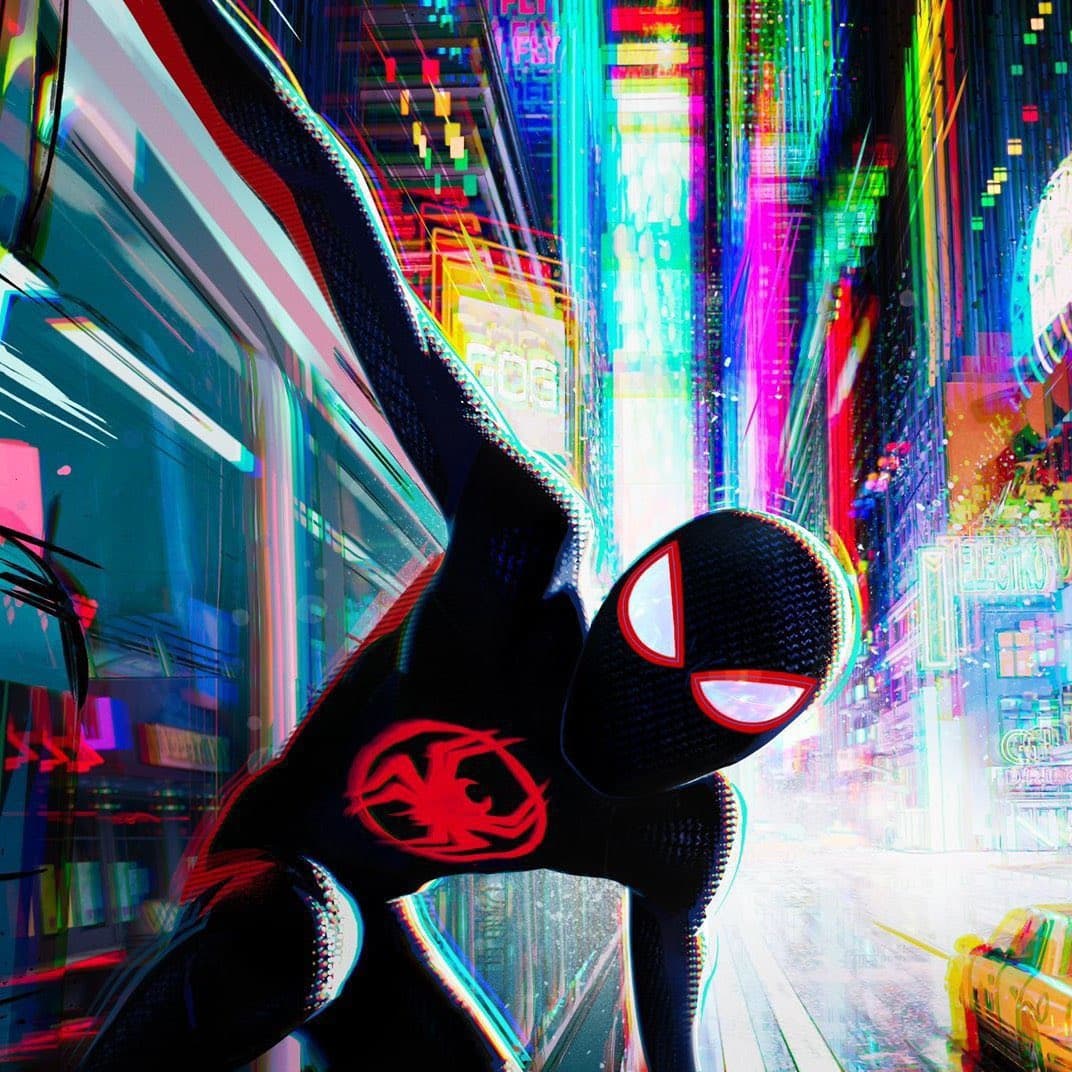
July 19, 2025 — The highly anticipated Spider-Man: Beyond the Spider-Verse will not arrive in theaters on June 4, 2027, as previously announced. Sony Pictures confirmed the animated trilogy finale is now scheduled for June 25, 2027, pushing the release back three weeks. This marks the third major delay for the film, originally targeted for early 2024.
TL;DR:
- Release date moved from June 4 to June 25, 2027—a three-week delay
- Strategic timing aligns with US summer break and stronger international markets
- Production halted during 2023 SAG-AFTRA strike; creative team prioritizes quality over speed
- Film picks up Miles Morales' cliffhanger from Across the Spider-Verse (2023)
- Franchise has earned over $1 billion globally across two films
Strategic Reasons Behind the Three-Week Shift
Sony's decision to move Beyond the Spider-Verse to late June reflects careful market positioning rooted in theatrical distribution strategy. The June 25 date coincides with the US school summer break, ensuring maximum attendance from the franchise's core demographic—children and teenagers. During this window, families plan entertainment outings, and school-age audiences have extended free time. Industry analysts note the timing also strengthens international box-office potential, as summer holidays align globally across major markets including Europe and Asia-Pacific regions. The staggered release calendars across different territories mean that late June positions the film to capture audiences across multiple waves of school closures.
The shift secures a premium IMAX window for the film's theatrical run, a consideration that reflects the franchise's technical ambitions. Given the Spider-Verse franchise's signature kinetic animation and visual spectacle, IMAX screens amplify the experience with expanded aspect ratios and enhanced sound design. Variety reported that Sony negotiated the extended window to maximize the film's technical presentation and prevent scheduling conflicts with competing summer blockbusters. The three-week buffer creates breathing room in the theatrical calendar, reducing direct competition from other major releases and allowing the film to dominate screens during its opening weekend and sustained run.
Additionally, the June 25 date avoids collision with other anticipated releases that may have occupied premium theater slots. Studio strategy involves analyzing competitor release schedules months in advance, ensuring that tentpole films receive optimal screen allocation and marketing attention. The delay demonstrates Sony's confidence in the film's commercial potential while acknowledging the crowded summer marketplace.
Production Timeline and the 2023 Strike Impact
The journey to June 2027 has been turbulent, reflecting broader industry challenges that affected animation production across multiple studios. Originally scheduled for early 2024, Beyond the Spider-Verse experienced production delays following the SAG-AFTRA voice actors' strike in 2023. The labor action halted voice recording sessions and post-production work, compressing the timeline for the creative team. Reports indicate that voice recording and animation refinement work resumed gradually as production schedules were reorganized. The strike's impact extended beyond voice work—it affected scheduling for supervising animators, sound designers, and visual effects supervisors who coordinated with striking actors' representatives.
Producers have publicly indicated that the film will release when creative standards are met, signaling that artistic integrity takes precedence over arbitrary deadlines. This philosophy reflects lessons learned from previous animated sequels that faced criticism for rushed production. Production documentation shows the strike's cascading effects on animation schedules, with domino delays affecting every subsequent phase of post-production. The three-week June delay reflects final refinements to animation sequences, color grading, and sound mixing—all labor-intensive processes that cannot be rushed without compromising visual quality. Animation studios require time for multiple rounds of director reviews, color correction across thousands of frames, and audio mixing that synchronizes dialogue, music, and effects across complex soundscapes.
The decision to delay rather than compress schedules also reflects industry recognition that animation quality directly impacts critical reception and audience satisfaction. Rushed animation often exhibits visible artifacts, inconsistent character movement, or incomplete visual effects that undermine the immersive experience audiences expect from a theatrical release.
What the Trilogy's Finale Will Deliver
Beyond the Spider-Verse concludes Miles Morales' multiverse arc, picking up narrative threads left unresolved by its predecessor. The film opens immediately after Across the Spider-Verse's cliffhanger: Miles is trapped in an alternate dimension, confronting a villainous version of himself, while Gwen Stacy assembles a rescue team spanning multiple universes. The narrative promises to expand the multiverse mythology while delivering emotional closure to Miles' character arc, exploring themes of identity, responsibility, and self-acceptance that have defined his journey since the first film.
The creative team has teased ambitious scale and experimental animation techniques that push beyond established conventions. Reports indicate that the filmmakers are pushing beyond the rotoscoping and comic-book-inspired visuals of the first two films, introducing new visual languages to represent different dimensions and character states. Each dimension may employ distinct animation styles, frame rates, or color palettes to visually communicate narrative information and reinforce thematic elements. The voice cast includes returning ensemble members who have anchored the franchise since its 2018 debut, ensuring continuity in character performance and emotional resonance.
The finale also addresses the multiverse concept's philosophical implications—questions about identity, choice, and consequence that have become central to contemporary superhero narratives. By concluding the trilogy, the film must resolve not only Miles' immediate crisis but also the larger questions about multiverse stability and the Spider-People's role in maintaining dimensional integrity.
Box Office Legacy and Fan Expectations
The Spider-Verse franchise commands massive commercial and critical weight within the animated film landscape. Into the Spider-Verse (2018) won the Academy Award for Best Animated Feature and achieved significant worldwide box-office success, establishing the franchise as a critical darling. Across the Spider-Verse (2023) exceeded expectations, becoming one of the highest-grossing animated films in industry history. Combined, the two films have generated over $1 billion in worldwide revenue, establishing the franchise as a cornerstone of contemporary animated cinema and demonstrating that animated films can achieve both artistic prestige and commercial dominance.
Fan sentiment online reflects competing emotions rooted in different priorities and concerns. Some express frustration over the extended wait since 2023's release, particularly younger audiences who may struggle to maintain narrative continuity across a four-year gap. Others defend the delay as necessary for quality assurance, trusting that the creative team's commitment to excellence will justify the extended production timeline. Social media analysis suggests that a substantial portion of engaged fans support the delay if it ensures a polished finale. However, concerns linger about audience momentum—a four-year gap between installments risks narrative continuity erosion among younger viewers who may need refreshers on plot details and character relationships. Some fans worry that the extended wait could diminish opening weekend enthusiasm or require extensive recap materials to reorient audiences.
Why This Trilogy Reshaped Animation
The Spider-Verse films revolutionized how studios approach animated storytelling by rejecting photorealism in favor of stylized authenticity. Rather than pursuing photorealism, the filmmakers embraced comic-book aesthetics—variable frame rates, halftone dots, bold typography, and dynamic transitions that honor the source medium. This artistic choice differentiated the films from competing animated franchises and attracted adult audiences alongside children, proving that animation need not imitate live-action to achieve sophistication and emotional depth.
Miles Morales' character resonated particularly with diverse audiences, representing a significant shift in superhero narrative representation. As a teenager from Brooklyn navigating identity, responsibility, and belonging, Miles offered representation rarely centered in superhero narratives. The films' exploration of intergenerational mentorship, parental relationships, and mental health elevated the franchise beyond action spectacle, creating emotional depth that resonated across demographic groups. His struggle to balance personal aspirations with inherited expectations reflected real-world experiences for many viewers, grounding the multiverse concept in relatable human drama.
The Hollywood Reporter noted that the trilogy's commercial success has influenced studio greenlight decisions, with more animated films now receiving theatrical releases and substantial budgets previously reserved for live-action tentpoles. The franchise demonstrated that animated films could achieve both critical acclaim and blockbuster revenue, reshaping industry investment priorities and encouraging studios to treat animation as a premium medium worthy of significant financial commitment.
What Fans Can Expect Before June 2027
Sony typically releases promotional materials 6–9 months before theatrical debut, following established marketing calendars for major franchises. Expect a teaser trailer by late 2026, with a full trailer arriving in spring 2027. The studio may also release behind-the-scenes content or featurettes exploring the animation process and voice acting sessions, following the promotional strategy established for previous installments. These materials serve dual purposes: they maintain fan engagement during the extended production gap and provide educational content that appeals to animation enthusiasts and industry professionals.
In the interim, fans can revisit supplementary animated content released during the production gap. These materials provide character depth and expand the Spider-Verse mythology while the main film remains in post-production. Rewatching earlier installments will refresh audiences on the cliffhanger and multiverse mythology before the finale arrives. Streaming platforms may also release companion content, interviews with creators, or analysis videos that deepen appreciation for the franchise's artistic and narrative achievements.
Next Steps
Mark June 25, 2027, on your calendar. If you haven't experienced the first two Spider-Verse films, streaming platforms including Netflix and Sony's own services offer both titles. Rewatching Across the Spider-Verse before the finale releases will refresh your memory of the cliffhanger and multiverse mythology. Follow official Sony Pictures and Marvel Entertainment social channels for trailer announcements and exclusive content throughout 2026 and early 2027.
Sources
- The Hollywood Reporter — Spider-Man: Beyond the Spider-Verse Release Date Announcement
- Screen Rant — Spider-Man: Beyond the Spider-Verse Release Date Delay Analysis
- Variety — Spider-Man: Beyond the Spider-Verse June 2027 Release Confirmed
- TheWrap — Spider-Man: Beyond the Spider-Verse Gets June 2027 Release Date
- Wikipedia — Spider-Man: Beyond the Spider-Verse Production Timeline
- Digital Spy — Beyond the Spider-Verse Release Date and Production Updates