
TL;DR:
- Simplified home pujas take under 10 minutes and fit busy schedules without sacrificing spiritual focus.
- Mantra apps enable devotion during commutes and work breaks.
- Partial fasting or mental discipline (avoiding negative thoughts) adapts Somavar to corporate environments.
- Temple visits and virtual satsangs via Zoom connect NRIs with global communities and cultural roots.
- Mindfulness and meditation align Somavar's deeper purpose with modern life rather than rigid rituals.
Quick Home Pujas for Busy Urban Devotees
Urban professionals—especially Non-Resident Indians scattered across New York, London, Dubai, and Singapore—often assume Somavar (Monday fasting and worship of Lord Shiva) demands elaborate ceremonies. Time constraints and apartment living make traditional multi-hour rituals feel impractical. Yet simplified home pujas prove that devotion requires intention, not duration.
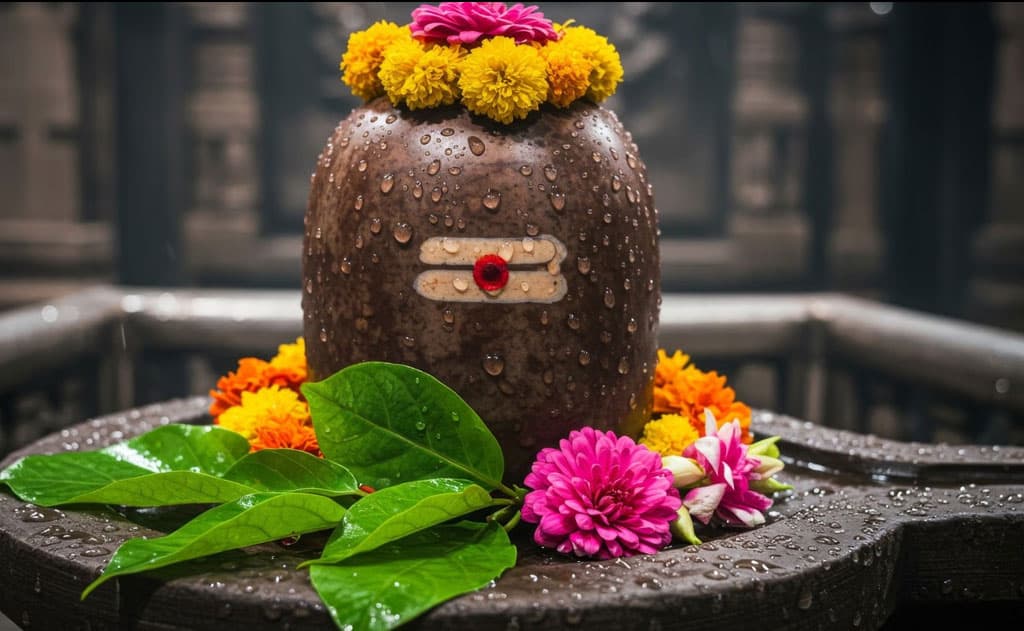
A compact altar occupies minimal space. Choose a small corner, shelf, or even a dresser. Place a Shiva Lingam or framed idol, add fresh flowers (marigolds or jasmine if available; grocery-store blooms work equally well), and position a small diya or candle. Cleanse the space with water and light incense—sandalwood or nag champa—to establish a sacred boundary. This takes five minutes.
The ritual itself is streamlined. Offer bilva leaves (or any fresh leaf if unavailable) and water or milk to the Lingam while chanting "Om Namah Shivaya" eleven times. Some devotees add a brief meditation on Shiva's qualities—stillness, strength, compassion. The entire practice concludes in under ten minutes, yet maintains spiritual coherence. Consistency matters more than duration; a brief Monday puja sustained over months outweighs sporadic elaborate ceremonies.
Timing flexibility removes another barrier. Perform the puja before work, during a lunch break, or after returning home. Some NRIs integrate it into their morning routine alongside coffee; others use it as an evening wind-down. The key is anchoring the practice to an existing habit—this psychological technique, called habit stacking, increases adherence.
Digital Mantra Apps for On-the-Go Spirituality
Technology and tradition need not conflict. For NRIs managing time zones, commutes, and professional demands, digital mantra apps extend Somavar practice beyond the home altar into daily life.
Several mantra applications are available to support Somavar observance. These platforms typically offer guided chanting of Shiva mantras with synchronized audio and transliterated text, allowing beginners to hear correct pronunciation and experienced practitioners to maintain consistency during travel. Devotional music and mantra streaming services curate content specifically for Somavar, playable during subway rides, gym sessions, or office lunch breaks. Many apps also provide virtual puja services and automated reminders for Somavar dates and rituals, helping devotees maintain regular practice.
The practical advantage is portability. A devotee in a Manhattan office can chant "Om Namah Shivaya" during a ten-minute break without announcing their practice to colleagues. Apps normalize spiritual engagement in secular workspaces. Setting phone reminders ensures regularity; many users report that a Monday 8 a.m. notification becomes as automatic as checking email.
Mindful engagement deepens the practice. Rather than passive listening, focus on the mantra's vibrations, the meaning of each syllable, and how the sound resonates in your body. This cultivates the mental discipline—clarity, focus, detachment—that Shiva embodies. Some practitioners combine app-based chanting with brief meditation, creating a portable spiritual practice that fits urban rhythms.
Office-Friendly Fasting for Somavar
Traditional Somavar fasting—abstaining from food until sunset—conflicts with corporate schedules, client meetings, and team lunches. Adapting fasting to modern work life requires flexibility without abandoning the practice's spiritual intent.
Partial fasting offers a middle path. Instead of complete abstinence, consume fruits (bananas, apples, berries), milk, yogurt, or nuts. These are portable, discreet, and sustain energy for an eight-hour workday. Many Hindu traditions recognize fruit and dairy as sattvic (spiritually pure) foods appropriate for fasting days. Carry these in a small container; no explanation to colleagues is necessary.
Hydration focus serves both practical and spiritual purposes. Sip water, herbal teas (chamomile, ginger), or coconut water throughout the day. Staying hydrated prevents fatigue, maintains concentration, and aligns with fasting's detoxifying principle. Some practitioners find that increased water intake heightens awareness of their body and choices—a form of mindfulness.
Mental fasting reframes the practice for those unable to restrict food. On Somavar, practice strict mental discipline: avoid gossip, negative self-talk, complaints, or anger. This inner fast cultivates the purity and clarity that Shiva represents. Many NRI professionals report that this interpretation honors Somavar's spiritual essence while remaining compatible with professional demands. One practitioner noted that maintaining mental discipline throughout the day often proves more challenging than physical fasting, yet yields deeper transformation.
Community Practices: Temple Visits and Virtual Satsangs
Spiritual practice deepens through community. NRIs often experience cultural isolation abroad; temple visits and virtual satsangs reconnect them to shared tradition and global devotee networks.
Temple visits anchor Somavar in physical space and ritual. Use apps like Hindu Temple Finder or Google Maps to locate Shiva temples in your city. Many major cities host dedicated temples that welcome devotees on Mondays. A fifteen-minute visit during lunch—offering flowers, lighting a lamp, or attending a brief aarti—reinforces community ties and devotion. Some temples offer Monday-specific programs; calling ahead ensures you arrive during puja times. The physical experience of temple worship, the sound of bells and chanting, and the presence of other devotees create a sensory and emotional dimension that home practice alone cannot replicate.
Virtual satsangs transcend geography. Organizations like Chinmaya Mission and Art of Living, along with local Hindu associations, host Zoom-based satsangs (spiritual gatherings) featuring Shiva bhajans, Vedic chanting, or discourses on Lord Shiva's teachings. These sessions typically run 45 minutes to an hour, often scheduled in evenings to accommodate global time zones. Participants from multiple continents join simultaneously, creating a sense of unified devotion despite physical distance.
Virtual participation combats the isolation many NRIs experience. Singing bhajans with others—even through a screen—triggers emotional connection and belonging. Afterward, many groups host informal chats where devotees share experiences, ask questions, or discuss how they balance faith with modern life. This peer support is invaluable for those far from family temples and spiritual mentors. The sense of participating in a global community of practitioners reinforces commitment and provides practical guidance from those navigating similar challenges.
Mindfulness and Mental Discipline as Spiritual Core
Somavar's essence is not ritual performance but inner transformation. Lord Shiva embodies stillness, clarity, and detachment—qualities cultivated through mindfulness, not external actions alone.
Meditation directly develops these qualities. Dedicate five to ten minutes on Somavar mornings to sitting quietly, focusing on Shiva's attributes. Visualize him in meditation—serene, powerful, untouched by chaos. Reflect on how you might embody calmness amid workplace stress or detachment from outcomes. Calm and Headspace offer sessions on focus and inner peace; some users create custom meditations pairing Shiva imagery with breathing techniques.
Journaling intentions anchors mindfulness in action. On Somavar, write one specific goal: "Practice patience with difficult colleagues" or "Cultivate gratitude for my health." Throughout the day, pause and reflect on this intention during breaks. By week's end, review your journal to notice patterns. This practice transforms Somavar from a single day's ritual into a sustained practice of self-awareness and intentional living.
Breathwork (pranayama) centers the mind during stressful hours. Anulom vilom (alternate nostril breathing) takes two minutes and requires no equipment. Sit at your desk, close your right nostril, inhale through the left for a count of four, then reverse. Repeat five to ten times. This simple technique activates the parasympathetic nervous system, reducing cortisol and anxiety. Many NRIs report that a midday pranayama session restores focus and mental clarity better than caffeine, while also serving as a physical reminder of their spiritual commitment.
Practical Integration: A Sample Somavar Schedule
Here's how one NRI professional in New York integrates these practices:
- 6:30 a.m.: Five-minute home puja with bilva leaves and "Om Namah Shivaya" chanting.
- 7:00 a.m.: Ten-minute meditation on Shiva's stillness.
- 8:00 a.m.–5:00 p.m.: Partial fast (fruits, milk, nuts); mental discipline (avoiding gossip or negativity).
- 12:30 p.m.: Two-minute pranayama session at desk.
- 6:00 p.m.: Mantra app chanting during subway commute (15 minutes).
- 7:30 p.m.: Virtual satsang via Zoom (45 minutes, twice monthly).
- 9:00 p.m.: Journal reflection on the day's intention.
Total time commitment: approximately 90 minutes spread across the day. This schedule is flexible; some weeks include a temple visit instead of a satsang, or meditation replaces journaling. The key is consistency and intention, not perfection. Many practitioners find that even modest adjustments to their routine—a brief morning puja or evening mantra session—create noticeable shifts in their mental clarity, emotional resilience, and sense of spiritual grounding.
Next Steps
Start with one practice this coming Monday. If you're new to Somavar, begin with a five-minute home puja or a single mantra app session. Observe how it affects your mood, focus, or sense of connection. After two weeks, add a second practice—perhaps partial fasting or meditation. Build gradually rather than overhauling your entire routine. Connect with a local temple or virtual satsang to deepen community ties. Share your experience with other NRIs; many are navigating the same balance between faith and modern life. Consider reaching out to spiritual teachers or community leaders in your area who can offer personalized guidance tailored to your specific circumstances and challenges.
Sources
- Chinmaya Mission — spiritual organization offering virtual satsangs and Somavar programs.
- Art of Living — organization providing meditation, pranayama, and virtual spiritual sessions.
- Calm — meditation and mindfulness app with guided sessions.
- Headspace — meditation app offering focus and spiritual wellness content.
Related NRI Globe pillar guide: Returning to India — Complete Checklist for NRIs
Related NRI Globe Coverage
- The Ultimate Navratri Playlist: Traditional Aartis and Modern Garba Hits
- Famous Ganesh Celebrations Outside India: A Global Journey of Faith and Devotion
- Bhagavad Gita's Guide to Overcoming Anxiety: Ancient Wisdom for the Modern NRI
- 10 Life Lessons from Lord Krishna for Modern Struggles
- Women and Somavar Vrat: Traditions of Empowerment and Devotion
- Teaching Sanatan Dharma to NRI Kids: A Modern Guide to Ancient Values
- Dussehra / Vijayadashami 2026 Events Country-Wise — Global NRI Directory (Ram Lila, Ravana Dahan, Durga Puja Pandals, Ayudha Puja Venues + Booking)
- Diwali 2026 Events Country-Wise — Global NRI Directory (White House, Leicester, London Trafalgar, Toronto, Auckland, Sydney Parramasala, Fiji, Mauritius, Trinidad, South Africa and More)
Fresh from NRI Globe
- YouTuber Nandu's World (Rama Nandana) UK Visa & Job Fraud Case: Full Details + Key Lessons for NRIs (2026)
- Diwali / Deepavali 2026 Country-Wise NRI Celebrations — Complete Global Guide (USA, UK, Canada, Australia, Fiji, Mauritius, Trinidad, South Africa, UAE and 30+ Countries)
- Dussehra / Vijayadashami 2026 Country-Wise NRI Celebrations — USA, UK, Canada, Australia, New Zealand, UAE, Singapore, Germany, Netherlands and More
- US Crime News 2026 — Top Trend Categories NRIs Are Watching (Organized Retail Theft, Auto Theft, Cybercrime, Hate Crimes, Fentanyl, AI-Enabled Fraud)