
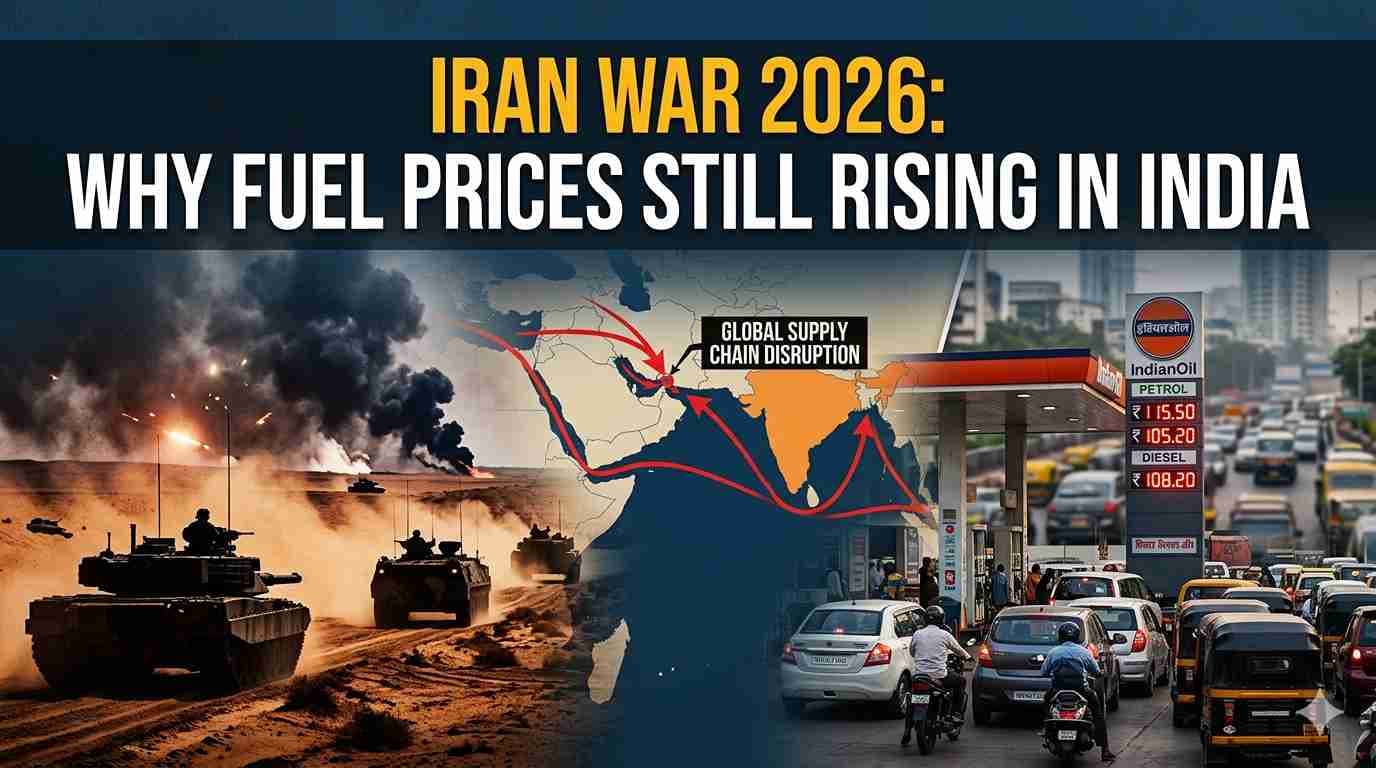
Labor Day weekend 2026 delivered an unwanted historic first for American drivers: for the first time ever, the national average price of gasoline is set to stay above $4 per gallon on Labor Day itself. For NRI and Indian-American families, this record price is directly shaping travel decisions, family budgets, and weekend plans.
Current Gas Price Snapshot (Early September 2026)
| Metric | Price / Detail |
|---|---|
| National Average | $4.13 - $4.15 per gallon |
| Projected Labor Day Average | ~$4.03+ |
| Previous Labor Day Record | $3.82-3.83 (2012) |
| Price One Year Ago | ~$3.16-3.20 |
| Year-over-Year Increase | ~30% |
| Highest State Averages | California (~$5.70-5.80), Hawaii, Washington |
| Relatively Lower States | Parts of Texas, Midwest, South |
Diesel prices have also climbed sharply, and jet fuel costs have pushed airfares higher (up roughly 20-39% on many routes vs. last year).
Why Are Gas Prices So High This Labor Day?
- Ongoing geopolitical tensions in the Middle East, particularly related to Iran and the Strait of Hormuz
- Elevated crude oil prices (Brent moving in the $90-97 range)
- Strong US exports of refined petroleum products
- Tight gasoline inventories
- Higher refining margins
See our companion post: Trump 'Essentially Taken Over Iran' May 2026 — Full Context.
How Record Gas Prices Are Affecting NRI Travel Plans
1. Shift Toward Local and Regional Trips
Many NRIs are canceling or shortening longer road trips. Instead of driving 5-8 hours, families are choosing destinations within 1-3 hours of home:
- Jersey Shore instead of longer Northeast drives
- Local state parks or nearby lakes
- Staycations combined with local Indian community events
2. Higher Total Cost of Family Travel
A typical Indian family of four driving a mid-size SUV can easily spend $80-150 extra on fuel alone for a moderate weekend trip vs. 2025. Add hotel + food and the overall budget rises noticeably.
3. Preference for Cultural Events Over Long Drives
Large Indian community events — Indo American Fair in New Jersey and local temple / association programs — seeing stronger interest because they require minimal travel.
4. Impact on Multi-Generational Families
Many NRI households include elderly parents. High gas prices make long car journeys less attractive due to cost + comfort. Increasing demand for shorter, more relaxed outings.
5. Air Travel Becomes Less Attractive Too
With airfares also elevated, flying to visit family in another state has become more expensive. Some families are postponing longer visits until later in the fall.
Practical Strategies NRIs Are Using This Weekend
Calculate Total Trip Cost First
Before booking anything, add up: fuel (use GasBuddy for accurate local prices), tolls, parking, hotel/Airbnb, food. Many families are discovering that a "cheap" hotel 4 hours away is no longer cheap once fuel is included.
Fuel-Saving Tactics
- Combine errands and travel on the same trip
- Keep tires properly inflated
- Avoid aggressive driving
- Use grocery delivery or local options instead of extra car trips
Consider Carpooling
Community WhatsApp groups being used more actively to share rides to Indian events and festivals.
Leverage Public Transport Where Possible
In NYC, NJ, Chicago, and parts of California, trains and buses can reduce fuel dependency for day trips.
Book Flexible or Refundable Options
Given price volatility, flexible hotel and activity bookings are safer.
Regional Impact on Popular NRI Destinations
Northeast (NY, NJ, PA, CT)
Highest concentration of Indian families. Many staying local or limiting trips to the Jersey Shore and Poconos. Fuel costs on the higher side nationally.
California
Already has some of the highest gas prices in the country. Bay Area and SoCal NRIs heavily favoring local events and shorter coastal trips.
Texas
Generally lower gas prices than the coasts — impact is milder. In-state road trips more feasible.
Midwest & South
Moderate impact. Families still traveling, but with tighter budgets and more careful planning.
Longer-Term Considerations for NRIs
- Evaluating hybrid or more fuel-efficient vehicles for future purchases
- Building larger emergency travel funds
- Planning major family visits around periods of lower expected fuel prices
- Exploring remote or hybrid work arrangements that reduce daily commuting costs
What Experts Expect After Labor Day
Analysts note prices could ease after mid-September when much of the country switches to cheaper winter-blend gasoline and summer demand falls. However, ongoing geopolitical uncertainty means significant relief is not guaranteed in the short term.
Related Labor Day 2026 Coverage
- US Gas Prices Labor Day 2026 — First Time Over $4/Gallon
- Best Labor Day Weekend Getaways 2026 for NRIs
- Labor Day 2026 Events USA for Indian Families
Final Thoughts
Labor Day 2026 will be remembered as the first time the national average gas price stayed above $4 on the holiday. For NRIs, the record prices are prompting more thoughtful, local, and value-focused travel decisions:
- Prioritize shorter distances
- Combine cultural enjoyment with minimal travel
- Calculate the full cost before committing
- Focus on quality time with family rather than maximum miles
Despite higher prices at the pump, meaningful celebrations and family moments are still very much possible — they just look a little different in 2026.
Wishing all NRI families a safe, enjoyable, and budget-conscious Labor Day weekend.
Related NRI Globe Coverage
- US Gas Prices on Track to Top $4 Per Gallon on Labor Day 2026 for the First Time Ever
- US News Weekly NRI Briefing — September 9, 2026 (Tariffs, Jobs, Gas Prices, H-1B, Visa, Diaspora)
- Independence Day vs Republic Day: 12 Differences Explained
- Iran Blockade 2026: Impact on NRIs & Gas Prices
- Iran War 2026 Impact on India: Oil Prices, Economy, NRIs & Remittances Crisis
- European Natural Gas Prices Surge Over 50% as Qatar Halts Production: Energy Crisis Deepens in Winter 2026
- Martin Luther King Jr. Day 2026: A Day of Reflection, Service, and Inspiration for Global Indians
- Trump Tariffs & Cost of Living 2026: Price Hikes on Goods That Affect NRIs in the USA
Fresh from NRI Globe
- YouTuber Nandu's World (Rama Nandana) UK Visa & Job Fraud Case: Full Details + Key Lessons for NRIs (2026)
- Dussehra / Vijayadashami 2026 Events Country-Wise — Global NRI Directory (Ram Lila, Ravana Dahan, Durga Puja Pandals, Ayudha Puja Venues + Booking)
- Diwali 2026 Events Country-Wise — Global NRI Directory (White House, Leicester, London Trafalgar, Toronto, Auckland, Sydney Parramasala, Fiji, Mauritius, Trinidad, South Africa and More)
- Diwali / Deepavali 2026 Country-Wise NRI Celebrations — Complete Global Guide (USA, UK, Canada, Australia, Fiji, Mauritius, Trinidad, South Africa, UAE and 30+ Countries)