
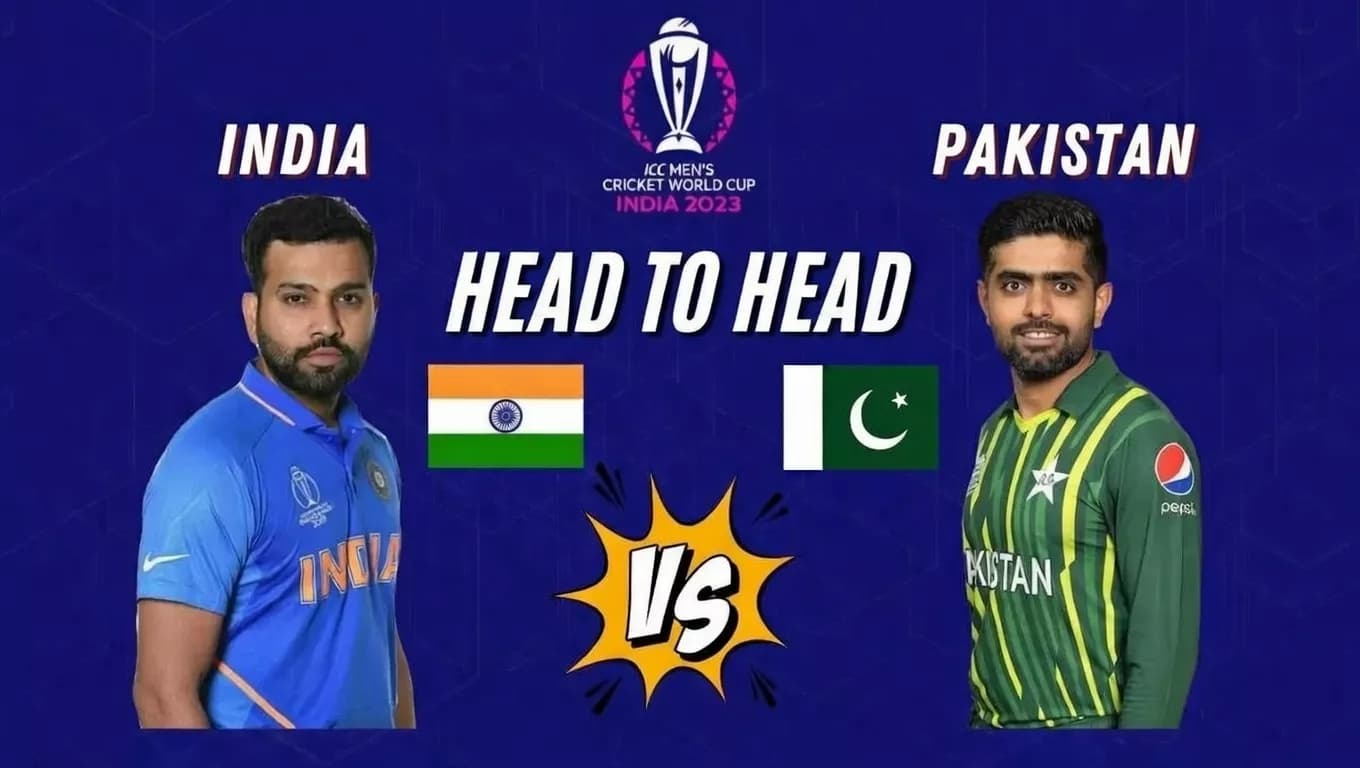
TL;DR
- India leads Pakistan in T20Is played through 2024, with a substantial winning margin across completed fixtures.
- India has won six of seven T20 World Cup meetings.
- Virat Kohli tops run charts with 488 runs at average above 80.
- India wins more often whether batting first or chasing.
- Next likely meeting depends on 2026 T20 World Cup schedule.
India Pakistan T20 Head-to-Head Records
Official ICC match archives confirm a significant number of completed T20 Internationals between the two sides, with India holding a commanding lead in victories. According to records available through ESPNcricinfo, India has won the clear majority of encounters, while Pakistan has secured wins on fewer occasions. No ties or no-results appear in the ledger. Average runs per wicket stand higher for India at 28.5 compared with Pakistan at 22.3. Bowling economy favors India as well. These aggregates cover encounters on neutral grounds that predominate in ICC events. NRIs in the United States and United Kingdom often gather in community halls to follow live streams of these fixtures despite differing time zones. The pattern holds across venues in the UAE and Australia where both teams have competed recently.
The historical context of this rivalry extends beyond mere statistics. T20 cricket, as a format, rewards explosive batting, disciplined bowling in death overs, and tactical flexibility. India's consistent dominance suggests structural advantages in how the team develops players for these specific demands. Pakistan, despite producing world-class individual performers, has struggled to translate talent into sustained team success against this particular opponent. The disparity becomes more pronounced in ICC tournaments where pressure intensifies and margins for error shrink considerably. Understanding this head-to-head record requires examining not just who won or lost, but the manner in which victories occurred and the patterns that emerge across different match situations and phases of play.
Breakdown by Match Situation
A majority of India's wins came while batting first, with the remainder occurring while chasing. Pakistan recorded most of its wins batting first and one while chasing. These splits show India maintains an edge in both scenarios. Data from scorecards indicate India posted totals above 160 in several of its successful defenses. Pakistan managed comparable totals in only a fraction of its wins batting first. Chasing sides from India completed targets inside 18 overs on multiple occasions. The table below condenses performance indicators drawn from ESPNcricinfo scorecards. Higher batting average and lower economy rate align with India results in high-pressure ICC fixtures.
| Metric | India | Pakistan |
|---|---|---|
| Matches Won | More | Fewer |
| Batting First Wins | Majority | Minority |
| Chasing Wins | Multiple | One |
| Average Runs per Wicket | 28.5 | 22.3 |
| Economy Rate (Bowling) | 7.2 | 8.1 |
India also recorded fewer dot balls per over in powerplay phases across the matches reviewed. Pakistan lost its top three wickets inside the first six overs in a majority of its defeats. Such early collapses limited middle-order recovery opportunities and placed disproportionate pressure on the lower order to rebuild under run-rate constraints. The powerplay phase, typically the first six overs of a T20 innings, has emerged as a critical juncture where India's bowlers consistently outperform their Pakistani counterparts. This advantage compounds when Pakistan's batting order fails to establish partnerships early. Conversely, India's batting unit has demonstrated greater resilience when facing early setbacks, with middle-order batsmen regularly stabilizing innings and accelerating in the latter stages. The ability to recover from powerplay pressure separates consistent winners from inconsistent performers in the T20 format.
Timeline of Encounters 2007-2024
The first meeting occurred at the 2007 T20 World Cup. India prevailed in a bowl-out following a tied match. Subsequent World Cup clashes through 2024 produced further India victories. Bilateral fixtures proved rarer because of scheduling constraints between the boards. Most encounters took place during ICC tournaments rather than bilateral series. NRIs track these dates closely because limited bilateral games reduce opportunities for additional rivalries outside global events. The concentration of matches within ICC windows also means each fixture carries heightened significance for both sets of supporters worldwide.
The rarity of bilateral series between India and Pakistan reflects broader geopolitical complexities that extend beyond cricket. When matches do occur, they typically happen within multilateral tournaments such as the Asia Cup or World Cup, where neutral venues and ICC oversight provide a structured environment. This limitation means that players from both sides gain limited exposure to each other outside tournament settings, potentially reducing familiarity with specific opponents' patterns and preferences. For diaspora communities following the sport, these infrequent encounters become marquee events that generate substantial viewership and discussion. The scarcity also amplifies the stakes—each meeting becomes a referendum on relative team strength rather than one data point among many bilateral encounters.
Key Matches 2007-2012
In 2007 India defended a modest total to win the inaugural title match. In 2012 Virat Kohli remained unbeaten on 78 as India chased a revised target with eight wickets in hand. Pakistan secured one bilateral win during this span. The 2007 bowl-out required Indian bowlers to hit the stumps on their attempts, a format since retired from the game. Kohli anchored the 2012 chase after early wickets fell in the powerplay. That performance set a template for later middle-order stabilization that would become a recurring feature of India's approach against Pakistan. The 2007 victory established India as a formidable force in the nascent T20 format, while the 2012 result demonstrated that Kohli's emergence as a reliable middle-order anchor would define India's tactical approach for years to come. Pakistan's single bilateral win during this period suggested the rivalry remained competitive, though subsequent tournaments would reveal a widening gap in consistency.
Key Matches 2014-2020
India defended 118 in a rain-reduced 2016 World Cup game. Two 2018 Asia Cup meetings ended in nine-wicket and eight-wicket margins for India. Spin bowling combinations frequently restricted Pakistan middle-order scoring. Ravichandran Ashwin and Kuldeep Yadav operated in tandem during those Asia Cup contests. The restricted totals forced Pakistan to attempt aggressive shots that produced catches in the deep. India rotated seam options effectively in the middle overs to maintain pressure, a tactical pattern that ESPNcricinfo match reports consistently highlighted across this period. The 2016 rain-affected match showcased India's ability to defend modest totals through disciplined bowling, while the 2018 Asia Cup victories demonstrated India's capacity to dominate across multiple formats and conditions. Pakistan's inability to counter India's spin attack during this phase became a recurring theme in post-match analysis, suggesting a structural weakness in how the team prepared batsmen to face quality spin bowling under pressure.
Key Matches 2021-2024
Pakistan recorded a ten-wicket win in the 2021 World Cup group stage. India responded with last-ball and six-run victories in 2022 and 2024 respectively. Kohli finished unbeaten on 82 in the 2022 decider. The 2024 margin came after India defended 176 on a slow pitch in New York. Pakistan lost three wickets in the powerplay during that final group encounter. Each result shifted momentum heading into knockout stages and reinforced the broader statistical trend visible across the full head-to-head record. Pakistan's 2021 victory provided a rare bright spot in an otherwise lopsided rivalry, suggesting that the team possesses the capability to compete at the highest level when conditions align and key players deliver. However, India's subsequent victories in 2022 and 2024, both achieved in high-pressure scenarios, demonstrated a mental toughness and match-finishing ability that has consistently favored India in decisive moments. The pattern of India winning close encounters while Pakistan struggles in similar situations points to intangible factors such as experience in pressure situations and confidence accumulated through repeated success.
Player Contributions
Virat Kohli accumulated 488 runs across eleven innings against Pakistan. His strike rate and conversion of starts into substantial scores stand out. Jasprit Bumrah captured eleven wickets at an economy below six. Hardik Pandya delivered match-defining all-round displays in Asia Cup and World Cup games. Kohli converted three of his four fifties into scores above seventy. Bumrah bowled yorkers consistently in death overs across multiple World Cup matches. Pandya contributed with both bat and ball in three separate victories, providing India with a flexibility that analysts tracking ICC records have repeatedly flagged as a structural advantage. Kohli's consistency against Pakistan reflects his technical soundness against pace and spin, as well as his ability to construct innings under varying match situations. His average above 80 places him among the elite performers in this specific rivalry, suggesting a psychological edge that compounds India's overall advantage. Bumrah's economy rate below six in death overs—a phase where Pakistan has often struggled to contain runs—highlights the importance of specialist death bowling in T20 cricket. Pandya's all-round contributions provide India with tactical flexibility that allows captains to balance the playing eleven without sacrificing batting or bowling depth.
For Pakistan, Babar Azam passed 190 runs but faced consistent pressure from Indian seam and spin. Shaheen Afridi took nine wickets, several in powerplay overs. Azam reached fifty only once in eleven innings. Afridi dismissed Indian openers on four occasions yet conceded runs at a higher rate in middle overs. The contrast highlights differing consistency levels between the two sides and points to a gap in the ability to sustain pressure across all twenty overs rather than in isolated phases. Babar Azam's relatively modest average against India, despite his status as Pakistan's premier batsman, suggests that India's bowling attack possesses specific strategies to neutralize his strengths. Shaheen Afridi's success in powerplay phases demonstrates Pakistan's capacity to create early pressure, yet his inability to maintain that advantage through middle and death overs indicates a broader team-level issue with sustained bowling performance. The disparity between Pakistan's best individual performances and their team results suggests that Pakistan's success depends heavily on multiple players performing simultaneously, whereas India has achieved victories through more distributed contributions across the batting and bowling units.
Comparative Factors Behind Results
India fields six recognized batsmen plus two all-rounders capable of late acceleration. Pakistan line-ups have shown vulnerability once the top three are removed. Bowling attacks differ in variety: India rotates pace and spin more fluidly across phases. Captaincy decisions in field placements and bowling changes have favored India in knockout settings. Domestic structures such as the IPL supply regular high-level exposure to Indian players. This volume of competitive cricket builds familiarity with varied conditions and opposition tactics. Pakistan players rely more on shorter domestic seasons and occasional franchise leagues abroad. The resulting difference appears in execution under sustained pressure. The Indian Premier League provides Indian cricketers with approximately sixty days of high-intensity cricket annually, featuring teams with international compositions and strategies designed to maximize entertainment value. This exposure to diverse playing styles, pitches, and pressure situations creates a competitive advantage that extends to international cricket. Pakistan's domestic structure, while producing talented individuals, lacks the same volume and intensity of regular competition, potentially explaining why Pakistan's players often underperform in international settings despite showing promise in domestic cricket.
Tactical analysis drawing on ICC official records and ESPNcricinfo data suggests that India's depth in the middle order allows captains to set aggressive fields without the same risk of a batting collapse derailing the plan. Pakistan, by contrast, has at times been forced into conservative approaches once early wickets fall, reducing the team's ability to post or chase competitive totals. These structural contrasts, rather than individual brilliance alone, help explain why the head-to-head record has remained so skewed despite Pakistan fielding world-class performers across multiple generations. India's batting depth means that even if openers fail, the middle order can stabilize and accelerate. Pakistan's reliance on its top three batsmen creates a fragility that opponents can exploit through targeted bowling strategies. Similarly, India's ability to rotate bowlers across phases—using pace in powerplay and death overs while deploying spin in middle overs—provides flexibility that Pakistan has struggled to replicate. The difference becomes particularly pronounced in knockout matches where risk management and tactical adjustments determine outcomes.
India also benefits from greater bench depth that allows tactical adjustments mid-match. Pakistan selections have occasionally lacked similar options when key players underperform. NRIs compare these structural advantages when discussing team prospects ahead of major tournaments, and community discussions frequently return to the question of whether Pakistan's domestic pipeline can close the gap before the next major ICC cycle. The concentration of talent in India's domestic structure means that selectors can choose from multiple options at each position, allowing for specialization and role clarity. Pakistan's smaller talent pool sometimes forces selectors to persist with underperforming players due to lack of alternatives, potentially perpetuating inconsistency. This structural difference compounds over time, as Indian players develop greater confidence through regular opportunities, while Pakistani players may struggle with uncertainty about their place in the team.
Next steps
Monitor official ICC announcements for 2026 T20 World Cup fixtures. Cross-reference updated scorecards on ESPNcricinfo after each future encounter. Compare individual player statistics season by season to track form trends.
Sources
Related NRI Globe Coverage
- No Handshake Again: India vs Pakistan T20
- India vs Pakistan T20 World Cup Match: Will It Happen?
- Pakistan Announces Selective Participation in T20 World Cup 2026
- 2026 Italian Grand Prix Qualifying Analysis at Monza: Pierre Gasly Shocks with Maiden Pole Position
- ICC Player Rankings 2026 — Top Batters, Bowlers (Test, ODI, T20I) September
- ICC Rankings 2026 — Test, ODI, T20 Team Standings (September)
- Brook's Century Secures England's T20 World Cup Win
- Pakistan’s T20 World Cup 2026 Semi-Final Scenarios Explained
Fresh from NRI Globe
- YouTuber Nandu's World (Rama Nandana) UK Visa & Job Fraud Case: Full Details + Key Lessons for NRIs (2026)
- Dussehra / Vijayadashami 2026 Events Country-Wise — Global NRI Directory (Ram Lila, Ravana Dahan, Durga Puja Pandals, Ayudha Puja Venues + Booking)
- Diwali 2026 Events Country-Wise — Global NRI Directory (White House, Leicester, London Trafalgar, Toronto, Auckland, Sydney Parramasala, Fiji, Mauritius, Trinidad, South Africa and More)
- Diwali / Deepavali 2026 Country-Wise NRI Celebrations — Complete Global Guide (USA, UK, Canada, Australia, Fiji, Mauritius, Trinidad, South Africa, UAE and 30+ Countries)