
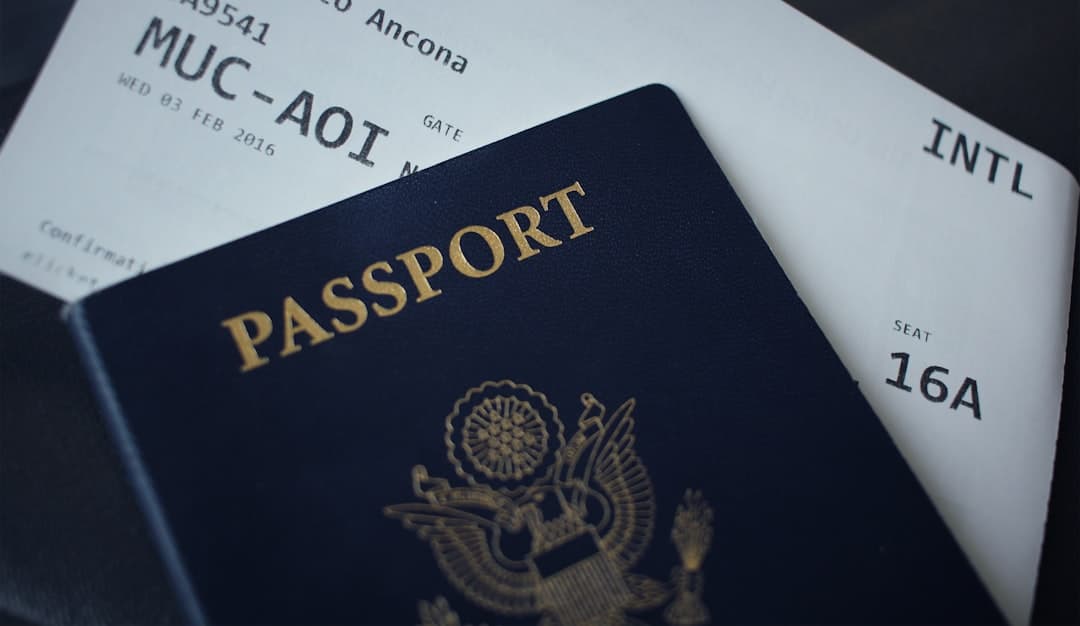
In a significant development for high-skilled immigration, U.S. Congressman Chip Roy (R-TX) introduced the American White-Collar Worker Jobs Act of 2026 on June 4, 2026. The bill targets long-standing criticisms of the H-1B visa program, proposing sweeping changes that could fundamentally disrupt the traditional pathway from H-1B visas to permanent residency (green cards) for hundreds of thousands of Indian professionals.
This legislation comes amid ongoing Trump administration efforts to reform H-1B rules, including higher fees, wage thresholds, and scrutiny on program abuse. For Indian NRIs and tech workers — who form the largest group of H-1B beneficiaries (around 71% in recent years) — the bill raises serious concerns about long-term settlement in the United States.
Key Provisions of the American White-Collar Worker Jobs Act
The bill includes several aggressive reforms designed to prioritise American workers:
- Elimination of dual intent. H-1B applicants would need to maintain a foreign residence and demonstrate no intent to abandon it, effectively ending the “dual intent” policy that has allowed visa holders to pursue green cards while working in the US.
- End of H-1B to green card pathway. Prohibits adjustment of status (AOS) for H-1B holders, forcing consular processing abroad and potentially requiring workers to leave the US during backlogs.
- Scrapping OPT. Ends Optional Practical Training for international students, closing a key pipeline from US education to H-1B employment.
- Stricter hiring and wage rules.
- Employers must prove no qualified US worker is available and advertise jobs publicly.
- Wages at or above the 75th percentile for the occupation and location.
- Ban on hiring H-1B if US workers were laid off recently in similar roles.
- Cap on nonimmigrant workers at 5% of a company’s US workforce.
- Shorter duration and selection changes. Reduces maximum H-1B stay from 6 years to 2 years; shifts from lottery to wage-based selection.
Rep. Roy stated: “For nearly four decades, the H-1B visa has been abused… It’s time to end this lottery-based pipeline and replace it with a system that prioritises merit, enforces real wage standards, and puts America’s white-collar workers first.”
Why This Matters Deeply for Indian NRIs and the Tech Community
Indians dominate H-1B approvals and face the longest employment-based green card backlogs — often more than 10 years due to per-country caps. With over 1.26 million Indians in EB categories waiting, any restriction on the H-1B-to-green-card bridge is a major setback.
- Career and family uncertainty. Many H-1B holders have built lives in the US, with families, homes, and children in American schools. Losing the pathway could force difficult choices — return to India, face status gaps, or abandon long-term plans.
- Impact on students. Scrapping OPT hits recent Indian graduates hard, reducing post-study work opportunities.
- Broader economic ripple. Tech hubs with large desi populations (Silicon Valley, New Jersey, Texas, etc.) could see talent outflows, affecting innovation, real estate, and community businesses.
- Existing pressures. This adds to recent USCIS policy changes emphasising discretionary adjustment of status and Trump-era fee hikes and wage rules.
Current Status and Likelihood of Passage
The bill is in its early stages and faces long odds in a divided Congress. While supported by groups like U.S. Tech Workers and FAIR, it lacks broad bipartisan backing. Moderate Republicans and business interests (tech giants reliant on global talent) are likely to oppose it. Similar past reform attempts have stalled.
However, it reflects growing political momentum around protecting domestic workers amid tech layoffs and economic anxieties.
What Should NRIs and H-1B Holders Do?
- Stay informed. Monitor USCIS visa updates, visa bulletins, and congressional progress. Consult immigration attorneys for personalised strategies.
- Explore alternatives. EB-1 (extraordinary ability), EB-2 NIW, or other categories; consider diversification to Canada, UK, or India opportunities.
- Advocacy and planning. Engage with Indian-American organisations (e.g. via lobbying for backlog relief). Build financial buffers, maintain ties to India, and upskill for global mobility.
- For students and freshers. Prioritise high-wage offers and explore internal company transfers or entrepreneurship paths.
Practical tip: Review your I-140 status and explore premium processing where available. Document everything meticulously for any future applications.
FAQs
Does this bill immediately affect current H-1B holders?
No. It is newly introduced and unlikely to pass quickly. Existing visas and extensions may remain valid, but long-term planning is essential.
How does it impact green card backlogs for Indians?
It could worsen uncertainty by forcing more consular processing and limiting extensions.
Are there positive aspects for American workers?
Proponents argue it protects US STEM jobs and raises standards; critics say it harms innovation and US competitiveness.
What is the Trump administration’s stance?
Trump has supported the H-1B program with reforms for higher skills and wages but has opposed full elimination.
Sources: Rep. Chip Roy congressional release; USCIS policy memos and visa bulletins; statements from U.S. Tech Workers and FAIR; tech-industry analysis. This article is for informational purposes and does not constitute immigration or legal advice — consult a licensed immigration attorney for individual guidance.
Further reading: See the USCIS H-1B visa information and U.S. Department of Labor employment-based visa guidance for official program details.
Continue reading — NRI Globe pillar guide: H-1B Complete Guide for Indians 2026