

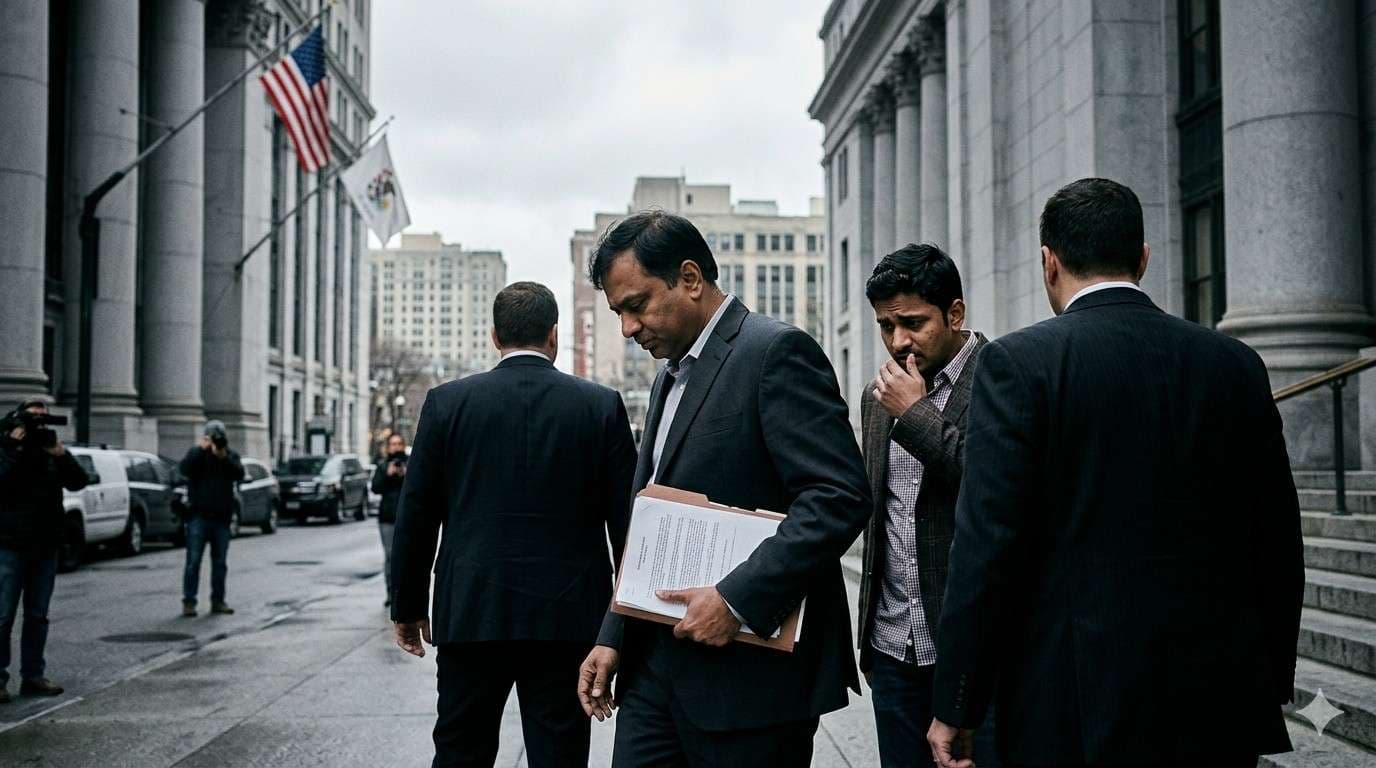
The H-1B visa remains the most important work visa for Indian professionals in the United States. With the 2026 H-1B season under way and ongoing policy discussions in Washington, thousands of Indian IT professionals, engineers, and students are tracking the latest developments closely.
Here is a clear, updated overview of the H-1B visa situation in 2026.
Note: H-1B rules change frequently and this is general information, not legal advice. Verify dates and policy from uscis.gov and consult a qualified US immigration attorney for case-specific guidance.
H-1B Visa Lottery 2026 — Key Dates & Process
- H-1B registration window: March 2026 — completed
- Lottery results: March – April 2026 — announced
- H-1B petition filing: April – June 2026 — ongoing
- Cap-subject H-1B approvals: Ongoing — in process
- Change of status / consular processing: July 2026 onwards — expected
The H-1B cap remains at 85,000 visas per year (65,000 regular + 20,000 for advanced-degree holders). The electronic registration system continues, making the process more structured but still highly competitive.
Current Challenges for Indian Applicants
Indian professionals continue to face several hurdles in 2026:
- Extremely high competition — India accounts for over 70% of H-1B applications every year
- Increased scrutiny on specialty-occupation roles, especially in IT consulting and outsourcing
- Wage-based selection model discussions remain active; if implemented, it could favour higher-paid roles
- Long green-card waits (EB-2 and EB-3) due to per-country caps
- RFE (Request for Evidence) rates remain high for Indian applicants
Positive Developments in 2026
- Faster turnaround reported for premium-processing cases
- More flexibility around remote and hybrid work being accepted by USCIS in some cases
- Growing support from major tech companies and Indian-American advocacy groups for increasing H-1B numbers
- Continued strong demand for skilled talent in AI, cybersecurity, data science, and cloud computing
What Indian Professionals Should Do Now
- Keep your documents ready — especially education evaluations, experience letters, and pay stubs
- Consider premium processing if your employer agrees (additional cost, but faster results)
- Explore alternative visa options such as L-1 (intra-company transfer), O-1 (extraordinary ability), or E-2 (if eligible via a treaty country)
- Start the green-card process early — file I-140 as soon as possible to lock in your priority date
- Stay updated through official USCIS announcements and trusted immigration attorneys
Long-Term Outlook for Indian H-1B Holders
For most Indian professionals, the bigger issue is not just getting the H-1B, but the long wait for permanent residency. Many applicants face waits of 10–15 years or more due to the per-country limit.
There is growing bipartisan discussion in the US about reforming the system, but no major legislative change has been passed yet in 2026.
Final Advice for NRIs
The H-1B visa remains a high-risk, high-reward pathway. While it offers excellent career opportunities and high salaries, the uncertainty around renewals, job changes, and green-card backlogs continues to worry many Indian families.
Professionals in high-demand fields — AI, machine learning, cybersecurity, and cloud architecture — currently have better prospects than those in generic IT roles. Position your skills accordingly, and keep a long-term plan that includes green-card progression.
Have an H-1B question for 2026? Share it in the comments and subscribe to NRIGlobe for the latest immigration updates for Indian professionals.
Related Reading on NRIGlobe
- H-1B Visa 2026 Complete Guide for Indian Nationals
- OPT to H-1B Transition: A Step-by-Step Guide
- US Visa Bulletin 2026: Priority Date Movement for Indians
- L-1, O-1 and E-2: H-1B Alternatives for Indian Professionals
Further reading: See the U.S. Department of Labor and Department of Homeland Security for additional employment-based visa resources.