
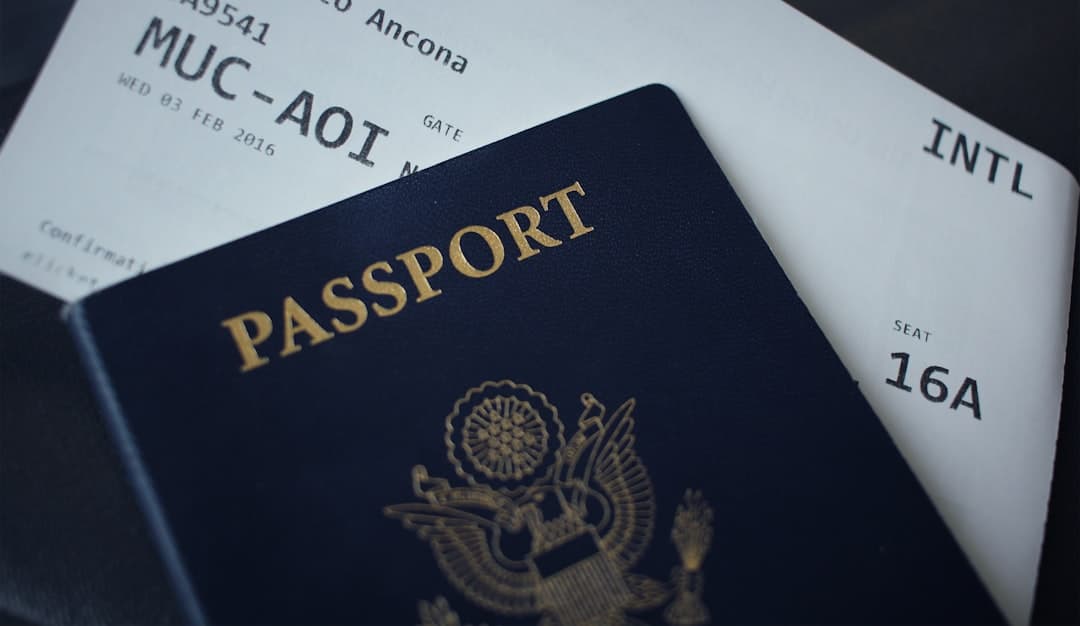
Quick take: The US has introduced or advanced multiple immigration policy changes in 2026 that significantly affect Indian nationals — the largest group of H-1B recipients, international students, and employment-based green card applicants. Here is a clear breakdown of the major new and proposed rules as of early September 2026, what they mean for Indians, and practical steps.
1. Major Changes to F-1 Student Visas (Duration of Status Ended)
One of the biggest shifts is the end of the long-standing "Duration of Status" (D/S) system for F-1 students and J-1 exchange visitors.
- Fixed period of stay: Students now generally admitted for a fixed term tied to program length, with a maximum of around 4 years in many cases.
- Extensions required: Students in longer programs (PhDs, dual degrees, delays) must file Form I-539 with USCIS to extend, pay fees, and provide biometrics.
- Shorter post-completion grace period: Reduced from 60 days to 30 days after program completion to depart, change status, or transition.
- Increased scrutiny: Greater review of social media history (up to 5 years in some cases), more in-person interviews, tighter screening.
These changes take effect around mid-September 2026 (subject to final implementation timelines). Indian students, one of the largest international student populations in the US, face more administrative steps and less flexibility.
Impact on Indians: Planning for longer programs becomes more complex and costly. Students should work closely with Designated School Officials (DSOs) and consider early extension filings.
2. H-1B Visa Rule Changes and Higher Costs
Indians account for roughly 70% of approved H-1B petitions in recent years, making these changes particularly relevant.
Key updates and proposals
- Wage-weighted selection: Pure random lottery replaced or supplemented by a system prioritizing higher-wage positions — favoring more senior or specialized roles.
- High additional fees: A $100,000 fee linked to certain new H-1B entries (from a 2025 proclamation) has faced legal challenges with mixed court outcomes. Separately, DHS has proposed a substantial fee (reported around $103,265) for cap-subject H-1B petitions. Additional supplemental fees apply to certain large employers for extensions.
- Stricter third-party placement rules: Tighter requirements to prove genuine employer-employee relationship when workers are placed at client sites — commonly used by Indian IT and consulting firms.
- Higher prevailing wages: Proposed increases to wage levels (raising the entry-level benchmark significantly) for H-1B and PERM cases.
- 60-day grace period under review: A proposed rule to eliminate the discretionary 60-day grace period after job loss cleared White House review but is not yet final or in effect. Current 60-day rule remains available.
These measures increase employer costs and can make sponsorship of entry- or mid-level talent less attractive. See our detailed H-1B Complete Guide for Indians 2026 and H-1B Job Loss 60-Day Playbook.
3. Green Card (Employment-Based) Backlogs for Indians
Employment-based immigrant visas continue to face severe country-specific limitations:
- EB-2 India: Unavailable for the remainder of Fiscal Year 2026 (ends September 30, 2026). Numbers reset October 1 for FY 2027.
- EB-1 India: Final Action Date around October 15, 2022. Warnings that high demand could make the category unavailable before fiscal year-end.
- EB-5 (unreserved): Limits reached for Indian applicants earlier in the year in some cases.
- Family-sponsored categories have seen more positive movement in recent Visa Bulletins.
High demand from India continues to drive long wait times under the per-country caps. Complete strategy in our US Green Card for Indians pillar — EB-1/EB-2/EB-3 timelines, backlog, PERM, I-140.
4. Other Important Compliance and Policy Updates
- Carry proof of status: Stronger enforcement requiring nonimmigrants and permanent residents to carry physical evidence of valid status (I-94, Green Card, EAD, etc.).
- Public charge rules: Broader scrutiny is being restored or strengthened for adjustment of status and consular processing.
- Visa appointment processing: Temporary pauses or delays at consulates have occurred due to training on new rules.
- Potential future tightening of OPT/STEM OPT and related practical training programs is under discussion for 2027.
Officials have stated that the rules are applied globally and not country-specific, though the volume of Indian applicants means the practical impact is largest for this group.
What Indians and NRIs Should Do Now
- Students: Confirm your program end date and authorized stay. Plan early for any needed I-539 extension. Update social media and prepare for stricter interviews.
- H-1B holders and applicants: Track fee developments and legal challenges closely. Employers may prefer higher-wage or specialized roles. Maintain strong documentation of the employer-employee relationship.
- Job loss scenarios: Understand current 60-day grace period rules thoroughly (still in effect) and act quickly on transfers, status changes, or departure — see our H-1B Job Loss 60-Day Playbook.
- Green card applicants: Monitor the monthly Visa Bulletin. Consider alternative strategies (EB-1 upgrades, NIW, or other pathways) and maintain continuous status.
- General advice: Consult a qualified immigration attorney for personalized guidance. Keep records of all filings, I-94s, and communications. Stay updated via official USCIS and Department of State sources.
Looking Ahead
While some measures aim to increase costs, raise wage standards, and tighten oversight, pathways for high-skilled talent remain open. Indian professionals and students continue to play a major role in US technology, engineering, healthcare, and research sectors. Adaptation through skill upgrades, careful planning, and professional legal support will be key.
At NRI Globe, we provide ongoing coverage of US immigration updates, career guidance, H-1B strategies, and resources for the Indian diaspora. Bookmark our site and check the Jobs/Career and Immigration sections regularly.
Disclaimer: Immigration rules change frequently and can be complex. This article summarizes publicly reported developments as of early September 2026 and is for informational purposes only. It is not legal advice. Always verify the latest official information on uscis.gov and travel.state.gov, and consult a licensed immigration attorney for advice specific to your situation.
Related NRI Globe Coverage
- US NRI Visa & Immigration Hub 2026 — H-1B, H-4, F-1, Green Card, Layoffs — Everything in One Place
- Trump Administration Expands Social-Media Vetting for All US Visas in June 2026: Complete Checklist for Indian NRIs
- Trump Tightens H-1B and Green Card Rules in June 2026: What Indian NRIs and Tech Professionals Must Know Now
- Social Media Vetting for US Visas: What H-1B and Green Card Applicants from India Must Do Now
- Trump Administration Tightens Green Card Rules: NRIs on H-1B May Need to Return Home for Consular Processing
- UAE Golden Visa 2026 for Indians — Complete Guide (Eligibility, Application, Investment)
- EB-1 vs EB-2 Green Card Backlogs for India — September 2026 Visa Bulletin Comparison (4-5 Years vs 179 Years)
- Germany EU Blue Card + Opportunity Card for Indians 2026 — Complete Pillar
Fresh from NRI Globe
- YouTuber Nandu's World (Rama Nandana) UK Visa & Job Fraud Case: Full Details + Key Lessons for NRIs (2026)
- Dussehra / Vijayadashami 2026 Events Country-Wise — Global NRI Directory (Ram Lila, Ravana Dahan, Durga Puja Pandals, Ayudha Puja Venues + Booking)
- Diwali 2026 Events Country-Wise — Global NRI Directory (White House, Leicester, London Trafalgar, Toronto, Auckland, Sydney Parramasala, Fiji, Mauritius, Trinidad, South Africa and More)
- Diwali / Deepavali 2026 Country-Wise NRI Celebrations — Complete Global Guide (USA, UK, Canada, Australia, Fiji, Mauritius, Trinidad, South Africa, UAE and 30+ Countries)