By NRIGlobe Desk | April 13, 2026
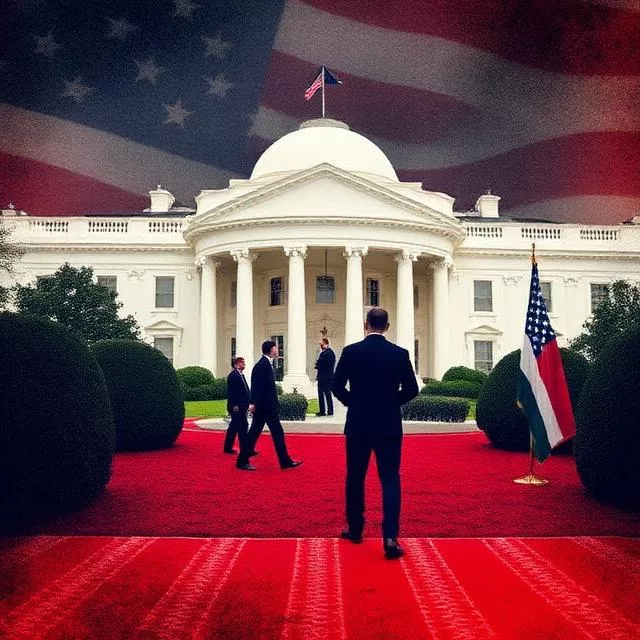
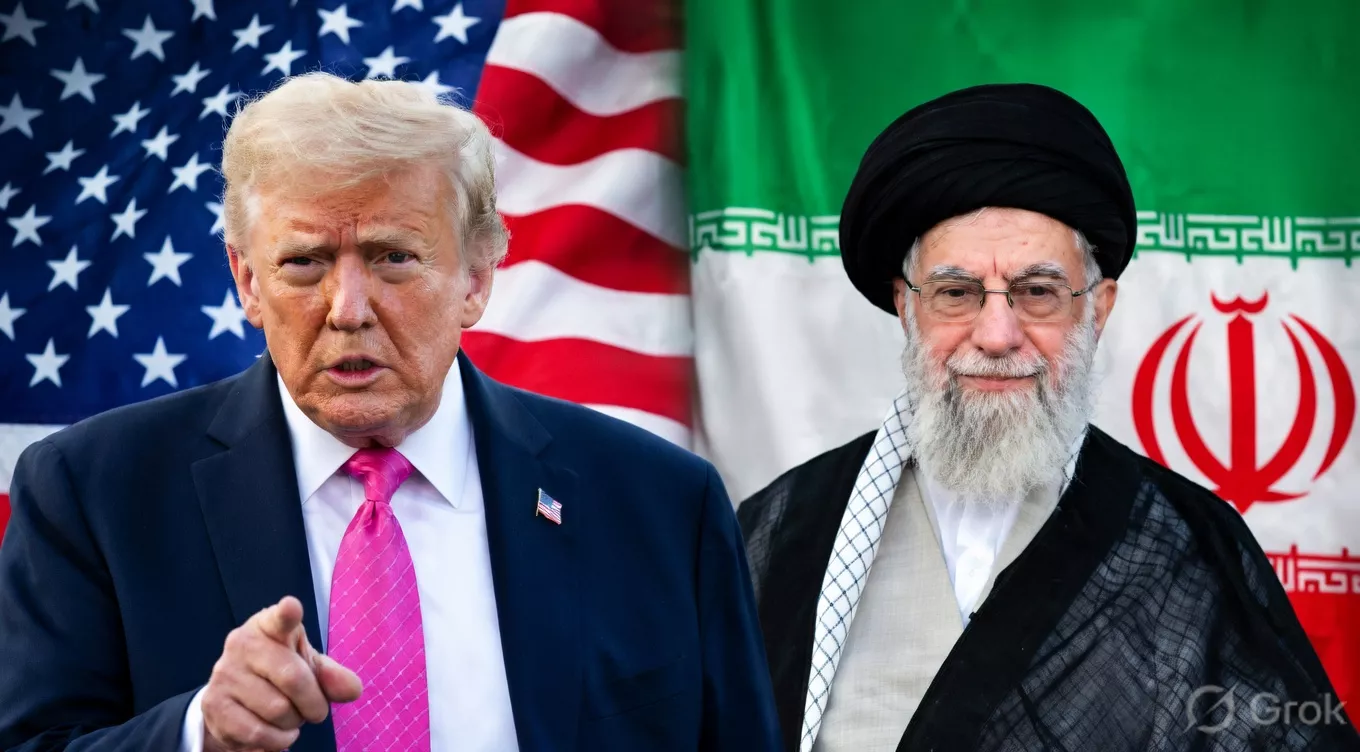
In a major setback for Middle East peace efforts, high-stakes direct negotiations between the United States and Iran collapsed in the Pakistani capital of Islamabad after an intense 21-hour session. What began as a promising diplomatic breakthrough mediated by Pakistan ended without any agreement, raising fresh concerns about the fragile two-week ceasefire and potential escalation in the region.
Here is the complete inside story — told step by step — of how the historic talks unfolded and ultimately failed.
Step 1: The Fragile Ceasefire and Pakistan’s Diplomatic Triumph
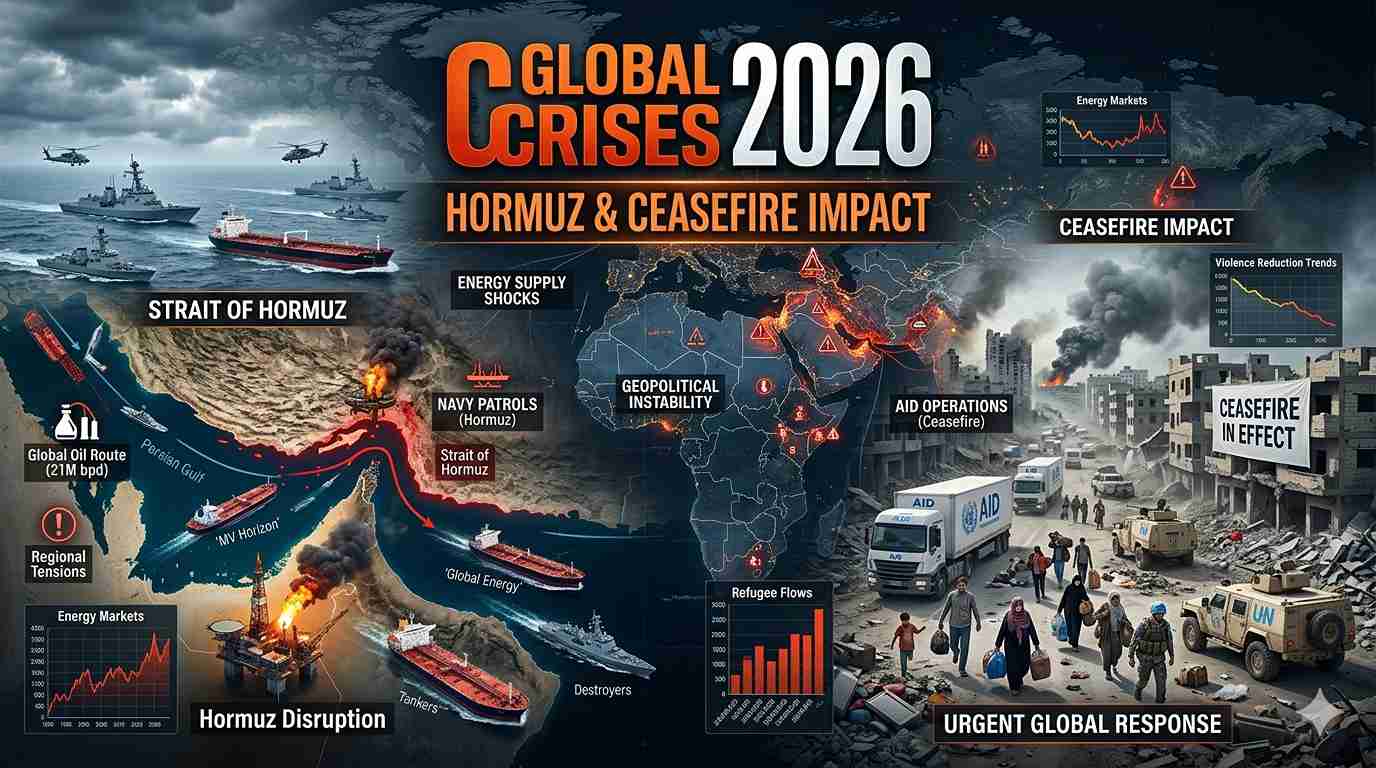
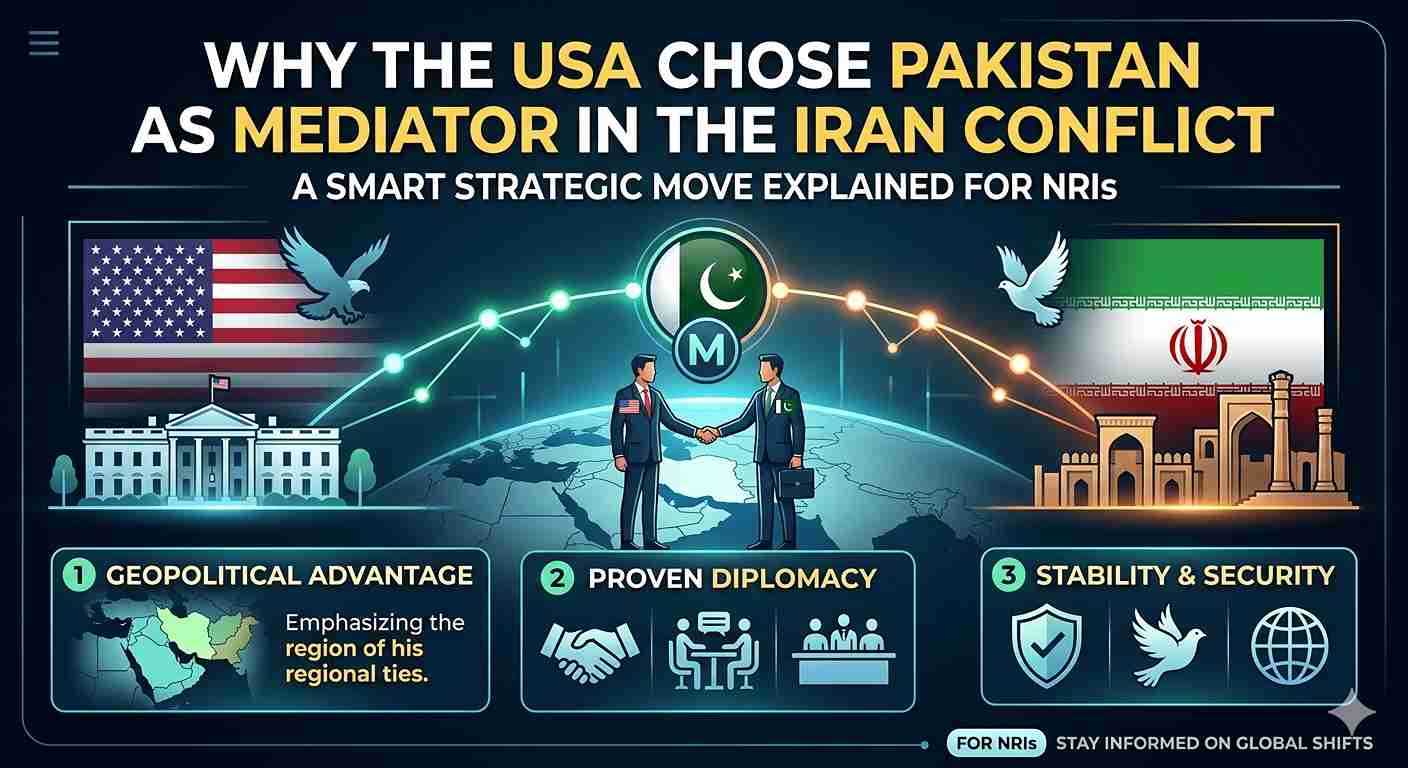
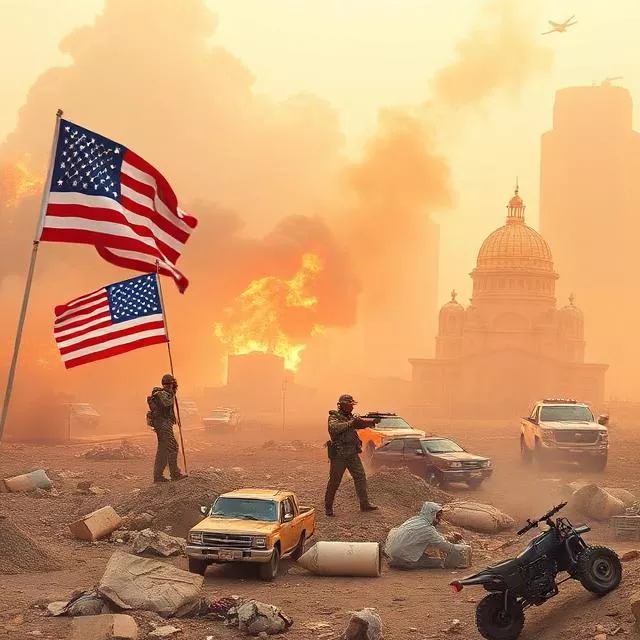
After six weeks of conflict that disrupted global oil supplies and heightened tensions across the Middle East, the United States and Iran announced a two-week ceasefire on April 7-8, 2026. Pakistan played a pivotal mediating role, with Prime Minister Shehbaz Sharif and Army Chief Field Marshal Asim Munir earning praise from both sides for helping broker the pause in hostilities.
The truce created a narrow window for direct face-to-face talks. Pakistan positioned Islamabad as a neutral venue, marking a significant diplomatic win for the South Asian nation and drawing global attention to its growing role in regional conflict resolution.
Step 2: Historic Arrival – Direct Talks Begin at Serena Hotel
On Saturday, April 11, 2026, senior delegations arrived in Islamabad for what many described as the most significant direct engagement between the U.S. and Iran since the 1979 Islamic Revolution.
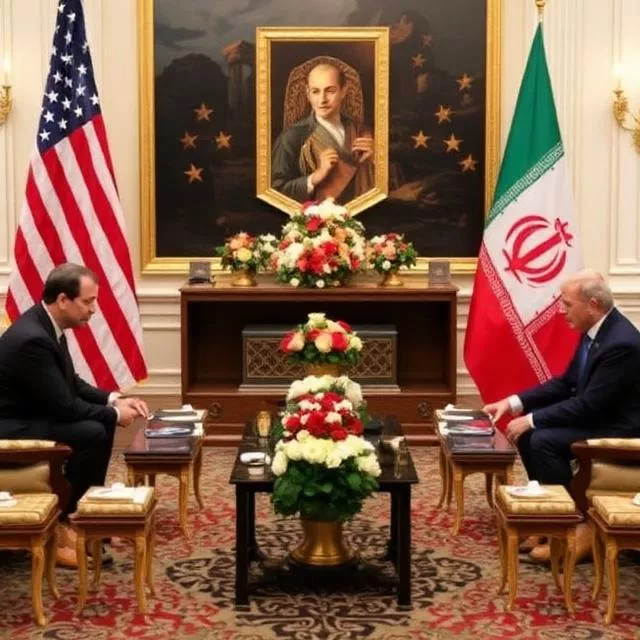
The U.S. delegation was led by Vice President JD Vance, accompanied by high-level envoys. Iran sent a powerful team including Foreign Minister Abbas Araghchi and Parliament Speaker Mohammad Bagher Ghalibaf. Pakistani leaders facilitated the meetings at the Serena Hotel, shuttling between rooms to keep the momentum going.
For the first time in decades, American and Iranian officials sat across the table without intermediaries. The agenda included reopening the Strait of Hormuz to international shipping, Iran’s nuclear program, missile capabilities, and broader regional de-escalation.
Step 3: The Grueling 21-Hour Marathon – Moments of Hope and Deep Divisions
Negotiations stretched non-stop for over 21 hours, with only brief breaks for meals, prayers, and consultations. Sources described periods of cautious progress on humanitarian and economic issues, but core disagreements proved insurmountable.
The United States pushed for a clear, verifiable commitment from Iran to abandon any path to nuclear weapons and ensure free passage through the Strait of Hormuz. Vice President Vance later called this America’s “final and best offer.”
Iranian officials countered that U.S. demands were “excessive” and accused Washington of shifting goalposts. They highlighted ongoing regional tensions, including actions in Lebanon, as major stumbling blocks. As exhaustion set in during the early hours of Sunday, April 12, it became clear that neither side was willing to compromise on its fundamental red lines.
Step 4: The Moment of Collapse – Vance Announces No Deal
In the early hours of Sunday morning, Vice President JD Vance addressed the media before departing on Air Force Two. His message was blunt:
“The bad news is that we have not reached an agreement. And I think that’s bad news for Iran much more than it’s bad news for the United States of America… They have chosen not to accept our terms.”
Iran responded sharply, with officials stating that the “U.S. failed to earn our trust” and blaming maximalist American positions for the breakdown. Pakistan expressed disappointment but urged both parties to honor the existing ceasefire and consider future rounds of dialogue.
Step 5: Trump’s Firm Response from Washington
Back in Washington, President Donald Trump reacted swiftly. He confirmed that the talks failed primarily because Iran refused to give up its nuclear ambitions. Trump reiterated that U.S. forces remain “locked and loaded” and announced plans for a naval blockade of the Strait of Hormuz starting soon, aimed at increasing pressure on Tehran while protecting global energy flows.
He also issued a strong warning to China, stating that any supply of advanced weapons or air defense systems to Iran would result in “big problems” for Beijing, including potential heavy tariffs.
What This Means for the World and the Indian Diaspora
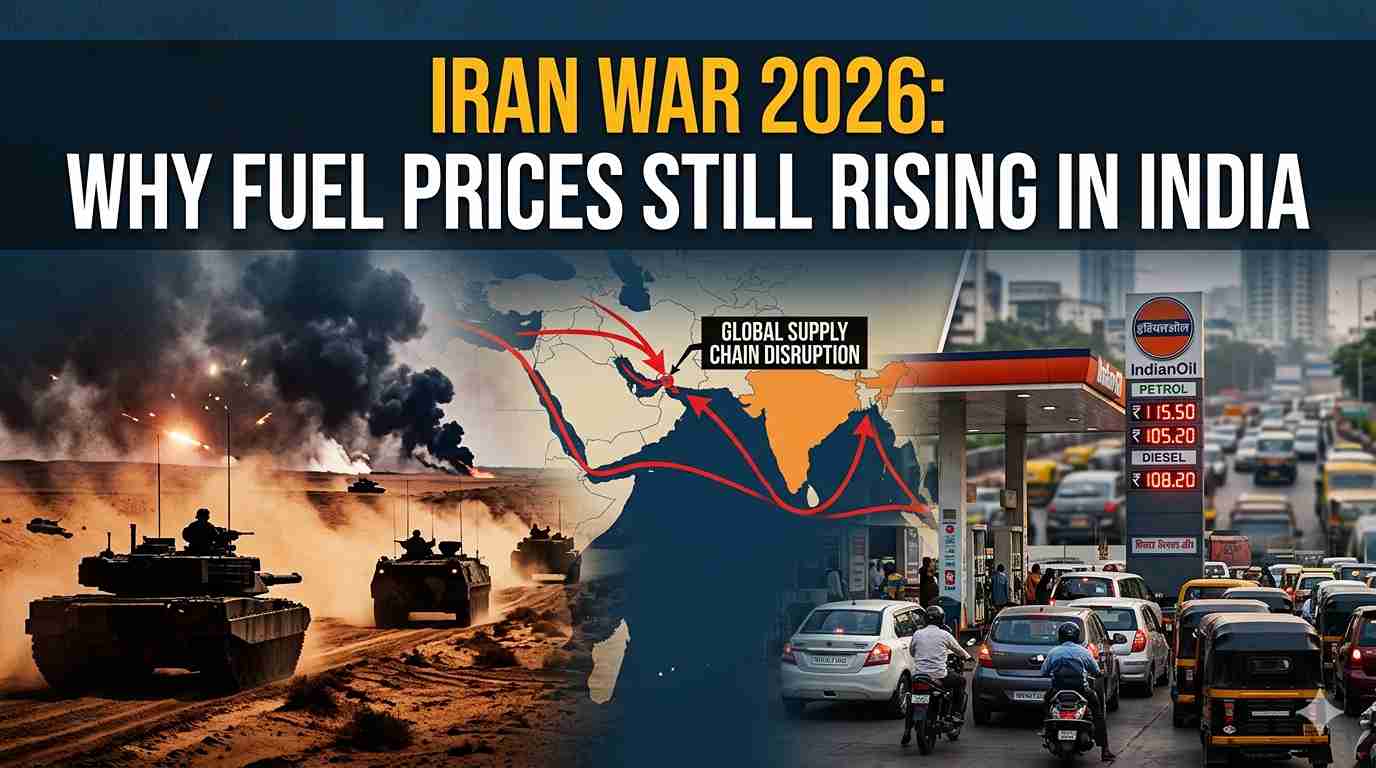
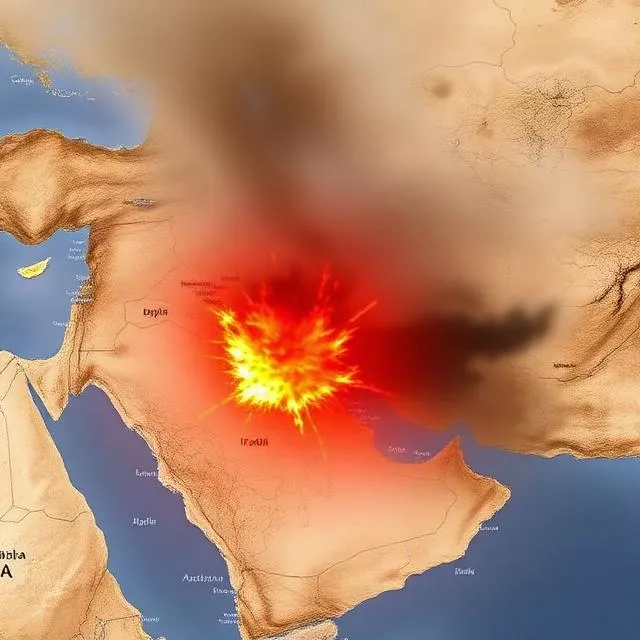
The collapse leaves the ceasefire’s future uncertain as its April 22 expiry date looms. Global oil markets are already showing volatility, which could directly impact energy prices and remittances for millions of NRIs working in the Gulf region.
For the Indian diaspora, stability in the Middle East remains crucial — whether for the safety of Indian workers, energy security back home, or India’s broader strategic interests in the region. Pakistan’s successful hosting of the talks has also spotlighted shifting South Asian diplomacy.
Analysts say further escalation could affect everything from shipping routes to inflation worldwide. Pakistan has kept the door open for renewed talks, but the coming days will be critical.
NRIGlobe will continue to provide balanced, in-depth coverage of this fast-evolving story, including impacts on global Indians, energy markets, and international relations.