By NRIGlobe Desk | April 13, 2026
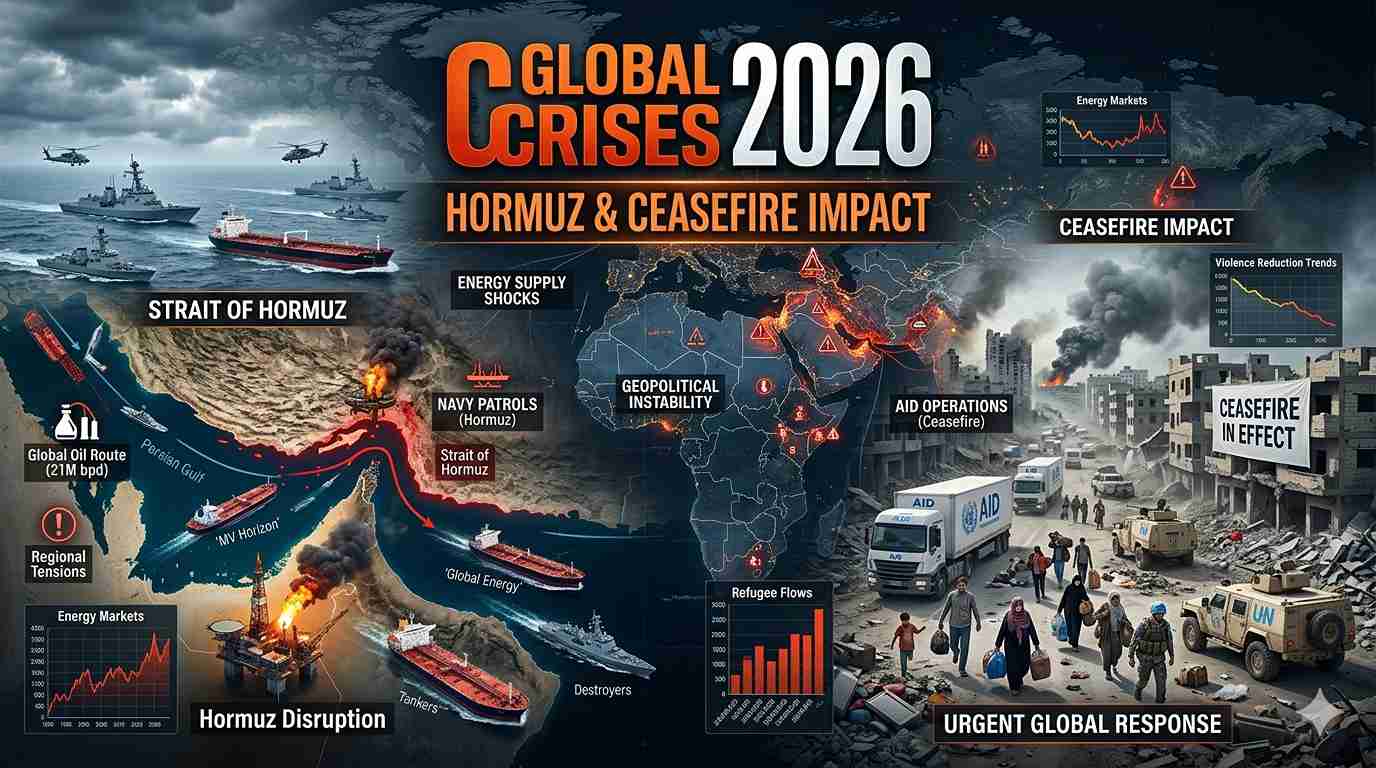
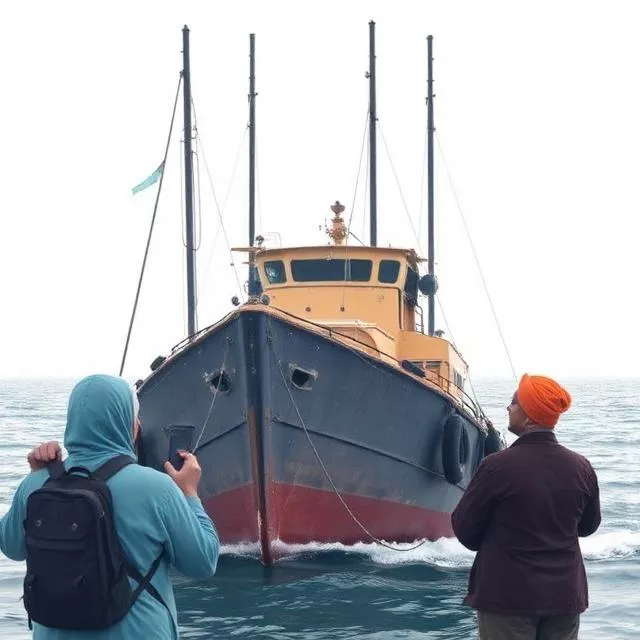
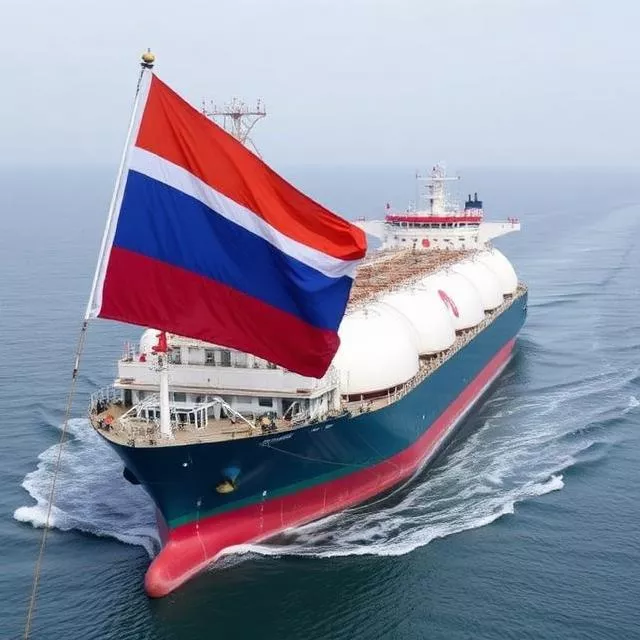
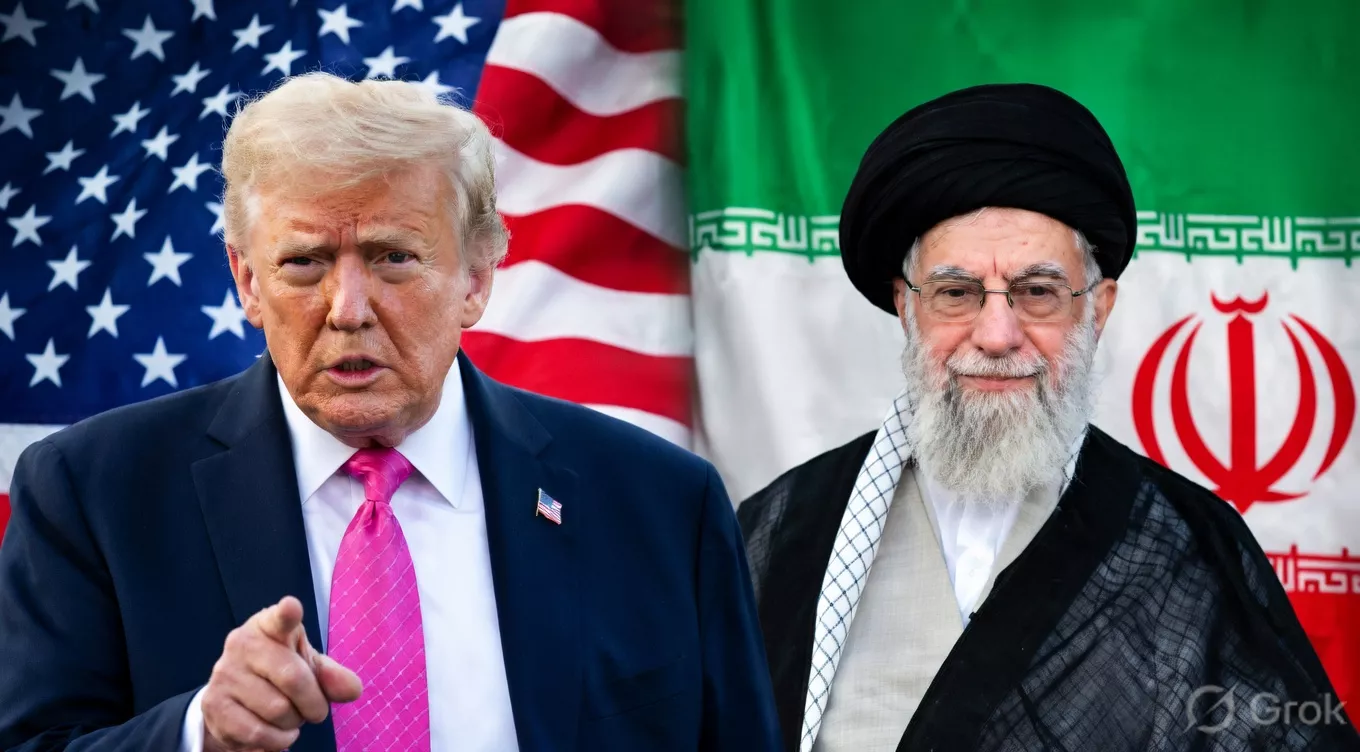
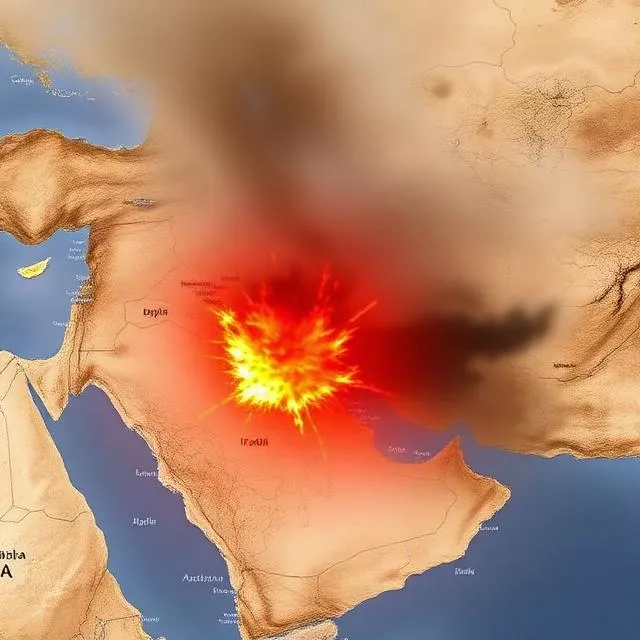
In a dramatic escalation following the collapse of U.S.-Iran peace talks in Islamabad, President Donald Trump has ordered the U.S. Navy to impose a blockade on the Strait of Hormuz, effective immediately. This narrow waterway — through which nearly 20% of the world’s oil and a significant share of global LNG passes — is now at the center of a high-stakes standoff, putting global energy supplies in serious jeopardy.
For India and its vast diaspora in the Gulf, the developments carry direct and potentially far-reaching consequences.
What Exactly Is the Strait of Hormuz Blockade?
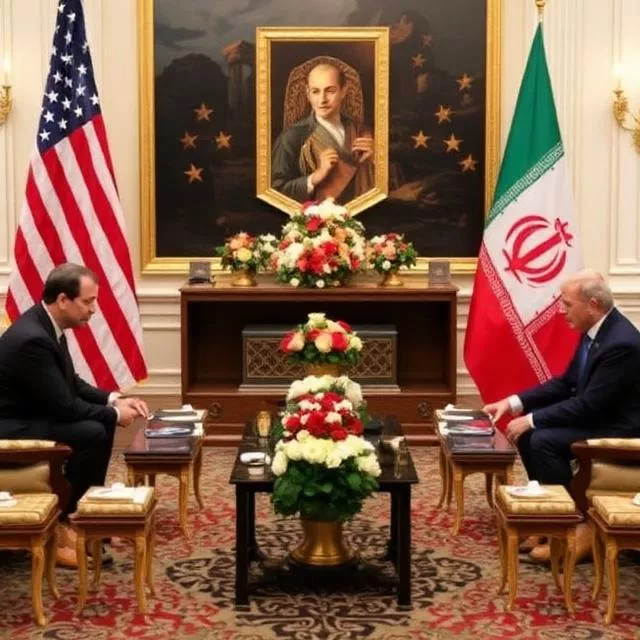
After a grueling 21-hour negotiation session in Pakistan’s Serena Hotel ended without agreement on April 11-12, President Trump announced that the U.S. Navy would begin blockading ships entering or leaving the Strait of Hormuz. U.S. Central Command (CENTCOM) clarified that the operation, starting at 10 a.m. ET on Monday, April 13, primarily targets vessels connected to Iranian ports, while allowing international shipping not linked to Iran to continue with freedom of navigation.
Trump described the move as a response to Iran’s refusal to abandon its nuclear ambitions and its earlier attempts to restrict the vital chokepoint. He emphasized that the “finest Navy in the world” would enforce the blockade to prevent Iran from profiting through what he called an “illegal act of extortion.”
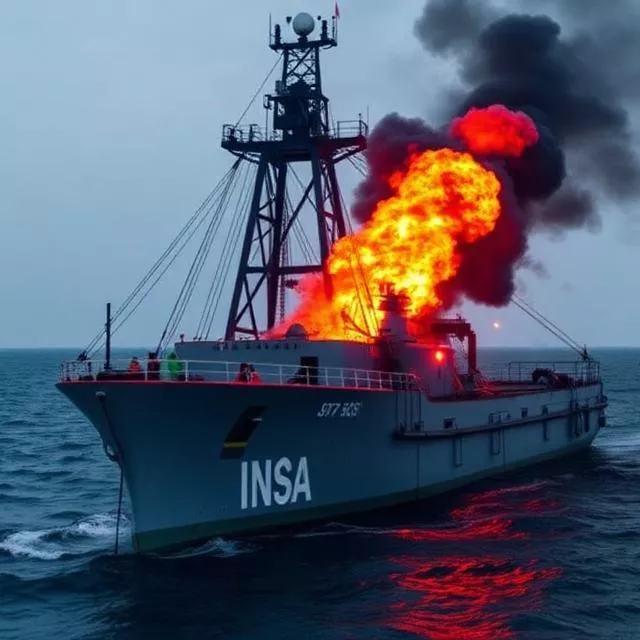
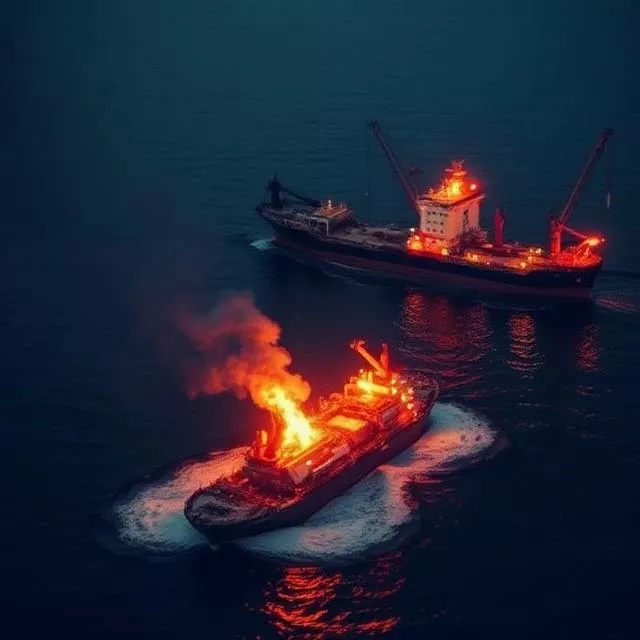
Iran has vowed to retaliate against any military interference in the strait, raising fears of naval clashes or further disruptions.
Why the Strait of Hormuz Matters to the World — and Especially to India
The Strait of Hormuz is one of the most critical maritime chokepoints on the planet. Located between Iran and Oman, it serves as the only sea route for oil and gas exports from several major Gulf producers, including Saudi Arabia, UAE, Qatar, Kuwait, and Iraq.
- Nearly 20% of global oil consumption transits through this 21-mile-wide passage daily.
- A large portion of the world’s LNG trade, particularly from Qatar, also relies on it.
For India, the stakes are particularly high:
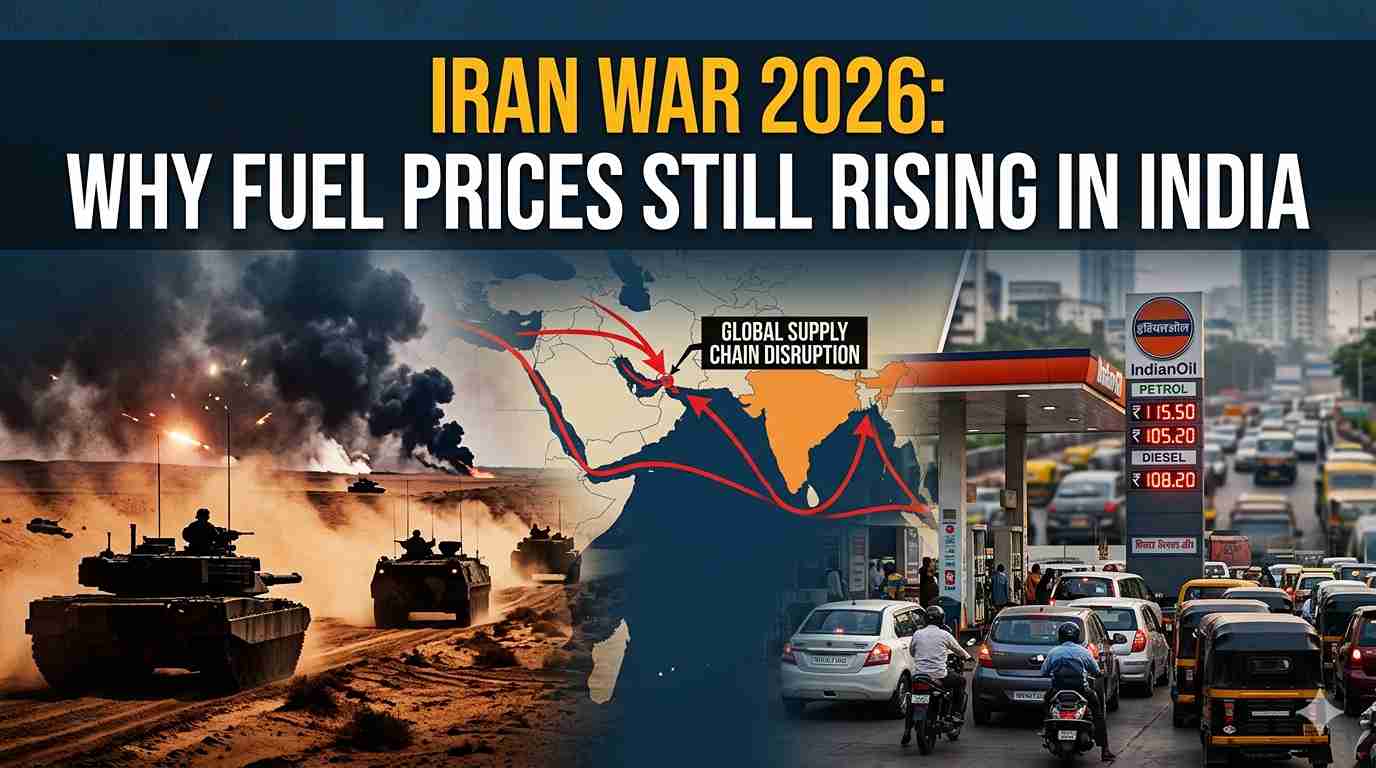
- India imports around 2.5 to 2.7 million barrels per day of crude oil through the Strait of Hormuz — accounting for nearly 40-50% of its total crude imports.
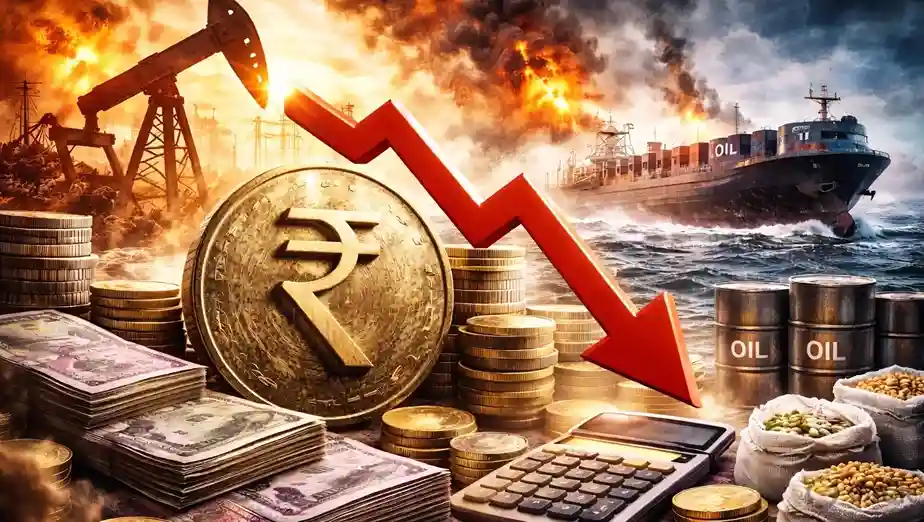
- Any prolonged disruption could push domestic fuel prices higher, affect inflation, and strain the economy.
Oil prices have already surged, crossing $100 per barrel in early trading on April 13, reflecting market fears of supply shortages.
Impact on Indian Diaspora and Gulf-Based NRIs
With over 10 million Indians living and working across Gulf Cooperation Council (GCC) countries, the blockade adds layers of concern:
- Energy and Cost of Living: Higher global oil prices could increase fuel and transportation costs in the Gulf, indirectly affecting the daily lives and remittances of NRIs.
- Job Security: Sectors like construction, logistics, oil & gas, and hospitality — major employers of Indian professionals and workers — may face slowdowns if regional trade and shipping are hit.
- Safety of Indian Seafarers: Several India-linked vessels operate in the region. Any naval escalation could put Indian sailors and merchant ships at risk.
- Remittances and Economy Back Home: Disruptions in Gulf economies often translate into slower remittances to India, which remain a vital source of foreign exchange.
The Indian government is closely monitoring the situation and has reportedly begun exploring alternative sourcing from the U.S., Russia, Canada, and other suppliers to mitigate short-term shocks.
Global Ripple Effects Beyond Oil
Analysts warn that a sustained blockade could disrupt not just oil but also supply chains for petrochemicals, fertilizers, and other commodities. Emerging economies in Asia, including India, China, and Japan, would feel the pinch hardest due to their heavy dependence on Gulf energy.
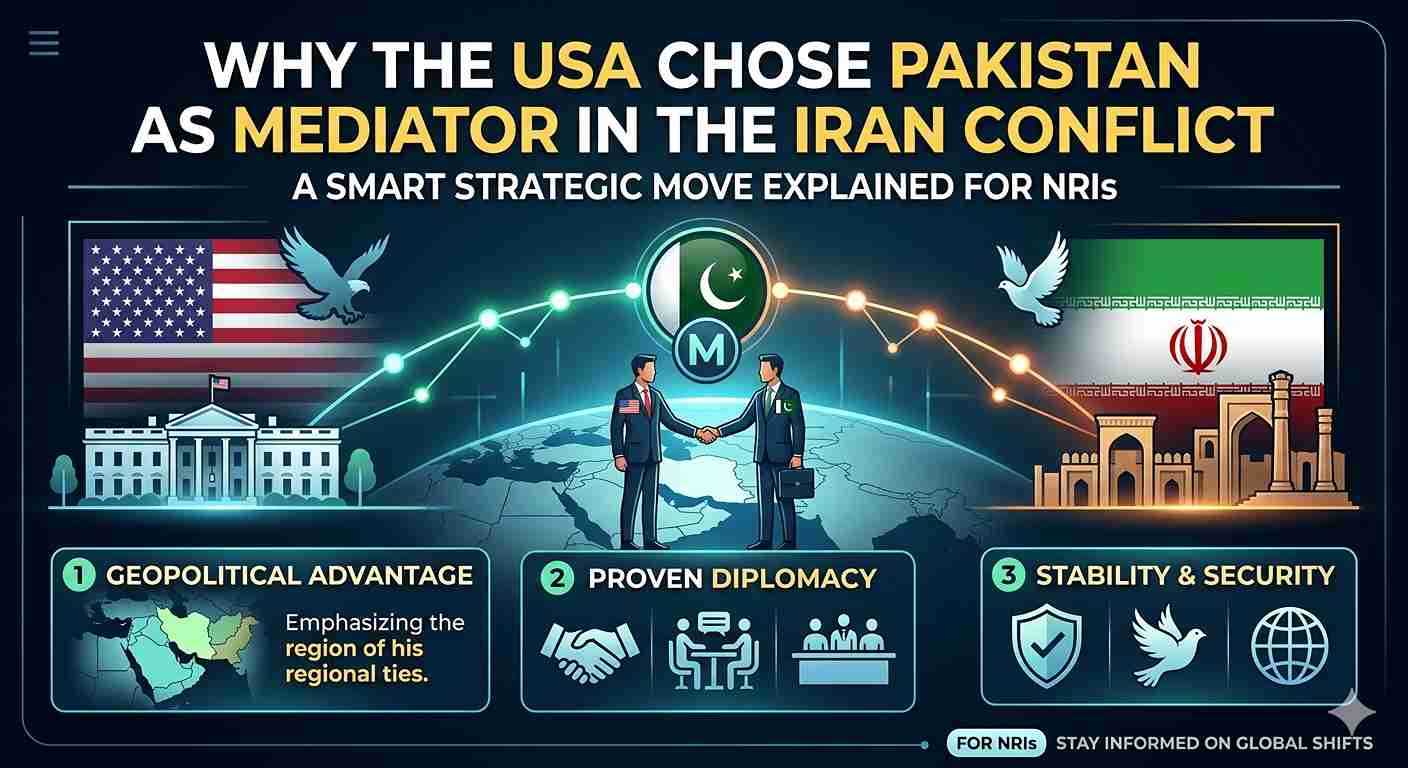
Pakistan, which hosted the failed talks, has called for restraint, while international observers urge both sides to avoid actions that could derail the fragile two-week ceasefire set to expire on April 22.
What’s Next?
As the U.S. Navy begins enforcement, markets remain volatile. President Trump has acknowledged that oil and gasoline prices may stay elevated in the short term, but maintains that the pressure on Iran will ultimately serve long-term stability.
For India, the coming days will test its strategic diversification efforts and diplomatic balancing between major powers.
NRIGlobe will continue to bring you timely updates on the Strait of Hormuz situation, its impact on oil prices, Indian energy security, the safety of NRIs in the Gulf, and broader geopolitical developments.