
TL;DR
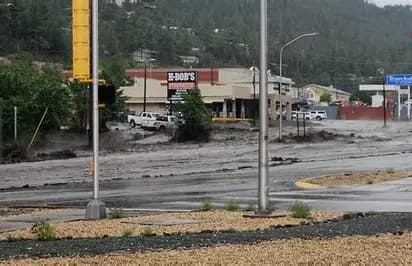
- In early July 2025, the Rio Ruidoso in New Mexico surged to record levels—reportedly over 20 feet—triggered by intense monsoon rainfall in a compressed timeframe.
- Burn scars from recent wildfires stripped vegetation, accelerating runoff and amplifying flood severity.
- Numerous swift-water rescues were conducted; homes were swept away in Upper Canyon, Brady Canyon, and Cedar Creek neighborhoods.
- Emergency shelters opened at community centers and local churches to house displaced residents.
- Climate-driven monsoon patterns and wildfire aftermath create a new reality of frequent, severe flooding in the Southwest.
A Village Under Siege: The Unrelenting Power of Nature
Nestled in the Sierra Blanca mountains, Ruidoso, New Mexico, has long attracted visitors seeking mountain refuge and outdoor recreation. In early July 2025, the Rio Ruidoso—a 30-mile river that normally flows gently through the valley—transformed into a destructive torrent. In minutes, water levels rose dramatically, obliterating homes, displacing families, and forcing emergency evacuations across multiple neighborhoods. The National Weather Service issued a Flash Flood Emergency, declaring "A DANGEROUS situation is unfolding in RUIDOSO" as residents scrambled to reach higher ground.
The scale of the surge was unprecedented in recent memory. Reports indicated the Rio Ruidoso reached record crest heights, substantially exceeding previous flood levels documented in recent years. Eyewitness videos showed entire structures lifted from foundations and carried downstream like toys, colliding with trees and debris. The floodwaters moved with such velocity that rescue operations became life-or-death efforts, with trained teams deployed to extract residents from homes and vehicles in the path of the surge.
The Trigger: Monsoon Rains and Burn Scars
The immediate cause was a powerful thunderstorm that dumped significant rainfall in a compressed timeframe, with reports suggesting 1.5 to 2.5 inches or more fell within hours. However, the deeper vulnerability lay in the landscape itself. Recent wildfires in the region had stripped away vegetation across thousands of acres, leaving soil exposed and unable to absorb moisture. These burn scars—areas denuded of trees and ground cover—act as accelerants for runoff. Rain that would normally percolate into soil or be slowed by vegetation instead races downslope, concentrating into streams and rivers with devastating force.
Hydrologists and fire ecologists have documented this pattern repeatedly: wildfires increase flood risk for 3–5 years post-burn. The recent fires in the Ruidoso area created ideal conditions for catastrophic flooding. When monsoon moisture from the Gulf of Mexico collides with high-elevation terrain stripped of vegetation, the result is precisely what unfolded—a wall of water that overwhelms infrastructure designed for normal flow rates. The combination of denuded hillsides and intense precipitation creates a perfect storm for flash flooding, one that engineers and planners struggle to accommodate through traditional drainage and levee systems.
The National Weather Service issued warnings to residents in Ruidoso, Ruidoso Downs, Glencoe, and Alto, urging immediate evacuation. Meteorologists noted that additional rainfall could trigger further surges, keeping the region in a state of heightened alert throughout the event and in subsequent days.
A River's Wrath: Homes Swept Away
The destruction was concentrated in neighborhoods most exposed to the Rio Ruidoso's path. Upper Canyon, Brady Canyon, and Cedar Creek bore the brunt of the surge. Social media and news footage captured surreal scenes: structures, intact but uprooted, tumbling downstream; vehicles crushed beneath debris; families standing on rooftops awaiting rescue. The power of the floodwaters defied conventional expectations of what a mountain river could accomplish in a matter of minutes.
At Gavilan Trailer Park and other residential areas, residents found themselves trapped as water rose faster than evacuation could proceed. Rescue crews conducted swift-water rescues using boats and ropes, pulling people from homes and vehicles. Multiple rescue operations unfolded simultaneously across different neighborhoods, straining emergency response resources. The speed and power of the current made traditional rescue methods risky; trained swift-water rescue teams had to employ specialized equipment and techniques to reach stranded residents safely.
Reports emerged of missing persons in the broader region, including individuals swept away in nearby communities. Search and rescue operations extended beyond Ruidoso proper, as the floodwaters traveled downstream, depositing debris and hazards across a wider area. Local authorities coordinated with state emergency management and federal agencies to account for residents and locate those unaccounted for, with search efforts continuing in the days following the initial surge.
Community Response and Shelter Operations
Within hours of the surge, emergency management activated shelters across Ruidoso. Community centers and local churches opened their doors to displaced residents, providing cots, meals, and basic necessities. Volunteers and staff worked around the clock to register arrivals, distribute supplies, and offer emotional support to traumatized families. The rapid mobilization of shelter resources reflected years of disaster preparedness planning by local officials.
Local officials coordinated with county and state agencies to assess damage, clear debris, and restore utilities. The Ruidoso Police Department, Fire Department, and volunteer rescue teams worked in coordination, establishing incident command posts and communication networks. County commissioners declared a state of emergency, enabling rapid deployment of resources and mutual aid from neighboring jurisdictions. This coordinated response allowed for more efficient search and rescue operations and faster restoration of critical services.
Community members organized donation drives for clothing, toiletries, and household items. Churches and nonprofits mobilized volunteers to help with cleanup and recovery efforts. The outpouring of support reflected the tight-knit nature of mountain communities, where neighbors rely on one another during crises. Local businesses that escaped major damage began offering discounts and services to affected residents, demonstrating community solidarity in the face of disaster.
Regional Context: A Southwest in Crisis
The Ruidoso flooding occurred amid a broader pattern of extreme weather across the American Southwest. The region had recently experienced catastrophic floods in Central Texas and other areas, with significant loss of life and missing persons reported. The broader region was in the grip of an active monsoon season, with atmospheric conditions favoring repeated heavy rainfall events. Climate scientists have linked intensified monsoon activity to warming ocean temperatures and shifting jet-stream patterns—phenomena consistent with long-term climate change projections.
Wildfire frequency and severity have also increased across the Southwest over the past two decades. Longer fire seasons, drier vegetation, and higher temperatures create conditions for larger, more intense burns. Recent fires in the Ruidoso area were part of this trend, burning thousands of acres and creating vulnerabilities that persisted for months afterward. When monsoon season arrived, those burn scars became liabilities, transforming moderate rainfall into catastrophic floods. This cycle—intense wildfires followed by severe monsoon flooding—has become a recurring pattern in the region.
Experts warned that the combination of burn scars and monsoon moisture would likely produce additional flooding events in the coming weeks and months. The National Weather Service maintained elevated alert levels and issued frequent updates to residents and emergency managers. Communities downstream from burn-scar areas were advised to remain vigilant and prepared for rapid evacuation if necessary.
Resilience and Recovery: The Path Forward
Despite the devastation, residents and officials began focusing on recovery. Damage assessment teams documented losses for insurance claims and disaster assistance applications. The Federal Emergency Management Agency (FEMA) stood ready to support state and local recovery efforts if a major disaster declaration was issued. Local leaders emphasized that Ruidoso had weathered crises before and would do so again, drawing on historical precedent and community strength.
Local residents spoke to the resilience required in a flood-prone mountain community. The prevailing sentiment among survivors centered on rebuilding and moving forward. That spirit—acknowledging loss while committing to recovery—characterized much of the community's response. Neighbors helped neighbors clear debris, salvage belongings, and plan rebuilds. Local businesses assessed damage and began planning reopenings. The determination to restore normalcy, while adapting to new realities, became a unifying force.
Long-term recovery will require sustained effort. Homes must be repaired or rebuilt, with construction timelines extending months or years depending on damage severity. Infrastructure—roads, bridges, utilities—must be restored to pre-flood conditions or improved to withstand future events. Psychological recovery for trauma survivors will take months or years, requiring counseling services and community support. The community also faces the challenge of adapting to a new climate reality: burn scars and monsoon rains may combine to produce severe floods more frequently than in the past, requiring permanent shifts in planning and preparedness.
Lessons for Flood Preparedness
The Ruidoso flooding underscores several critical preparedness principles. First, residents in flood-prone areas should maintain emergency plans and evacuation routes. Second, monitoring weather alerts—particularly Flash Flood Warnings and Emergencies from the National Weather Service—can provide crucial minutes for escape. Third, never attempt to drive through flooded roads; moving water as shallow as 12 inches can sweep a vehicle away. These principles, though simple, have proven lifesaving in repeated flood events across the country.
Communities in wildfire-prone regions should recognize that burn scars create flooding hazards for years post-fire. Watershed management, debris removal, and erosion control can mitigate some risks, but complete elimination of burn-scar flooding is not feasible with current technology and resources. Residents must adapt expectations and preparedness accordingly, understanding that the landscape has fundamentally changed in ways that increase flood vulnerability. Planning for multiple flood events per year, rather than once per decade, represents a necessary shift in mindset for communities in burn-scar zones.
Insurance is another critical tool. Homeowners in flood-prone areas should carry flood insurance, which is typically not covered by standard homeowners policies. FEMA's National Flood Insurance Program (NFIP) and private insurers offer coverage options. Disaster assistance from FEMA and state programs can help, but insurance provides faster, more comprehensive recovery funding. Those without insurance face significantly longer and more difficult recovery processes, making advance planning essential.
Next Steps
Residents of Ruidoso and surrounding areas should monitor the National Weather Service Albuquerque office for ongoing weather updates and flood warnings. Those displaced should register with emergency management for assistance. Homeowners should document damage with photographs for insurance and disaster assistance claims. Community members can support recovery by volunteering with established nonprofits, donating to verified relief funds, or purchasing goods and services from local businesses as they reopen.
State and federal officials should prioritize funding for burn-scar mitigation, watershed restoration, and flood-resilient infrastructure. Long-term planning must account for the reality that climate change and wildfire patterns are creating a new hydrology in the Southwest—one characterized by more frequent and severe floods in unexpected places. Investment in early warning systems, improved drainage infrastructure, and community preparedness training can reduce future losses and save lives.