By NRIGlobe.com Desk | April 23, 2026
NEW DELHI / WASHINGTON – President Donald Trump has extended the U.S. ceasefire with Iran indefinitely, even as Iranian forces seized and attacked commercial ships in the Strait of Hormuz shortly after the announcement. For millions of Non-Resident Indians (NRIs), PIOs, and Indian professionals living in the USA, Gulf countries, and elsewhere, this development carries direct implications on oil prices, fuel costs in India, remittances, stock markets, and family budgets back home.
Trump made the announcement via Truth Social, saying he was responding to a request from Pakistani mediators to give Iran more time to present a unified proposal for peace talks. He stressed there is “no time frame” for the extension and confirmed that the U.S. naval blockade of Iranian ports will continue. “I have directed our Military to continue the Blockade and, in all other respects, remain ready and able,” Trump posted.
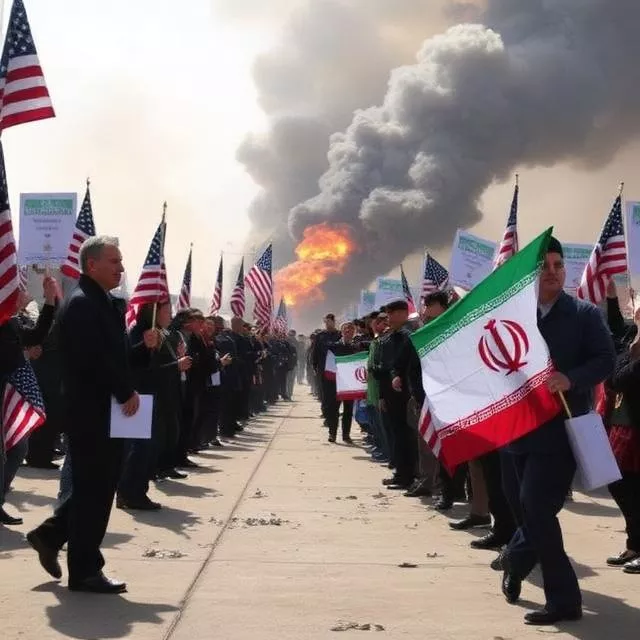
Just hours later, Iranian state media showed Revolutionary Guard personnel boarding cargo vessels in the Strait of Hormuz. Reports indicate Iran seized at least two ships and fired on up to three others, escalating maritime tensions despite the ceasefire extension.
Why This Matters to NRIs and Indians Abroad
The Strait of Hormuz handles nearly 20-21% of the world’s seaborne oil trade. Any prolonged disruption directly affects global crude prices, which in turn impacts:
- Fuel prices in India — Petrol and diesel rates could rise, increasing transportation and household costs for families in Hyderabad, Mumbai, Delhi, and across India.
- Indian Rupee (INR) vs USD — Higher oil imports widen India’s current account deficit, putting pressure on the rupee. NRIs sending money home may get better exchange rates in the short term but should watch for volatility.
- Stock Markets — Indian IT, banking, and energy stocks listed on NSE/BSE, as well as NRI-held investments in US markets (NYSE, NASDAQ), may see swings.
- Gulf Jobs & Remittances — Many NRIs work in UAE, Saudi Arabia, Kuwait, and Qatar. Escalation could affect oil & gas sector stability and job security, though a ceasefire extension provides temporary relief.
- Inflation Back Home — Rising energy costs feed into higher prices for groceries, travel, and daily essentials for your parents and family in India.
Energy analysts describe the current standoff as one of the biggest potential supply shocks in recent years. The Pentagon has warned that clearing any mines from the strait, if conflict resumes, could take several months.
Navy Secretary John Phelan Departs Amid Blockade
In a related development, U.S. Navy Secretary John Phelan is leaving his post effective immediately. Pentagon spokesman Sean Parnell announced the departure, with Navy Undersecretary Hung Cao stepping in as acting secretary. This change comes as the U.S. Navy continues operations to enforce the blockade, having already redirected or boarded multiple vessels.
The timing has drawn attention given the ongoing naval activities in the Gulf region.
Diplomatic Angle Involving Pakistan & India’s Interests
Pakistan played a key mediating role in requesting the ceasefire extension. India, which maintains strong strategic interests in the region and imports significant oil from the Middle East, is closely watching the situation. Any major disruption could also affect shipping routes used for Indian exports and imports.
Trump has described the Iranian leadership as “seriously fractured” and insists any final deal must include giving up uranium stockpiles and ensuring the Strait of Hormuz remains open without Iranian control.
Iran, on the other hand, has stated it will not fully reopen the strait as long as the U.S. blockade on its ports continues.
Practical Advice for NRIs
- Monitor Fuel & Exchange Rates: Check Petrol/Diesel prices in your city in India and USD-INR rates regularly.
- Remittance Strategy: If you send money monthly via banks or apps like Wise, Remitly, or Western Union, consider timing transfers during favorable exchange movements.
- Investments: Review your mutual funds, stocks, or 401(k)/IRA holdings exposed to energy or international markets. Diversify where possible.
- Travel Plans: NRIs planning visits to India or Gulf countries should keep an eye on airfare fluctuations caused by fuel price changes.
- Family Support: Discuss with family in India how rising costs might affect their monthly budget.
NRIGlobe.com will continue to track this story with a special focus on how geopolitical events in West Asia affect the Indian diaspora worldwide.
What are your thoughts as an NRI? Will this lead to higher costs for your family in India? Are you worried about oil price spikes or job impacts in the Gulf? Share your views in the comments below.
Last updated: April 23, 2026. This report is compiled from verified international sources including Reuters, AP, CNN, Al Jazeera, and official statements. NRIGlobe.com follows E-E-A-T principles with experienced reporting tailored for the global Indian community.
Related Stories for NRIs:
- How Rising Oil Prices Will Affect Your Remittances and Family Budget in 2026
- Complete Timeline: 2026 US-Iran Conflict and Its Impact on India
- Gulf Jobs Update: What the Hormuz Tensions Mean for Indian Expats