
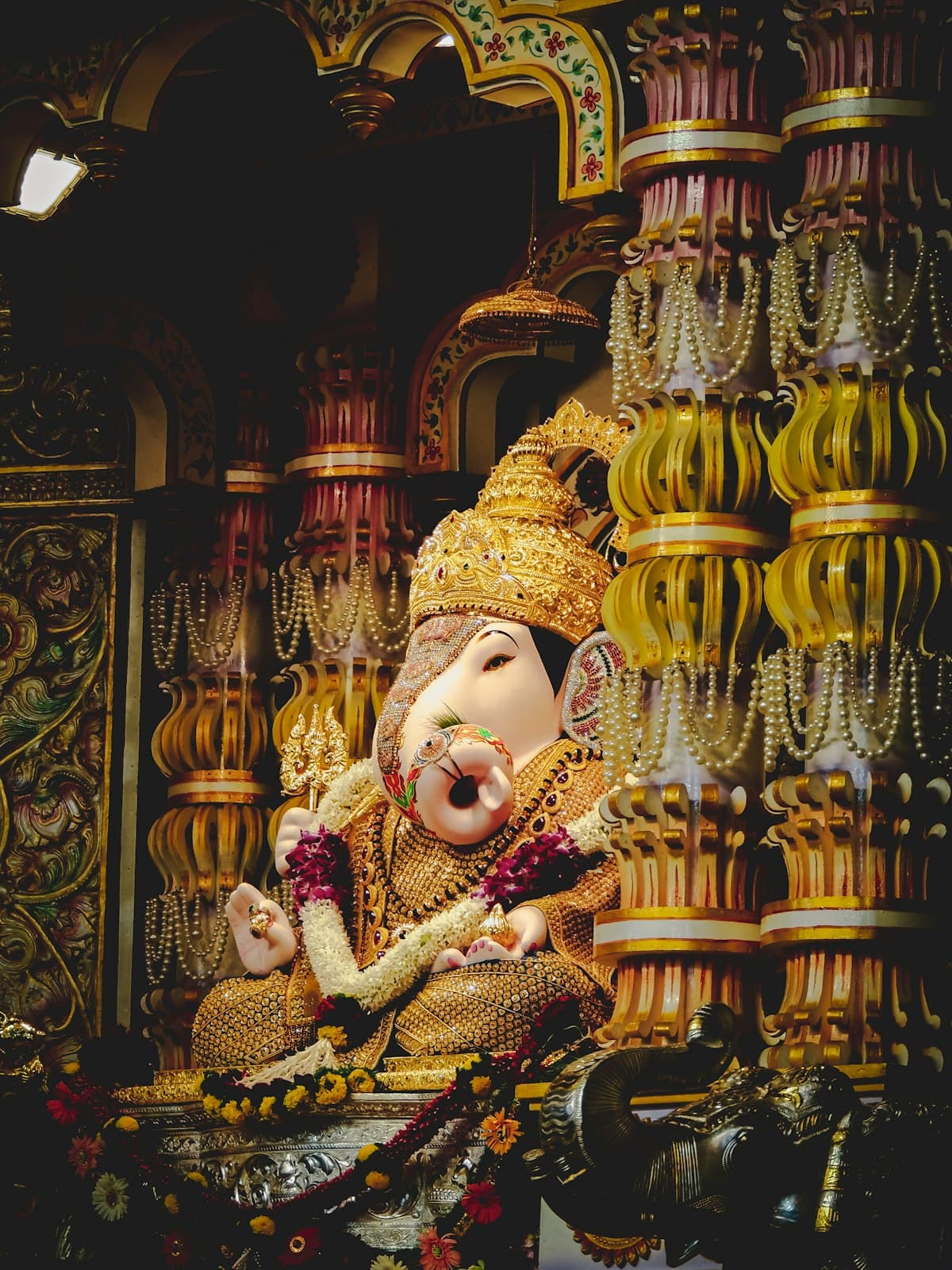
Ganesh Chaturthi, also known as Vinayaka Chaturthi, is one of the most joyous festivals in the Hindu calendar. In 2026, it falls on Monday, September 14, with visarjan on Friday, September 25 (Anant Chaturdashi). Devotees across India and the global Indian diaspora welcome Lord Ganesha into their homes with devotion, decorations, and his favorite sweets. For Non-Resident Indians (NRIs), celebrating this festival abroad brings a special sense of connection to roots, family traditions, and the aroma of homemade prasad.
This comprehensive guide from NRI Globe brings you authentic, detailed Ganesh Chaturthi recipes perfect for homes in the US, UK, Canada, Australia, UAE, Singapore, and beyond. We cover traditional Ukadiche Modak, fried modak, various ladoos, Puran Poli, and more, along with practical tips for NRIs — ingredient substitutions, sourcing, make-ahead strategies, and storage advice.
Whether you are preparing prasad for a small family puja or a larger gathering, these recipes will help you create delicious, divine offerings that Lord Ganesha (and your family) will love.
Why Food Holds Special Significance in Ganesh Chaturthi
Lord Ganesha is fondly called "Modakpriya" — the one who loves modak. Offering sweets, especially modak, is considered the highest form of devotion. The soft steamed dumplings symbolize the sweetness of life and the removal of obstacles. Families also prepare ladoos, puran poli, and other traditional dishes as bhog (offering) before sharing them as prasad.
For NRIs, cooking these dishes becomes a way to pass cultural heritage to the next generation and recreate the festive atmosphere of home.
Essential Ingredients & Tips for NRIs Cooking Abroad
Common Ingredients You Will Need
- Fine rice flour (for modak covering)
- Fresh or frozen grated coconut
- Jaggery (gur) or cane sugar
- Besan (gram flour)
- Ghee
- Cardamom, nutmeg, saffron
- Chana dal (for puran poli)
- Dry fruits and nuts
NRI-Friendly Tips
- Fresh coconut can be hard to find; use frozen grated coconut available in Indian grocery stores or Asian markets. Thaw and squeeze out excess water.
- High-quality rice flour (idiyappam flour or fine rice flour) works best for soft modak.
- Jaggery is available in Indian stores; choose soft, dark jaggery for better flavor.
- Make the filling a day ahead and refrigerate.
- Use a steamer, idli cooker, or bamboo steamer if you do not have a traditional modak steamer.
- For vegan versions, replace ghee with coconut oil.
- Scale recipes according to the number of people; most recipes below yield 12-20 pieces.
1. Classic Ukadiche Modak (Steamed Rice Flour Modak) — Lord Ganesha's Favorite
Ukadiche Modak is the star of Ganesh Chaturthi. Soft rice flour outer covering filled with sweet coconut-jaggery mixture, steamed to perfection.
Ingredients (makes about 16-18 modaks)
For the Filling (Saran / Coconut-Jaggery Stuffing)
- 1 cup freshly grated or frozen grated coconut
- ¾ to 1 cup grated jaggery (adjust to taste)
- 1 teaspoon ghee
- ½ teaspoon cardamom powder
- Pinch of nutmeg powder (optional)
- 1 teaspoon poppy seeds (khus khus), lightly roasted (optional)
- 1 tablespoon rice flour (optional, to bind if mixture is watery)
For the Outer Covering (Ukad)
- 1 cup fine rice flour
- 1 to 1¼ cups water
- 1 teaspoon ghee or oil
- Pinch of salt
Method
Step 1: Prepare the Filling
Heat 1 teaspoon ghee in a pan on medium-low heat. Add poppy seeds if using and let them crackle. Add grated coconut and roast for 2-3 minutes until the raw smell disappears. Add jaggery and cook, stirring continuously, until the jaggery melts and the mixture comes together (about 4-6 minutes). Do not overcook or it will harden. Add cardamom and nutmeg. If the mixture looks watery, sprinkle a little rice flour. Cool completely.
Step 2: Prepare the Dough
In a heavy-bottomed pan, bring water to a boil with ghee and salt. Reduce heat to low. Add rice flour all at once and mix vigorously with a wooden spoon or spatula until no dry flour remains. Cover and cook on low heat for 1-2 minutes. Switch off the flame and let it rest covered for 5 minutes. While still warm, knead the dough thoroughly with greased hands until smooth and soft (like soft chapati dough). If it feels dry, sprinkle a few drops of warm water. Keep covered with a damp cloth.
Step 3: Shape the Modak
Divide dough into equal portions (about 16). Take one portion, flatten it into a small disc using your fingers or a rolling pin. Place 1-1½ teaspoons of filling in the center. Gather the edges carefully, pleat them, and seal at the top to form the classic modak shape (pointed tip). You can use a modak mould for perfect shape if available. Repeat for remaining dough.
Step 4: Steam
Grease the steamer plate or line with banana leaves/parchment. Place modaks, leaving space between them. Steam for 10-15 minutes on medium heat until the outer covering looks shiny and translucent. Do not over-steam.
Serve warm with a drizzle of pure ghee. These taste best fresh.
Tips for Perfect Modak
- Knead the dough while warm for softness.
- Keep dough covered to prevent drying.
- If the covering cracks while shaping, the dough is dry — add a little warm water and knead again.
- For NRIs: Frozen coconut works excellently; just thaw and squeeze.
2. Fried Modak (Talniche Modak)
A richer, longer-lasting version that is deep-fried.
Ingredients
- Same filling as Ukadiche Modak
- For outer covering: 1 cup wheat flour (or all-purpose flour), 1-2 tablespoons ghee/oil, water as needed, pinch of salt
Method
Prepare the filling as above. Make a soft dough with flour, ghee, salt, and water. Rest 15-20 minutes. Roll small discs, fill, and seal into modak shape. Deep fry on medium heat until golden brown. Drain on paper towels.
These stay good for 4-5 days in an airtight container at room temperature.
3. Motichoor Ladoo (Motichur Laddu)
Tiny gram flour pearls (boondi) soaked in sugar syrup and shaped into soft ladoos — a North Indian favorite also offered during Ganesh Chaturthi.
Ingredients (makes 12-15 ladoos)
- 1 cup besan (gram flour)
- Water as needed for batter
- Pinch of saffron or orange food color (optional)
- Oil or ghee for deep frying
- For syrup: 1 cup sugar, ½ cup water, cardamom powder, few saffron strands
- Chopped pistachios and almonds for garnish
- Ghee for greasing hands
Method
- Make a smooth, flowing batter with besan and water (neither too thick nor thin). Add color if desired.
- Heat oil. Using a perforated ladle (jhara), pour batter to form tiny boondi. Fry until light golden. Drain.
- Prepare one-string consistency sugar syrup with sugar, water, saffron, and cardamom.
- Add hot fried boondi to the warm syrup. Mix gently. Let it absorb for 10-15 minutes.
- When the mixture is warm and sticky enough to hold shape, grease your palms with ghee and shape into round ladoos. Garnish with nuts.
NRI tip: Use a fine mesh strainer if you do not have a traditional boondi ladle. Practice makes perfect with the batter consistency.
4. Besan Ladoo
Simple, aromatic, and quick.
Ingredients
- 2 cups besan
- ¾-1 cup powdered sugar or jaggery powder
- ½-¾ cup ghee
- Cardamom powder
- Chopped nuts
Method
Roast besan in ghee on low heat until it turns golden and aromatic (15-20 minutes). Cool slightly, mix sugar/jaggery and cardamom. Shape into ladoos while still warm.
These keep well for weeks and are perfect for NRIs who want make-ahead sweets.
5. Coconut Ladoo (Nariyal Ladoo)
Quick and no-cook version popular for busy households.
Ingredients
- 2 cups desiccated or fresh grated coconut
- ¾ cup condensed milk (or sugar + milk)
- Cardamom powder
- Ghee or butter
Method
Roast coconut lightly if using desiccated. Mix with condensed milk and cardamom on low heat until it leaves the sides of the pan. Cool and shape. Roll in extra coconut.
6. Puran Poli (Sweet Flatbread)
A Maharashtrian classic often prepared during the festival.
Ingredients
- For puran (filling): 1 cup chana dal, ¾-1 cup jaggery, cardamom, nutmeg
- For dough: 2 cups whole wheat flour, ghee, water, pinch of salt
Method
Cook chana dal until soft, drain, and mash. Cook with jaggery until thick. Cool. Make soft dough. Stuff and roll carefully into thin polis. Cook on tawa with ghee until golden spots appear. Serve hot with more ghee.
7. Rava Ladoo / Semolina Ladoo
Another easy option. Roast rava (semolina) in ghee, add sugar, milk or water, nuts, and cardamom. Shape while warm.
8. Dry Fruit Modak / Energy Modak
Healthy modern twist popular among health-conscious NRIs. Blend dates, figs, almonds, cashews, pistachios, and a little ghee or coconut oil. Shape into modak using a mould. No cooking required.
9. Kaju Katli Modak or Chocolate Modak
For fusion lovers: Prepare kaju katli dough or use melted chocolate shells filled with coconut-jaggery or pista mixture, then shape as modak.
10. Additional Festive Ideas
- Shrikhand (hung curd sweetened with sugar and flavored with saffron/cardamom)
- Kheer or Payasam
- Sundal (savory chickpea or mixed legume preparation) for a complete thali
- Batata Bhaji or simple potato stir-fry as a side
Make-Ahead, Storage & Serving Tips for NRIs
- Filling for modak can be made 1-2 days ahead and refrigerated.
- Steamed modak are best eaten the same day; fried ones last longer.
- Ladoos store well in airtight containers for 1-2 weeks.
- Freeze uncooked shaped modak (before steaming) for up to a month; steam directly from frozen with a few extra minutes.
- Offer the first piece to Lord Ganesha as prasad before distributing.
Common Mistakes to Avoid
- Overcooking the coconut-jaggery filling (it becomes hard).
- Using coarse rice flour (results in cracked modak).
- Not kneading the dough enough while warm.
- Frying boondi on very high heat (they brown too fast and stay hard).
Nutritional Notes & Healthier Variations
Traditional recipes use ghee and jaggery, which offer natural energy. For healthier versions:
- Reduce sugar/jaggery quantity.
- Use date paste instead of jaggery.
- Bake or air-fry instead of deep-frying.
- Add millets or quinoa flour in small quantities for the covering (experimental).
Complete Ganesh Chaturthi 2026 NRI Coverage — All 11+ Guides
Ganesh Chaturthi 2026 begins on Monday, September 14 and concludes with Anant Chaturdashi on Friday, September 25.
- Ganesh Chaturthi 2026 Puja Vidhi + Muhurat + 21 Modak Complete Guide
- 21 Modak Varieties for NRI Families (Overview + Variety List)
- Ganesh Chaturthi in Boston 2026 — Temples & Events
- Ganesh Chaturthi 2026 in New Jersey + NYC
- Ganesh Chaturthi 2026 in Toronto
- Ganesh Chaturthi 2026 in Sydney + Melbourne Australia
- Ganesh Chaturthi Mantras, Slokas + Sanskrit Chants
- Ganesh Chaturthi for Kids Born Abroad
- Sri Vinayaka Chavithi vs Ganesh Chaturthi Regional Differences
- Anant Chaturdashi Sept 25 Visarjan Wrap-Up
- Ganesh Visarjan Abroad — Country-by-Country Rules
Frequently Asked Questions
Can I make modak without a mould?
Yes, traditional hand-shaping works perfectly with practice. Divide dough into portions, flatten each into a disc, add filling in the center, gather edges and pleat them to form the classic pointed-tip modak shape.
What if I cannot find fresh coconut abroad?
Frozen grated coconut (available at Indian grocery stores, Asian markets, and online) is an excellent substitute. Thaw and squeeze out excess water before use. Desiccated coconut can work for some recipes (coconut ladoo) but is drier than fresh.
How many days before Ganesh Chaturthi can I prepare?
Ladoos (besan, coconut) and fried modak can be made 3-4 days ahead + stored in airtight containers. Steamed Ukadiche modak are best fresh — prepare the filling 1-2 days ahead, but steam on the day. Uncooked shaped modak can be frozen up to a month and steamed direct from frozen.
Are these recipes suitable for beginners?
Yes. Start with coconut ladoo or besan ladoo if you are new to Indian sweets, then try Ukadiche Modak. Boondi-based motichoor ladoo requires the most practice for consistent results.
Can I make vegan versions of these Ganesh Chaturthi recipes?
Yes. Replace ghee with coconut oil for all recipes. Replace condensed milk (in coconut ladoo) with plant-based condensed milk or coconut cream + sugar. Puran Poli can be made with plant-based ghee substitutes.
Where can NRIs buy quality rice flour, jaggery, and Indian ingredients?
Indian grocery stores in major diaspora cities (Iselin NJ, Toronto's Little India, Southall UK, Sydney's Harris Park, Melbourne's Dandenong) stock all essential ingredients. Online: Patel Brothers, iShopIndian, Amazon India Grocery. Order 1-2 weeks before the festival for reliability.
Celebrate with Devotion and Delicious Food
Ganesh Chaturthi is not just about rituals — it is about bringing family together, sharing stories, and offering the best of what we can prepare with love. These Ganesh Chaturthi recipes will help NRIs recreate the authentic taste of home no matter where they are in the world.
Ganpati Bappa Morya! Mangal Murti Morya!
May Lord Ganesha remove all obstacles and bless your home with prosperity, wisdom, and happiness.
Ganesh Chaturthi 2026 Date: Monday, September 14, 2026
Anant Chaturdashi Visarjan: Friday, September 25, 2026
Disclaimer: NRI Globe provides journalism and general information only. Not culinary or dietary advice. Recipes are traditional; adapt ingredient quantities + methods to your dietary needs, allergies, and health conditions. Consult a doctor for specific dietary restrictions.