
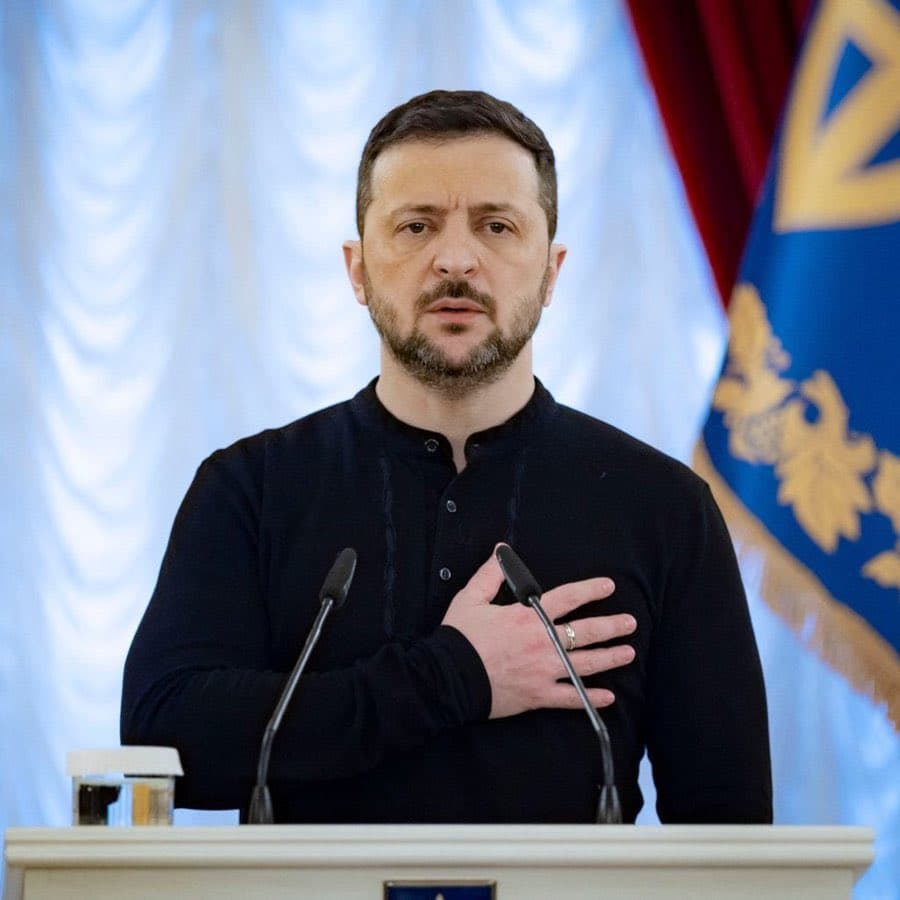
Trump-Zelensky Meeting: Ukraine War Talks Amid Crimea and NATO Tensions – August 18, 2025
On August 18, 2025, a high-stakes meeting at the White House between U.S. President Donald Trump, Ukrainian President Volodymyr Zelensky, and a coalition of European leaders marks a critical moment in the ongoing Russia-Ukraine war. This SEO-optimized news story, crafted for www.nriglobe.com, delves into the details of the meeting, the contentious issues surrounding Crimea and NATO, and the broader implications for Ukraine’s future. As the conflict, now in its third year since Russia’s full-scale invasion in February 2022, continues to devastate Ukraine, this diplomatic summit could shape the path to peace or escalation.
Meeting Overview and Schedule
The White House meeting, described as a “big day” by President Trump, is a pivotal diplomatic event aimed at addressing the Russia-Ukraine war. The schedule, as outlined by the White House, is as follows (all times in EDT):
- 12:00 PM: European leaders arrive at the White House.
- 1:00 PM–1:15 PM: Trump greets Zelensky, followed by a bilateral meeting in the Oval Office, attended by Vice President JD Vance.
- 2:15 PM–2:30 PM: Trump welcomes European leaders in the State Dining Room, with a “family photo” in the Cross Hall.
- 3:00 PM: A multilateral meeting with Trump, Zelensky, and European leaders in the East Room to discuss the war and potential peace agreements.
This marks Zelensky’s first White House visit since a heated February 2025 encounter with Trump, which ended in a public dispute over Ukraine’s gratitude for U.S. support. The meeting follows Trump’s recent summit with Russian President Vladimir Putin in Alaska on August 15, which failed to secure a ceasefire.
Key Players and European Support
Zelensky is joined by an unprecedented coalition of European leaders, signaling a united front against Russian aggression. Attendees include:
- German Chancellor Friedrich Merz: Arranged a virtual Trump-Zelensky call before the Alaska summit and emphasizes robust security guarantees for Ukraine.
- French President Emmanuel Macron: Warns that weakness toward Russia could lead to future conflicts and supports a Western “reassurance force” for Ukraine.
- British Prime Minister Keir Starmer: Leads the “Coalition of the Willing” to end the war and views the meeting as “absolutely crucial” for peace.
- European Commission President Ursula von der Leyen: Reaffirms EU support for Ukraine’s path to membership.
- NATO Secretary-General Mark Rutte: Previously called Ukraine’s NATO membership “irreversible.”
- Italian Prime Minister Giorgia Meloni: Attended Trump’s second-term inauguration, strengthening ties.
- Finnish President Alexander Stubb: Cultivates a close relationship with Trump, representing Finland’s strategic position near Russia.
This coalition aims to bolster Zelensky’s position as Trump pushes for a peace deal that aligns with Moscow’s demands.
Crimea and NATO: Trump’s Controversial Stance
Ahead of the meeting, Trump has intensified pressure on Ukraine to make significant concessions, particularly regarding Crimea and NATO membership. In a Truth Social post on August 17, Trump stated, “No getting back Obama given Crimea (12 years ago, without a shot being fired!), and NO GOING INTO NATO BY UKRAINE. Some things never change!!!” He reiterated this in a Fox News interview, urging Zelensky to “make the deal” to end the war, emphasizing Russia’s military strength over Ukraine’s. Trump’s comments align with Kremlin demands, which include recognizing Russia’s 2014 annexation of Crimea and excluding Ukraine from NATO.
Zelensky, however, remains steadfast. In a Facebook post on August 18, he declared, “Russia should not be rewarded for its participation in this war… And it is Moscow that must hear the word: Stop.” He emphasized that Ukraine will not cede territory, referencing past failures like the 2014 loss of Crimea and parts of Donbas, which he argues enabled further Russian aggression. Zelensky’s position is supported by Ukraine’s constitution, which requires a referendum for territorial changes and enshrines NATO and EU membership aspirations.
Security Guarantees and Diplomatic Tensions
A key focus of the meeting is establishing “ironclad” security guarantees for Ukraine, potentially resembling NATO’s Article 5, which commits members to collective defense. U.S. special envoy Steve Witkoff suggested the U.S. could offer such guarantees directly, alongside European allies, without NATO membership. Zelensky hailed this as a “historic decision,” stressing the need for practical protections on land, air, and sea. European leaders, including Macron and Merz, support this approach but insist Kyiv must be included in any territorial negotiations.
The meeting follows Trump’s controversial Alaska summit with Putin, where Russia reportedly demanded Ukraine cede Donetsk and Luhansk in exchange for peace—a proposal Zelensky rejected. The lack of a ceasefire from that summit, coupled with ongoing Russian attacks, including a deadly drone strike in Kharkiv on August 18 that killed seven civilians, including a child, has heightened tensions. Zelensky called these strikes a “cynical attempt” to undermine diplomatic efforts.
Ongoing Conflict and Russian Attacks
As diplomacy unfolds, the war rages on. Ukraine’s air force reported Russia launched 140 drones and four missiles overnight into August 18, with 88 drones downed. Strikes hit 25 locations across six regions, including Kharkiv, where an entire family was killed, and Zaporizhzhia, where three died in a missile attack. Russia’s Defense Ministry claimed to have downed 24 Ukrainian drones, while a Ukrainian drone near the Smolensk nuclear power plant caused minimal damage. The Pokrovsk front in Donetsk remains a hotspot, with 148 combat clashes reported in the past 24 hours.
Global Reactions and Stakes
The international community is closely watching. German Foreign Minister Johann Wadephul, speaking in Tokyo, called for increased pressure on Russia through aid and sanctions, warning that a weak stance could embolden future aggression. China expressed support for peace talks, though its backing of Russia’s economy complicates its neutrality. Brazilian President Luiz Inacio Lula da Silva discussed the Trump-Putin summit with Putin, reaffirming Brazil’s push for a peaceful resolution.
Ukrainian MP Oleksandr Merezhko, chair of the parliamentary foreign affairs committee, expressed cautious optimism, noting Trump’s apparent shift after Putin continued attacks post-Alaska. However, Merezhko warned that territorial concessions are “impossible” under Ukraine’s constitution and that NATO membership remains the most reliable security guarantee.
Why It Matters for the Indian Diaspora
For the Indian community in the U.S., this meeting has significant implications. India’s neutral stance on the Russia-Ukraine war, coupled with its growing diaspora, makes such global events relevant for economic and geopolitical reasons. A prolonged conflict could impact global energy prices, trade, and immigration policies, affecting Indian professionals and students in the U.S. Moreover, the presence of European leaders underscores the global stakes, resonating with the diaspora’s interest in international stability. Stay tuned to www.nriglobe.com for updates on how this affects the Indian-American community.
Conclusion
The Trump-Zelensky meeting on August 18, 2025, is a defining moment for Ukraine’s fight against Russia. With Trump pushing for concessions on Crimea and NATO, and Zelensky backed by European allies demanding a just peace, the outcome could reshape Ukraine’s future and global security. As Russian attacks continue, the urgency for a resolution grows. For the latest updates, visit www.nriglobe.com, your trusted source for global news impacting the Indian diaspora.
Call to Action: Share your thoughts on the Trump-Zelensky talks in the comments on www.nriglobe.com. Subscribe to our newsletter for real-time updates on the Ukraine war and its global impact.
Last Updated: August 18, 2025, 9:14 PM IST
Related NRI Globe Coverage
- Ukraine Diplomacy: Potential Trump-Putin-Zelensky Summit Could Shape Ceasefire Talks
- US-Iran Nuclear Talks Begin in Oman Amid Rising Tensions
- Trump-Putin Summit Set for Next Week: Can They End the Ukraine War
- Trump Sets August 8 Ceasefire Deadline, Deploys Nuclear Submarines Amid Russia Tensions
- NRI Alert: Iran War Escalates After Trump Warning
- Iran War Latest Updates April 2026: US Fighter Jet Shot Down, Trump Warns of More Strikes, Strait of Hormuz Crisis Deepens
- NATO Split on US Iran War 2026: Impact on India
- President Trump Claims He Averted Nuclear War Between India and Pakistan
Fresh from NRI Globe
- YouTuber Nandu's World (Rama Nandana) UK Visa & Job Fraud Case: Full Details + Key Lessons for NRIs (2026)
- Dussehra / Vijayadashami 2026 Events Country-Wise — Global NRI Directory (Ram Lila, Ravana Dahan, Durga Puja Pandals, Ayudha Puja Venues + Booking)
- Diwali 2026 Events Country-Wise — Global NRI Directory (White House, Leicester, London Trafalgar, Toronto, Auckland, Sydney Parramasala, Fiji, Mauritius, Trinidad, South Africa and More)
- Diwali / Deepavali 2026 Country-Wise NRI Celebrations — Complete Global Guide (USA, UK, Canada, Australia, Fiji, Mauritius, Trinidad, South Africa, UAE and 30+ Countries)