Tehran/Washington – April 7, 2026 — US and Israeli forces have escalated airstrikes on Iranian targets, hitting a top scientific university and major petrochemical facilities, as President Donald Trump’s 8 p.m. ET Tuesday deadline for Iran to reopen the Strait of Hormuz approaches.
Defense Secretary Pete Hegseth stated that Monday’s operations represented one of the largest volumes of strikes since Operation Epic Fury was launched on February 28, 2026, with the possibility of even more intense action if Iran fails to comply with the deadline.
Key targets struck in recent hours include:
- Sharif University of Technology in Tehran, one of Iran’s most prestigious institutions often likened to MIT. Strikes damaged research buildings, laboratories, a mosque on campus, and a nearby natural gas distribution site, causing power outages and fuel shortages in surrounding areas. The university has faced international sanctions in the past for its alleged links to Iran’s missile program.
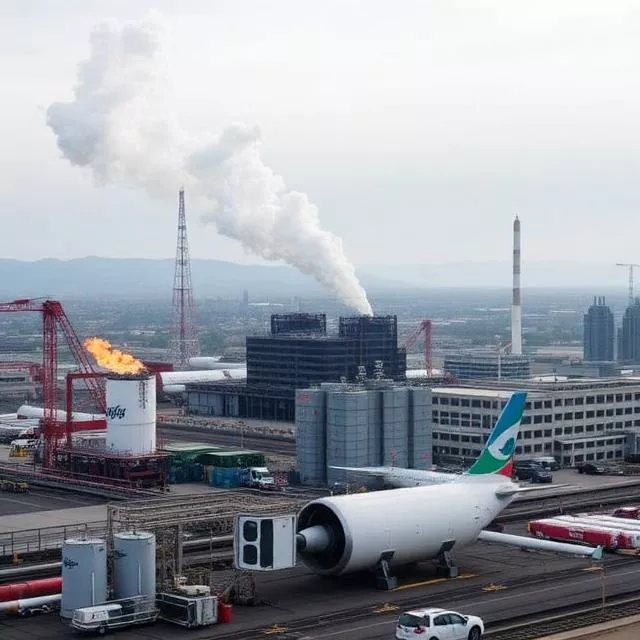
- South Pars gas field in Asaluyeh, the world’s largest natural gas reserve, responsible for roughly 50% of Iran’s petrochemical production. Israeli Defense Minister Israel Katz confirmed the strike, describing it as a significant blow to facilities reportedly linked to missile propellant and explosives production.
- Petrochemical plants in the Mahshahr Special Economic Zone (Khuzestan province), where at least five civilians were killed and around 170 injured, with reports of chemical pollution impacting local air quality and residents’ health.
Iranian authorities report that Monday’s strikes alone killed between 25 and 49 people across multiple provinces. Humanitarian groups estimate the total civilian death toll in Iran since the conflict began has surpassed 1,900, though official updates from Tehran remain limited. At least 30 universities have been affected by strikes during the war.
Iranian Counterattacks Spread Regional Impact
Iran has responded with missile and drone barrages targeting Israel, including strikes on Haifa that caused civilian casualties. The Islamic Revolutionary Guard Corps (IRGC) claimed attacks on energy infrastructure in Gulf nations such as Kuwait and Bahrain. Iran also confirmed the death of senior IRGC intelligence official Maj. Gen. Seyed Majid Khademi in an Israeli strike.
The conflict has displaced over 1.1 million people in Lebanon due to related hostilities, adding to broader regional instability.
Diplomatic Efforts Reach Critical Juncture
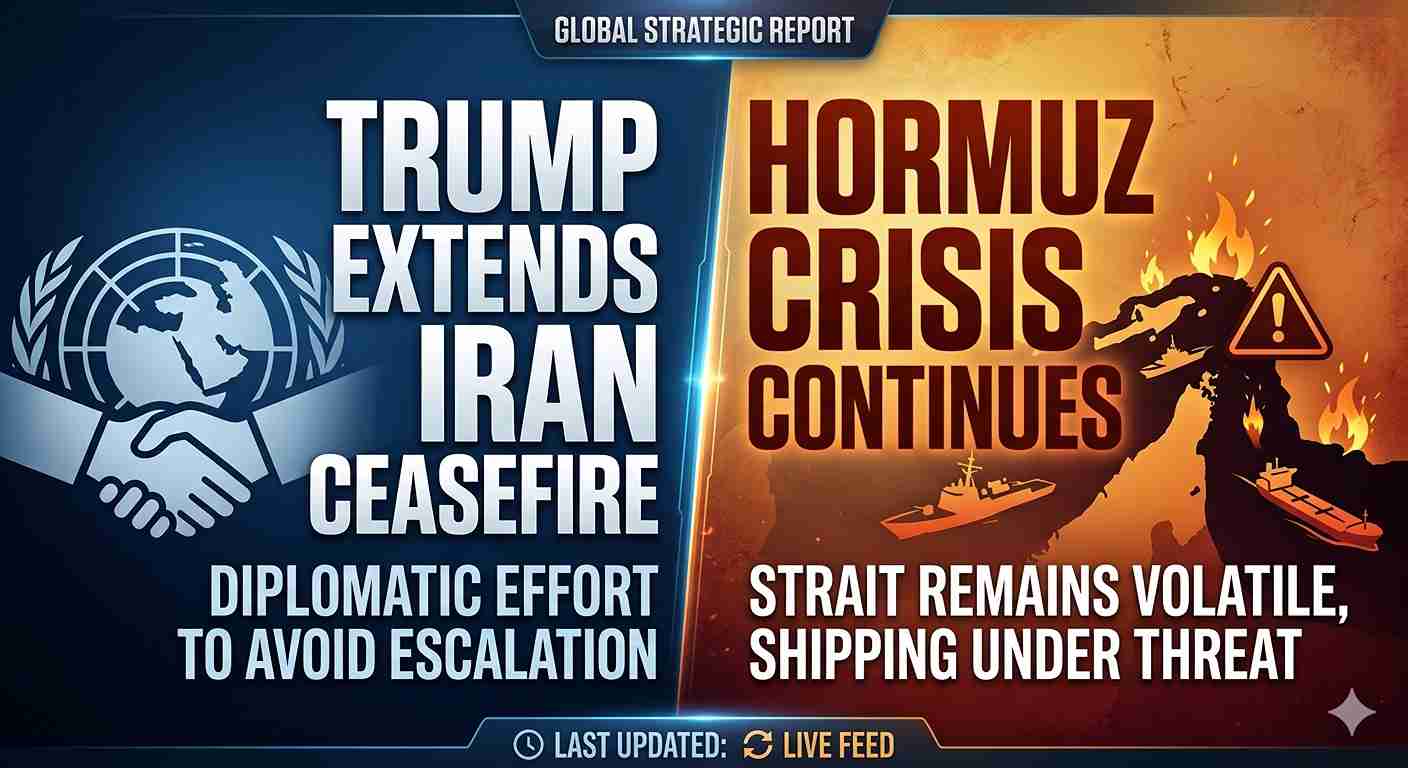
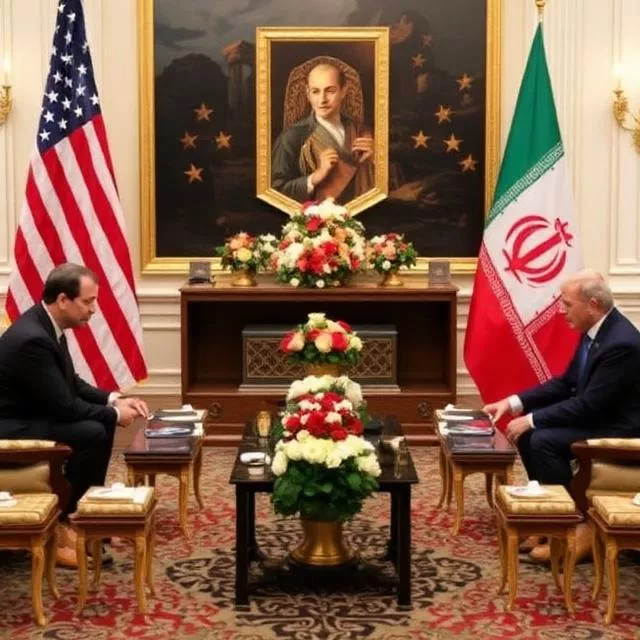
A US-mediated proposal for a 45-day ceasefire and reopening of the Strait of Hormuz has been rejected by Tehran. Iranian officials insist on a permanent end to the war, full lifting of sanctions, reconstruction aid, and a comprehensive regional de-escalation including Lebanon.
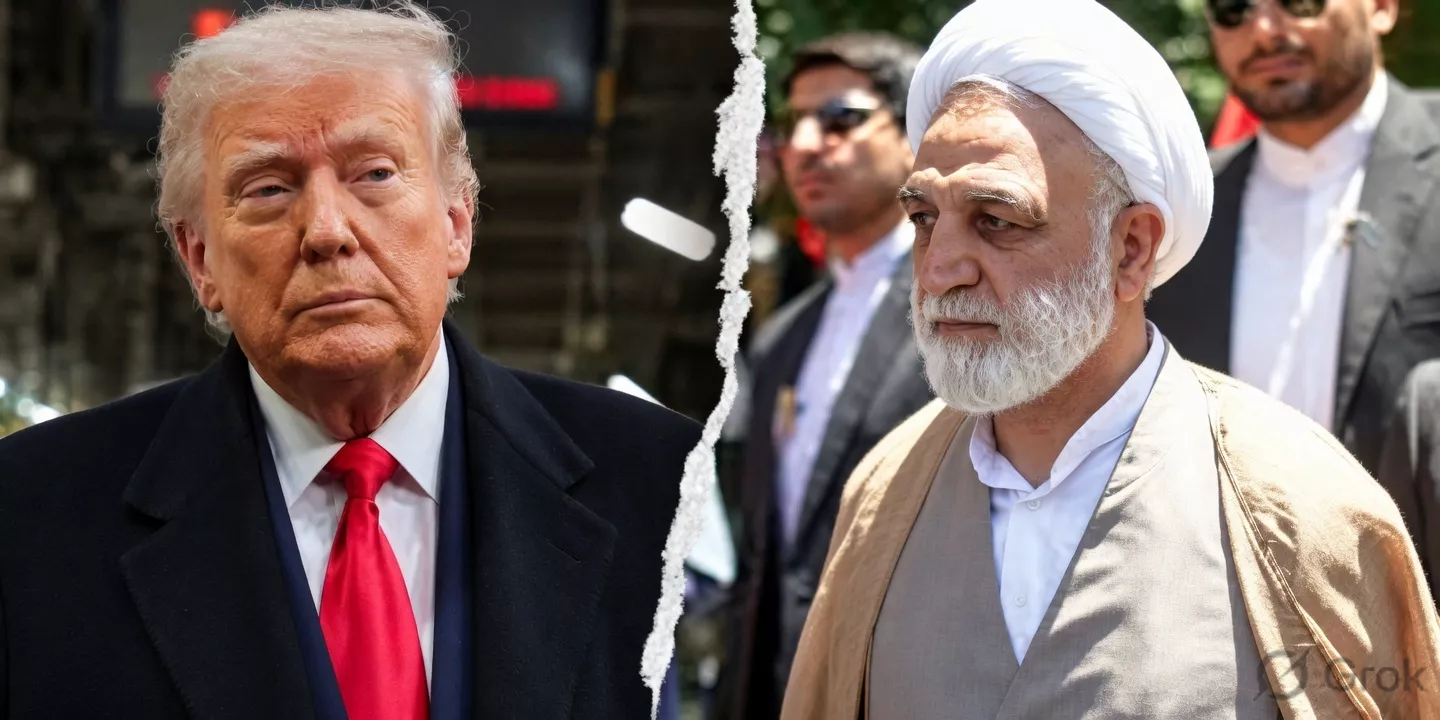
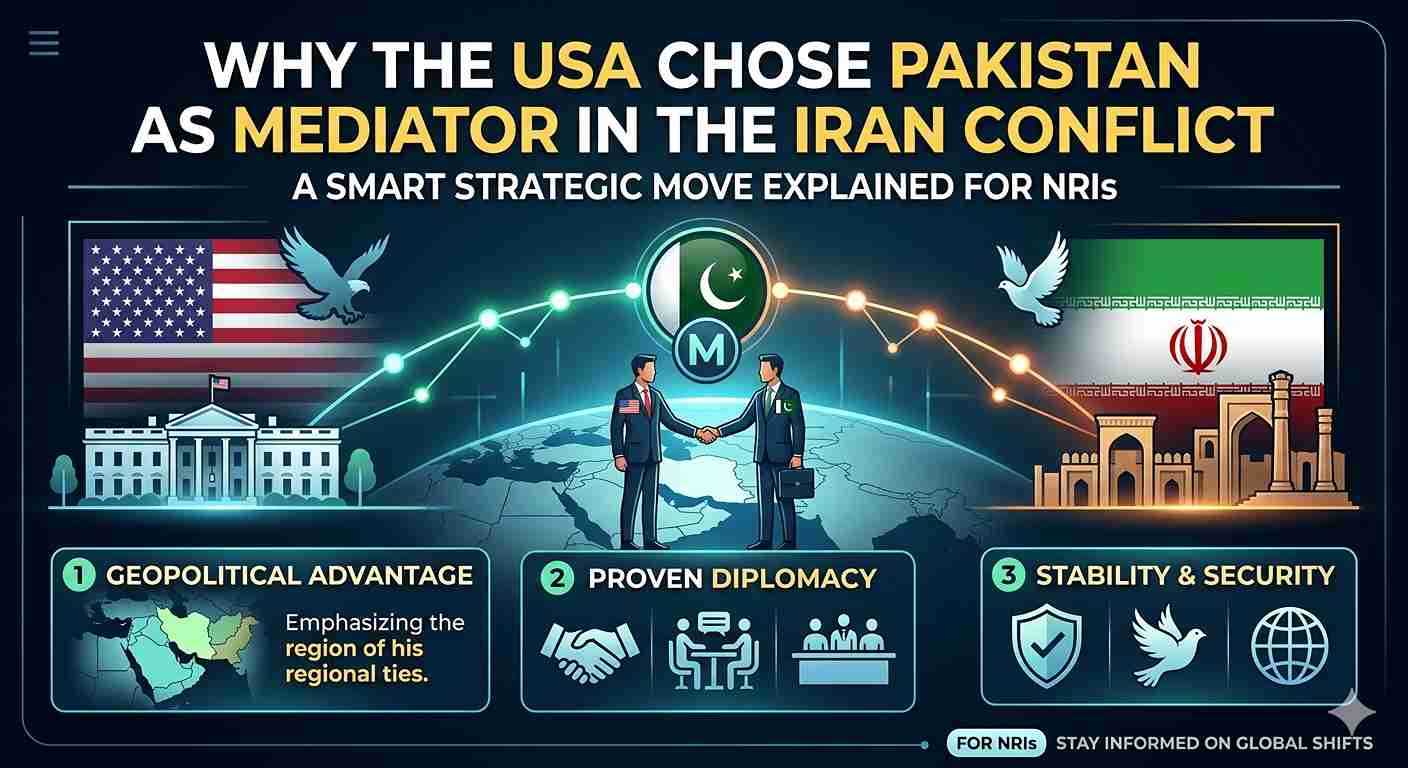
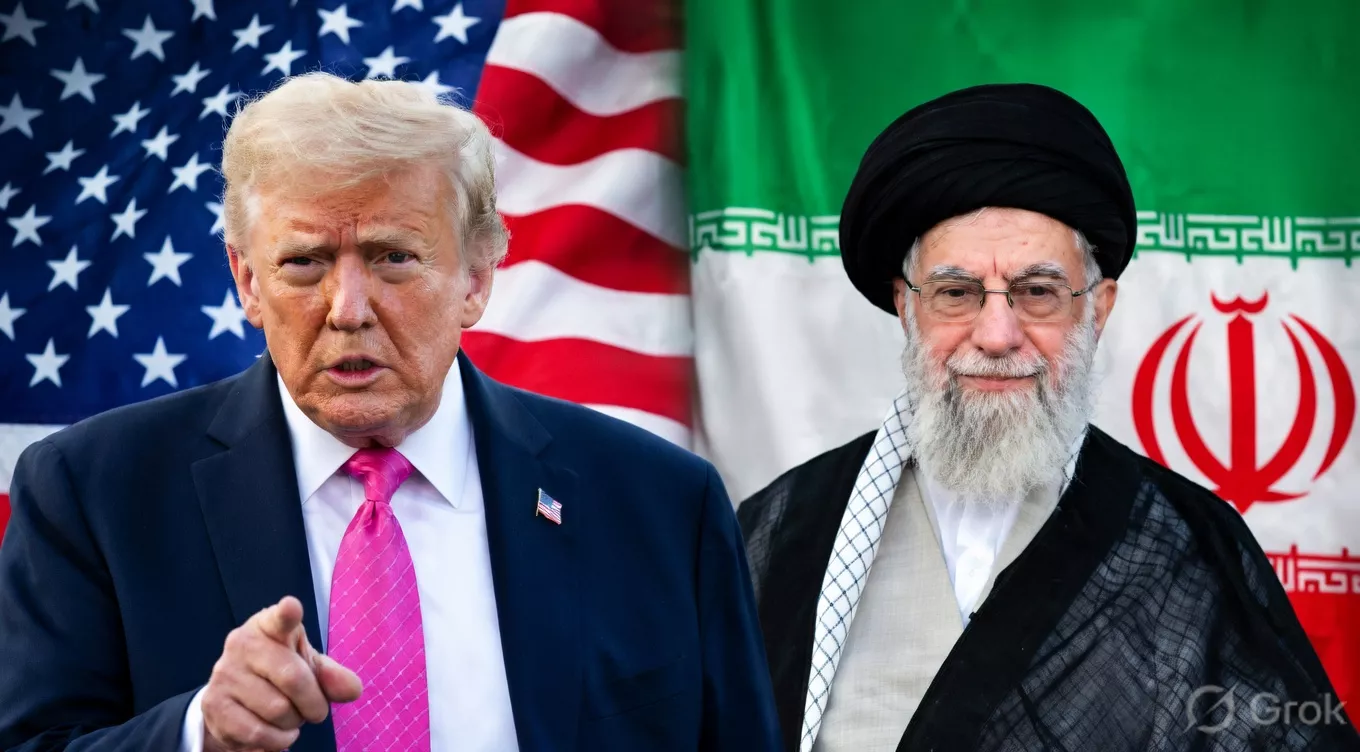
President Trump described Iran’s counter-proposal — delivered through mediators including Pakistan — as “significant” but “not good enough” to prevent the deadline from taking effect. He has warned that non-compliance could trigger “Power Plant Day and Bridge Day,” threatening widespread destruction of Iran’s power plants, bridges, and other infrastructure in what he called a potential “one night” operation capable of severely crippling the country.
Trump has repeatedly stated he is unconcerned about accusations that such strikes on civilian infrastructure could constitute war crimes. However, experts in international humanitarian law warn that systematic targeting of power plants, bridges, universities, and industrial sites risks violating protections for civilian objects and could lead to severe humanitarian consequences, including loss of electricity, water, and medical services.
Global Economic and Humanitarian Concerns Grow
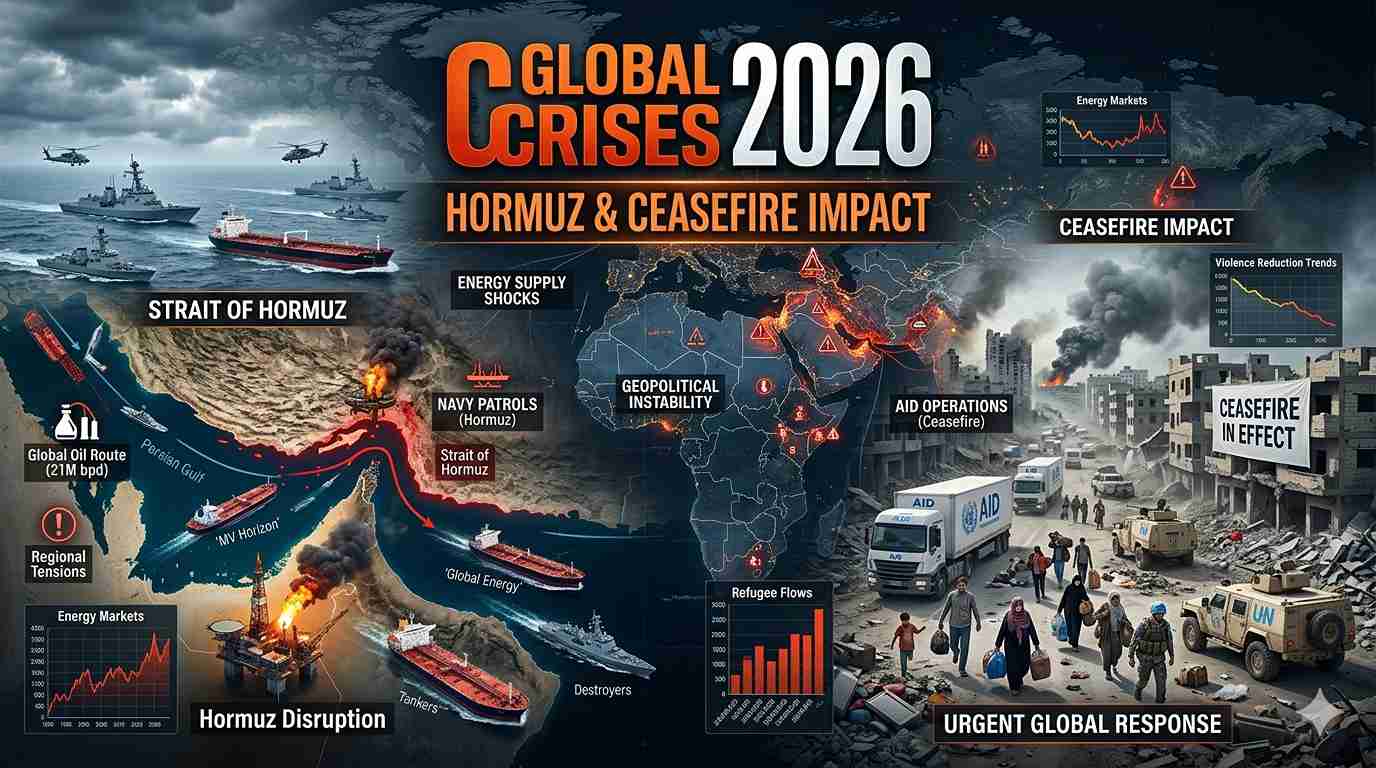
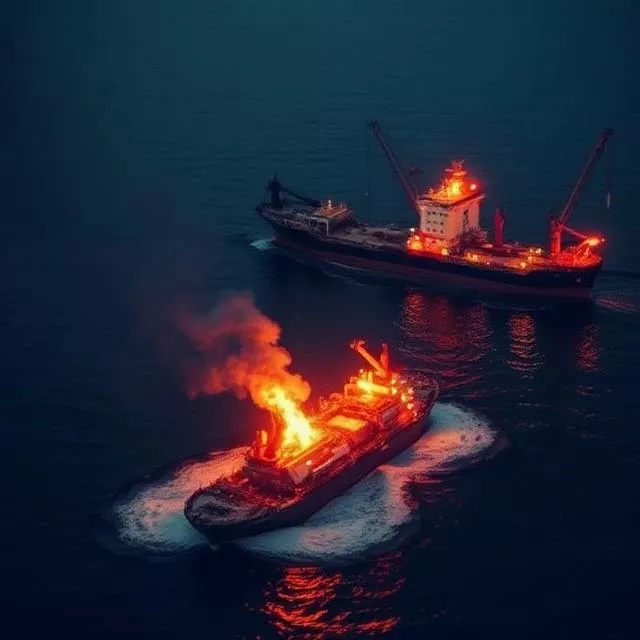
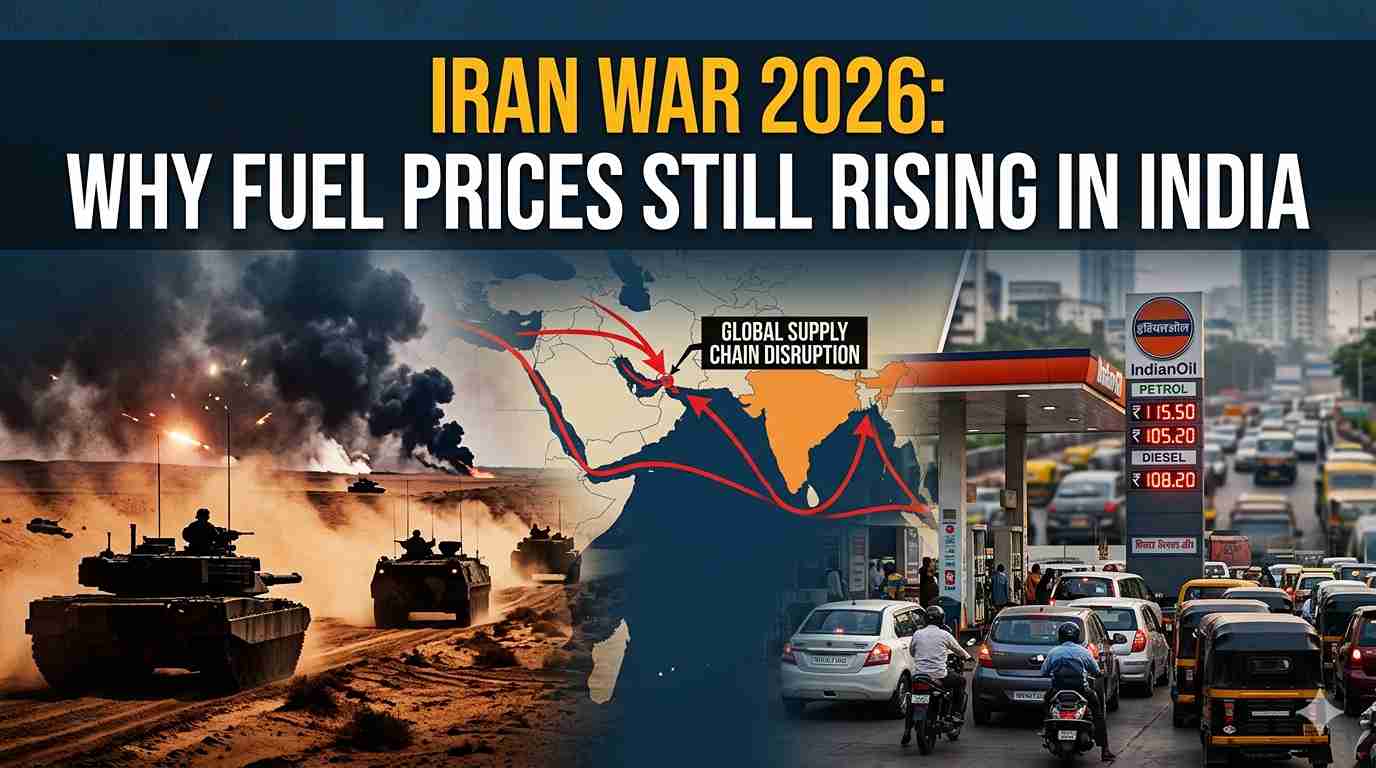
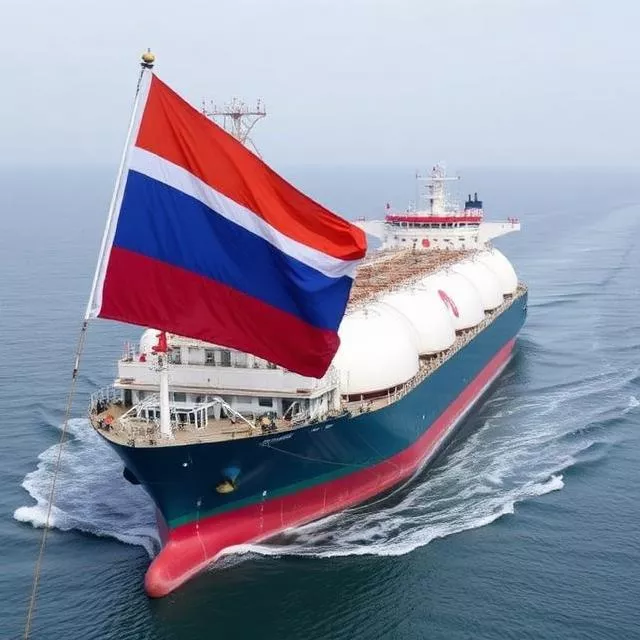
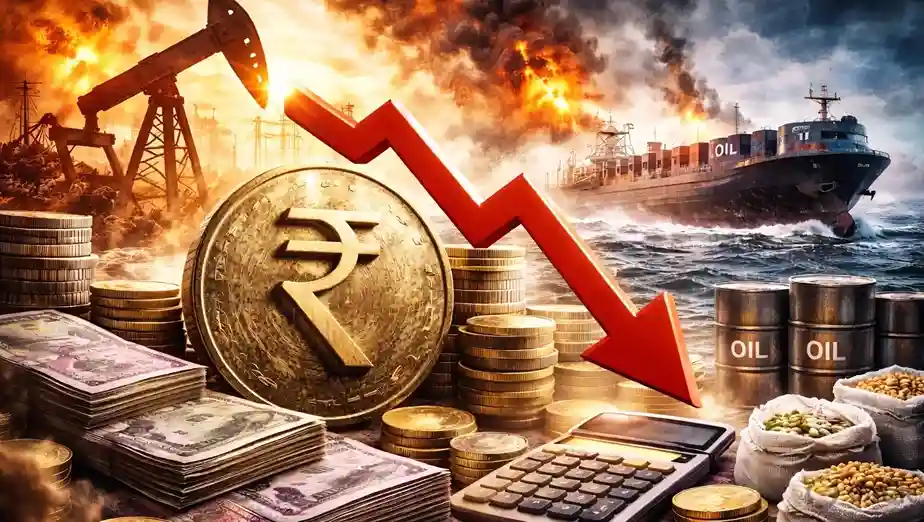
The Strait of Hormuz, a critical chokepoint for nearly one-fifth of the world’s oil and liquefied natural gas shipments, has seen severely disrupted traffic since the war began, contributing to volatility in global energy markets.
Environmental damage from fires and chemical leaks at struck petrochemical sites has raised additional alarms among rights organizations. Hospitals and rescue teams in affected areas continue to face strain amid ongoing hostilities.
As the Tuesday deadline nears, Pentagon officials including Hegseth and Joint Chiefs Chairman Gen. Dan Caine are expected to provide further updates. Last-minute diplomatic efforts continue, but the prospects for an immediate breakthrough remain uncertain.
Now in its sixth week, the 2026 Iran War shows no signs of abating, with escalating military actions raising fears of a wider regional conflict and significant global repercussions.
This report is compiled from multiple international sources including Al Jazeera, Reuters, BBC, The New York Times, CNN, and PBS as of April 7, 2026. The situation remains highly fluid with developments possible at any moment.