Iran War 2026: Impact on NRIs in GCC Countries
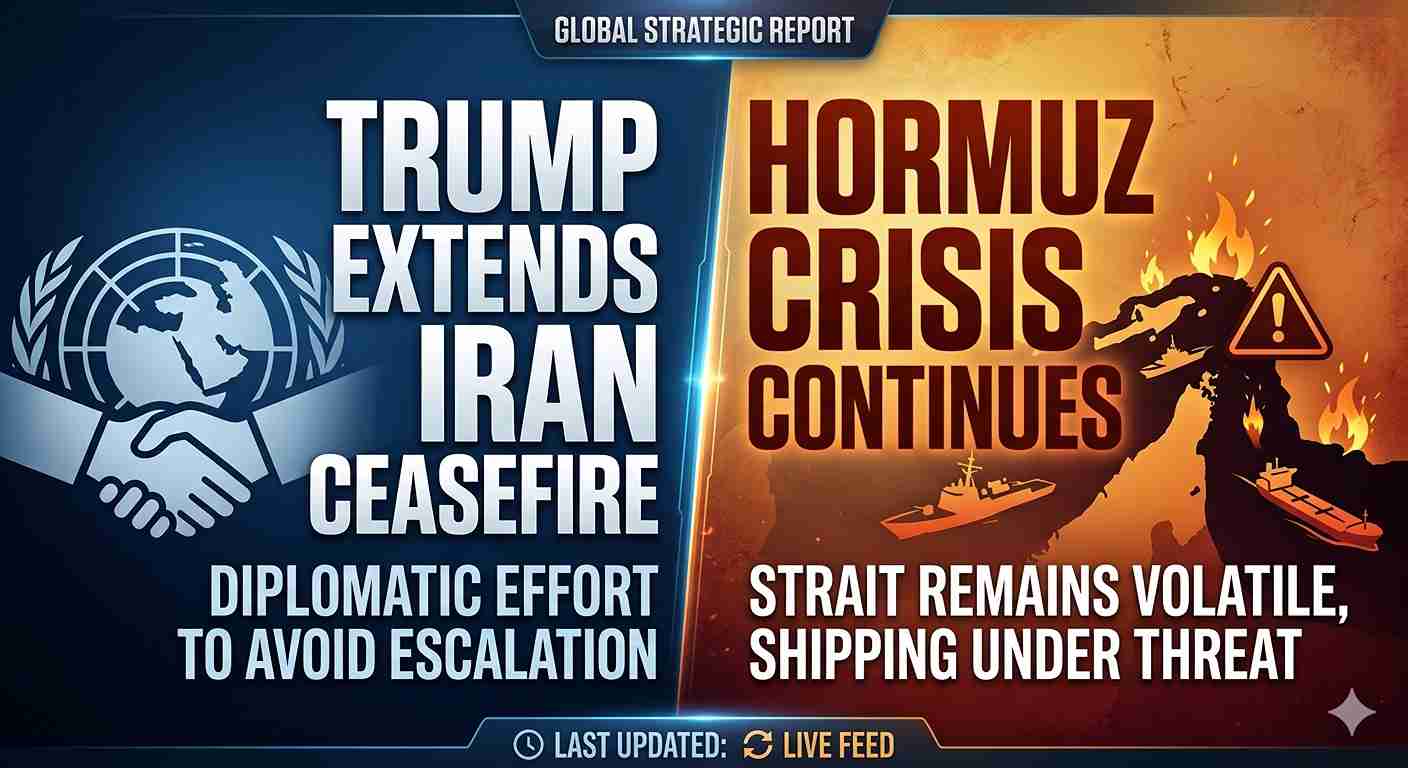
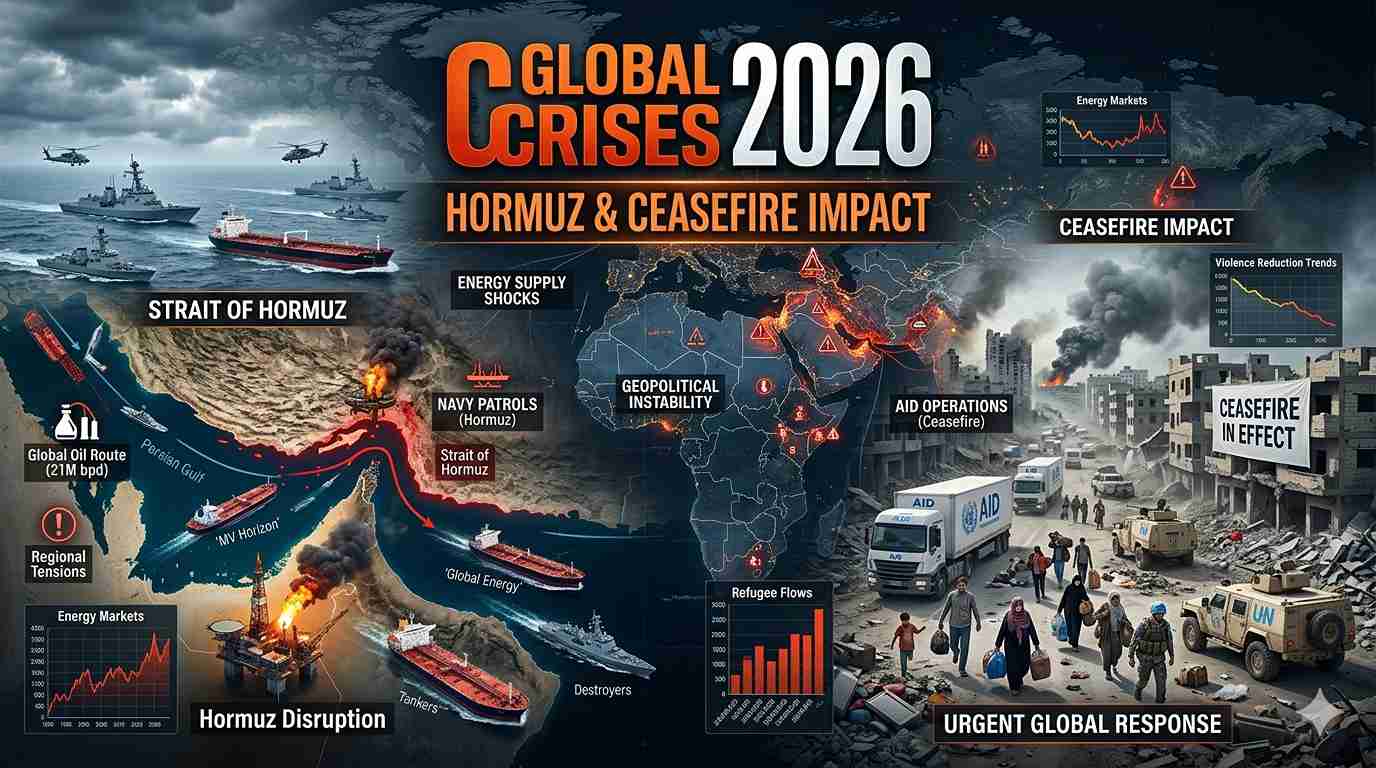
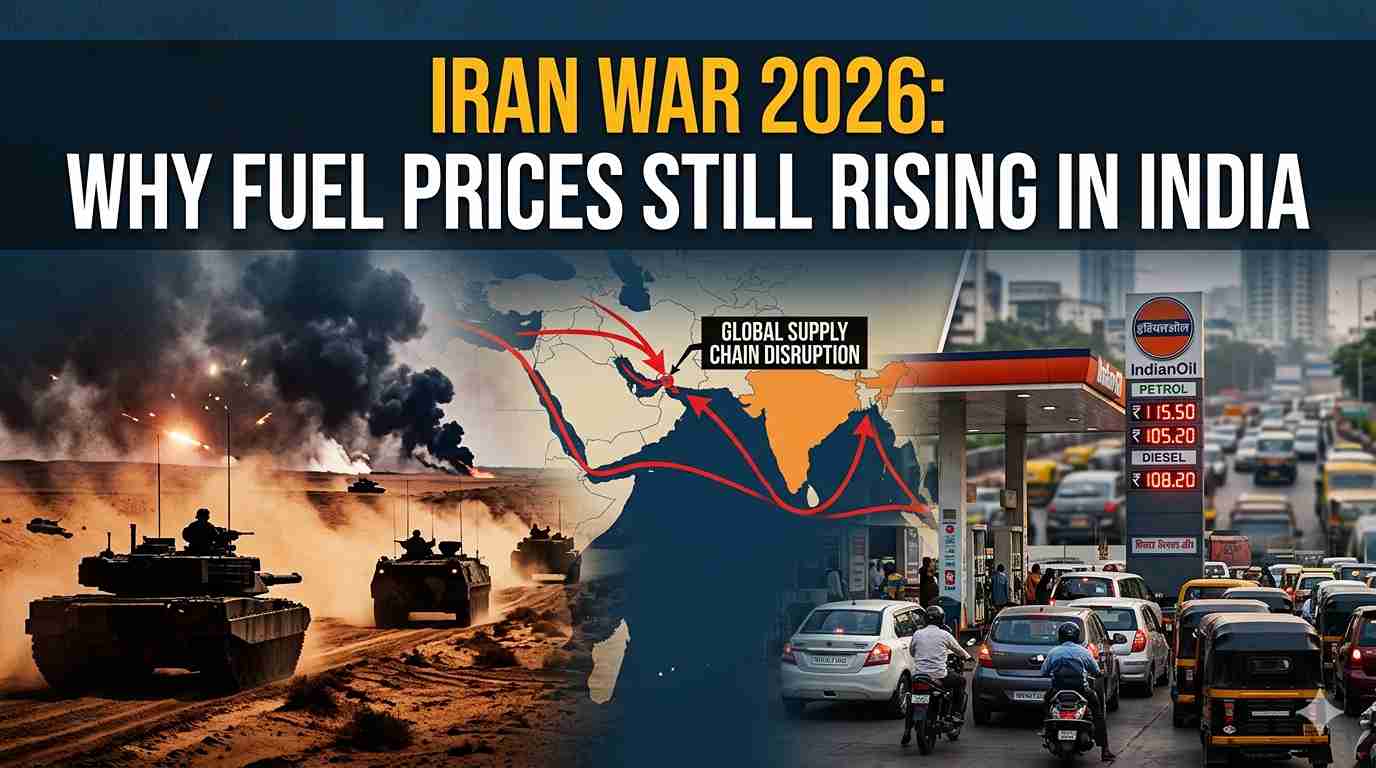
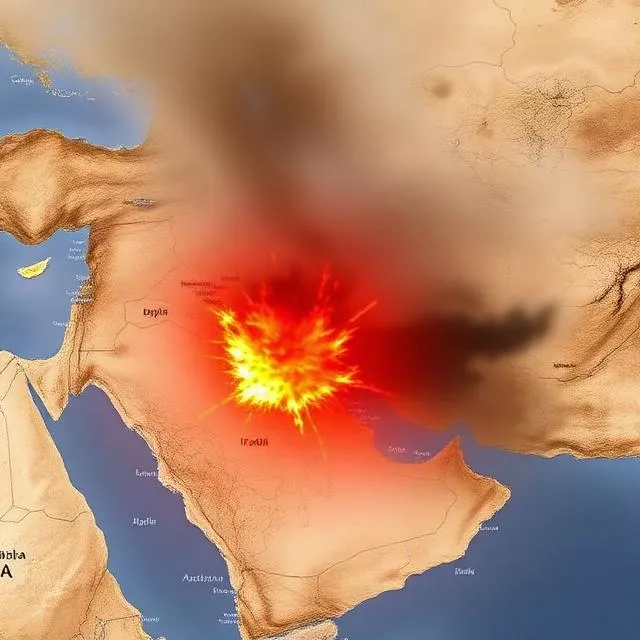
By NRIGlobe.com Staff Hyderabad, March 31, 2026 – The US-Israel military campaign against Iran, now in its fifth week, has severely affected nearly 9 million Indian NRIs living and working across the six GCC countries. Iranian retaliatory missile and drone strikes, combined with the near-total disruption of the Strait of Hormuz, have created a perfect storm of safety fears, job insecurity, flight disruptions, and remittance risks for the Indian diaspora.
India receives around $50 billion annually in remittances from the GCC — about 38-40% of total inflows. Prolonged conflict threatens this lifeline, with over 220,000 to 375,000+ Indians already repatriated. At least 6 Indians have lost their lives, several injured, and thousands of seafarers remain stranded. Blue-collar workers in construction, hospitality, oil services, and retail are the most vulnerable.
Here is a country-wise breakdown of the impact on Indian NRIs:
1. United Arab Emirates (UAE) – Hardest Hit for Indian NRIs
- Population: Over 3.5 million Indians (largest community).
- Key Impacts: Highest number of Iranian strikes on high-value targets — Dubai International Airport, Jebel Ali port, Burj Al Arab, DIFC, Palm Jumeirah, and industrial zones. Multiple drone/missile incidents caused fires, flight suspensions, and damage to commercial hubs. Airspace closures and reduced operations have stranded many.
- Casualties & Safety: Several Indians injured in industrial areas and near airports. Reports of deaths among South Asian workers (including Indians) in related incidents.
- Economic & Daily Life: Tourism and hospitality sectors (major employers for Indians) devastated. Job uncertainty, work-from-home in some firms, but layoffs and hiring freezes loom. Remittances at high risk due to economic slowdown.
- Stranded/Repatriation: Significant portion of the 220,000+ returns from GCC originated here. Many low-income workers anxious about safety and future.
2. Kuwait – Severe Risks for Blue-Collar Workers
- Population: Around 1 million Indians.
- Key Impacts: Heavy targeting of US bases (Ali Al-Salem), refineries (Mina Abdullah, Mina al-Ahmadi), and Kuwait International Airport. Iranian drone strikes caused infrastructure damage and operational halts.
- Casualties & Safety: Indians among injured in airport and industrial incidents. Heightened anxiety among Keralite and other communities.
- Economic & Daily Life: Oil sector disruptions affect thousands of Indian workers in energy services. Food and supply shortages due to Hormuz blockade. Many families back home worried about wage delays.
- Additional Strain: Direct link to attacks on Kuwaiti-linked tankers and ports.
3. Qatar – Major Disruption to Energy Sector Jobs
- Population: Over 700,000 Indians.
- Key Impacts: Strikes on Al Udeid Air Base and Ras Laffan LNG hub (world’s largest) led to force majeure declarations and 17% reduction in LNG capacity. Industrial cities heavily affected.
- Casualties & Safety: Indians injured in some strikes; overall fear among the large migrant workforce (77% of population is migrant).
- Economic & Daily Life: LNG and gas sector slowdown threatens jobs for many Indians in construction, maintenance, and services. Remittance flows at risk as QatarEnergy operations scaled down.
- Repatriation: Part of the mass return wave; families report heightened stress.
4. Saudi Arabia – Oil Infrastructure Pressure with Moderate Direct Hits
- Population: Over 2.5 million Indians.
- Key Impacts: Strikes on refineries (Ras Tanura, Yanbu), eastern province facilities, and US bases (Prince Sultan). Fewer direct civilian hits compared to UAE/Kuwait, but airspace and shipping disruptions widespread.
- Casualties & Safety: At least one Indian death reported in early phases; some injuries near targeted sites.
- Economic & Daily Life: Oil sector (major employer) facing export losses. Construction and service sectors seeing slowdowns. Indian businesses using Saudi hubs affected.
- Current Status: Relatively more stable for NRIs than UAE, but prolonged Hormuz crisis impacts everyone.
5. Bahrain – Targeted Military Sites Affect Nearby Communities
- Population: Around 350,000-400,000 Indians.
- Key Impacts: Repeated strikes on US Navy’s 5th Fleet headquarters in Juffair and industrial/desalination facilities. Smaller scale but strategic targets.
- Casualties & Safety: Indians among injured workers; general anxiety high due to proximity to conflict zones.
- Economic & Daily Life: Smaller economy means quicker ripple effects on jobs in retail, hospitality, and logistics.
6. Oman – Least Direct Attacks but Shared Hormuz Pain
- Population: Around 700,000 Indians.
- Key Impacts: Limited direct strikes, but ports and airspace affected by regional closures. Traditional friendly ties with Iran offered some buffer.
- Casualties & Safety: At least three Indians reported killed in related incidents.
- Economic & Daily Life: Shipping and trade disruptions hit port workers and seafarers hardest. Overall economic strain from oil price volatility and import issues.
Broader Challenges for All GCC NRIs
- Seafarers: Over 23,000 Indian sailors stranded near the Strait of Hormuz; dozens of Indian-flagged ships trapped. At least 2-3 Indian seafarers confirmed killed in tanker attacks; others injured or missing.
- Remittances & Economy: Potential $5-10 billion annual loss for India if inflows drop 10-20%. Many families in Kerala, Andhra Pradesh, Telangana, and Uttar Pradesh depend entirely on Gulf earnings.
- Repatriation: Over 220,000-375,000 Indians returned home amid fear, job losses, and flight chaos. Indian government activated 24/7 control rooms and coordinated with GCC embassies.
- Daily Struggles: Airfare spikes, supply shortages, GPS disruptions, insurance concerns, and mental stress. Blue-collar workers face wage theft risks and harsher living conditions during crises.
- Positive Notes: Most Indians continue working where possible; GCC governments have reassured safety measures. Many skilled professionals and business owners remain, though uncertainty grows.
Conclusion: The UAE and Kuwait pose the highest immediate risks for Indian NRIs due to intense strikes and economic hubs being targeted. Qatar faces severe sector-specific hits, while Saudi Arabia, Bahrain, and Oman deal with broader disruptions. The shared Hormuz blockade affects every community deeply.
NRIGlobe.com urges all Indian expatriates to register with the Indian Embassy/Consulate in their host country, follow MEA advisories, and prepare contingency plans. The situation remains fluid — we will continue tracking developments for the global Indian diaspora.
This report is compiled from verified international and Indian media sources, government statements, and think-tank assessments as of March 31, 2026. Figures are estimates and subject to updates.
Stay safe, stay connected. For latest NRI advisories, visit MEA India or contact your nearest Indian mission.
Latest NRI News & Global Updates:
Health, Wellness & Lifestyle for NRIs
https://nriglobe.com/health-wellness/
Latest NRI News & Global Updates
https://nriglobe.com/news/
Business & Finance News for NRIs
https://nriglobe.com/business/
Investment Guides for NRIs
https://nriglobe.com/investment/
Jobs & Career Opportunities for NRIs
https://nriglobe.com/jobs/