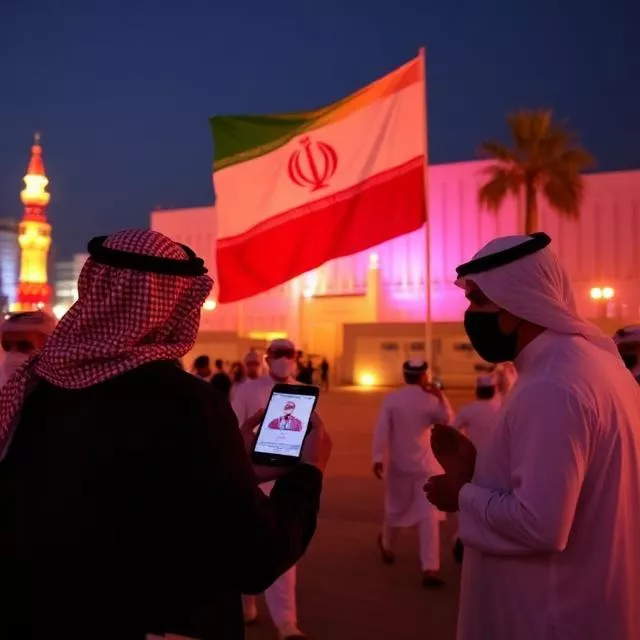
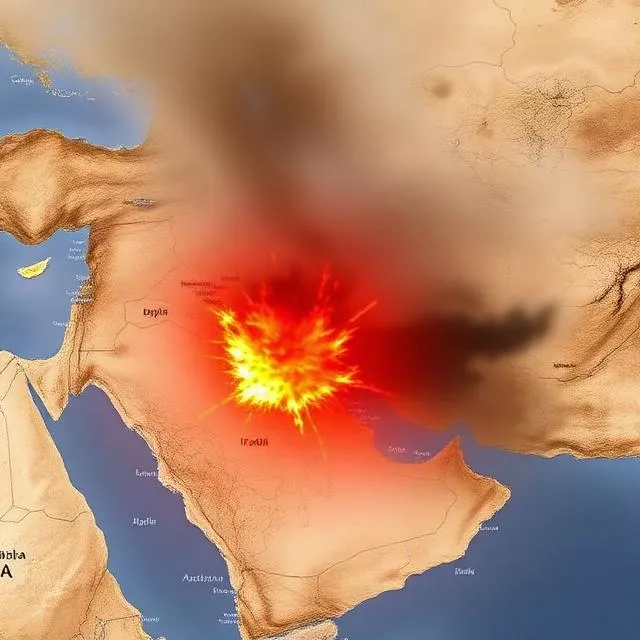
In a striking act of artistic defiance and national solidarity, acclaimed Iranian tar player and composer Ali Ghamsari has pledged to live and create music at the Damavand Combined Cycle Power Plant near Tehran. As President Donald Trump issues fresh threats to target Iranian infrastructure—including power plants—if the Strait of Hormuz is not reopened by his Tuesday deadline, Ghamsari’s vigil transforms the critical energy facility into a stage for peace and resistance through melody.Bbc
Who is Ali Ghamsari? The Tar Virtuoso Blending Tradition and Modernity
Ali Ghamsari stands as one of Iran’s most celebrated independent musicians. A master of the tar—the traditional Persian long-necked lute—he fuses classical Persian music with contemporary sounds, earning international acclaim for his emotive performances and innovative compositions.
Ghamsari has released numerous albums and performed in historic venues across Iran and beyond. Known for his solo tar recitals that capture the depth of Persian musical heritage, he maintains creative independence, free from direct affiliation with political movements. His decision to station himself at the power plant underscores a personal commitment to protecting civilian life and essential services through art rather than rhetoric.Tehrantimes
The Damavand Power Plant: Tehran’s Lifeline Under Threat
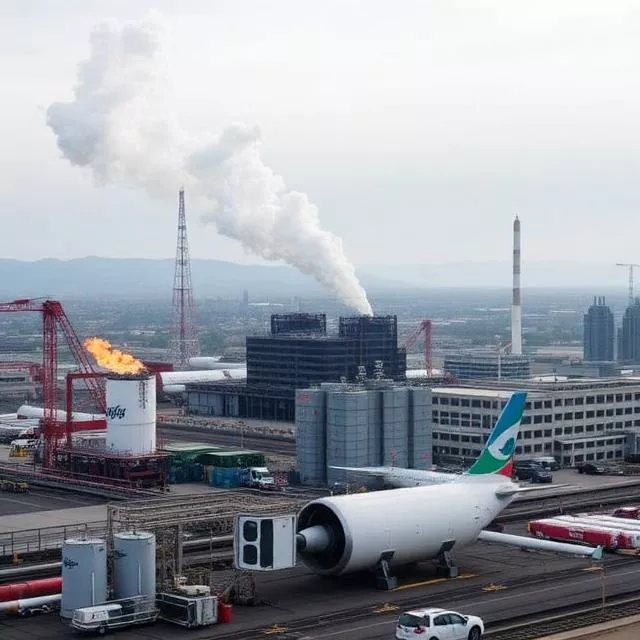
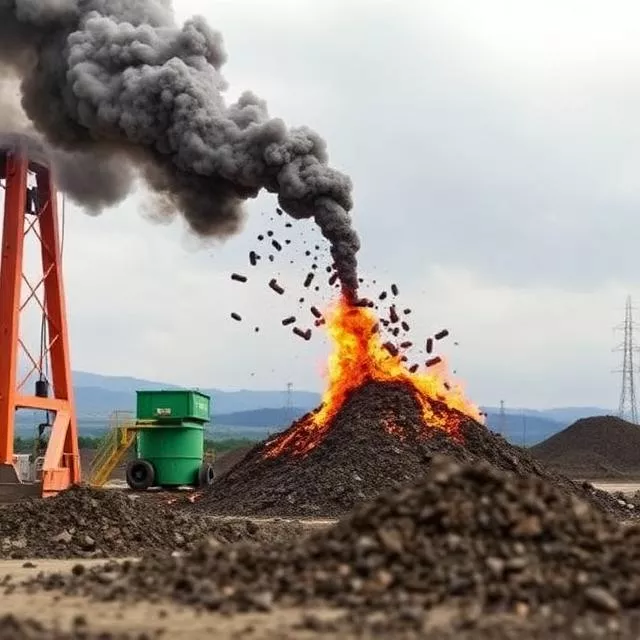
Located in Pakdasht, southeast of Tehran, the Damavand Combined Cycle Power Plant is one of Iran’s largest and most vital energy facilities. With a generation capacity of approximately 2,868 MW, it supplies around 40-43% of the capital’s electricity, powering homes, hospitals, and businesses for millions in a city of over 10 million residents.
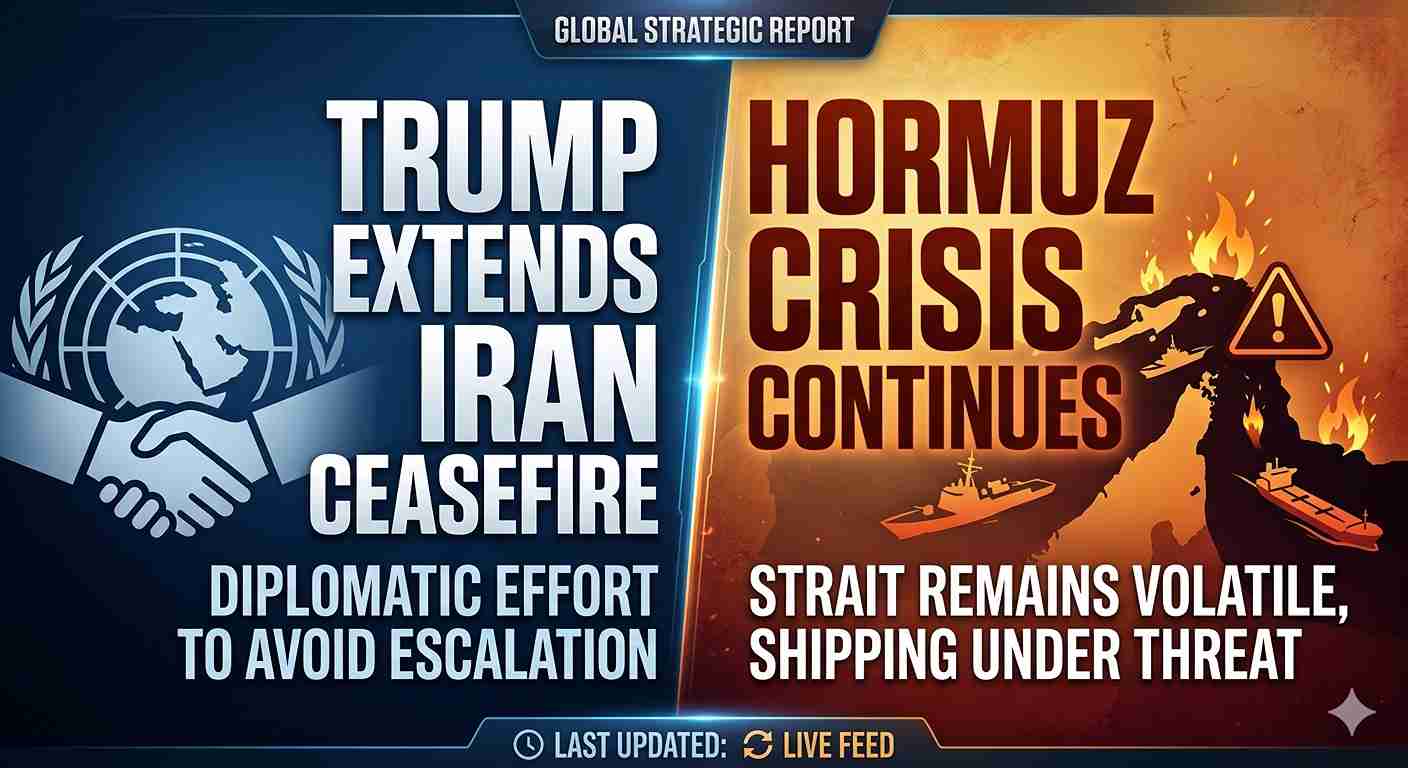
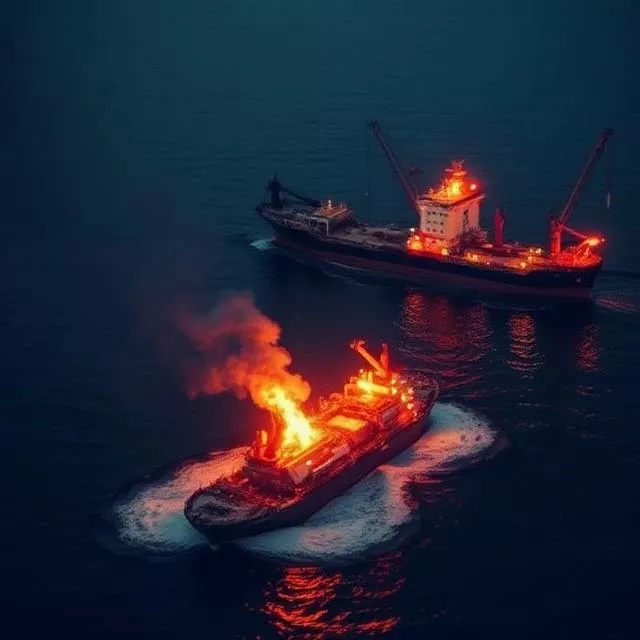
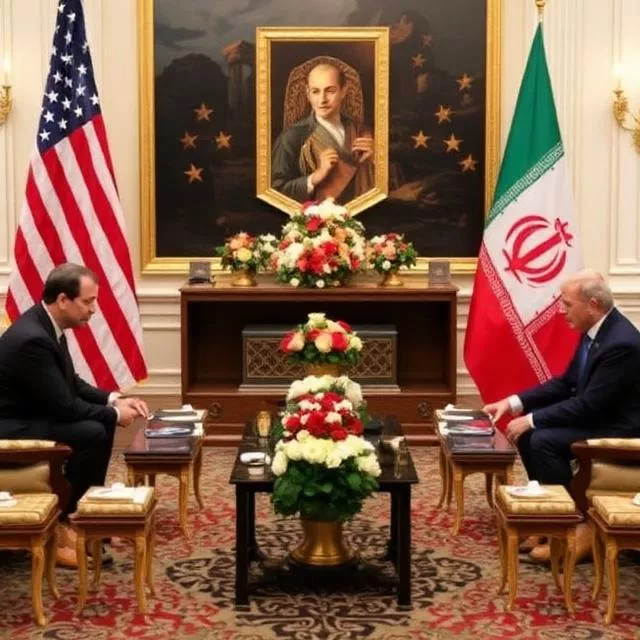
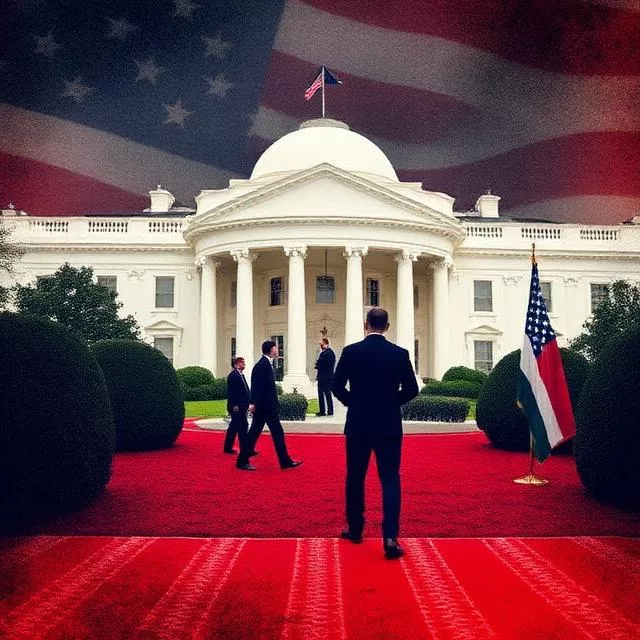
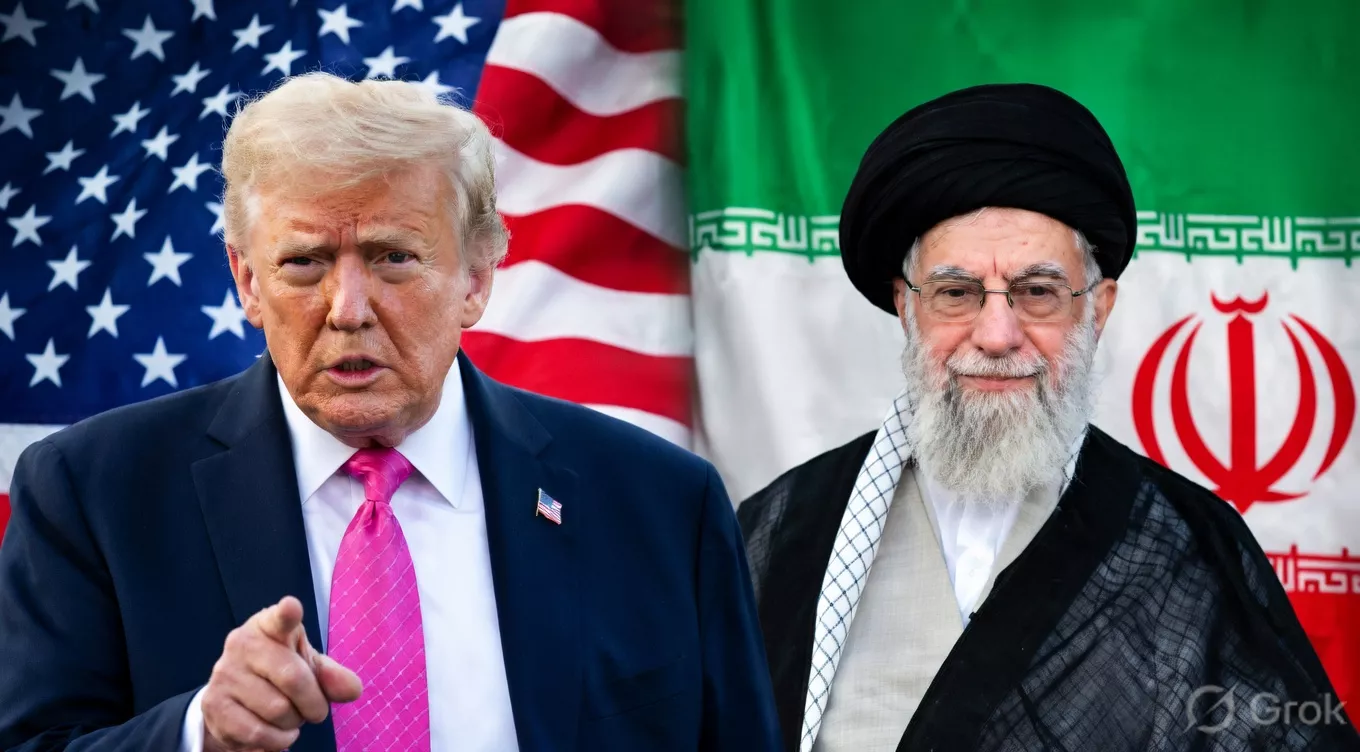
As tensions escalate, this strategic site has emerged as a potential target in President Trump’s warnings. Trump has repeatedly threatened strikes on Iranian power plants and bridges if Iran fails to reopen the Strait of Hormuz—a critical global oil chokepoint—by his specified deadline (extended to Tuesday 8:00 PM ET). His statements, including expletive-laden posts, have raised alarms about widespread blackouts and humanitarian impacts.Gem
Ghamsari explicitly referenced this vulnerability, stating he aims to become “a shield for the electricity of 40 percent of Tehran” with his tar, hoping the sound of music will help keep lights on in Iranian homes amid the crisis.Tehrantimes
Ghamsari’s Message: Music as a Human Shield
In announcements shared via social media and statements, Ghamsari described his action as a solitary artistic endeavor. He plans to compose and perform at the plant, inviting global musicians to join in a collective vigil for peace and infrastructure protection.
He emphasized:
- Acting as an independent artist, not aligned with any political faction.
- Using music to symbolize resistance against attacks on vital civilian infrastructure like electricity, water, and energy systems.
- Calling on international artists to stand in solidarity, turning the power plant into a beacon of cultural resilience rather than a target of conflict.
Iranian state media has praised the move as a courageous display of patriotism and creativity in the face of external threats. However, some online voices have dismissed it as symbolic propaganda with limited practical effect, while others view it as a poignant reminder of the human cost of geopolitical escalation.Turkiyetoday
Broader Context: Escalating Tensions Over the Strait of Hormuz
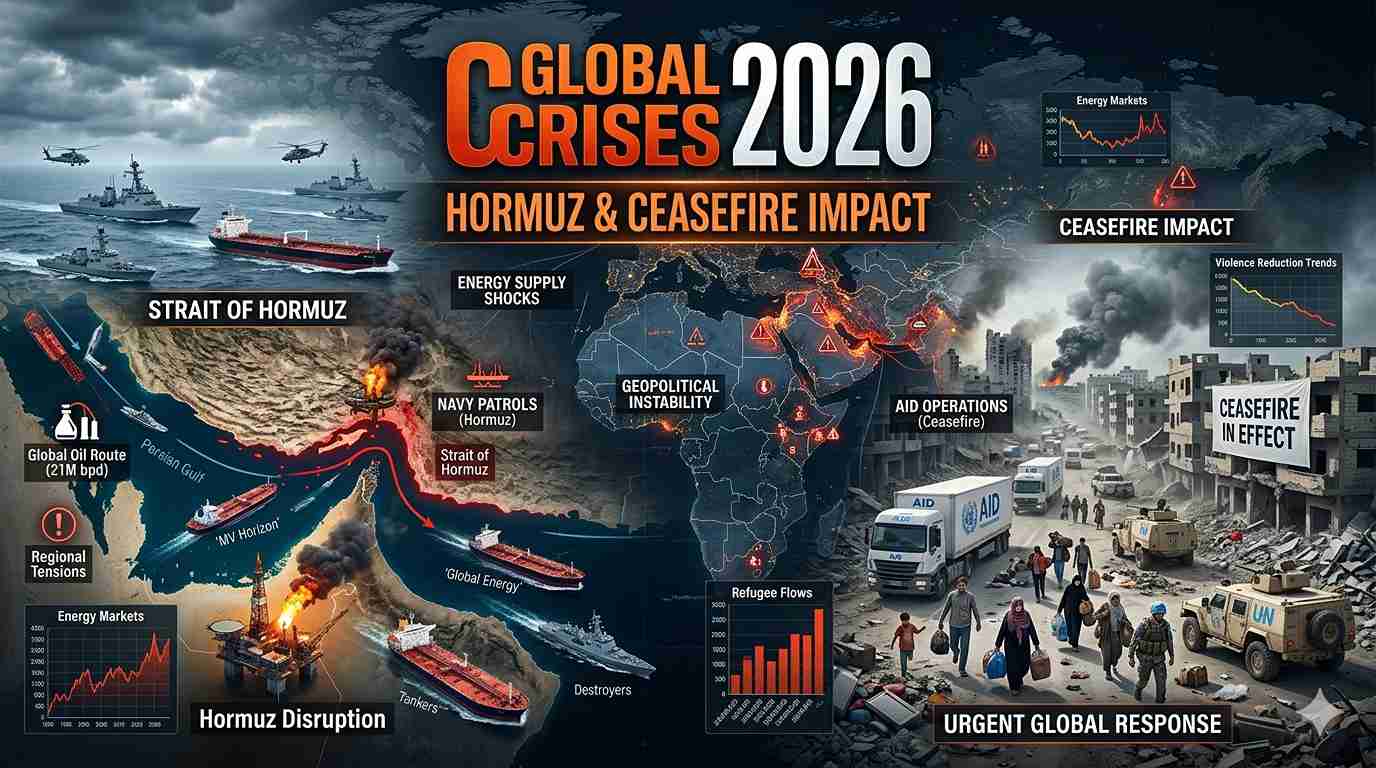
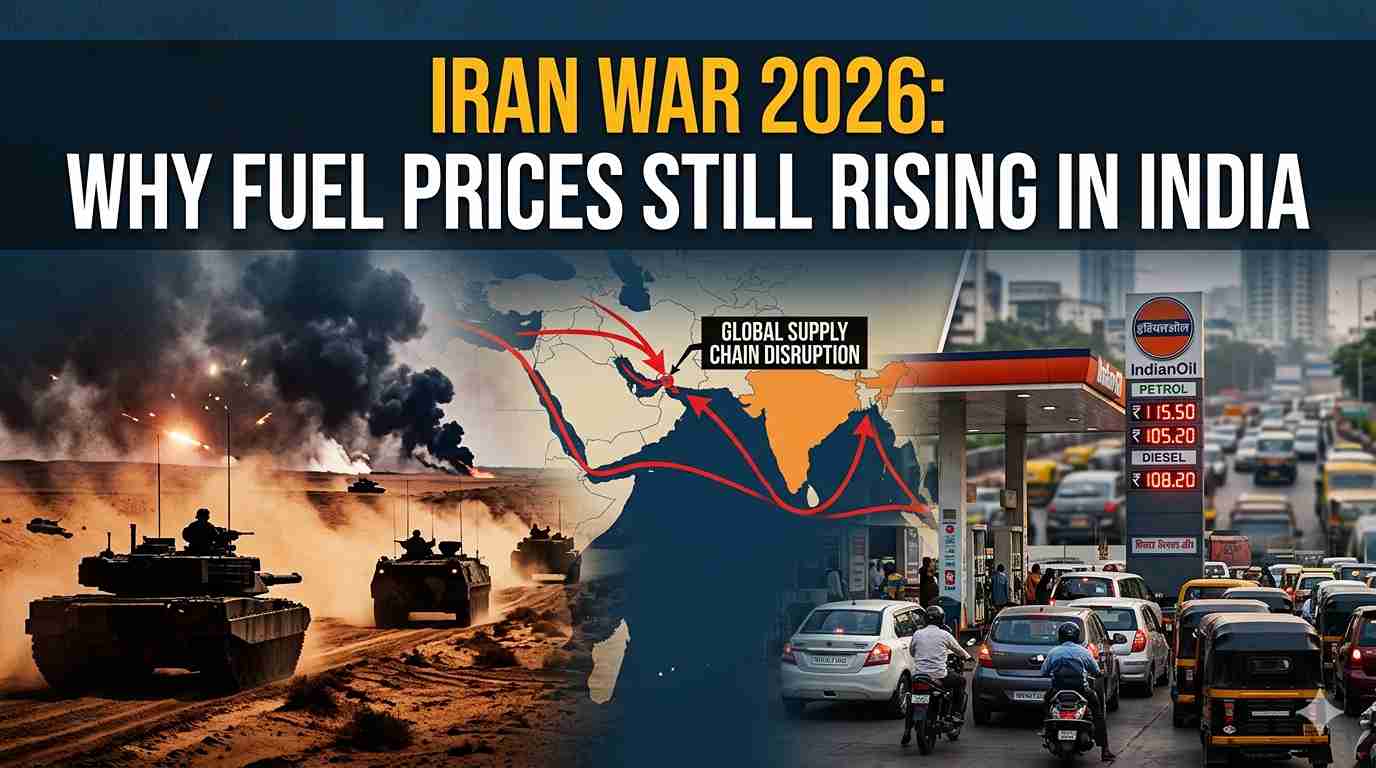
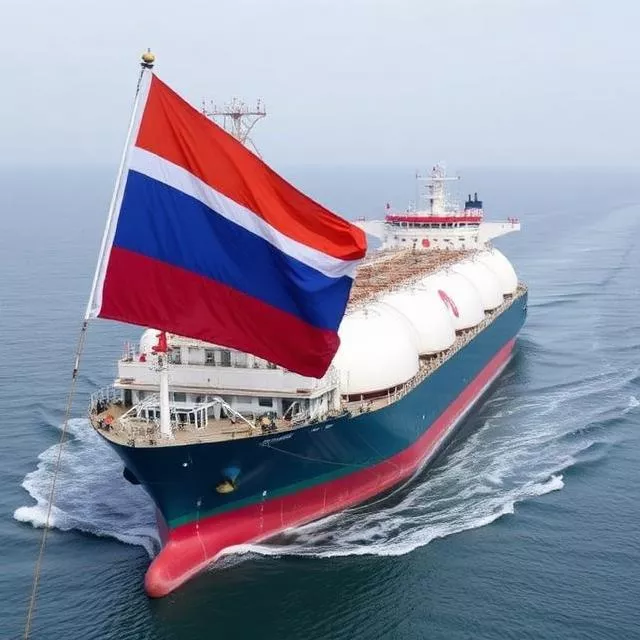
The current standoff stems from disruptions in the Strait of Hormuz, through which roughly 20% of global oil flows. Trump’s deadlines and threats follow a series of exchanges involving Iran, the US, and regional actors, with concerns over shipping security, energy markets, and potential military action.
Experts note that strikes on facilities like Damavand could cause significant blackouts in Tehran, though nationwide impacts would depend on the scale of any operation. Ghamsari’s presence draws attention to these risks, framing the conflict not just in strategic terms but through the lens of everyday lives—families without power, communities in darkness.
Why This Story Matters: Art, Resilience, and Global Attention
Ali Ghamsari’s stand at the Damavand Power Plant blends Persian cultural heritage with contemporary global issues. The tar, an instrument deeply rooted in Iranian identity, becomes a tool for non-violent expression and a call for de-escalation.
As the Tuesday deadline approaches, his vigil serves as:
- A symbolic human shield protecting critical infrastructure.
- An appeal to the international community to prioritize dialogue over destruction.
- A testament to the power of art in times of crisis, echoing historical examples where musicians and creatives have highlighted peace amid conflict.
For the Iranian people, especially in Tehran, reliable electricity is more than convenience—it’s essential for daily survival, healthcare, and economic stability. Ghamsari’s music aims to keep that reality intact.
What Happens Next?
As developments unfold around the Strait of Hormuz and US-Iran tensions, Ghamsari’s ongoing presence at the plant continues to capture attention worldwide. Will more artists heed his call? How will authorities and the international community respond? The story underscores deeper questions about infrastructure protection, cultural resistance, and the human face of geopolitical disputes.
Stay tuned to NRIGlobe for the latest updates on this unfolding situation, Iran-US relations, and cultural stories from the region.
Keywords: Ali Ghamsari, Iranian tar, Damavand Power Plant, Trump Iran threats, Strait of Hormuz, Tehran electricity, Persian music, Iran infrastructure, US Iran tensions 2026
Share this article if you believe in the power of art to bridge divides and protect civilian lives. What are your thoughts on using music as a form of peaceful resistance? Leave a comment below.
This post is for informational purposes and reflects reported events as of April 2026. NRIGlobe covers global news with a focus on the Indian diaspora and international affairs.