Hare Krishna Mantra: The Divine Path to Pure Love and Liberation in Kali Yuga
A Personal Awakening Through the Holy Names
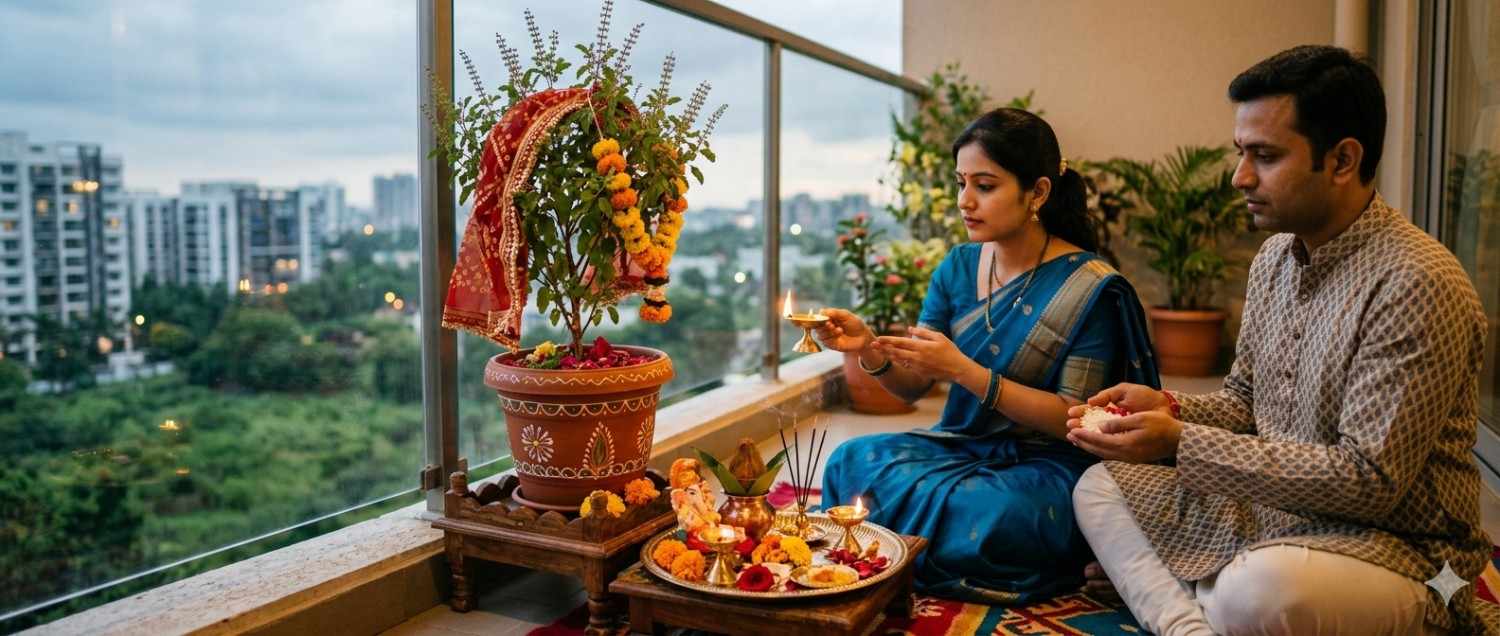
I remember the evening vividly—sitting alone in my small apartment, feeling an emptiness that material achievements couldn’t fill. My career was progressing, my bank account was growing, yet a profound loneliness gnawed at my soul. In desperation, I turned to something a friend had mentioned casually: the Hare Krishna Mahamantra.
With no expectations and a heart heavy with unexplained sorrow, I began to chant softly:
Hare Krishna, Hare Krishna, Krishna Krishna, Hare Hare
Hare Rama, Hare Rama, Rama Rama, Hare Hare
What happened next transformed my understanding of existence itself. As these sixteen sacred words rolled off my tongue, something shifted within. The walls of my apartment seemed to dissolve. A warmth I had never experienced began radiating from my heart. Tears flowed freely—not from sadness, but from an inexplicable joy, a recognition of something ancient and familiar, like coming home after countless lifetimes of wandering.
That night, the Hare Krishna Mantra didn’t just comfort me; it awakened a divine love dormant within my soul. This wasn’t mere emotional relief—it was the beginning of a spiritual revolution, a journey from darkness to light, from material consciousness to divine awareness.
The Supreme Importance of the Hare Krishna Mahamantra in Kali Yuga
We live in Kali Yuga, the age of quarrel and hypocrisy, where spiritual realization seems impossibly distant for most people. The ancient scriptures describe this era as one of shortened lifespans, weakened memories, and degraded spiritual capabilities. The rigorous practices that worked in previous ages—elaborate fire sacrifices, intense meditation, and strict austerities—are nearly impossible for modern souls entangled in the complexities of contemporary life.
Yet the Vedic wisdom reveals a profound secret: In Kali Yuga’s darkness shines the brightest beacon of hope. This age, despite all its challenges, contains a unique blessing—the sankirtana movement, the congregational chanting of the holy names of God. The Hare Krishna Mahamantra stands as the most powerful and accessible means of spiritual realization available to humanity today.
The Brihan-Naradiya Purana declares:
“Harer nama harer nama harer namaiva kevalam
Kalau nasty eva nasty eva nasty eva gatir anyatha”
“In this age of Kali, there is no alternative, no alternative, no alternative to chanting the holy name, the holy name, the holy name of the Lord.”
This threefold repetition emphasizes the absolute supremacy of the holy names in our current age. Where complex yogic practices fail, where philosophical speculation falls short, the simple yet profound act of chanting Hare Krishna opens the floodgates of divine mercy.
The Complete Hare Krishna Mantra: Text and Divine Meaning
The Mahamantra consists of sixteen sacred words arranged in a specific sequence:
Hare Krishna, Hare Krishna, Krishna Krishna, Hare Hare
Hare Rama, Hare Rama, Rama Rama, Hare Hare
The Profound Meaning
This mantra is not a mundane combination of sounds but a heartfelt prayer, a soul’s cry for divine connection:
- Hare – The vocative form of “Hara,” referring to Srimati Radharani, the supreme devotional energy of God, the embodiment of pure love
- Krishna – “The all-attractive one,” the Supreme Personality of Godhead who enchants all hearts
- Rama – “The reservoir of all pleasure,” another name for the Supreme Lord, emphasizing His ability to give complete satisfaction
When we chant this mantra, we are essentially calling out: “O Divine Energy! O All-Attractive Lord! O Reservoir of Pleasure! Please engage me in Your loving service. Please purify my consciousness. Please accept me despite my countless imperfections.”
This is not a demand but a humble supplication, acknowledging our complete dependence on divine mercy. We recognize that Radharani, the personification of devotion itself, is our greatest advocate before Krishna. By calling upon Her mercy first (Hare), we approach the Supreme Lord through the path of pure devotion.
Chaitanya Mahaprabhu: The Golden Avatar’s Gift to Humanity
In 1486, in the holy town of Mayapur, West Bengal, a divine phenomenon occurred. Sri Chaitanya Mahaprabhu appeared during a lunar eclipse while people throughout India chanted the holy names. The Vedic scriptures had predicted His advent—the Supreme Lord Himself would descend in a golden form, not to establish religious principles through warfare like in previous ages, but to distribute the highest form of love of God freely to everyone, regardless of qualification.
Chaitanya Mahaprabhu is recognized as Krishna Himself in the mood and complexion of Srimati Radharani. He came to taste the love Radharani feels for Krishna and to distribute that ecstatic love to the most fallen souls of Kali Yuga. His method was revolutionary in its simplicity: sankirtana—the congregational chanting of the Hare Krishna Mahamantra.
Unlike previous incarnations who appeared for specific groups or purposes, Chaitanya Mahaprabhu’s mission was universal. He declared:
“Yare dekha, tare kaha ‘krishna’-upadesa
Amara ajnaya guru hana tara’ ei desa”
“Whomever you meet, instruct them about Krishna. By My order, become a spiritual master and deliver everyone in this land.”
He demonstrated that the chanting of Hare Krishna was the yuga-dharma—the prescribed method for spiritual realization in this age. Through His own example, dancing in spiritual ecstasy through the streets of Navadvipa and Puri, He showed that God-realization need not be a somber, austere affair but could be filled with joy, music, and divine love.
The Transformative Power: Purification, Liberation, and Divine Love
Purifying the Mind and Consciousness
The Hare Krishna Mantra works on multiple levels simultaneously. At the most fundamental level, it purifies the consciousness by removing the accumulated karmic reactions of countless lifetimes. The Padma Purana explains that the holy names of Krishna are like a blazing fire that burns the forest of material desires.
Our minds are compared to mirrors covered with dust. Each selfish desire, each moment of envy, anger, or illusion adds another layer of grime. The chanting process systematically removes these layers, revealing the soul’s original pure consciousness—sat-chit-ananda (eternal, full of knowledge, and blissful).
From a practical standpoint, regular chanters report remarkable mental clarity. The constant anxiety that characterizes modern life—the endless mental chatter about past regrets and future worries—begins to quiet. In its place emerges a peaceful awareness, a sense of being grounded in something eternal and unchanging.
Ending Material Suffering
Material suffering arises from misidentification. We think we are these temporary bodies, these social roles, these accumulations of achievements and possessions. This false identity creates endless suffering because everything material is temporary. The body ages, relationships change, achievements fade, and death looms as the ultimate separator from everything we’ve built.
The Hare Krishna Mantra directly addresses this root cause. By reconnecting us with our eternal spiritual identity as servants of Krishna, it reveals the temporary nature of material existence. This doesn’t mean we become irresponsible or detached from our duties. Rather, we perform our worldly responsibilities with proper perspective, understanding that our true happiness lies not in material outcomes but in our relationship with the Divine.
The three types of suffering described in Vedic literature—adhyatmika (suffering from one’s own body and mind), adhibhautika (suffering caused by other living entities), and adhidaivika (suffering from natural calamities and fate)—all diminish in the presence of sincere chanting. Krishna personally protects His devotees, and even when external challenges remain, the internal experience transforms. What once caused devastation now becomes an opportunity for deeper surrender and growth.
Attaining Prema Bhakti: Pure Love of God
The ultimate goal of spiritual life isn’t mere liberation from suffering but the positive attainment of prema bhakti—spontaneous, selfless, ecstatic love for Krishna. This is the constitutional position of every soul, but it remains dormant under layers of material conditioning.
Chaitanya Mahaprabhu described the progression: sraddha (faith) leads to sadhu-sanga (association with devotees), which leads to bhajana-kriya (devotional practices), which removes anarthas (unwanted habits), leading to nistha (steadiness), ruci (taste), asakti (attachment), bhava (preliminary love), and finally prema (pure love).
The chanting of Hare Krishna is the catalyst for this entire progression. Each sincere repetition is like watering the seed of devotion planted in the heart. Initially, the practice might feel mechanical, but with patience and sincerity, the holy names begin to reveal their sweetness. Chanters describe moments of overwhelming gratitude, tears of spiritual joy, and an indescribable longing for Krishna that surpasses any material pleasure.
Transcending the Cycle of Birth and Death
Samsara—the repeated cycle of birth, death, old age, and disease—is the fundamental problem of material existence. No matter how comfortable we make one lifetime, death inevitably arrives, and the process begins again. The Bhagavad Gita describes this as changing clothes—the soul transmigrates from one body to another based on karma and desires.
The Hare Krishna Mantra offers the ultimate liberation. By purifying consciousness to the point where material desires vanish and only the desire to serve Krishna remains, the soul naturally returns to the spiritual world at death. This isn’t achieved through our own power but through the mercy attracted by sincere chanting.
Importantly, this liberation isn’t impersonal merging into an undifferentiated absolute. The Gaudiya Vaishnava tradition emphasizes entering into eternal, blissful service in Krishna’s spiritual abode, where every word is a song, every step is a dance, and time is eternal.
Daily Benefits: The Practical Transformation
Experiencing Genuine Joy
In our materialistic society, we’re taught that happiness comes from external acquisition—better jobs, more money, perfect relationships, ideal bodies. Yet people with all these things often report feeling empty. The Hare Krishna Mantra provides access to ananda—spiritual bliss that’s independent of external circumstances.
Regular chanters report waking up with a sense of purposeful joy. Morning chanting sessions become the highlight of the day, a time of communion with the Divine that colors everything that follows. This isn’t escapism but engagement with reality at a deeper level.
Reducing Anger and Cultivating Patience
Anger arises from frustrated desires and false ego. When we think we’re the controller and doer, every obstacle becomes a personal affront. The chanting process gradually adjusts this perspective. We begin understanding that Krishna orchestrates events according to our ultimate welfare, even when we can’t see the bigger picture.
Practitioners describe finding patience in situations that would have previously triggered explosive reactions. Traffic jams become opportunities for extra rounds of chanting. Difficult colleagues become teachers of tolerance. The sharp edges of the ego smooth out naturally.
Accessing Spiritual Ecstasy
The concept of spiritual ecstasy might seem foreign to those accustomed to material pleasure, but the two are fundamentally different. Material pleasure is extractive—it depletes us, creates dependencies, and always ends in frustration. Spiritual ecstasy is sustainable and expanding—it energizes, liberates, and continuously increases.
Advanced chanters sometimes experience what the tradition calls bhava—spontaneous spiritual emotions. These might manifest as uncontrollable tears during kirtan, the hair standing on end while chanting, trembling with divine love, or losing external consciousness in meditation on Krishna. While these dramatic symptoms aren’t the goal (the goal is service to Krishna), they indicate the power inherent in the holy names.
Building Community Harmony
One remarkable aspect of the Hare Krishna movement is its ability to unite people across all boundaries. In ISKCON temples worldwide, you’ll find people of every nationality, race, economic background, and previous religious tradition coming together in the common practice of chanting Hare Krishna.
This isn’t forced unity based on suppressing differences but natural harmony arising from shared spiritual consciousness. When everyone recognizes Krishna as the common father and themselves as His children, superficial differences fade in importance. The chanting process creates genuine spiritual relationships that transcend material considerations.
How to Chant: Practical Guidance for Your Journey
Japa Meditation with Tulsi Beads
The traditional method for personal chanting is japa—quiet, meditative repetition using tulsi (holy basil) beads. A japa mala contains 108 beads plus a larger head bead (Krishna bead). Here’s the process:
- Hold the beads properly: Rest the mala in your right hand, between your thumb and middle finger. Never use your index finger, which is considered inauspicious.
- Start from the bead next to the head bead: Chant one complete mantra (Hare Krishna, Hare Krishna, Krishna Krishna, Hare Hare / Hare Rama, Hare Rama, Rama Rama, Hare Hare) and move to the next bead.
- Don’t cross the head bead: When you complete 108 mantras (one round), don’t cross over the Krishna bead. Reverse direction if doing another round.
- Focus on the sound: Let the holy names fill your consciousness. When the mind wanders (which it will), gently bring it back to hearing the sound of the mantra.
- Maintain proper pronunciation: While Krishna accepts sincere chanting regardless of pronunciation, try to articulate clearly: “HAH-ray KRISH-na, HAH-ray KRISH-na, KRISH-na KRISH-na, HAH-ray HAH-ray / HAH-ray RAH-ma, HAH-ray RAH-ma, RAH-ma RAH-ma, HAH-ray HAH-ray”
Kirtan: The Congregational Celebration
Kirtan is the congregational, musical chanting of the Hare Krishna Mantra. This practice, pioneered by Chaitanya Mahaprabhu, creates a powerful collective energy:
- Call and response format: One person leads by singing the mantra, and others respond. This back-and-forth creates spiritual momentum.
- Musical accompaniment: Traditional instruments include harmonium, mridanga (clay drum), and karatalas (hand cymbals), though any instruments can be used.
- Dancing and movement: Unlike meditation that requires stillness, kirtan encourages physical expression of spiritual joy. Dance freely, raise your arms, move your body—let the divine energy flow through you.
- Group dynamics: Kirtan in a group creates a spiritual force greater than individual practice. The collective aspiration elevates everyone’s consciousness.
Anytime, Anywhere: The Beauty of Accessibility
One of the most liberating aspects of the Hare Krishna Mantra is its complete accessibility. You don’t need:
- A special place (though a designated space helps)
- Specific times (though early morning is considered ideal)
- Particular postures (though sitting is traditional)
- Religious initiation (though it deepens practice)
- Permission from authorities
You can chant:
- While commuting to work
- During exercise or walking
- While doing household chores
- Before sleep or upon waking
- During moments of stress or anxiety
- In moments of joy and gratitude
The mantra adapts to your life circumstances. Busy professionals might chant mentally during meetings (not as powerful as vocal chanting, but still beneficial). Parents might involve children in musical kirtan. The elderly might make japa their primary daily activity.
The 108 Rounds Ideal and Realistic Goals
In the Gaudiya Vaishnava tradition, particularly as practiced in ISKCON, initiated devotees commit to chanting a minimum of 16 rounds daily (approximately two hours). Advanced practitioners aim for 64 rounds (about eight hours), and some absorbed souls chant 108 rounds or more.
For those beginning the practice:
Start small: Begin with one round daily. Consistency matters more than quantity initially. Build the habit before increasing volume.
Gradually increase: Once one round becomes natural, add another. Progress at your own pace without guilt or pressure.
Quality over quantity: Better to chant four rounds with full attention than sixteen rounds while mentally planning your day.
Set a sustainable goal: If your schedule realistically allows thirty minutes of japa, commit to that. The goal is lifelong practice, not unsustainable bursts of enthusiasm.
Create accountability: Many practitioners find that informing others of their commitment helps maintain consistency.
Stories from the Gaudiya Tradition
Haridasa Thakura: The Namacharya
Haridasa Thakura, born in a Muslim family, became one of Chaitanya Mahaprabhu’s most intimate associates and was designated the namacharya—the master teacher of the holy name. His commitment was extraordinary: he chanted 300,000 names daily (approximately 1,900 complete mantras, or 192 rounds).
The most remarkable story of his life occurred when a prostitute was employed to seduce him and destroy his spiritual reputation. For three consecutive nights, she visited his cottage with increasing determination. Each night, Haridasa Thakura treated her with perfect respect and asked her to wait while he completed his chanting. Hearing the holy names throughout the night, her consciousness transformed completely. By the third night, she surrendered at his feet, renounced her profession, and became a great devotee herself.
This story illustrates the power of sincere chanting—it not only protects the chanter but transforms even those who hear the holy names, regardless of their initial intentions.
The Six Goswamis of Vrindavana
The six Goswamis—Rupa, Sanatana, Raghunatha Dasa, Raghunatha Bhatta, Gopala Bhatta, and Jiva—were brilliant scholars and renunciants who dedicated their lives to excavating the holy places of Vrindavana and writing the philosophical and devotional literature that forms the foundation of Gaudiya Vaishnavism.
Despite their intense scholarly work and excavation projects, they maintained rigorous chanting practices. Historical accounts describe them sleeping only two hours nightly, spending the rest of their time in chanting and writing. Their lives demonstrate that the chanting practice supports rather than conflicts with intellectual and practical endeavors.
Srila Prabhupada: Bringing the Holy Names to the Western World
The most significant modern story of the Hare Krishna Mantra’s power is the life of A.C. Bhaktivedanta Swami Prabhupada. In 1965, at age 69, with forty rupees in his pocket and a trunk of books, he boarded a cargo ship to America on the order of his spiritual master.
Landing in New York City, he sat in parks chanting Hare Krishna, attracting curious young people seeking spiritual alternatives. Within eleven years before his passing, he had established over 100 temples worldwide, initiated thousands of disciples, translated and published over 70 volumes of Vedic literature, and created a global movement.
His success wasn’t due to charisma, funding, or organizational prowess—he attributed everything to the mercy of the holy names and his spiritual master’s order. His life exemplifies the principle that Krishna provides everything necessary when one sincerely serves the mission of spreading the chanting of His names.
ISKCON Insights: The Modern Expression of Ancient Wisdom
The International Society for Krishna Consciousness, founded by Srila Prabhupada in 1966, represents the contemporary manifestation of the ancient Gaudiya Vaishnava tradition. Several key insights from ISKCON practice deserve attention:
The Scientific Approach to Spirituality
ISKCON presents Krishna consciousness not as blind faith but as a science with predictable results. Just as combining hydrogen and oxygen produces water, chanting Hare Krishna with proper guidance produces specific spiritual outcomes. This approach resonates with modern minds seeking verifiable truth rather than dogma.
Integration of Devotion and Daily Life
Unlike traditions that require withdrawal from society, ISKCON emphasizes Krishna consciousness within normal life activities. Devotees maintain careers, families, and social responsibilities while incorporating spiritual practices. This “householder spirituality” makes the tradition accessible to everyone, not just monastics.
The Importance of Association
ISKCON’s temple programs provide regular association with like-minded practitioners. Weekly programs typically include kirtan, spiritual discourse, and prasadam (sanctified food). This community support system helps maintain practice during challenging periods and provides opportunities for service.
Food Offered to Krishna (Prasadam)
A unique aspect of Krishna consciousness practice is offering food to Krishna before eating. This simple act transforms eating from sense gratification into devotional service. Prasadam carries special spiritual potency—even those skeptical about chanting often experience profound effects from honoring food offered to Krishna.
A Daily Practice Schedule: Integrating the Mantra into Your Life
Creating a sustainable daily practice requires structure balanced with flexibility. Here’s a recommended schedule adaptable to various lifestyles:
Early Morning (Brahma-Muhurta: 4:00-6:00 AM)
4:30 AM: Wake up, wash, and prepare your space
4:45 AM: Begin japa meditation (target: 4-16 rounds)
6:00 AM: Morning arati (worship ceremony) and kirtan if with a group, or personal prayers and study
Early morning hours are considered most auspicious for spiritual practice when the mind is fresh and the environment quiet. Even waking 30 minutes earlier than usual to chant can transform your entire day.
Throughout the Day
Morning: Chant mentally or quietly during commute
Lunch break: One round of japa or quiet chanting
Afternoon: Listen to kirtan recordings during work if possible
Evening: 15-minute kirtan session with family or alone
The key is weaving the mantra throughout your daily activities. Many practitioners keep a mala in their car or workplace for moments of spare time.
Evening Practice
7:00 PM: Evening japa session (1-4 rounds)
8:00 PM: Read Bhagavad Gita or Srimad Bhagavatam
9:00 PM: Chant before sleep, ending the day in Krishna consciousness
Reading authorized Vaishnava literature supports and deepens your chanting practice by providing philosophical understanding and devotional inspiration.
Weekly Group Practice
Sunday (or another suitable day): Attend temple program or host home kirtan
- 90 minutes of group chanting
- Spiritual discourse
- Prasadam fellowship
Group practice provides essential support, inspiration, and correction that individual practice alone cannot supply.
Hare Krishna Mantra Benefits: A Comprehensive Overview
For those seeking the practical benefits of this practice, the Hare Krishna Mantra offers:
Spiritual Benefits:
- Direct connection with the Supreme Person
- Purification of consciousness
- Awakening of dormant love for God
- Liberation from the cycle of birth and death
- Entrance into the spiritual realm
Mental Benefits:
- Reduced anxiety and stress
- Improved focus and concentration
- Enhanced mental clarity
- Decreased depression
- Positive mindset cultivation
Emotional Benefits:
- Genuine happiness independent of circumstances
- Reduced anger and irritability
- Increased patience and tolerance
- Healing of emotional wounds
- Cultivation of compassion
Social Benefits:
- Improved relationships
- Better communication
- Reduced conflict
- Increased empathy
- Spiritual community connection
Physical Benefits:
- Lower stress-related health issues
- Improved sleep quality
- Reduced blood pressure
- Enhanced overall wellbeing
- Increased energy levels
While the physical and mental benefits are real and documented by practitioners, they’re considered secondary to the primary goal: developing love for Krishna.
How to Chant Hare Krishna Daily: Overcoming Common Obstacles
“I Don’t Have Time”
Time management is rarely about availability and usually about priorities. We find time for what we value. Start with just five minutes—one round takes approximately seven minutes. Wake fifteen minutes earlier, or use time currently spent on social media scrolling.
“My Mind Wanders Constantly”
Mind-wandering is universal, not a personal failing. The practice itself gradually trains attention. Don’t become frustrated; simply return focus to the sound whenever you notice wandering. This gentle redirection is the practice.
“I Don’t Feel Anything”
Spiritual progress isn’t primarily measured by emotional experiences but by character transformation. Are you becoming more patient? Less angry? More compassionate? These indicate advancement. Ecstatic experiences come naturally when the time is right; seeking them as the goal actually impedes progress.
“I’m Not Hindu/Indian”
The Hare Krishna Mantra transcends cultural and religious boundaries. Chaitanya Mahaprabhu and Srila Prabhupada emphasized that spiritual science belongs to everyone. People from every background practice Krishna consciousness while maintaining their cultural heritage.
“I Feel Hypocritical Because I’m Not Perfect”
Perfection isn’t the prerequisite for chanting; chanting is the process toward perfection. Come exactly as you are—with all your imperfections, doubts, and struggles. The mantra works from the inside out, gradually elevating consciousness without requiring artificial external conformity.
The Living Practice: Let the Holy Names Dance on Your Tongue
As we conclude this exploration of the Hare Krishna Mahamantra, remember that reading about swimming differs vastly from entering the water. Similarly, understanding the philosophy and benefits of chanting means little without actual practice.
The holy names of Krishna are not ordinary sound vibrations subject to material limitations. They are Krishna Himself in sonic form, completely spiritual, completely potent, completely merciful. When you chant Hare Krishna, you are directly associating with the Supreme Person, regardless of your current level of spiritual advancement.
Don’t wait for the “perfect” circumstances to begin. Don’t postpone until you’ve read all the books or understood all the philosophy. Start today—right now, if possible. Chant one mantra. Feel the ancient syllables move through your consciousness. Notice what arises.
The journey of a thousand miles begins with a single step. Your journey toward eternal love, unending joy, and complete spiritual fulfillment begins with one sincere utterance: Hare Krishna.
Let these holy names become your constant companions. Let them be the first sound you produce upon waking and the last before sleep. Let them fill your moments of joy and carry you through periods of challenge. Let them become the backdrop of your existence, the divine melody underlying all of life’s temporary dramas.
In this Kali Yuga, with all its darkness and difficulty, we have been given an incomparable gift—a gift that requires nothing but an open heart and a willing tongue. The Supreme Lord Himself, in His most merciful form as Chaitanya Mahaprabhu, has placed in our hands the perfect tool for spiritual perfection.
Don’t let this opportunity pass. Begin your chanting practice today. Join the eternal song that reverberates throughout the spiritual and material worlds. Let the holy names dance on your tongue, purify your heart, and carry you home—back to Godhead, back to Krishna, back to your eternal, blissful position as a loving servant of the All-Attractive Lord.
Hare Krishna, Hare Krishna, Krishna Krishna, Hare Hare
Hare Rama, Hare Rama, Rama Rama, Hare Hare
May the chanting of these sixteen words become the foundation of your spiritual life, the source of your deepest joy, and the pathway to eternal divine love. The holy names are waiting for you—they have always been waiting. All you need to do is call out with sincerity, and the journey of a lifetime, the journey of countless lifetimes, truly begins.
All glories to Sri Guru and Gauranga! All glories to Srila Prabhupada! All glories to the holy names of Krishna!
For more information about beginning a chanting practice, visit your local ISKCON temple or explore resources at krishna.com. The holy names belong to everyone—the doors are always open for sincere seekers.