As the gentle breeze of autumn ushers in the sacred period of Pitru Paksha 2025, our hearts turn toward our ancestors, the roots of our existence. Beginning on September 7, 2025, with the Pratipada Tithi, and culminating on September 21, 2025, with the deeply revered Mahalaya Amavasya, this 15-day period in the Krishna Paksha of the Ashwin month is a time to connect with those who came before us. It’s a divine opportunity to express gratitude, seek blessings, and help our ancestors’ souls find peace and liberation.
The Spiritual Essence of Pitru Paksha
In the tapestry of Hindu traditions, Pitru Paksha holds a special place. Rooted in Vedic wisdom, this period is when the gates between the physical and spiritual realms are believed to open, allowing our ancestors’ souls to visit Earth. By performing rituals like Shraddha, Tarpan, and Pind Daan, we offer nourishment and love to these souls, helping them attain moksha (liberation) while dissolving Pitru Dosha, which may cast shadows on our lives. In return, our ancestors shower us with blessings of prosperity, health, and harmony.
This sacred time reminds us of Pitru Rin—the eternal debt we owe to our forefathers for the gift of life and lineage. As we light a diya or offer a handful of black sesame seeds, we weave a thread of devotion that binds generations, past and present, in a timeless embrace.
When Does Pitru Paksha 2025 Begin?
Pitru Paksha 2025 commenced on September 7, 2025, with the Pratipada Tithi and will conclude on Mahalaya Amavasya, starting around 1:02 AM on September 21 and ending around 1:42 AM on September 22, as per regional panchang timings. This final day is especially significant, as it’s a time to perform collective Shraddha for all ancestors, particularly if their death tithis are unknown.
Rituals to Honor Our Ancestors
The rituals of Pitru Paksha are a blend of simplicity and profound spirituality, accessible to all who approach them with sincerity. Here’s a heartfelt guide to performing these sacred rites:
1. Preparation with Purity
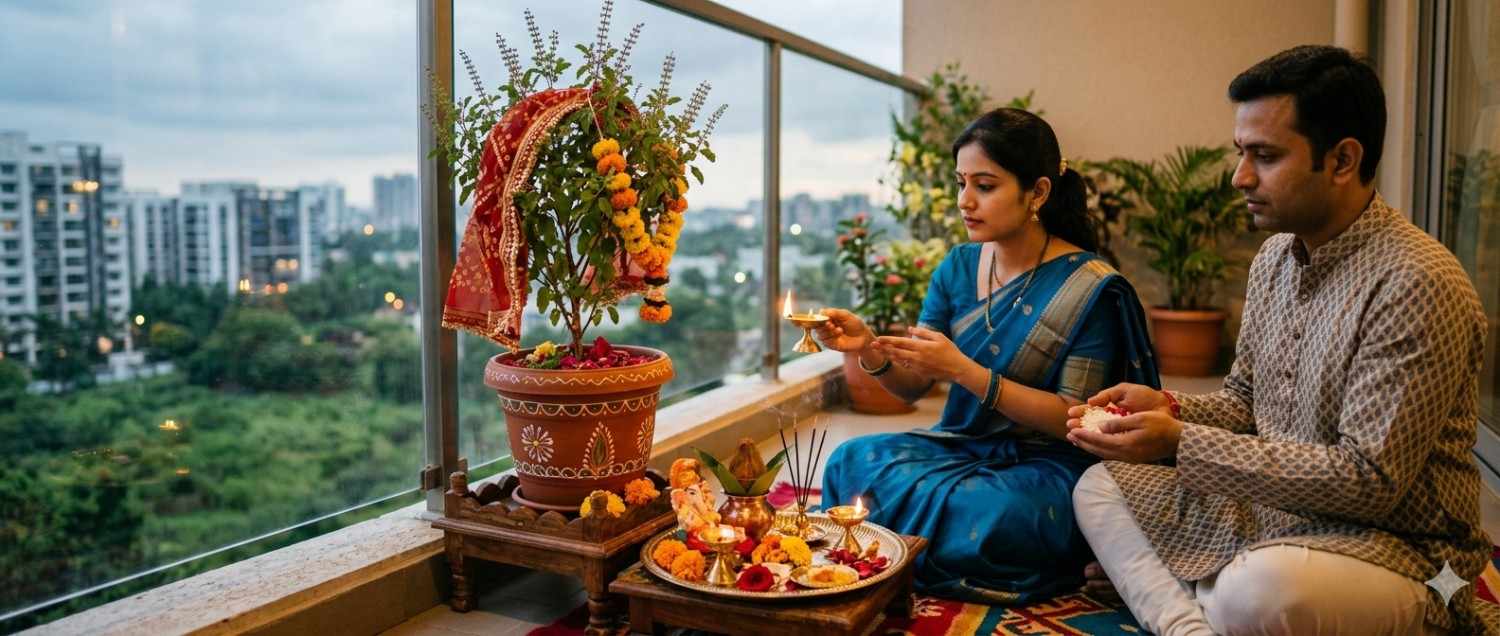
Begin each day with a purifying bath, donning clean, preferably white, traditional attire like a dhoti or saree. Cleanse your puja space, setting up an altar facing south—the direction of Yama, the lord of ancestors. Gather sacred items: black sesame seeds, Kusha grass, rice, barley, ghee, honey, milk, flowers, fruits, and a copper vessel. Embrace a sattvic lifestyle—avoid non-vegetarian food, alcohol, garlic, onions, and worldly distractions to maintain spiritual purity.
2. Sankalp: A Vow of Devotion
Sit on a Kusha mat, facing south, and hold water, til, and Kusha in your right hand. With a heart full of reverence, take a sankalp, stating your name, gotra, and the ancestor you honor. For example: “I, [Your Name], of [Gotra], offer this Shraddha for [Ancestor’s Name] for their peace and liberation.” Release the water as a sacred vow, inviting divine energies to guide the ritual.
3. Tarpan: Offering Water to Souls
In a copper or steel vessel, mix water with black sesame, barley, rice, and a touch of milk or ghee. Holding Kusha grass between your fingers, pour the mixture slowly, chanting mantras like “Om Pitru Devatabhyo Swadha” or the ancestor’s name, such as “Om [Father’s Name] Swadha,” three times each. Offer Tarpan for three generations—father, grandfather, great-grandfather—and their spouses, or collectively for all Pitrus. Perform this at a riverbank, pond, or home altar, ideally at dusk, to connect with their souls.
4. Pind Daan: Nourishing the Ancestors
Prepare pindas—rice balls made with cooked rice, black sesame, barley flour, ghee, honey, and milk. Place them on a banana leaf or plate with Kusha grass, offering them with mantras while visualizing your ancestors accepting this love. This ritual, central to dissolving Pitru Dosha, can be performed at home or sacred sites like Gaya, Varanasi, or Prayagraj. Online Shraddha services are also available for those unable to travel.
5. Shraddha and Offerings
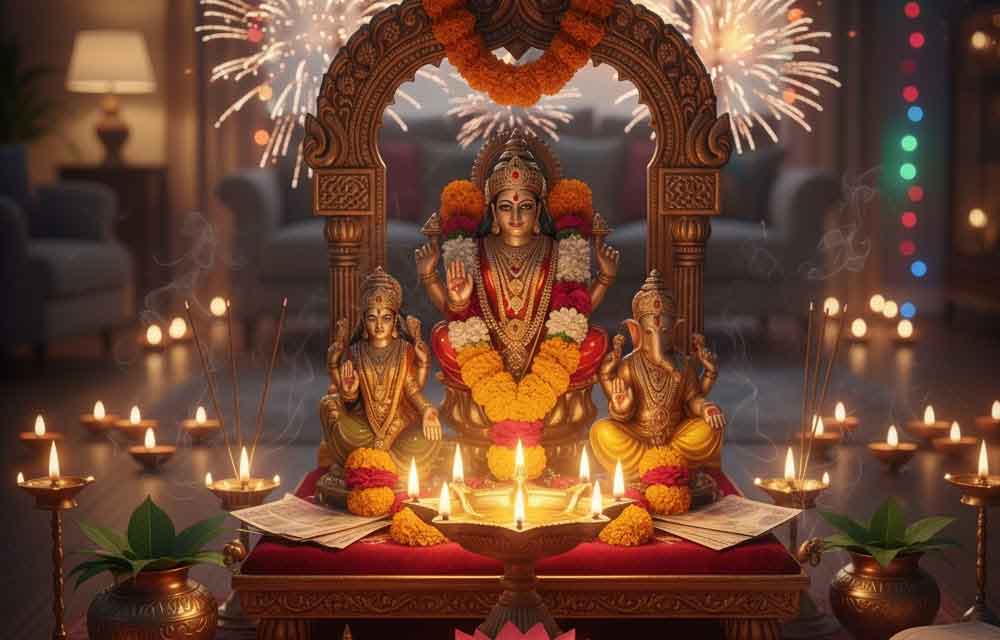
Conduct a full puja with incense, a diya, flowers, fruits, and sattvic sweets. Recite mantras from scriptures like the Garuda Purana or seek a priest’s guidance. On Mahalaya Amavasya, perform a collective Shraddha for all ancestors, uniting them in your prayers. Offer rice cakes (chadh) made from grains as a symbol of sustenance.
6. Feeding and Charity
Prepare sattvic meals—rice, dal, vegetables, kheer—and share them with Brahmins, cows, dogs, crows (messengers of ancestors), or the needy. Donate clothes, grains, til, umbrellas, or dakshina in your ancestors’ names. These acts of charity are believed to reach their souls, amplifying your devotion.
7. Visarjan: A Loving Farewell
Conclude by immersing pindas or offerings in flowing water, symbolizing the souls’ journey onward. Perform aarti, chant “Om Shanti,” and seek forgiveness for any ritual oversights. Break your fast, if observed, with gratitude for the spiritual connection forged.
Do’s and Don’ts for a Blessed Pitru Paksha
- Do: Follow a sattvic diet, perform daily Tarpan if possible, feed animals and the needy, and donate generously. Face south during rituals and use black sesame seeds.
- Don’t: Consume non-vegetarian food, alcohol, or intoxicants. Avoid auspicious events like weddings or buying new items. Refrain from cutting hair/nails or performing rituals at night.
The Eternal Connection
Pitru Paksha is more than a ritual—it’s a bridge to our past, a moment to pause and honor the souls who shaped our lives. Whether you perform these rites at a sacred ghat or in the quiet corner of your home, the key is shraddha—faith and devotion. For those unable to visit holy sites, modern platforms offer online Shraddha services, ensuring everyone can participate in this sacred tradition.
As we light the diya and offer water this Pitru Paksha 2025, let’s whisper our gratitude to our ancestors, seeking their blessings for a life of peace, prosperity, and spiritual growth. May their souls find eternal peace, and may their love continue to guide us.
Om Pitru Devatabhyo Namah.