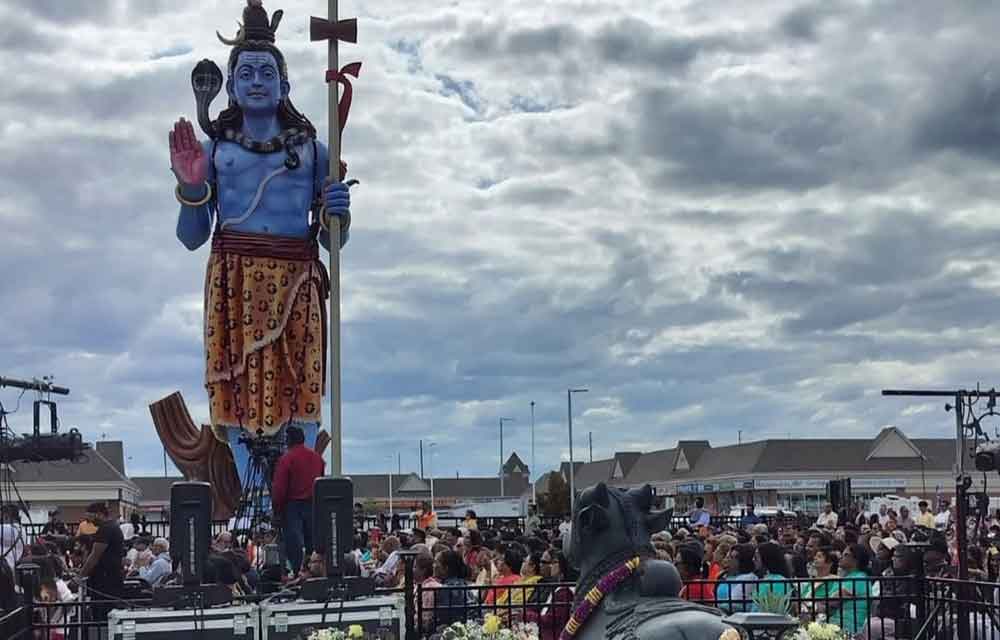
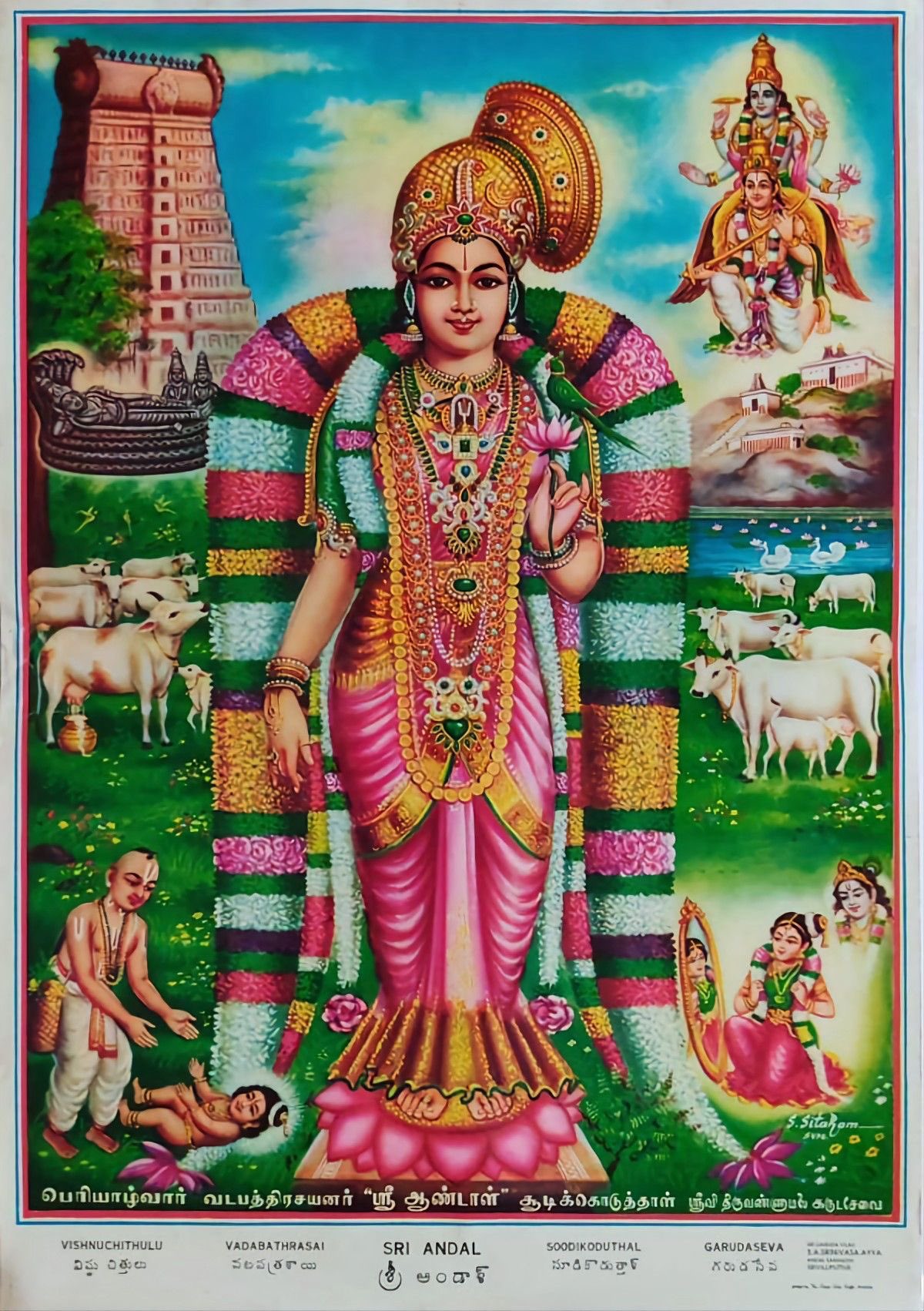
Goddess Parvati’s Role as the Ideal Devotee
In Hindu mythology, Goddess Parvati is revered as the epitome of devotion, strength, and perseverance. Her unwavering commitment to Lord Shiva, particularly through her observance of the Somavar Vrat (Monday fast), serves as a powerful symbol of dedication. According to the Skanda Purana and other sacred texts, Parvati undertook severe penance and observed the Somavar Vrat to win Shiva’s heart and marry him, overcoming numerous obstacles, including her father’s opposition. Her journey reflects the qualities of discipline, faith, and resilience, making her an inspiration for women seeking spiritual and personal fulfillment. As the ideal devotee, Parvati embodies Shakti (divine feminine energy), demonstrating that devotion is not passive but an active, empowering force that transforms lives. Her story underscores the spiritual significance of the Somavar Vrat, particularly for women, as a means to channel inner strength and seek divine blessings.
Unmarried Women Fasting for a Virtuous Spouse Like Shiva
The Somavar Vrat, observed on Mondays, holds special significance for unmarried women who aspire to find a virtuous spouse akin to Lord Shiva, revered as the ideal husband for his qualities of compassion, strength, and loyalty. This fast, especially during the auspicious month of Shravan (July–August), is believed to fulfill heartfelt desires for a harmonious marriage. The process involves:
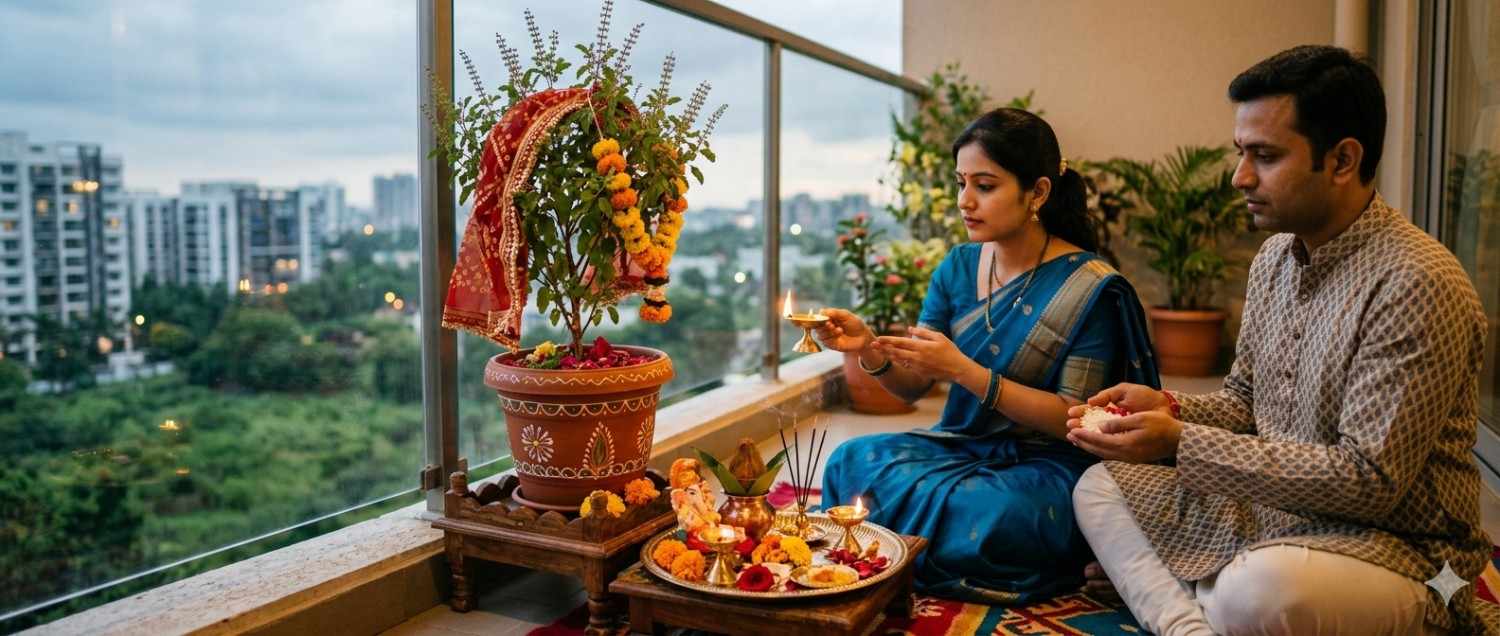
- Ritual Preparation: Women wake up early, take a purifying bath (sometimes with sesame seeds added to the water), and clean their homes, often sprinkling Ganga Jal (holy water) for sanctity.
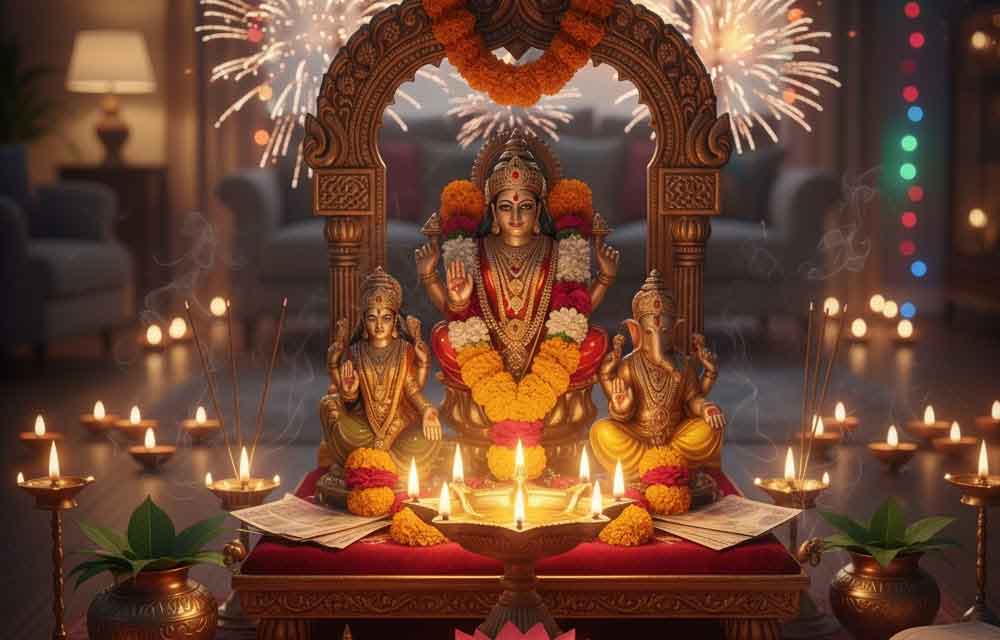
- Puja Setup: An idol or image of Lord Shiva is placed in the northeast corner of the home, decorated with flowers, sandalwood paste, and vermilion. Devotees chant mantras like “Om Namah Shivaya” and recite the Solah Somvar Vrat Katha (the story of the fast).
- Fasting Rules: The fast can vary—some observe a complete fast without food or water (nirjala vrat), while others consume fruits and milk. The Solah Somvar Vrat, a 16-week consecutive Monday fast, is particularly popular for its believed efficacy in granting marriage wishes.
- Offerings and Prayers: Offerings include bilva leaves, milk, and sweets to the Shiva lingam. Women pray for a spouse who embodies Shiva’s virtues, seeking a partner who is loving, supportive, and spiritually26
spiritually grounded.
This practice is rooted in Parvati’s own devotion, as she is believed to have observed this fast to win Shiva. Unmarried women emulate her discipline, fasting with sincerity to seek a partner who will foster a relationship built on mutual respect and devotion, mirroring the divine union of Shiva and Parvati.
Celebrating Teej Festivals Tied to Somavar: An NRI Women’s Perspective
Teej festivals, including Hariyali Teej, Kajari Teej, and Hartalika Teej, are deeply connected to the Somavar Vrat, as they celebrate Parvati’s devotion to Shiva and often fall on or near Mondays during the Shravan or Bhadrapada months. For Non-Resident Indian (NRI) women, these festivals offer a way to stay connected to their cultural and spiritual roots while living abroad. From an NRI perspective, celebrating Teej involves:
- Maintaining Traditions: NRI women recreate the festive spirit by organizing community gatherings at local temples or cultural centers, where they perform puja for Shiva and Parvati, using clay idols, flowers, and traditional offerings like sweets and fruits. They observe the nirjala vrat, fasting without food or water, to honor Parvati’s dedication and pray for marital harmony or a suitable spouse.
- Cultural Expression: Women dress in vibrant red or green sarees, apply mehndi (henna), and practice solah shringar (16 adornments), reflecting the joy of the monsoon season and the festival’s emphasis on femininity and beauty. Singing traditional Teej songs and dancing fosters a sense of sisterhood and cultural pride, even far from India.
- Empowerment and Community: For NRI women, Teej is not just a religious observance but a celebration of empowerment. It provides a platform to connect with other women, share stories, and advocate for their roles in family and society, echoing Parvati’s strength and determination. Virtual events and online katha recitations help maintain these traditions in diaspora communities, reinforcing spiritual and cultural identity.
- Challenges and Adaptations: Living abroad, NRI women may face challenges like sourcing traditional items or finding time for elaborate rituals due to work schedules. They adapt by simplifying puja setups, using locally available materials, or hosting weekend celebrations to accommodate busy lifestyles, ensuring the essence of devotion remains intact.
Conclusion
The Somavar Vrat and Teej festivals are profound expressions of devotion and empowerment, rooted in Goddess Parvati’s legacy as the ideal devotee. For unmarried women, these practices offer a spiritual path to seek a virtuous spouse like Shiva, while for NRI women, they provide a vital link to their heritage, fostering resilience, community, and cultural pride. By observing these traditions, women worldwide honor Parvati’s devotion, drawing strength from her example to navigate their spiritual and personal journeys.