Sanatana Dharma—commonly known today as Hinduism—is more than just a religion. It is an ancient, living tradition that offers a profound spiritual philosophy, diverse practices, and a universal worldview. For NRIs seeking connection to their cultural and spiritual roots, understanding Sanatana Dharma can be a deeply enriching journey.
Unlike most world religions tied to a founder or a fixed scripture, Sanatana Dharma is a timeless, decentralized, and inclusive way of life that continues to thrive across continents. Let’s explore what makes it truly unique in the global spiritual landscape.
1. Eternal and Timeless: Beyond Historical Beginnings
The term Sanatana Dharma means “eternal truth” or “eternal way of life.” Unlike religions that begin with a specific prophet or event, Sanatana Dharma has no singular origin point. Rooted in the Vedas, composed over 3,000 years ago, it is considered a cosmic order rather than a man-made belief system. Its truths are timeless—relevant across all ages and geographies.
For the global Indian diaspora, this eternal quality makes Sanatana Dharma both adaptable and enduring, whether practiced in New York, London, or Singapore.
2. No Single Founder, Prophet, or Dogma
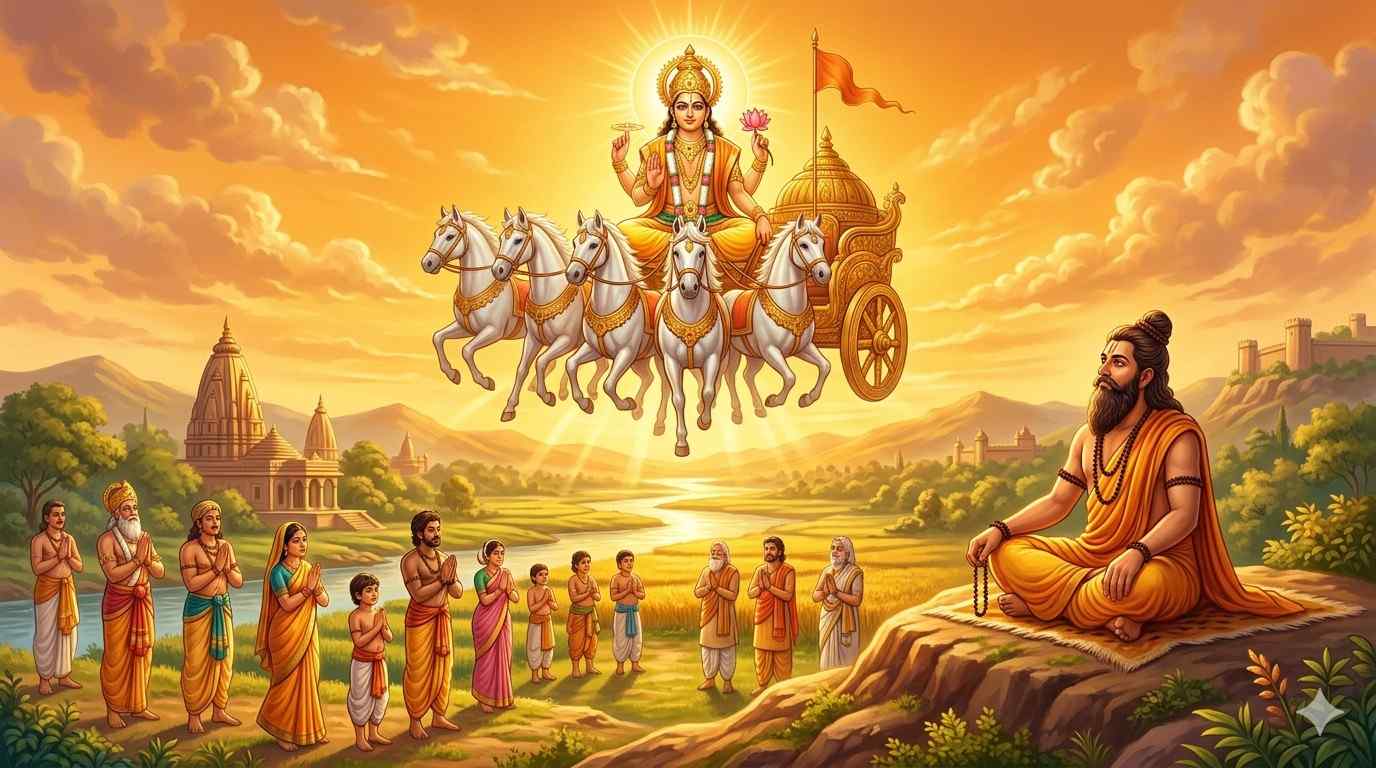
Unlike Christianity, Islam, or Buddhism—each linked to a central figure—Sanatana Dharma has no single founder. Instead, it draws from the insights of countless sages (rishis) and spiritual masters over thousands of years. This decentralization encourages freedom of thought, spiritual experimentation, and respect for diversity—making it especially meaningful for those navigating multicultural environments abroad.
3. Spiritual Pluralism: Many Paths, One Truth
Sanatana Dharma embraces multiple spiritual paths:
- Jnana Yoga – Path of knowledge and self-inquiry
- Bhakti Yoga – Path of devotion to a personal deity
- Karma Yoga – Path of selfless service
- Raja Yoga – Path of meditation and discipline
The Rig Vedic mantra “Ekam Sat Vipra Bahudha Vadanti” (“Truth is one; the wise call it by many names”) perfectly captures this inclusive spirit. For NRIs balancing modern lifestyles with spiritual exploration, this pluralistic ethos is empowering.
4. Dharma: A Universal Code of Conduct
Dharma, often translated as righteousness or moral duty, is the foundational principle of Sanatana Dharma. It goes beyond religious practice—it applies to personal, professional, social, and spiritual life. Dharma varies by one’s role (varna), life stage (ashrama), and circumstances, offering a flexible yet ethical framework for living in harmony with self and society.
This dynamic approach offers clarity and balance in the face of modern challenges, especially for those navigating dual identities as Indians abroad.
5. Cyclical Time and Rebirth
Sanatana Dharma views time as cyclical—marked by continuous cycles of creation, preservation, and dissolution (Srishti, Sthiti, and Laya). Unlike linear Abrahamic timelines, this worldview acknowledges the eternity of the soul (Atman) and its journey through reincarnation, influenced by karma (past actions).
This long-term spiritual vision encourages accountability, compassion, and hope, even amidst global uncertainty.
6. Rich Symbolism and Divine Diversity
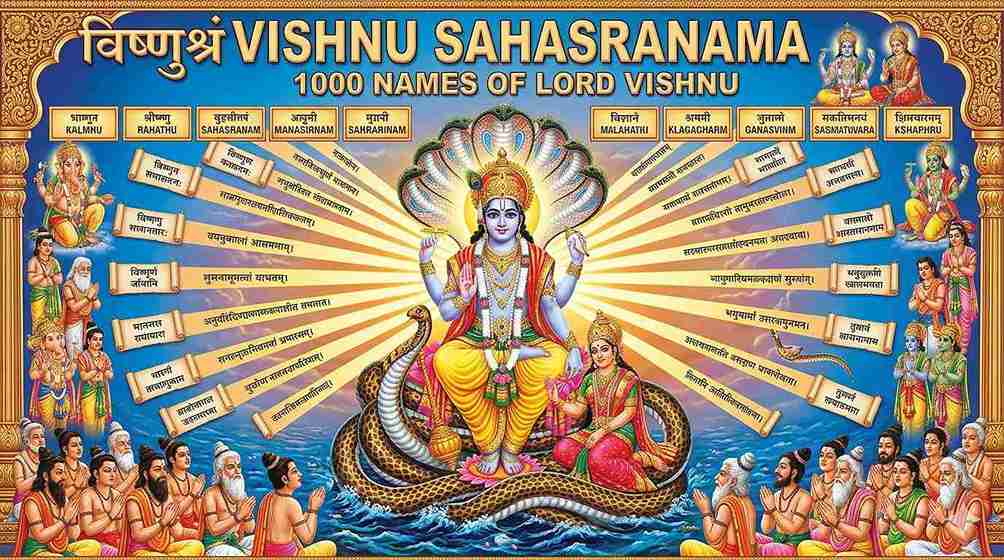
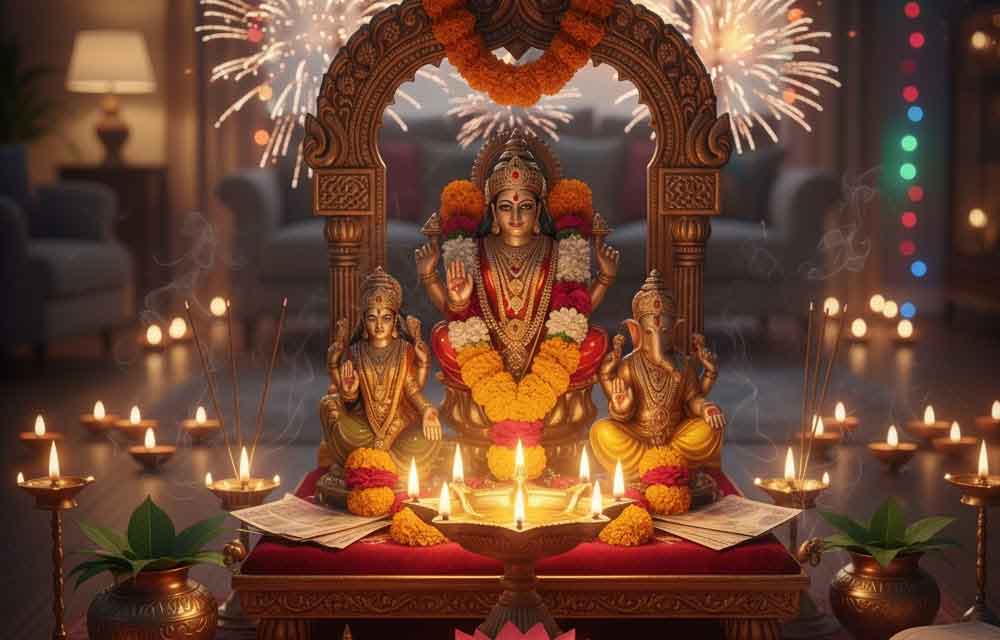
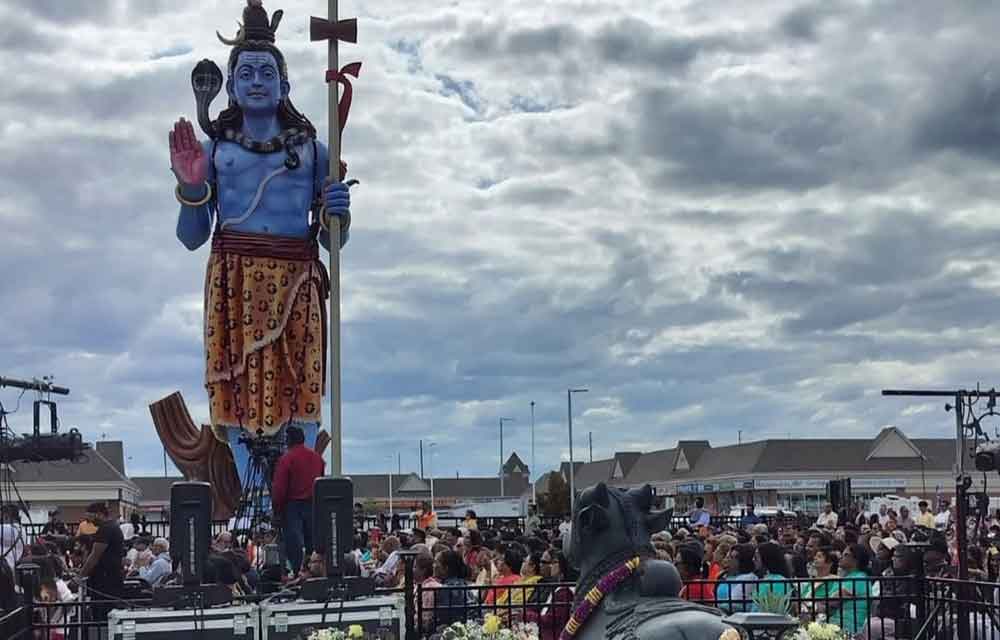
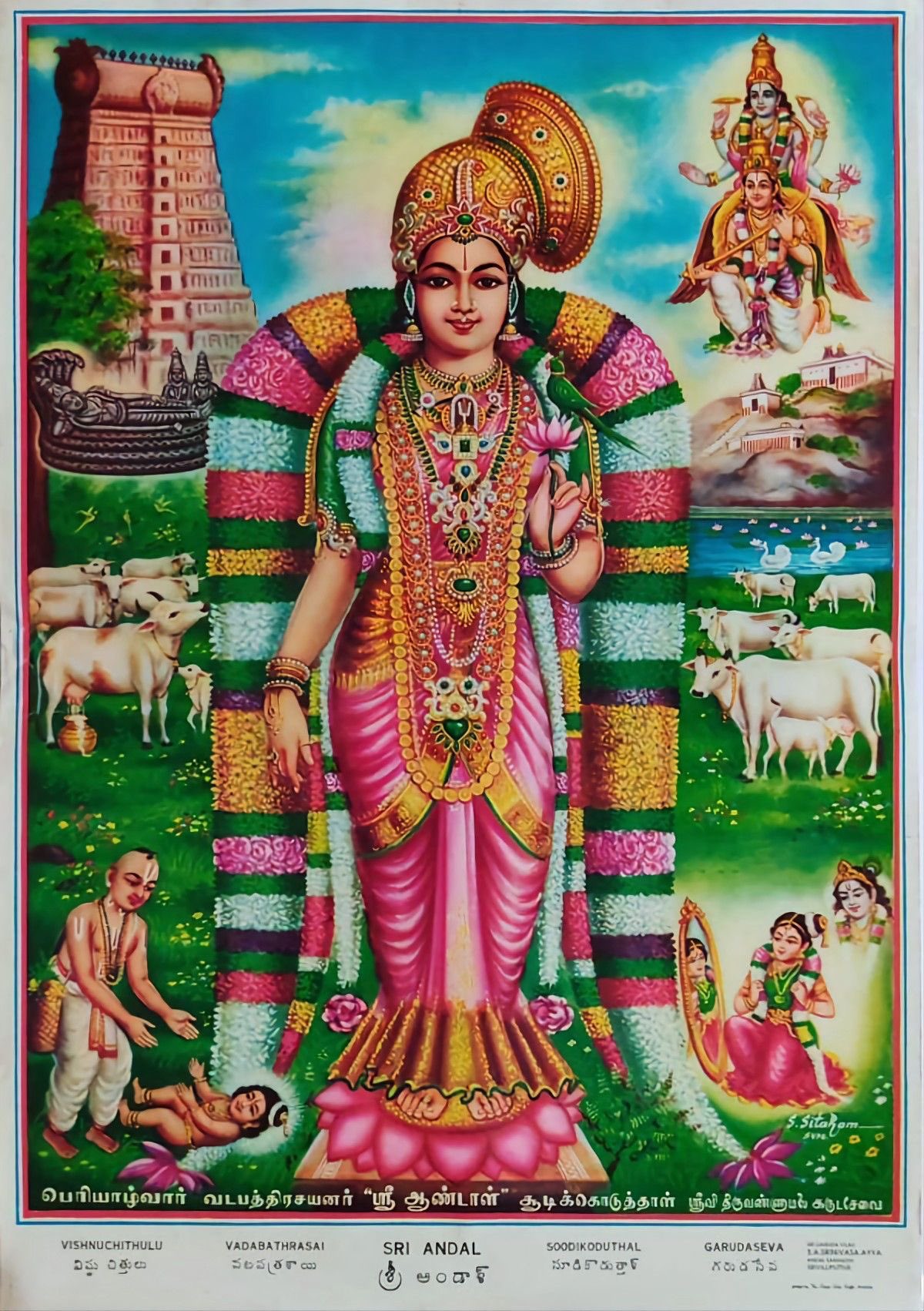
From Shiva and Vishnu to Lakshmi and Saraswati, Sanatana Dharma’s vast pantheon of deities reflects universal energies and archetypes. Each deity represents a cosmic principle—creation, transformation, prosperity, knowledge, and more.
This symbolic richness enables personal connection with the divine in meaningful, culturally resonant ways, making it especially relevant for Hindu families raising children in Western societies.
7. A Treasure Trove of Sacred Texts
Unlike religions with one central scripture, Sanatana Dharma has a library of revered texts:
- Vedas & Upanishads – Spiritual philosophy
- Bhagavad Gita – Practical guide to life
- Ramayana & Mahabharata – Epics that teach values through stories
- Puranas – Mythology, rituals, and cosmology
This diversity allows practitioners to engage with the tradition based on their unique interests—be it philosophy, devotion, or ethics.
8. Experience Over Blind Belief
Sanatana Dharma encourages direct experience over dogma. Meditation, yoga, and self-inquiry are not merely practices—they are tools for self-realization. The Upanishadic wisdom that “Atman is Brahman” (the soul is one with universal consciousness) invites seekers to go beyond belief systems into transformative awareness.
This makes the tradition particularly appealing in today’s age of mindfulness, personal growth, and inner exploration.
9. Harmony Between Science and Spirituality
Indian sages explored mathematics, astronomy, medicine (Ayurveda), and metaphysics long before modern science. Schools like Nyaya and Vaisheshika emphasized logic and empirical observation.
Sanatana Dharma welcomes scientific inquiry, making it resonate with educated, rational minds—including the Indian diaspora working in global tech, medicine, or academia.
10. Diversity in Rituals and Culture
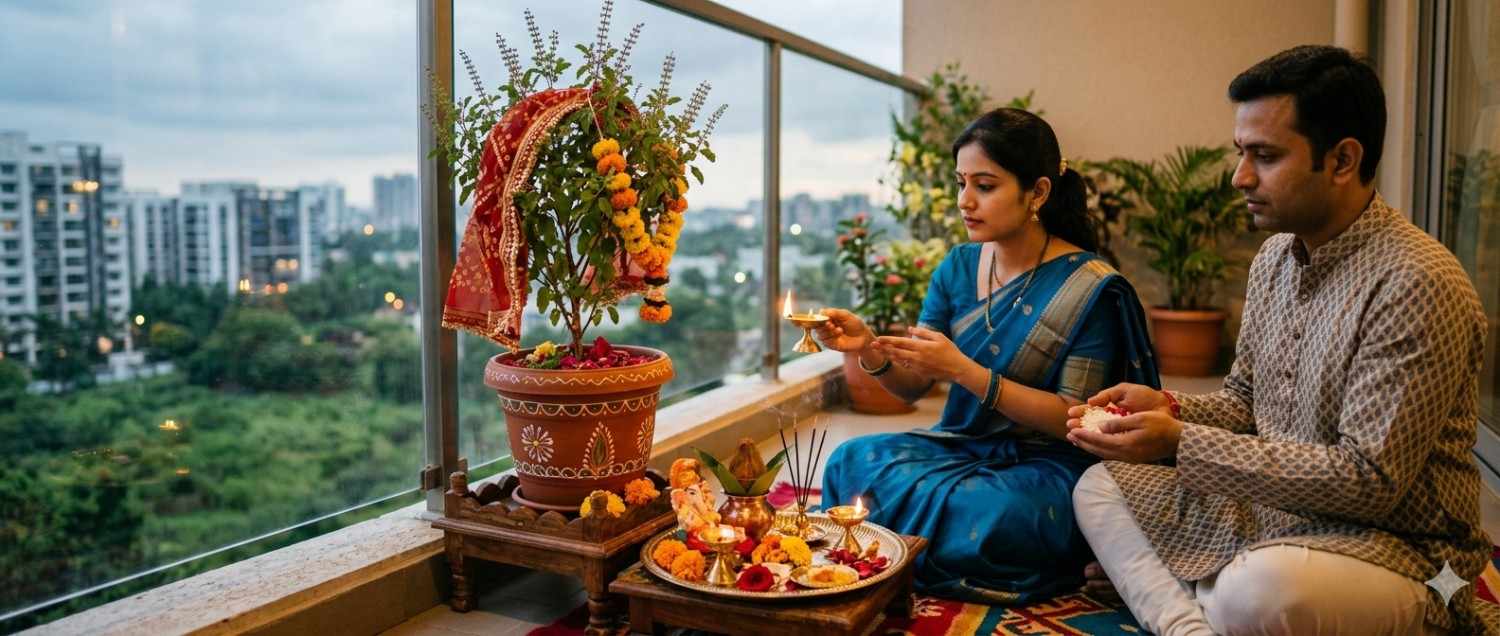
Whether it’s Diwali in California, Navaratri in London, or Onam in Dubai, Sanatana Dharma celebrates cultural variety. Rituals differ across regions and families, allowing every practitioner to engage authentically. This adaptability ensures the tradition is vibrant and alive, no matter where it’s practiced.
11. Global Impact and Contemporary Relevance
Practices like yoga, meditation, and mindfulness have found worldwide acceptance. The principle of Ahimsa (non-violence) shaped global leaders like Mahatma Gandhi and Martin Luther King Jr.
For global citizens and NRIs, Sanatana Dharma offers tools to manage stress, cultivate inner peace, and lead with compassion in an increasingly complex world.
12. Addressing Misconceptions
Sanatana Dharma is often misrepresented as caste-bound or ritualistic. However, its core teachings emphasize unity, spiritual freedom, and respect for all beings. The caste system is a social distortion, not a scriptural mandate. Reformers like Swami Vivekananda, Sri Aurobindo, and others have consistently advocated for a more inclusive understanding of the tradition.
Why Sanatana Dharma Stands Out Globally
- Timeless and universal principles
- Adaptability to modern life
- Multiple paths to spiritual growth
- Personal freedom and responsibility
- Inclusive, non-dogmatic worldview
Sanatana Dharma isn’t just about where you’re born—it’s about how you live. For NRIs across the globe, it offers a bridge between heritage and modernity, faith and reason, tradition and transformation.
Conclusion: A Living Tradition for the Modern World
Sanatana Dharma continues to guide millions with its depth, wisdom, and openness. In an age of spiritual searching, cultural disconnect, and global challenges, this ancient path offers timeless insights and practical tools for living a balanced, meaningful life.
Whether you connect through temple visits, yoga, chanting, or philosophical reflection, Sanatana Dharma welcomes you to rediscover your roots and elevate your soul.
Explore Sanatana Dharma with NRI Globe
Reclaim your spiritual identity. Embrace ancient wisdom. Live with purpose—wherever you are in the world.