Shani Amavasya 2025: Rituals, Significance, Poojas, and Practices for NRIs
Introduction: A Sacred Day for NRIs to Connect with Roots
For Non-Resident Indians (NRIs) living far from India, Shani Amavasya on August 23, 2025, is a powerful opportunity to reconnect with their Hindu heritage, honor ancestors, and seek divine blessings. This rare alignment of the new moon (Amavasya) with Saturday, ruled by Lord Shani, coincides with the sacred month of Shravana transitioning to Bhadrapada in the Amavasyant calendar. Known as Bhadrapada Amavasya, Polala Amavasya (South India), or Pithori Amavasya, this day is revered for karmic cleansing, ancestor worship, and devotion to Lord Shani, Lord Shiva, and Goddess Parvati. For NRIs visiting www.nriglobe.com, this SEO-optimized guide details the complete rituals, significance, poojas, temple visits, and post-Amavasya practices, tailored for global devotees to observe this sacred day with authenticity and ease.
Significance of Shani Amavasya 2025
Shani Amavasya, occurring on August 23, 2025, combines the spiritual potency of the new moon with Lord Shani’s karmic influence, making it a pivotal day for NRIs seeking spiritual connection. Its importance includes:
- Ancestor Worship (Pitr Tarpanam): The new moon enhances the efficacy of offerings to departed souls, as per the Garuda Purana, ensuring their peace and blessings for family prosperity across continents.
- Relief from Shani Dosha: Worshipping Lord Shani mitigates Saturn’s malefic effects, such as Shani Dosha or Sade Sati, fostering discipline and protection for NRIs navigating global challenges.
- Family Protection: Polala Amavasya sees mothers praying to Goddess Poleramma for children’s health, while Pithori Amavasya honors Goddess Parvati for family well-being.
- Karmic Purification: The day’s cosmic energy supports fasting, charity, and devotion to Lord Shiva, cleansing negative karma and promoting spiritual growth.
- Cultural Continuity: For NRIs, Shani Amavasya is a bridge to Indian traditions, allowing them to pass spiritual practices to the next generation.
Rooted in the Shiva Purana and Garuda Purana, this day celebrates Lord Shiva’s act of consuming the Halahala poison during Samudra Manthan, reinforcing his protective role.
Rituals for Shani Amavasya 2025 (Adapted for NRIs)
NRIs can perform these rituals at home or through virtual temple connections, using locally available items. Here’s a step-by-step guide:
1. Morning Preparations
- Timing: Start during Brahma Muhurta (adjust for local time, e.g., 3:30 AM EDT for U.S. East Coast, 12:30 AM PDT for West Coast, 8:30 AM GMT for UK).
- Actions: Take a bath with water mixed with a few drops of sesame oil or holy basil (as a substitute for Ganga water). Wear clean, light-colored clothes (white or blue) for purity.
- Sankalp: Vow to observe the Amavasya vrat, dedicating it to ancestors, Lord Shani, Lord Shiva, and Goddess Parvati.
2. Pitr Tarpanam (Ancestor Worship)
- Setup: Create a small altar facing south with a bowl of water, black sesame seeds (available at Indian stores like Patel Brothers), and rice. Use a plate if kusha grass is unavailable.
- Procedure: Chant “Om Pitrubhyo Namaha” while offering water with sesame seeds, naming ancestors up to three generations. Perform at home or join virtual tarpanam via platforms like ePuja.
- Purpose: Ensures ancestral blessings for family harmony, vital for NRIs maintaining ties across borders.
3. Shani Dev Worship
- Setup: Place a small Shani idol or image (available online at Amazon or pujaitems.com). Offer black sesame seeds, mustard oil (or olive oil), and a black cloth.
- Pooja: Light a sesame oil diya (or candle) facing south and chant “Om Sham Shanaischaraya Namah” 108 times using a rudraksha mala or prayer beads.
- Offerings: Donate black sesame, urad dal, or black clothing to local charities or temples in the name of Shani Dev.
4. Shiva and Parvati Pooja
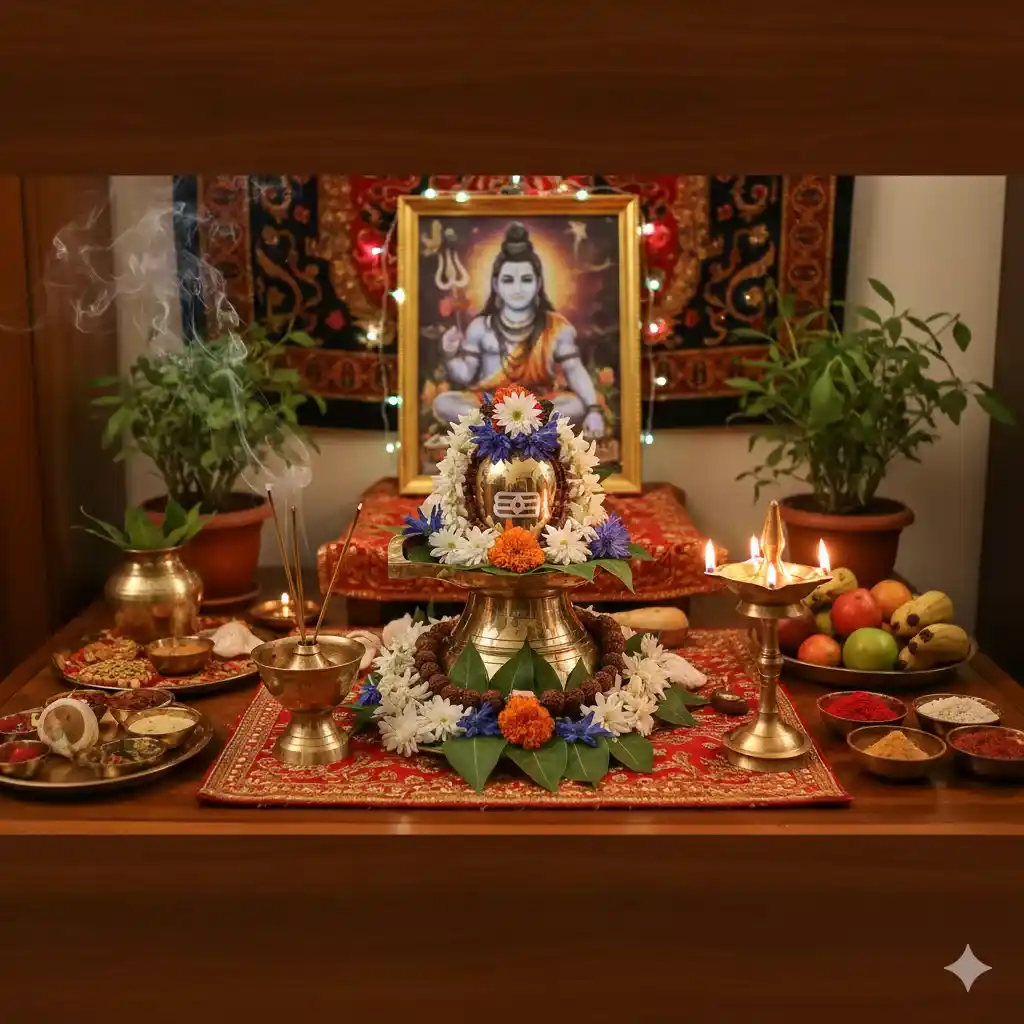
- Setup: Use a Shiva Lingam or images of Lord Shiva and Goddess Parvati at home. If unavailable, print pictures from online Hindu resources.
- Abhishekam: Pour milk, honey, yogurt, and water over the Shiva Lingam or a small vessel, offering basil leaves (substitute for Bilva) and flowers. Chant “Om Namah Shivaya” 108 times.
- Pithori Amavasya Ritual: For mothers, create a Parvati image with turmeric and rice flour (available at Indian stores). Pray for children’s health, chanting “Om Hreem Shreem Kleem Mahalakshmi Parvati Namaha”.
5. Polala Amavasya Rituals (South Indian NRIs)
- Focus: Honor Goddess Poleramma for children’s protection, especially for NRIs from Andhra Pradesh or Telangana.
- Procedure: Draw a simple temple image with chalk or flour. Offer rice, turmeric, and flowers (available at local markets). Tie a red or yellow thread (Raksha Daaram) on children’s wrists, praying for safety.
- Offerings: Prepare sweets like jaggery balls or store-bought laddoos for sons and vadas for daughters. Read the Polala Amavasya Vrat Katha (available online) about a mother’s devotion.
6. Charity and Annadanam
- Actions: Donate food (rice, lentils, sweets) or money to local food banks, Hindu organizations (e.g., BAPS, ISKCON), or Indian charities like Akshaya Patra. Feeding the needy is highly auspicious.
- Unique Remedies: Feed ants with sugar-flour balls or offer kheer to animals for blessings.
7. Lighting Diyas
- Timing: Evening, during Pradosh Muhurat (7:01 PM–9:17 PM IST; adjust for local time, e.g., 9:31 AM–11:47 AM EDT for U.S. East Coast).
- Actions: Light sesame oil lamps (or candles) near a tree, at your home’s entrance, or during virtual temple poojas to dispel negativity.
8. Fasting Practices
- Full Fast: Consume only water or milk, dedicated to ancestors or Shani Dev.
- Partial Fast: Eat sattvic foods like fruits, yogurt, or khichdi, avoiding onion, garlic, or meat. NRIs can use supermarket ingredients for simple meals.
- Breaking the Fast: Complete evening pooja or break the fast the next morning after sunrise prayers.
Key Mantras for Shani Amavasya
Chant these mantras to amplify spiritual energy:
- Maha Mrityunjaya Mantra (for health and liberation):
Om Tryambakam Yajamahe Sugandhim Pushtivardhanam Urvarukamiva Bandhanan Mrityor Mukshiya Maamritat (108 times). - Shani Mantra:
Om Sham Shanaischaraya Namah (for relief from Shani Dosha). - Panchakshari Mantra:
Om Namah Shivaya (for Lord Shiva’s blessings). - Parvati Mantra (for Pithori Amavasya):
Om Hreem Shreem Kleem Mahalakshmi Parvati Namaha (for family well-being). - Hanuman Chalisa: Recite for Shani Dev’s protection.
- Shiva Tandava Stotram: Chant to honor Lord Shiva’s cosmic dance.
- Durga Stuti, Gauri Ashtottaram, Bhavani Ashtakam: For Polala Amavasya, to invoke Goddess Poleramma.
Temple Visits for NRIs
NRIs can visit local Hindu temples or join virtual poojas:
- USA: Sri Venkateswara Temple (Cary, NC), Sri Siddhivinayak Temple (Cary, NC), or ISKCON temples in New York, Chicago, or Houston for Shani and Shiva poojas.
- Canada: BAPS Shri Swaminarayan Mandir (Toronto) or Hindu Mandir (Mississauga) for tarpanam and Annadanam.
- UK: Neasden Temple (London) or Sri Venkateswara Temple (Birmingham) for virtual or in-person poojas.
- Virtual Options: Join live streams from Shani Shingnapur (Maharashtra), Kashi Vishwanath (Varanasi), or Tirupati Balaji (Andhra Pradesh) via temple websites or Zoom.
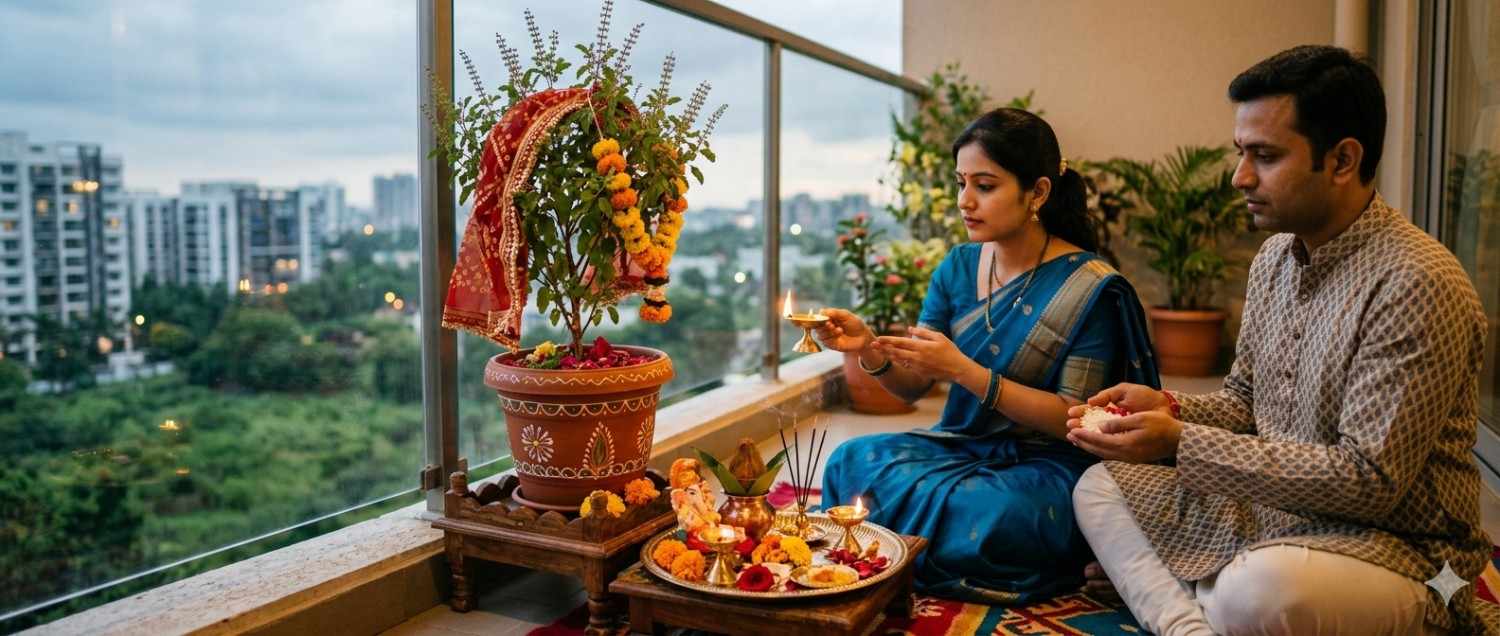
- Home Alternatives: If temples are inaccessible, light a diya near a tree or create a home altar with Shani, Shiva, or Poleramma images.
Post-Amavasya Practices (August 24, 2025)
Sustain spiritual benefits with these practices:
- Morning Prayers: Offer water to the Sun God at sunrise, chanting the Gayatri Mantra. Perform a simple Shiva or Vishnu pooja at home.
- Break the Fast: If fasting, break it with sattvic foods like fruits or khichdi after morning prayers.
- Charity: Continue donating to local charities or Indian organizations in ancestors’ names. Feeding crows or stray animals is auspicious.
- Protective Items: Wear the Raksha Daaram tied during Polala Amavasya or a white sandalwood piece in a blue thread for harmony.
- Reflection: Meditate on the day’s rituals and set spiritual intentions for the month.
- Avoid Inauspicious Acts: Refrain from buying oil, sesame seeds, or salt, and avoid non-vegetarian food or alcohol.
Dos and Don’ts for NRIs
Dos
- Perform Pitr Tarpanam, Shani Dev pooja, and Shiva-Parvati worship with devotion.
- Donate black sesame, urad dal, or black clothing to local charities or temples.
- Light sesame oil diyas or candles at home or during virtual poojas.
- Feed birds or animals for Shani Dev’s blessings.
- Join NRI community temple events or virtual poojas for collective blessings.
Don’ts
- Avoid buying oil, sesame seeds, or salt to prevent financial instability.
- Refrain from non-vegetarian food, alcohol, or smoking, which may anger Shani Dev.
- Do not cut hair or nails, considered inauspicious.
- Avoid arguments or disrespecting elders to preserve spiritual merits.
- Never engage in harmful rituals or black magic, as they carry karmic consequences.
Why Shani Amavasya Matters for NRIs
Shani Amavasya 2025 offers NRIs a chance to:
- Honor Ancestors: Pitr Tarpanam connects NRIs to their lineage, ensuring blessings for global families.
- Mitigate Shani Dosha: Shani worship alleviates Saturn’s challenges, supporting NRIs in career and personal growth.
- Protect Family: Polala and Pithori rituals safeguard children and strengthen family bonds across borders.
- Preserve Culture: Observing these rituals keeps NRIs rooted in Hindu traditions, passing them to future generations.
- Foster Community: Virtual poojas and local temple visits unite NRI communities in cities like Edison, Toronto, or London.
How NRIs Can Prepare and Stay Connected
- Plan Ahead: Source pooja items (sesame seeds, mustard oil, basil, jaggery) from Indian stores like Patel Brothers or online at Amazon.
- Adjust Timings: Amavasya Tithi spans 11:55 AM (August 22) to 11:35 AM (August 23) IST. Adjust for local time (e.g., 2:25 AM–2:05 AM EDT, August 22–23, for U.S. East Coast).
- Stay Informed: Visit www.nriglobe.com for Hindu festival guides. Follow @Astro_Healer_Sh or @Krishnavallabhi on X for live ritual tips.
- Community Engagement: Join NRI temple events in the USA, Canada, or UK, or organize virtual Annadanam with family.
Conclusion: Embrace Shani Amavasya 2025 from Anywhere
On August 23, 2025, Shani Amavasya invites NRIs to bridge the distance to their roots through powerful rituals like Pitr Tarpanam, Shani Dev worship, and Polala Amavasya poojas. By honoring ancestors, seeking Lord Shani’s justice, and invoking Lord Shiva and Goddess Poleramma’s blessings, NRIs can cleanse karma and protect loved ones. Whether through local temple visits, virtual poojas, or home altars, this sacred day fosters spiritual and cultural continuity. Let www.nriglobe.com guide you in celebrating Shani Amavasya, uniting your global journey with the divine essence of Hindu traditions.
“Stay Connected with Your Heritage at NRIGlobe.com”