Connecting NRIs worldwide with the timeless story of Lord Ganesha’s miraculous birth and transformation
Introduction: Ganesha – The Beloved Deity of Global Hindu Diaspora
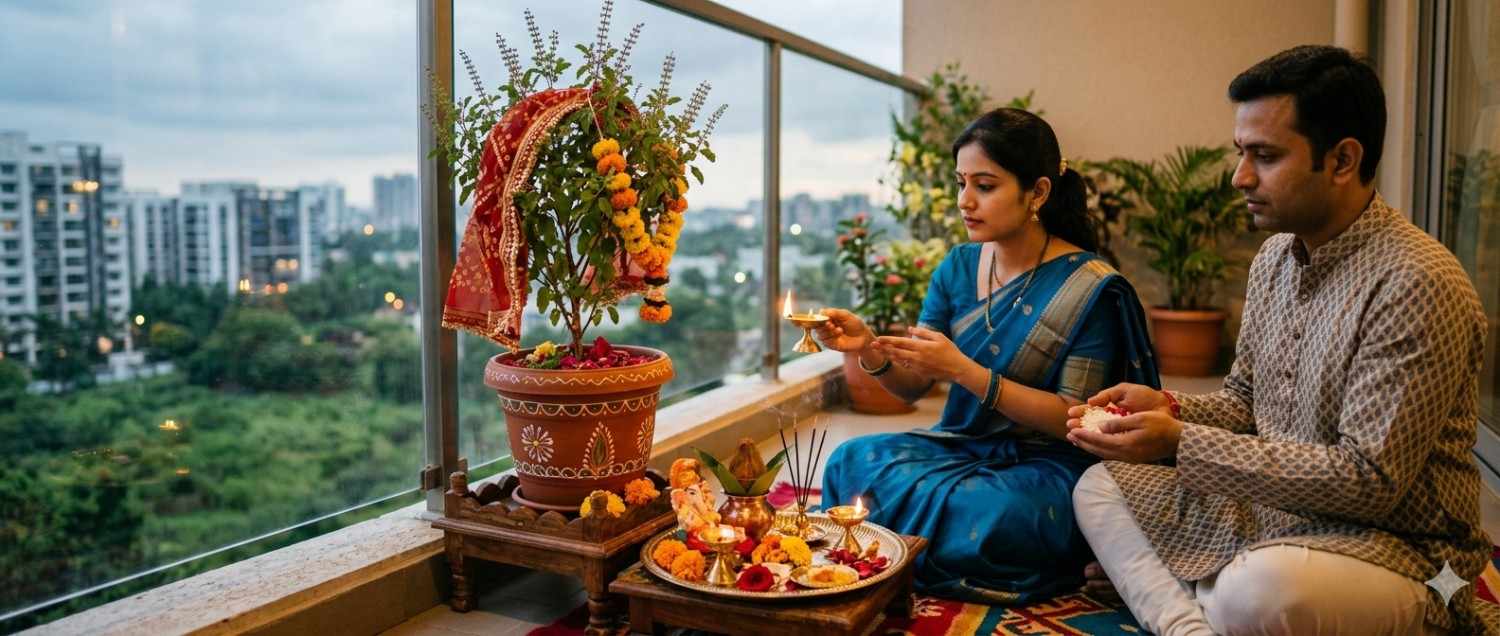
For millions of Non-Resident Indians (NRIs) and Hindu communities across the globe, Lord Ganesha remains one of the most cherished and widely worshipped deities. Whether you’re celebrating Ganesh Chaturthi in New York, London, Sydney, or Singapore, the elephant-headed god continues to bridge the gap between traditional roots and modern life. His birth story, steeped in divine mystery and profound symbolism, offers timeless wisdom that resonates with Hindu families worldwide.
As NRIs navigate life in foreign lands while maintaining their cultural identity, Lord Ganesha – the remover of obstacles – becomes especially significant. Understanding his divine origin helps us connect deeper with our spiritual heritage and find strength in our ancestral wisdom.
The Divine Setting: Mount Kailash – The Cosmic Household
The story of Lord Ganesha’s birth unfolds in the divine realm of Mount Kailash, the ethereal abode of Lord Shiva and Goddess Parvati. This sacred mountain, revered by Hindus worldwide, serves as the backdrop for one of the most beloved tales in Hindu mythology. For NRIs missing the spiritual atmosphere of India, this story brings the sacred energy of the Himalayas directly into their hearts and homes.
Lord Shiva, the cosmic dancer and destroyer of ignorance, and Goddess Parvati, the divine mother and source of all power, represent the perfect balance of masculine and feminine energies. Their divine household becomes the stage for a story that teaches us about family values, protection, and unconditional love – themes that deeply resonate with immigrant families maintaining their bonds across continents.
Parvati’s Maternal Instinct: The Universal Mother’s Love
The Need for Privacy and Protection
The story begins with a universal concern that every mother can relate to – the need for personal space and privacy. Goddess Parvati, like mothers everywhere, desired moments of solitude for her daily rituals. With Lord Shiva often absorbed in deep meditation or wandering the cosmos, Parvati found herself without a trusted guardian for her private quarters.
This aspect of the story particularly resonates with NRI mothers who often find themselves managing households independently while their spouses travel for work or navigate demanding careers in new countries. Parvati’s situation reflects the universal experience of mothers seeking support and protection for their families.
The Divine Creation: A Mother’s Ingenuity
In a moment of divine inspiration, Parvati decided to create her own protector. Using the sacred turmeric paste (ubtan) from her body – a beauty ritual still practiced by Indian women worldwide – she lovingly molded the figure of a perfect child. This act represents the creative power inherent in every mother and the lengths to which a parent will go to protect their family.
For NRI families, this creation story holds special significance. Just as Parvati created Ganesha to serve as her guardian, immigrant parents often work tirelessly to create secure, protective environments for their children in foreign lands. The turmeric paste symbolizes the Indian traditions and cultural values that parents worldwide use to shape their children’s character.
With her divine breath, Parvati infused life into her creation, giving birth to a son of extraordinary beauty and strength. The child was blessed with unwavering devotion to his mother and an inherent sense of duty – qualities that Indian parents across the globe strive to instill in their children.
The First Test: Loyalty and Courage
The Guardian’s Duty
Parvati instructed her newly created son to guard her chambers and allow no one to enter without her express permission – not even Lord Shiva himself. This instruction teaches us about the importance of following our parents’ guidance, even when it seems challenging or when authority figures question our actions.
For young NRIs growing up between two cultures, this story offers valuable lessons about respecting parental authority while maintaining personal integrity. The child’s obedience to his mother’s wishes, despite not knowing the full context, demonstrates the trust and respect that form the foundation of strong family relationships.
The Confrontation: Standing Up for What’s Right
When Lord Shiva returned from his cosmic wanderings and found his path blocked by an unknown child, the stage was set for a dramatic confrontation. The young guardian, true to his mother’s instructions, courageously refused entry to even the mighty Shiva, showing that principles matter more than personalities.
This part of the story resonates strongly with NRI experiences of standing up for their values in new environments. Just as the young Ganesha remained steadfast in his duty despite facing overwhelming opposition, NRIs often find themselves defending their beliefs and traditions in foreign societies.
The child’s bravery in facing Shiva – one of the most powerful deities in the Hindu pantheon – teaches us that righteousness gives us strength beyond our apparent limitations. This lesson is particularly valuable for immigrant children who may face challenges related to their cultural identity.
The Cosmic Battle: When Duty Meets Divine Will
An Unstoppable Force Meets an Immovable Object
The ensuing battle between Shiva and the young guardian represents more than just a physical confrontation – it symbolizes the clash between different forms of righteousness. Shiva, believing he had every right to enter his own home, and the child, faithfully executing his mother’s commands, both acted according to their understanding of duty.
Even Shiva’s powerful attendants, the ganas, could not overcome this determined young protector. The child’s divine strength, granted by Parvati’s blessings, proved formidable against even celestial warriors. This demonstrates how maternal blessings and clear moral purpose can give us strength to face any challenge.
For NRI families, this battle represents the internal conflicts that arise when traditional values meet modern circumstances. Sometimes, what appears to be opposition between family members actually stems from different perspectives on the same fundamental values.
The Tragic Climax: A Moment of Divine Rage
In a moment of intense fury, Lord Shiva used his powerful Trishul (trident) to sever the child’s head. This tragic turn represents how conflicts, even within families, can escalate beyond intended consequences when emotions override wisdom.
The young guardian, who had only sought to honor his mother and fulfill his duty, fell lifeless – a victim of misunderstanding and unchecked anger. This moment in the story serves as a powerful reminder about the importance of communication and patience in resolving family conflicts.
Parvati’s Grief: The Universal Mother’s Pain
A Mother’s Unconditional Love
When Goddess Parvati discovered her beloved son’s lifeless body, her grief shook the very foundations of the universe. Her pain was so intense that it manifested as cosmic destruction, threatening the balance of all creation. This reaction reflects the profound bond between mother and child that transcends even death.
For NRI mothers separated from extended family support systems, Parvati’s grief resonates deeply. The story acknowledges that a mother’s love knows no bounds and that threats to our children can awaken fierce protective instincts that seem to move mountains.
Divine Justice: A Mother’s Demand
Parvati’s transformation into the terrifying goddess Durga, demanding her son’s immediate restoration, represents the power of righteous anger. She declared that without her son’s revival, she would destroy the entire universe. This ultimatum shows how maternal love can become a force capable of reshaping reality itself.
This aspect of the story speaks to NRI parents who have fought systemic challenges, cultural barriers, and institutional obstacles to protect their children’s rights and opportunities in foreign countries. Like Parvati, they understand that sometimes we must be willing to challenge the entire system for our children’s welfare.
The Divine Solution: Wisdom Born from Crisis
Shiva’s Realization and Repentance
Recognizing the magnitude of his error and faced with cosmic destruction, Lord Shiva immediately sought to make amends. His quick action to restore the child demonstrates the importance of acknowledging mistakes and taking immediate corrective action, especially in family relationships.
For NRIs navigating complex family dynamics across cultures and continents, Shiva’s response offers a powerful model. It shows that even the most powerful beings must sometimes admit fault and work actively to repair relationships and restore harmony.
The Search for New Life: Divine Creativity in Crisis
Shiva’s instruction to find the head of the first creature sleeping with its head pointing north shows how creative solutions often emerge from desperate circumstances. The specific direction (north) holds spiritual significance in Hindu cosmology, representing the path toward divine consciousness and spiritual awakening.
This element of the story resonates with NRI experiences of finding innovative solutions to maintain cultural and spiritual practices in new environments. Just as Shiva had to think creatively to restore his stepson, immigrant families often need to adapt traditional practices to new circumstances while preserving their essential spiritual meaning.
The Elephant’s Sacred Sacrifice
The discovery of a magnificent elephant sleeping peacefully with its head pointing north was no coincidence – it was divine orchestration. The elephant, revered in Hindu culture for its wisdom, memory, and strength, became the perfect choice for Ganesha’s new form.
The elephant’s willing sacrifice (in sleep, representing peaceful surrender to divine will) teaches us about the interconnectedness of all life and how sometimes our contributions to others’ welfare come in unexpected ways. For NRIs contributing to both their adopted countries and homeland, this sacrifice represents the complex ways we serve multiple communities simultaneously.
The Divine Resurrection: Birth of the Beloved Ganesha
The Sacred Transformation
When Lord Shiva placed the elephant’s head upon the child’s body and breathed new life into him, a completely new form of divinity was born. This wasn’t just restoration – it was transformation into something greater than before. The child awakened as Ganesha, combining human devotion with elephant wisdom.
This transformation holds special meaning for NRI communities who understand that adaptation and change, while sometimes painful, can lead to enhanced capabilities and broader perspectives. Like Ganesha, they often find that their multicultural experiences give them unique strengths and wisdom.
Universal Acceptance and Celebration
Both Parvati and Shiva immediately embraced Ganesha’s new form, showing that true love transcends physical appearance. Parvati’s joy at her son’s return, regardless of his changed appearance, demonstrates unconditional maternal love. Shiva’s acceptance and subsequent blessings show how initial conflicts can transform into deeper understanding and respect.
For NRI families dealing with children who may look, speak, or behave differently due to multicultural influences, this acceptance offers a powerful message about embracing change while maintaining love and family bonds.
Divine Blessings: Ganesha’s Universal Role
The Remover of Obstacles
Lord Shiva blessed Ganesha with the power to both create and remove obstacles, making him the deity who must be invoked before any new beginning. For NRIs constantly navigating new challenges – from visa applications to job searches, from school admissions to business ventures – Ganesha becomes an essential spiritual ally.
This blessing recognizes that obstacles serve important purposes in our growth, but also that divine grace can help us overcome barriers that seem insurmountable. The story teaches us that with proper devotion and approach, even the most challenging circumstances can be transformed into opportunities.
The First Among Gods
Ganesha’s elevation to the position of being worshipped first among all deities makes him particularly relevant for NRI communities. As families establish new homes in foreign countries, Ganesha’s blessings are sought first – whether moving into a new house, starting a business, or beginning children’s education.
This primacy also reflects the practical wisdom that removing obstacles and ensuring smooth beginnings is the foundation for all other achievements. NRIs, who often start their journeys abroad with numerous challenges, find comfort in Ganesha’s promise of divine assistance in new ventures.
Patron of Learning and Wisdom
Ganesha’s role as the patron of education and intellectual pursuits holds special significance for NRI families who often prioritize their children’s academic success. Students across the globe invoke Ganesha’s blessings before exams, thesis defenses, and important presentations.
His elephant head symbolizes the perfect memory and deep thinking required for academic excellence, while his broken tusk (from another story) represents the sacrifices sometimes necessary for learning and sharing knowledge with others.
Cultural Celebrations: Ganesha in the Global Hindu Diaspora
Ganesh Chaturthi Worldwide
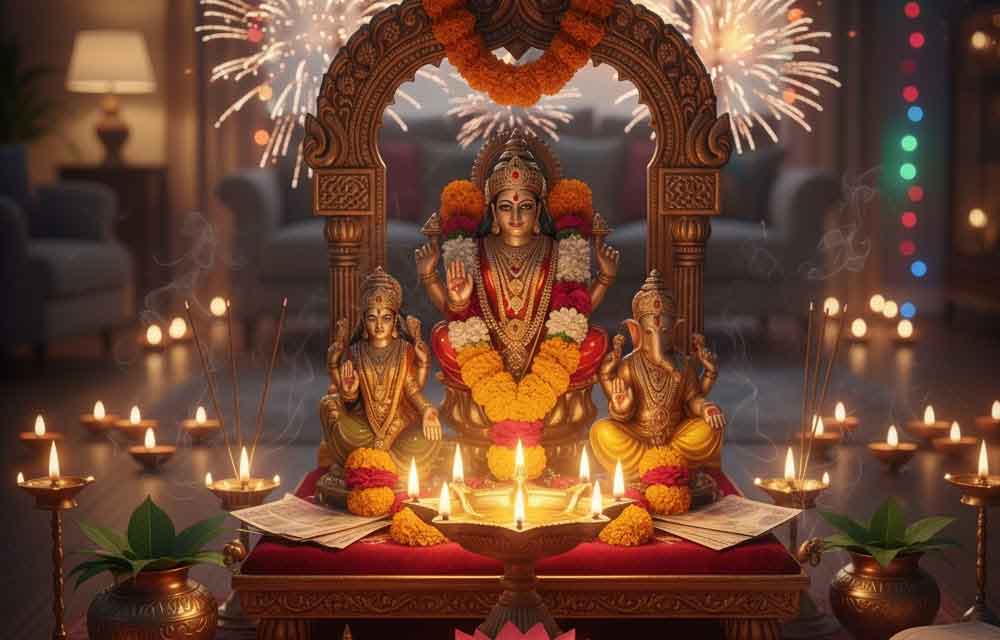
The annual celebration of Ganesha’s birth has become a magnificent global phenomenon. From the grand celebrations in Mumbai’s streets to intimate family gatherings in Canadian homes, from temple festivals in London to beachside celebrations in California, Ganesh Chaturthi connects NRIs worldwide to their roots.
These celebrations serve multiple purposes for diaspora communities: they maintain cultural traditions, teach children about their heritage, build community connections, and provide spiritual grounding in foreign environments. The festival’s emphasis on bringing Ganesha home, caring for him, and then releasing him back to nature teaches valuable lessons about attachment, service, and letting go.
Modern Adaptations and Innovations
NRI communities have creatively adapted Ganesha worship to suit their new environments while preserving essential spiritual elements. Eco-friendly clay idols replace traditional materials that might not be available, community centers substitute for traditional pandals, and online celebrations connect families across continents.
These adaptations demonstrate the same creative problem-solving that characterized Ganesha’s own birth story. They show how ancient wisdom can be preserved and transmitted through innovative approaches that respect both tradition and contemporary circumstances.
Spiritual Lessons for Global Hindu Communities
Overcoming Cultural Obstacles
Ganesha’s story offers profound guidance for NRIs facing cultural obstacles in their adopted countries. Just as he emerged stronger and wiser after his transformation, immigrants often find that their multicultural experiences, while initially challenging, ultimately provide them with enhanced capabilities and broader perspectives.
The elephant head represents the wisdom to navigate between different worlds, the large ears remind us to listen carefully to both our ancestral wisdom and new cultural learnings, and the trunk’s flexibility symbolizes the adaptability required for successful cultural integration.
Family Values Across Borders
The story’s emphasis on family relationships – from Parvati’s protective maternal love to Shiva’s eventual acceptance and blessing of his stepson – provides guidance for maintaining strong family bonds across geographical distances. NRI families often face unique challenges in preserving close relationships while living far from extended family networks.
Ganesha’s unwavering devotion to his mother, even in the face of divine opposition, teaches children about respecting parental authority and family values. His eventual integration into Shiva’s family demonstrates how initial conflicts can be resolved through understanding, communication, and mutual respect.
Professional and Personal Success
For NRIs building careers and establishing themselves in competitive global markets, Ganesha’s role as the remover of obstacles provides both practical and spiritual support. His blessings are sought before job interviews, business launches, investment decisions, and career transitions.
The story teaches that success often requires both personal effort (like the young Ganesha’s brave stand) and divine grace (like Shiva’s transformative blessings). It reminds us that setbacks can become setups for greater achievements when approached with faith and wisdom.
Regional and Cultural Variations in the Global Context
South Asian Diaspora Interpretations
Different South Asian communities – Indian, Pakistani, Bangladeshi, Nepali, and Sri Lankan – have their own regional variations of Ganesha’s story. These diverse interpretations enrich the global understanding of the deity while maintaining core spiritual truths.
In diaspora communities, these variations often blend together, creating new synthetic understandings that reflect the multicultural reality of NRI life. Temple communities worldwide often incorporate multiple regional traditions in their celebrations, creating inclusive spaces that welcome diverse backgrounds.
Integration with Local Cultures
NRI communities have found creative ways to share Ganesha’s story with their non-Hindu neighbors and friends, often discovering universal themes that transcend religious boundaries. The story’s messages about family love, overcoming obstacles, and finding strength through transformation resonate across cultural lines.
Some communities have developed interfaith programs that explore common spiritual themes, using Ganesha’s story as a bridge for cross-cultural understanding. These initiatives demonstrate how ancient wisdom can contribute to building harmonious multicultural societies.
Modern Relevance: Ganesha in the Digital Age
Virtual Celebrations and Online Communities
The digital revolution has transformed how NRI communities maintain connections with their spiritual traditions. Virtual Ganesh Chaturthi celebrations, online aarti sessions, and digital darshan opportunities have made it possible for devotees worldwide to participate in traditional worship regardless of their geographical location.
Social media platforms have become spaces for sharing Ganesha’s story, with families posting photos of their home celebrations, sharing traditional recipes, and connecting with relatives across continents. These digital connections help maintain cultural continuity while building new forms of community engagement.
Contemporary Applications of Ancient Wisdom
Modern NRIs apply Ganesha’s teachings to contemporary challenges like startup ventures, technological innovations, and cross-cultural business negotiations. His image appears in Silicon Valley offices, Wall Street trading floors, and research laboratories, symbolizing the integration of ancient wisdom with modern pursuits.
The story’s themes of creative problem-solving, adaptive transformation, and resilient perseverance directly apply to the challenges of building successful lives in rapidly changing global environments.
Environmental and Ethical Considerations
Sustainable Celebration Practices
Conscious of environmental concerns in their adopted countries, many NRI communities have pioneered eco-friendly approaches to Ganesha worship. Using natural clay, plant-based colors, and biodegradable materials, they demonstrate how traditional practices can evolve to address contemporary environmental challenges.
These innovations often inspire practices back in India, showing how diaspora communities can contribute to positive changes in traditional homeland practices. The emphasis on environmental responsibility reflects Ganesha’s role as a deity who cares about the welfare of all creation.
Teaching Values Through Story
Parents worldwide use Ganesha’s birth story to teach children important values like courage, loyalty, forgiveness, and adaptability. The narrative provides a framework for discussing complex topics like standing up for principles, dealing with conflict, accepting change, and finding opportunity in adversity.
Children growing up in multicultural environments often relate strongly to Ganesha’s story of transformation and acceptance, seeing parallels to their own experiences of navigating between different cultural worlds.
Conclusion: Ganesha’s Eternal Relevance for Global Hindus
The birth story of Lord Ganesha continues to inspire and guide millions of NRIs and global Hindu communities because it addresses universal human experiences through a distinctly Hindu spiritual lens. From Parvati’s maternal creativity to Shiva’s transformative wisdom, from the young guardian’s courageous duty to the elephant’s willing sacrifice, every element of the story offers insights relevant to contemporary life.
For families maintaining their Hindu identity while building new lives across the globe, Ganesha represents the perfect synthesis of tradition and adaptation. His elephant head reminds us that wisdom comes from honoring our roots, while his human body teaches us that spiritual principles must be lived out in practical, everyday circumstances.
As NRIs face the challenges of preserving cultural heritage while embracing new opportunities, Ganesha’s story provides both comfort and guidance. It assures us that transformation, even when initially traumatic, can lead to greater strength and expanded capabilities. It teaches us that obstacles, when approached with proper devotion and wisdom, become stepping stones to success.
Whether we’re celebrating in grand community festivals or intimate family gatherings, whether we’re seeking blessings for our children’s education or our own career advancement, whether we’re struggling with cultural adaptation or building bridges between communities, Lord Ganesha’s birth story reminds us that divine grace works through love, sacrifice, and creative solutions.
In our interconnected global world, Ganesha serves as a bridge between ancient wisdom and modern challenges, between individual needs and community welfare, between material success and spiritual growth. His story continues to unfold in the lives of millions of devotees worldwide, each finding their own path to overcoming obstacles and achieving their highest potential.
May Lord Ganesha bless all NRIs and global Hindu communities with wisdom, prosperity, and the strength to overcome every obstacle while maintaining their sacred cultural heritage.