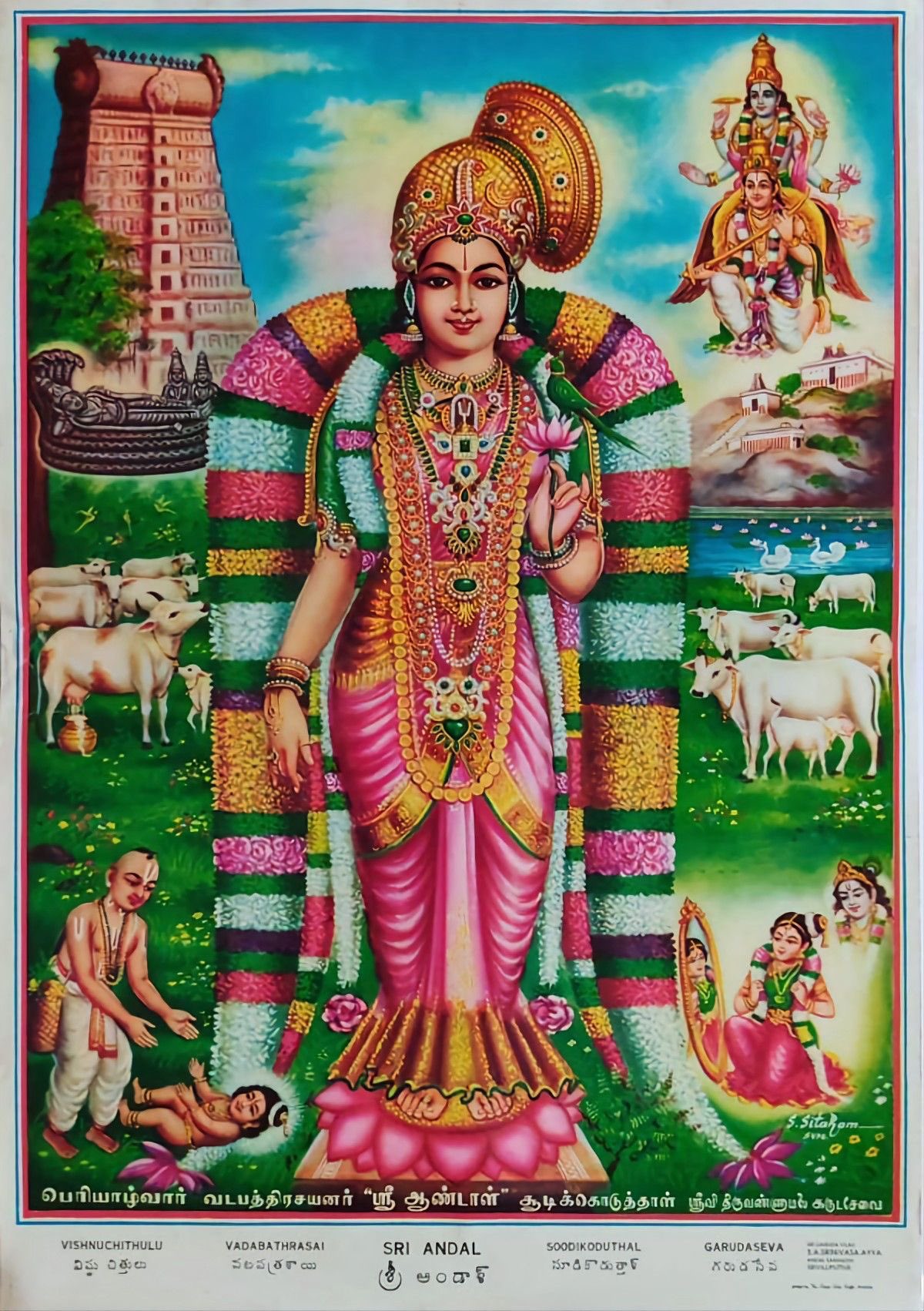
Sanatana Dharma, often referred to as Hinduism, is one of the oldest spiritual traditions in the world, with roots stretching back over 5,000 years. Unlike many other global religions, it is not defined by a single founder, a specific scripture, or a rigid set of doctrines. Instead, Sanatana Dharma—meaning “eternal order” or “eternal way”—is a dynamic, diverse, and inclusive way of life that has evolved over millennia. Its uniqueness lies in its philosophical depth, adaptability, pluralism, and emphasis on individual spiritual exploration. In this article, we explore what sets Sanatana Dharma apart from other world religions, delving into its core principles, practices, and worldview.
A Non-Dogmatic, Pluralistic Tradition
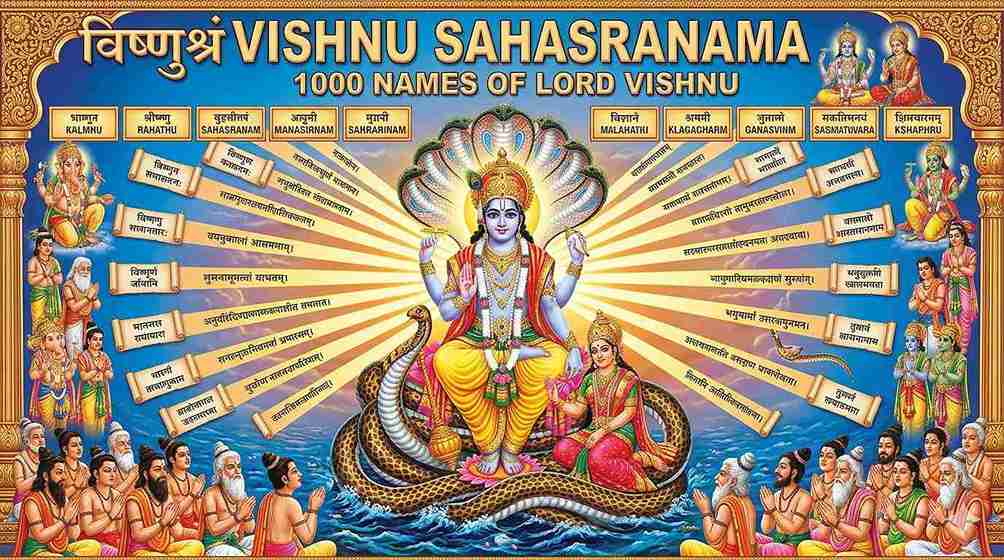
One of the most striking features of Sanatana Dharma is its pluralism. Unlike many religions that revolve around a single prophet, holy book, or exclusive path to salvation, Sanatana Dharma embraces a multiplicity of paths to the divine. It acknowledges that truth can be approached in various ways, depending on an individual’s temperament, cultural background, and spiritual readiness. The Rig Veda, one of the oldest sacred texts, declares, “Ekam sat vipra bahudha vadanti”—truth is one, but the wise call it by many names. This openness allows followers to worship a variety of deities, such as Vishnu, Shiva, Devi, or Ganesha, without conflict, as all are seen as manifestations of the same ultimate reality, Brahman.
This pluralistic approach extends beyond deities to spiritual practices. Sanatana Dharma accommodates diverse paths like jnana yoga (the path of knowledge), bhakti yoga (the path of devotion), karma yoga (the path of selfless action), and raja yoga (the path of meditation). Whether one chooses intellectual inquiry, devotional worship, or disciplined meditation, all are valid means to self-realization. This flexibility contrasts with religions that prescribe a single path or doctrine, making Sanatana Dharma uniquely inclusive.
The Concept of Dharma
At the heart of Sanatana Dharma is the concept of dharma, a multifaceted term that encompasses duty, righteousness, cosmic order, and moral responsibility. Unlike religions that emphasize adherence to a fixed moral code, Sanatana Dharma views dharma as contextual, varying based on one’s role in life, stage of life (ashrama), and circumstances. For instance, the dharma of a student differs from that of a householder or a renunciant. This nuanced understanding encourages individuals to align their actions with universal harmony while respecting their unique responsibilities.
Dharma also emphasizes ethical living and personal growth over blind adherence to rules. The Bhagavad Gita, a key text, advises acting in accordance with one’s dharma without attachment to outcomes, fostering a balance between worldly duties and spiritual aspirations. This dynamic approach to morality sets Sanatana Dharma apart from religions with more rigid ethical frameworks.
The Eternal Nature of the Soul
Sanatana Dharma’s understanding of the soul (atman) and its relationship with the ultimate reality (Brahman) is another distinguishing feature. It teaches that the soul is eternal, unchangeable, and distinct from the physical body, undergoing a cycle of birth, death, and rebirth (samsara). Liberation (moksha) is achieved when the soul realizes its oneness with Brahman, transcending the cycle of rebirth.
This cyclical view of existence contrasts with the linear timelines of many other religions, which often focus on a single life followed by eternal heaven or hell. The concept of karma—the law of cause and effect—further shapes this worldview, holding that actions in one life influence future births. This perspective encourages personal responsibility and spiritual growth over multiple lifetimes, offering a unique framework for understanding human existence.
A Rich Philosophical Tradition
Sanatana Dharma is renowned for its profound philosophical systems, collectively known as Darshanas. These six schools of thought—Nyaya, Vaisheshika, Samkhya, Yoga, Mimamsa, and Vedanta—offer diverse perspectives on reality, the self, and the universe. For example, Vedanta explores the non-dual nature of reality, while Yoga focuses on meditation and self-discipline. These systems encourage intellectual rigor and debate, fostering a culture of inquiry rather than blind faith.
The Upanishads, philosophical texts that form the basis of Vedanta, delve into questions about the nature of existence, consciousness, and the ultimate truth. This emphasis on philosophical exploration contrasts with religions that prioritize faith over reason, making Sanatana Dharma a tradition that appeals to both the heart and the mind.
Integration of the Material and Spiritual
Unlike some religions that draw a sharp divide between the material and spiritual worlds, Sanatana Dharma integrates the two through the concept of Purusharthas—the four aims of life: dharma (righteousness), artha (wealth), kama (desire), and moksha (liberation). These goals provide a balanced framework for living, encouraging individuals to pursue material well-being and personal desires ethically while keeping spiritual liberation as the ultimate aim.
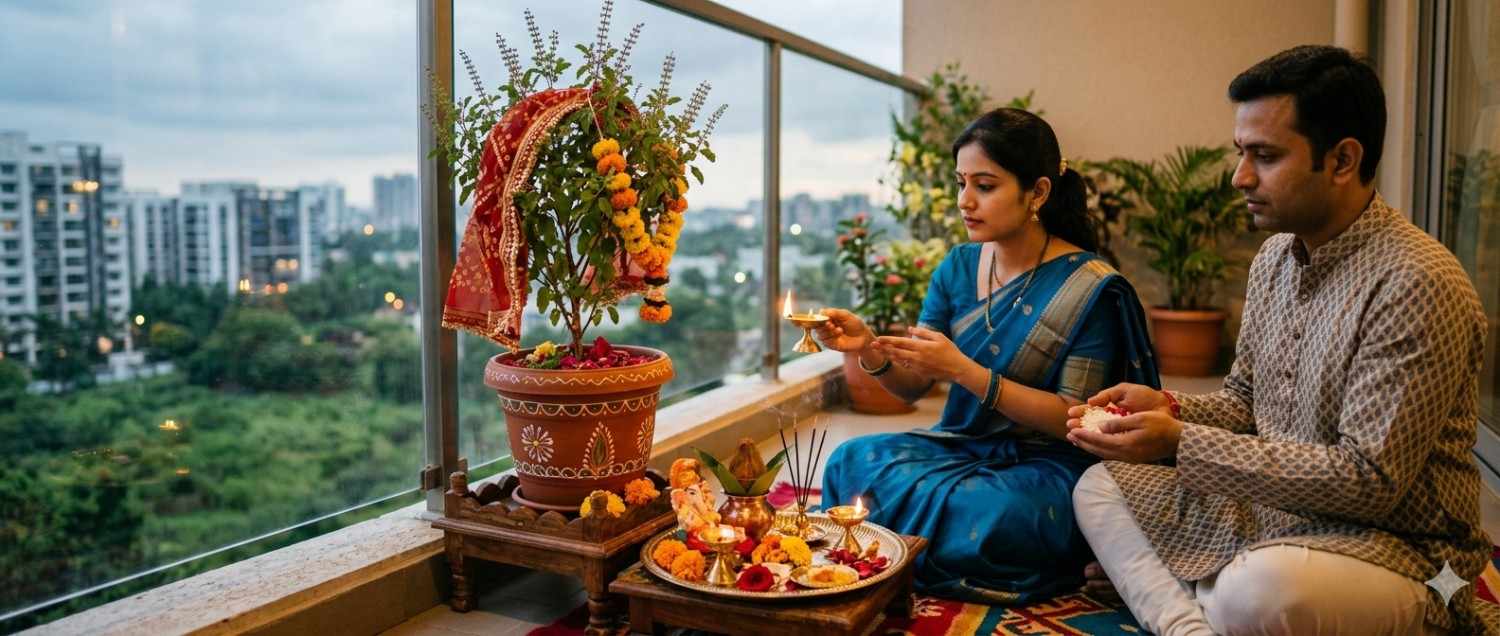
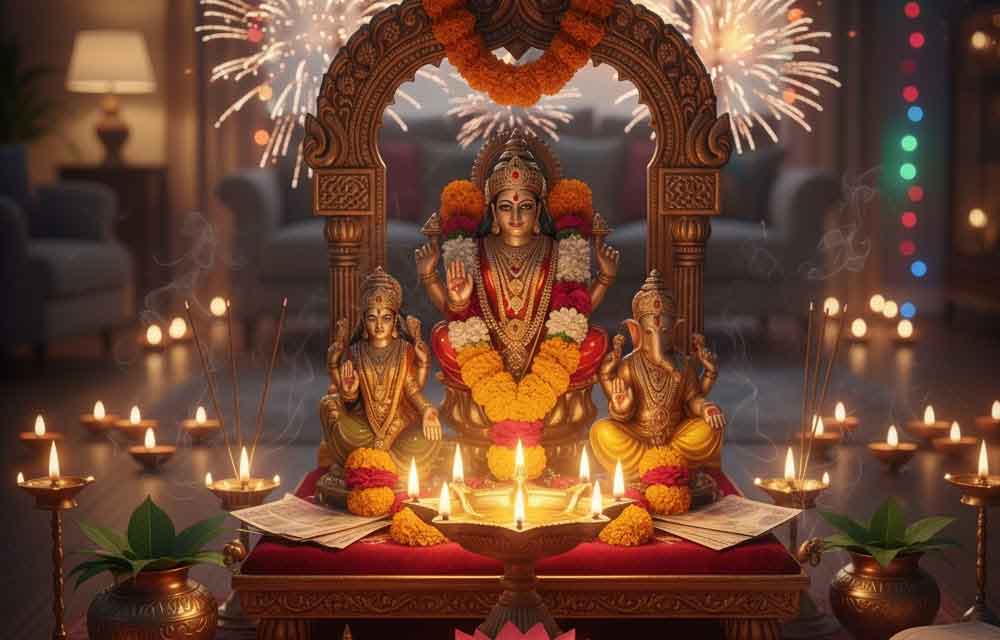
This holistic approach acknowledges the importance of worldly life while guiding individuals toward transcendence. Festivals like Diwali or practices like puja (worship) blend spiritual devotion with cultural celebration, creating a seamless connection between the sacred and the secular.
A Living, Evolving Tradition
Sanatana Dharma’s ability to evolve while preserving its core principles is another hallmark of its uniqueness. Over centuries, it has absorbed influences from various cultures, including Buddhism, Jainism, and later colonial interactions, without losing its essence. This adaptability is evident in its diverse practices, from ancient Vedic rituals to modern reform movements like those of Swami Vivekananda or Sri Aurobindo.
Unlike religions bound by a fixed historical context, Sanatana Dharma remains a living tradition, relevant across time and cultures. Its emphasis on universal principles like truth, non-violence (ahimsa), and compassion allows it to resonate with people worldwide, including the Indian diaspora who continue to practice it in diverse global contexts.
Emphasis on Experiential Spirituality
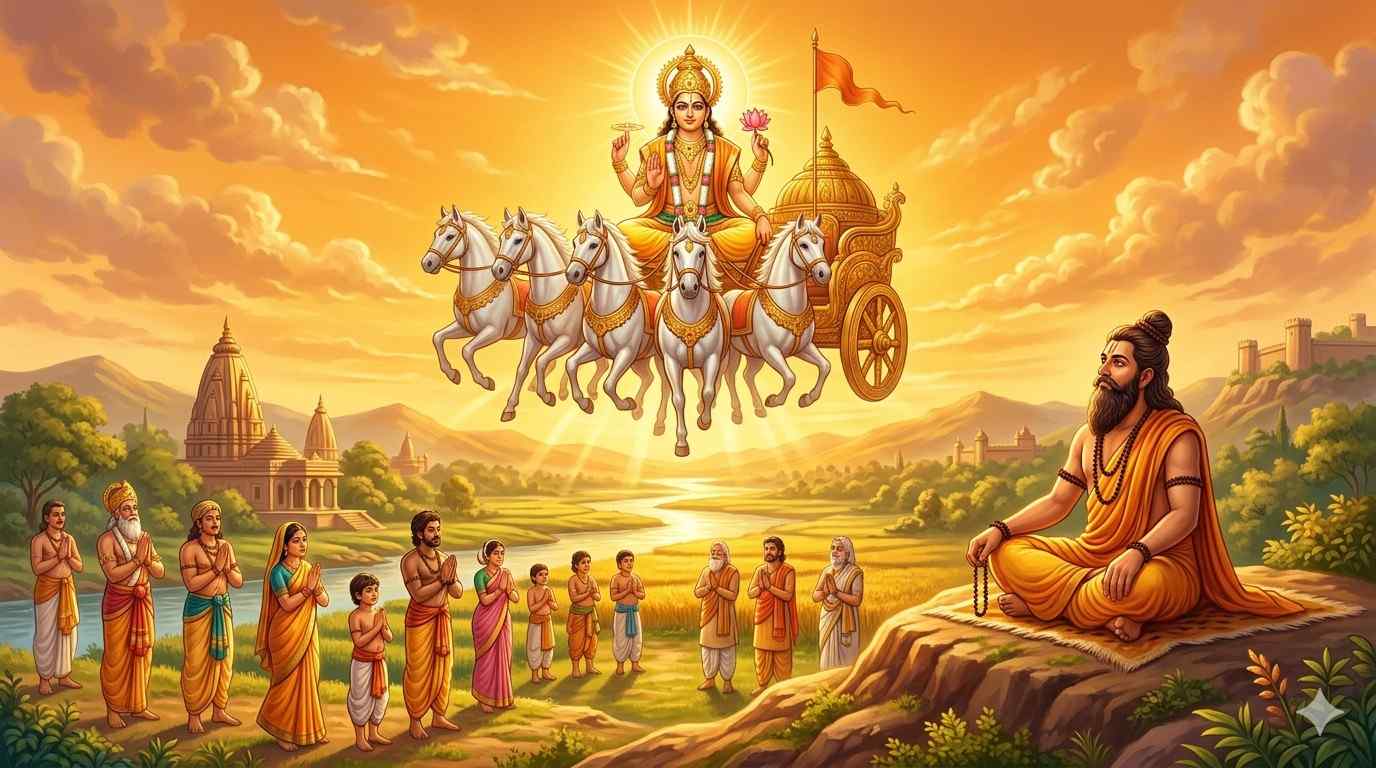
Sanatana Dharma places a strong emphasis on direct experience over belief. Practices like meditation, yoga, and mantra chanting are designed to help individuals experience the divine within themselves. The tradition teaches that the ultimate truth is not external but resides within, waiting to be realized through self-inquiry and spiritual discipline.
This focus on experiential spirituality contrasts with religions that rely heavily on intermediaries or external saviors. The role of the guru in Sanatana Dharma is not to dictate but to guide, helping disciples discover their own path to enlightenment. This empowerment of the individual is a cornerstone of the tradition’s uniqueness.
Global Influence and Modern Relevance
In the modern era, Sanatana Dharma’s principles have gained global recognition, particularly through the spread of yoga, meditation, and mindfulness practices. Concepts like ahimsa have inspired movements for peace and environmental sustainability, while the philosophical depth of texts like the Bhagavad Gita continues to influence thinkers and leaders worldwide.
For the Indian diaspora, Sanatana Dharma serves as a cultural and spiritual anchor, fostering a sense of identity and community. Its universal values and adaptable nature make it a bridge between ancient wisdom and contemporary challenges, offering insights into living harmoniously in a complex world.
Conclusion
Sanatana Dharma stands out among world religions for its pluralism, philosophical depth, and emphasis on individual spiritual exploration. Its non-dogmatic nature, integration of material and spiritual goals, and focus on experiential spirituality make it a unique and enduring tradition. By embracing diversity, encouraging inquiry, and adapting to changing times, Sanatana Dharma offers a timeless framework for understanding life, the self, and the universe. For readers of www.nriglobe.com, this ancient yet vibrant tradition continues to inspire, offering a path to inner peace and universal harmony in an ever-evolving world.