Introduction: A Cosmic Blueprint of Divine Intervention
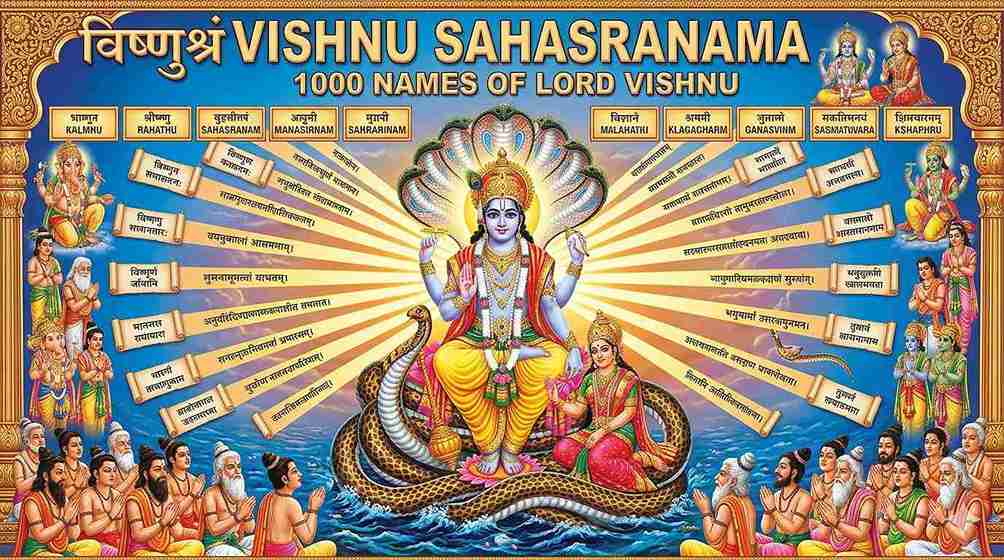
Across the vast tapestry of Hindu mythology, Lord Vishnu, the Preserver among the Holy Trinity, assumes ten principal incarnations—Dashavatara—each tailored to address a specific cosmic crisis. Spanning from the Satya Yuga to Kali Yuga, these avatars reflect an evolutionary and moral progression, guiding the world back to dharma (cosmic order) whenever adharma (unrighteousness) threatens to consume it.
For modern seekers, global devotees, and mythology enthusiasts, the Dashavatara offers not only divine narratives but also philosophical insights into resilience, morality, environmental stewardship, leadership, and spiritual growth. Here at NRI Globe, we present an in-depth journey into each avatar—from Matsya, the primordial fish, to Kalki, the future warrior—decoding their symbolism, relevance, and timeless wisdom.
- Matsya Avatar – The Savior of Knowledge
The Story
In the Satya Yuga, as a great flood threatened to end creation and demon Hayagriva stole the sacred Vedas, Vishnu incarnated as Matsya, a fish. Appearing to King Manu, Matsya instructed him to build an ark carrying seeds of life, the seven sages (Saptarishis), and all creatures. As the flood arrived, Matsya guided the ark safely and retrieved the Vedas, defeating Hayagriva.
Symbolism & Lessons:
- Preservation of Knowledge: The Vedas represent eternal wisdom; saving them ensures the continuity of dharma.
- Divine Protection: Trust in divine guidance through uncertain waters.
- Global Archetype: Similar to flood myths worldwide (e.g., Noah’s Ark), reinforcing a universal theme.
Devotional Insight:
Chant “Om Matsyaya Namah” during times of uncertainty to invoke divine direction and safety.
- Kurma Avatar – Foundation in Turbulence
The Story
When the Devas and Asuras churned the Ocean of Milk (Samudra Manthan) to obtain Amrita (nectar of immortality), the churning mountain began to sink. Vishnu incarnated as Kurma, a giant tortoise, supporting the mountain on his back. The churning produced divine gifts—including Goddess Lakshmi—and poison (Halahala), consumed by Lord Shiva.
Symbolism & Lessons:
- Stability in Crisis: Kurma symbolizes a solid foundation during collaborative efforts.
- Divine Support: Vishnu’s unseen support sustains great endeavors.
- Teamwork Across Conflict: Devas and Asuras represent conflicting forces uniting for a greater good.
Devotional Insight:
Invoke “Om Kurmaya Namah” when facing complex teamwork, requiring endurance and grounding.
- Varaha Avatar – Environmental Protector
The Story
When Hiranyaksha dragged Bhumi Devi (Mother Earth) into the cosmic ocean, Vishnu took the form of a wild boar—Varaha—dived into the abyss, and lifted the Earth on his tusks, defeating the demon.
Symbolism & Lessons:
- Environmental Protection: A divine reminder to nurture and protect Earth.
- Raw Strength for Dharma: Physical force can serve a spiritual purpose.
- Earth as Divine: Bhumi Devi symbolizes our living planet, sacred and sentient.
Devotional Insight:
Chant “Om Varahaya Namah” for strength in environmental and spiritual restoration efforts.
- Narasimha Avatar – Justice Beyond Logic
The Story
Demon Hiranyakashipu, who could not be killed by man or beast, day or night, indoors or out, tormented his son Prahlada, a devotee of Vishnu. Bursting from a pillar at dusk, Narasimha, a half-man, half-lion avatar, killed the demon in a manner that defied all conditions—on a threshold, with claws, at twilight.
Symbolism & Lessons:
- Divine Justice: Dharma prevails, even against seemingly invincible evil.
- Faith Rewarded: Prahlada’s unwavering devotion inspires modern perseverance.
- Breaking Boundaries: Divinity transcends logic and form.
Devotional Insight:
“Om Narasimhaya Namah” invokes divine protection and courage in the face of tyranny.
- Vamana Avatar – Humility Over Ego
The Story
King Bali, a generous Asura, ruled the three worlds. Vishnu, as the dwarf Brahmin Vamana, asked for three paces of land. He then expanded into Trivikrama, covering the cosmos in two steps and placing the third on Bali’s head—humbled, yet honored.
Symbolism & Lessons:
- Power in Simplicity: Vamana teaches the subtlety of spiritual power.
- Humbling the Ego: Bali’s surrender is a lesson in pride and submission.
- Reward in Devotion: Bali earns immortality through sacrifice.
Devotional Insight:
“Om Vamanaya Namah” is a powerful mantra to embrace humility and divine blessings.
- Parashurama Avatar – Warrior of Dharma
The Story
When Kshatriyas (warrior kings) became corrupt and oppressive, Vishnu incarnated as Parashurama, a Brahmin with the ferocity of a warrior. Avenging his father’s death, he cleansed the Earth of tyrants and later mentored Bhishma and Karna.
Symbolism & Lessons:
- Justified Wrath: Anger can be righteous when aligned with justice.
- Discipline and Dharma: Parashurama embodies duty over vengeance.
- Knowledge + Power: A bridge between ascetic wisdom and warrior strength.
Devotional Insight:
Chant “Om Parashuramaya Namah” for courage and clarity when battling injustice.
- Rama Avatar – The Ideal Human
The Story
Born in Ayodhya, Lord Rama exemplifies the Maryada Purushottama—the perfect man and king. From his exile to his battle against Ravana and eventual rule of Dharma Rajya, Rama’s life is a guide to righteous living.
Symbolism & Lessons:
- Duty Above Self: Rama’s exile and choices reflect sacrifice for truth.
- Devotion & Loyalty: Sita, Lakshmana, and Hanuman symbolize unwavering love.
- Ethical Leadership: Rama leads with fairness, compassion, and justice.
Devotional Insight:
“Om Ramaya Namah” strengthens moral character and inspires selfless leadership.
- Krishna Avatar – The Divine Strategist
The Story
Born in Dvapara Yuga, Krishna guided the Pandavas in the Mahabharata, killed tyrant Kansa, and delivered the Bhagavad Gita, a universal spiritual text. A perfect blend of love, wit, wisdom, and war, Krishna embodies divine play (Leela) and eternal truth.
Symbolism & Lessons:
- Balance of Dharma and Strategy: Krishna breaks norms for higher truth.
- Love as Liberation: Radha-Krishna represent the soul’s yearning for the divine.
- Gita’s Wisdom: Detachment, devotion, and righteous action.
Devotional Insight:
“Om Krishnaya Namah” opens the heart to divine love and strategic clarity.
- Buddha Avatar – The Silent Reformer
The Story
To curb misinterpretation of rituals, Vishnu incarnated as Buddha to teach compassion and non-violence, especially in an era where Vedic traditions were misused. Buddha emphasized mindfulness, meditation, and ahimsa, leading many to inner liberation.
Symbolism & Lessons:
- Spiritual Evolution: Reform is part of dharma.
- Ahimsa: Non-violence is central to spiritual maturity.
- Universality: Buddha’s teachings transcend sects and regions.
Devotional Insight:
“Om Buddhaya Namah” brings inner peace and ethical consciousness.
- Kalki Avatar – The Future Redeemer
The Story
Yet to manifest, Kalki will appear at the end of Kali Yuga, riding a white horse, wielding a sword to destroy darkness and re-establish Satya Yuga (age of truth).
Symbolism & Lessons:
- Hope in Darkness: Kalki assures us that divine justice will prevail.
- End of Corruption: No evil is eternal.
- Cycle of Renewal: Life moves in divine rhythm.
Devotional Insight:
“Om Kalkine Namah” is a prayer for future justice and protection in troubling times.
The Dashavatara: A Global Spiritual Map
Across cultures and continents, Vishnu’s avatars inspire not just Hindu faith, but universal values: resilience, compassion, adaptability, and righteousness. Whether you’re an NRI seeking connection to roots or a spiritual learner exploring Indian wisdom, these avatars offer life-affirming lessons for personal growth and ethical leadership.
Key Takeaways for Today’s Global Devotee
- Adaptability: From fish to warrior, Vishnu adapts with purpose—so must we.
- Balance of Power and Compassion: True strength lies in knowing when to act and when to yield.
- Dharma Above All: Stay rooted in righteousness, no matter the challenge.
Conclusion: Dashavatara as a Spiritual Compass
The Dashavatara isn’t just a mythological sequence—it is a spiritual evolution, guiding humanity through its inner and outer struggles. As Vishnu transforms, so can we—from ignorance to wisdom, from chaos to harmony. At NRI Globe, we honor this divine journey, helping global Indians reconnect with their heritage, values, and dharma.