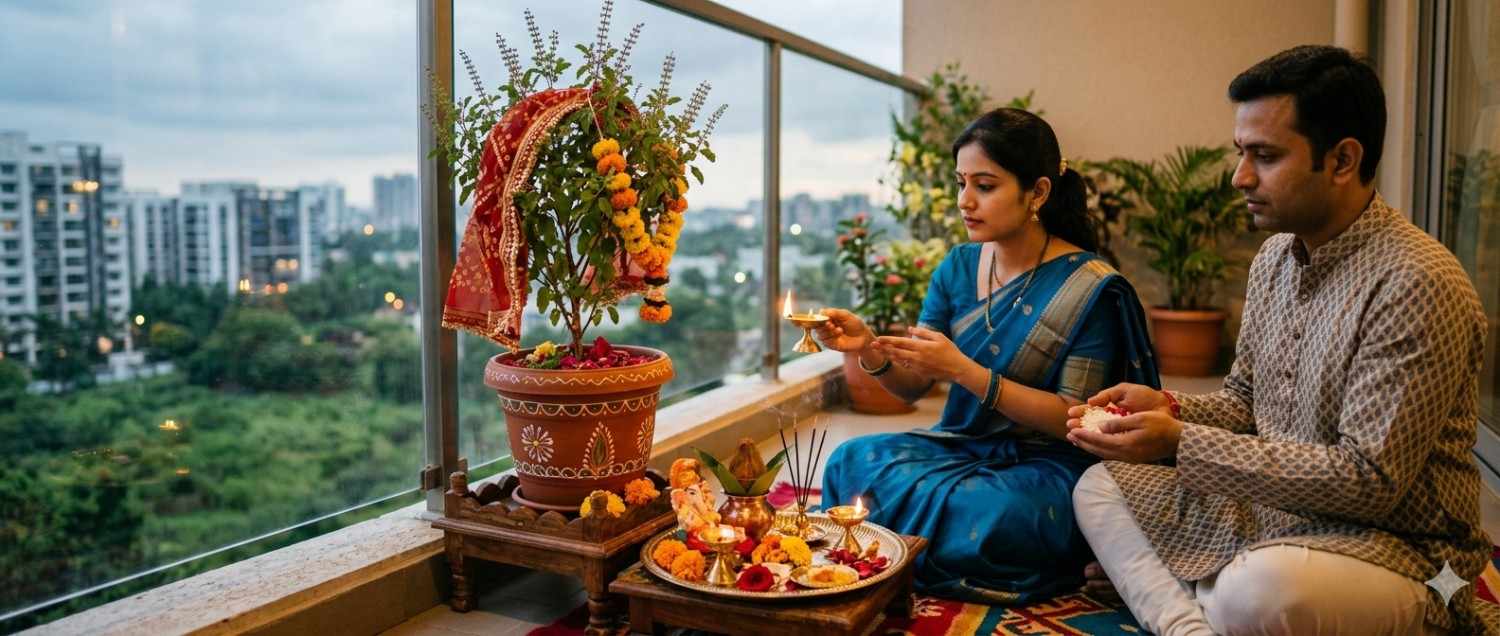
July 24, 2025 – Aadi Amavasya, a sacred new moon day observed during the Tamil month of Aadi (July–August), holds profound spiritual significance for Hindus, particularly for Tamils worldwide. Falling on July 24, 2025, this day is dedicated to honoring ancestors, seeking their blessings, and performing rituals to cleanse sins and ensure familial prosperity. For Non-Resident Indians (NRIs), Aadi Amavasya offers a meaningful opportunity to connect with their cultural and spiritual roots, even from afar. This guide explores the importance of Aadi Amavasya, its rituals, poojas, and mantras, tailored for NRIs looking to observe this sacred day meaningfully.
Significance of Aadi Amavasya
Aadi Amavasya, also known as Aadi Amavasai, is a powerful day in the Tamil calendar for performing Tarpanam and Shraddha rituals to honor deceased ancestors. In Hindu tradition, it is believed that ancestral souls visit the earthly plane on Amavasya (new moon) days, making it an ideal time to offer gratitude and seek their blessings for peace, prosperity, and spiritual liberation. The month of Aadi, considered highly auspicious, amplifies the spiritual potency of these rituals, as it aligns with the worship of Goddess Amman and the divine feminine energy.
For NRIs, Aadi Amavasya serves as a bridge to their heritage, fostering a sense of continuity with ancestral traditions despite living abroad. Observing this day helps mitigate Pitru Dosha (ancestral curses), believed to cause obstacles in life, and brings blessings for family well-being, career success, and spiritual growth. As one X user, @TamilTraditions, noted, “Aadi Amavasya is when we honor our ancestors with love and gratitude, no matter where we are in the world. It’s a day to feel rooted.”
Rituals and Practices for Aadi Amavasya
NRIs can adapt Aadi Amavasya rituals to suit their circumstances, ensuring they maintain spiritual connections while navigating life abroad. Here are the key rituals:
- Early Morning Bath: Begin the day with a purifying bath, symbolizing spiritual cleansing. NRIs can use a simple bucket of water mixed with turmeric or sesame oil to replicate the traditional dip in sacred rivers like the Kaveri or Tamirabarani.
- Fasting: Observe a partial or full fast until the Tarpanam ritual is complete. This can include consuming only sattvic foods (fruits, milk, or light vegetarian meals) to maintain purity.
- Tarpanam: This is the core ritual, where offerings of water, black sesame seeds, and rice are made to ancestors. NRIs can perform Tarpanam at home using a small setup with a plate, sesame seeds, and water. If possible, visit a local temple or Hindu community center offering Amavasya ceremonies.
- Shraddha: A more elaborate ritual, Shraddha involves preparing food offerings (pinda) for ancestors, typically under the guidance of a priest. NRIs can coordinate with temples abroad or arrange virtual consultations with priests in India for guidance.
- Charity and Feeding: Donating food, clothes, or money to the needy is highly meritorious. NRIs can contribute to local charities or send donations to organizations in India supporting underprivileged communities, aligning with the spirit of giving.
- Temple Visits: If accessible, visit a nearby Hindu temple, especially those dedicated to Lord Shiva or Goddess Amman, to offer prayers. In the U.S., temples like the Sri Venkateswara Temple in Cary, NC, or the Malibu Hindu Temple in California often host special Aadi Amavasya poojas.
Poojas for Aadi Amavasya
Performing specific poojas on Aadi Amavasya enhances spiritual benefits. NRIs can conduct these at home or participate in community events:
- Pitru Pooja: A simple home pooja involves lighting a sesame oil lamp, offering flowers, and chanting mantras to honor ancestors. Place a photo of deceased family members (if available) on a clean altar with rice, sesame seeds, and water.
- Lord Shiva Pooja: As the deity associated with liberation, Lord Shiva is revered on Amavasya. Offer milk, bilva leaves, and vibhuti (sacred ash) to a Shiva lingam or idol, chanting the Maha Mrityunjaya Mantra for protection and ancestral blessings.
- Goddess Amman Pooja: Aadi is dedicated to Goddess Amman, and NRIs can perform a pooja with offerings of turmeric, kumkum, and flowers to invoke her blessings for family prosperity.
For NRIs without access to priests, online platforms like ePuja or temple websites offer virtual Tarpanam and Shraddha services, connecting devotees with priests in India. As @NRIHindu posted on X, “Living abroad doesn’t stop us from honoring our ancestors. Virtual Tarpanam for Aadi Amavasya makes it so easy!”
Mantras for Aadi Amavasya
Chanting specific mantras during rituals amplifies their spiritual impact. Here are key mantras for NRIs to recite:
- Pitru Tarpanam Mantra (for offering water to ancestors):
Om Pitrubhyah Swadhayibhyah Swadha Namah Om Pitrubhyah Swadhayibhyah Swadha Namah Om Pitrubhyah Swadhayibhyah Swadha NamahRecite this while pouring water mixed with black sesame seeds, facing south, ideally during sunrise or midday. - Maha Mrityunjaya Mantra (for protection and liberation):
Om Tryambakam Yajamahe Sugandhim Pushtivardhanam Urvarukamiva Bandhanan Mrityor Mukshiya MaamritatChant 11 or 108 times while offering milk to a Shiva lingam. - Amman Mantra (for Goddess blessings):
Om Sri Matre Namah Om Aim Hreem Kleem Chamundayai VichcheRecite during the Amman pooja to seek strength and prosperity.
NRIs can use audio recordings or transliterated texts available on websites like VedChanting.com to ensure accurate pronunciation.
Tips for NRIs Observing Aadi Amavasya
- Community Engagement: Join local Hindu organizations or temples hosting Aadi Amavasya events. In the U.S., Canada, or the UK, community centers often organize group Tarpanam sessions, fostering a sense of belonging.
- Virtual Participation: If travel to India or a temple is not feasible, participate in live-streamed poojas from temples like Madurai Meenakshi or Kanchipuram Kamakshi, available on YouTube or temple websites.
- Eco-Friendly Rituals: In urban settings abroad, use biodegradable materials for offerings (e.g., clay lamps, natural flowers) to align with environmental consciousness.
- Cultural Education: Share the significance of Aadi Amavasya with younger generations to preserve traditions. Host a small family gathering to explain the rituals and their importance.
A Day of Connection and Reverence
For NRIs, Aadi Amavasya is more than a ritual—it’s a heartfelt connection to their ancestral legacy and Tamil heritage. Observing this day, whether through a simple home Tarpanam or a temple visit, reinforces spiritual bonds and cultural identity. As @GlobalTamil on X shared, “Aadi Amavasya reminds us NRIs to stay grounded in our roots, honoring those who came before us, no matter where we are.”
By performing these rituals and poojas, NRIs can seek blessings for their families, overcome obstacles, and maintain a deep connection to their spiritual homeland. As Aadi Amavasya 2025 approaches, let this sacred day inspire unity, gratitude, and reverence across the globe.
Stay tuned to NRI Globe for the latest on Hindu festivals, cultural traditions, and more.