Baseball vs. Cricket: A Comprehensive Comparison of Two Iconic Bat-and-Ball Sports
Baseball and cricket, two of the most beloved bat-and-ball sports, have captured the hearts of millions worldwide. While both sports share some fundamental similarities, their differences in gameplay, rules, and cultural significance make them distinct. This article explores the key differences and similarities between baseball and cricket, providing insights for fans, players, and newcomers alike. Whether you’re searching for “baseball vs. cricket differences” or “similarities between cricket and baseball,” this guide offers a detailed, SEO-optimized breakdown to satisfy your curiosity.
Introduction to Baseball and Cricket
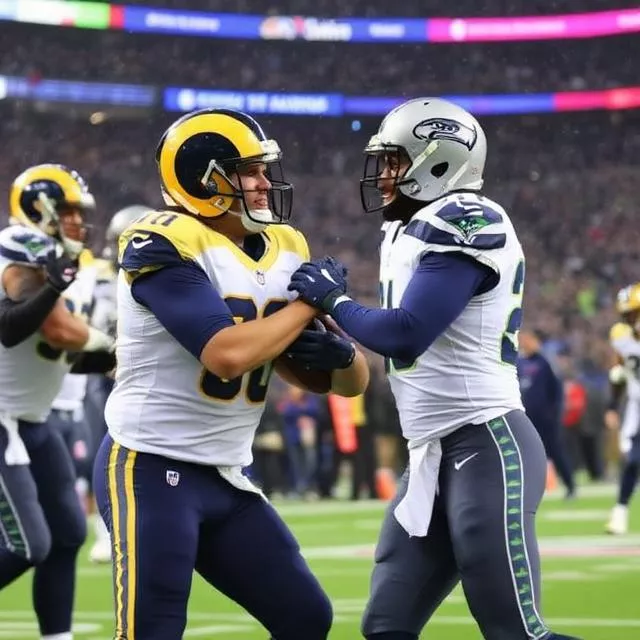
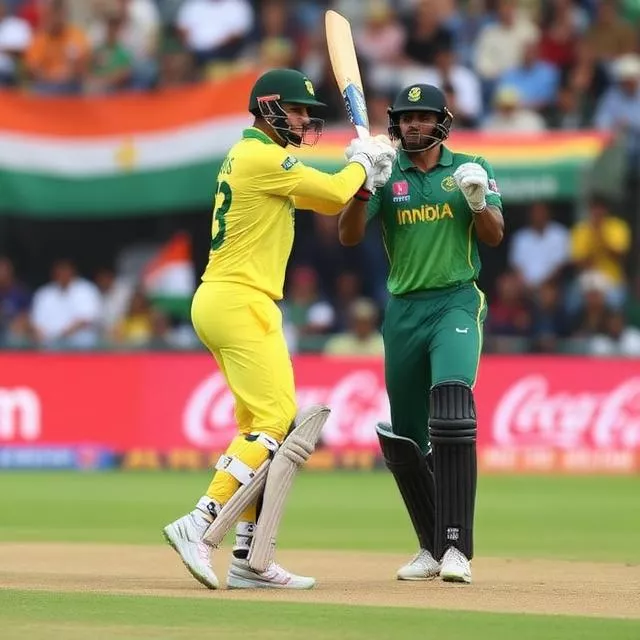
Baseball and cricket are iconic sports with rich histories and passionate fan bases. Baseball, often dubbed “America’s pastime,” is a cornerstone of U.S. sports culture, with Major League Baseball (MLB) drawing millions of fans annually. Cricket, on the other hand, enjoys global popularity, particularly in countries like India, England, Australia, and Pakistan, with formats like Test matches, One-Day Internationals (ODIs), and Twenty20 (T20) captivating audiences.
Both sports involve hitting a ball with a bat and scoring runs, but their rules, strategies, and cultural contexts differ significantly. Understanding these differences and similarities can deepen your appreciation for both games. Below, we’ll dive into the specifics of gameplay, equipment, field structure, and more, ensuring this guide ranks high for searches like “baseball vs. cricket comparison” or “cricket and baseball rules explained.”
Similarities Between Baseball and Cricket
Despite their differences, baseball and cricket share several core elements that make them comparable as bat-and-ball sports. Here are the key similarities:
1. Bat-and-Ball Concept
Both sports center around a batter hitting a ball thrown by an opposing player (a pitcher in baseball, a bowler in cricket) to score runs. The objective is to outscore the opposing team by accumulating runs through strategic hitting and running.
2. Team-Based Gameplay
Both baseball and cricket are team sports, typically involving two teams competing against each other. Baseball teams field nine players at a time, while cricket teams consist of 11 players. Each team takes turns batting and fielding.
3. Scoring Runs
In both sports, runs are the primary measure of success. In baseball, a run is scored when a player completes a circuit around four bases. In cricket, runs are scored by batters running between two sets of stumps or hitting the ball to the boundary.
4. Fielding and Defensive Strategies
Fielding is crucial in both sports. Fielders aim to catch the ball to dismiss batters or prevent runs. Both games require strategic positioning of fielders to counter the batter’s shots.
5. Global Fan Base
While baseball is most popular in the Americas, Japan, and parts of Asia, cricket dominates in South Asia, the UK, Australia, and beyond. Both sports have dedicated fan bases and major international competitions, such as the MLB World Series for baseball and the ICC Cricket World Cup for cricket.
These similarities provide a foundation for comparing the two sports, but their differences are what truly set them apart. Let’s explore those in detail.
Key Differences Between Baseball and Cricket
The distinctions between baseball and cricket are numerous, spanning gameplay, equipment, field structure, and cultural impact. Below, we break down the most significant differences to help you understand each sport’s unique characteristics.
1. Gameplay and Rules
Baseball
- Structure: A baseball game consists of nine innings (or more if tied), with each team batting and fielding once per inning. Each half-inning ends when three outs are recorded.
- Scoring: Runs are scored by advancing through four bases (first, second, third, and home plate) after hitting the ball. A home run occurs when the ball is hit out of the park, allowing the batter to score directly.
- Outs: A batter is out if they strike out (miss three pitches), hit a fly ball caught by a fielder, or are tagged out while running between bases.
- Pitching: The pitcher throws the ball from a raised mound, aiming to strike out the batter or induce a weak hit. Pitches are delivered overhand or sidearm.
Cricket
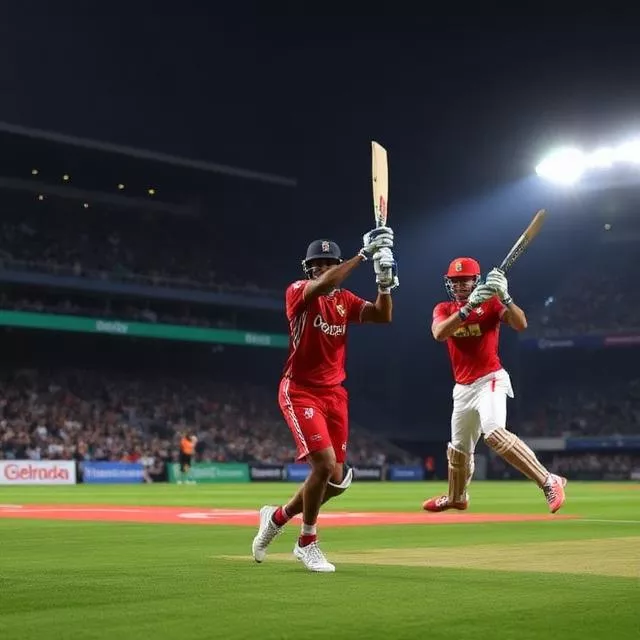
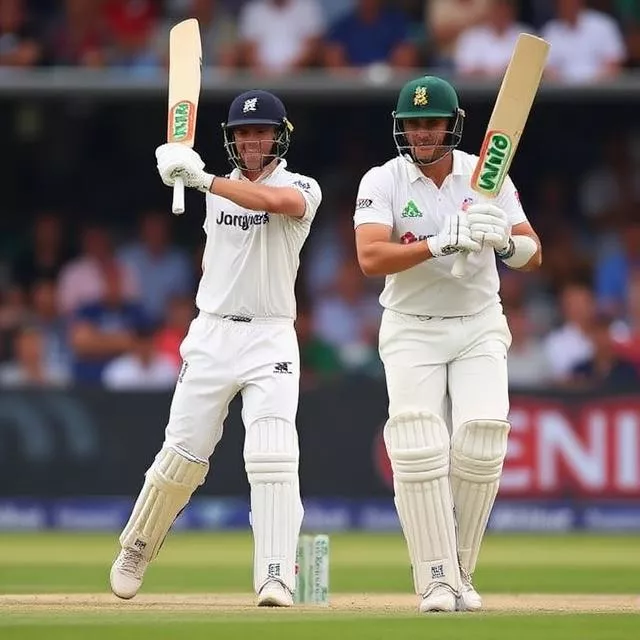
- Structure: Cricket matches vary by format. Test matches can last up to five days, ODIs involve 50 overs per team, and T20 matches feature 20 overs per team. An over consists of six deliveries bowled by one bowler.
- Scoring: Runs are scored by running between two sets of stumps or hitting the ball to the boundary (4 runs) or beyond it (6 runs). A batter can remain at the crease for multiple deliveries until dismissed.
- Dismissals: A batter is dismissed in various ways, including being bowled (ball hits stumps), caught, run out, or leg before wicket (LBW). There’s no fixed number of outs per inning.
- Bowling: Bowlers deliver the ball with a straight arm, often with spin or swing, from a flat pitch. Bowlers rotate after each over.
2. Equipment
Baseball
- Bat: A baseball bat is typically round, made of wood (in professional leagues) or aluminum (in amateur leagues), and measures up to 42 inches long.
- Ball: A baseball is small (about 9 inches in circumference), with a cork or rubber core wrapped in yarn and covered with leather.
- Protective Gear: Batters wear helmets, and catchers use extensive protective equipment, including masks, chest protectors, and shin guards.
- Gloves: Fielders wear leather gloves to catch the ball, with specific designs for different positions (e.g., catcher’s mitt, first baseman’s glove).
Cricket
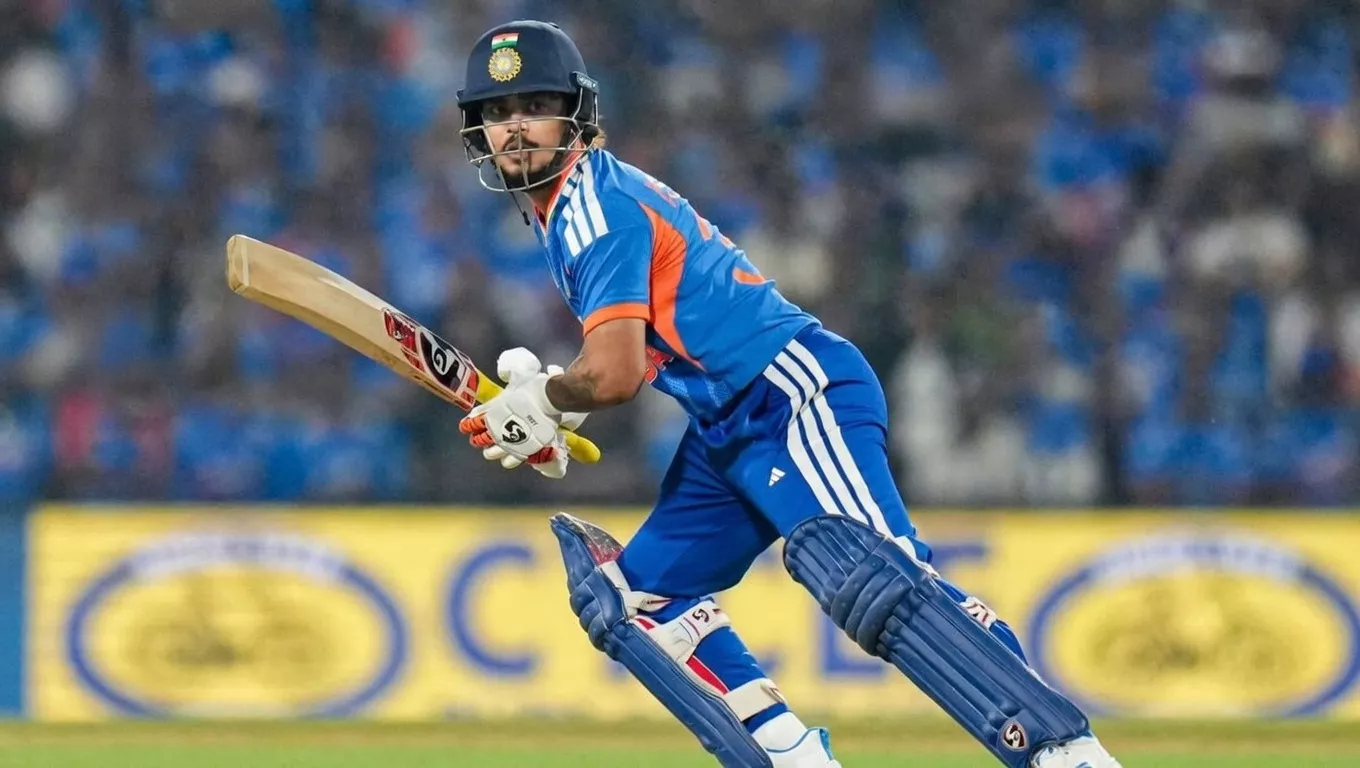
- Bat: A cricket bat is flat on one side, made of willow, and typically measures 38 inches long and 4.25 inches wide.
- Ball: A cricket ball is slightly larger (about 9 inches in circumference) and made of cork, string, and leather, with a pronounced seam for swing and spin.
- Protective Gear: Batters wear pads, gloves, and helmets. Wicketkeepers use padded gloves and leg guards.
- No Fielding Gloves: Unlike baseball, cricket fielders (except the wicketkeeper) do not wear gloves, relying on their hands to catch the ball.
3. Field Structure
Baseball
- Field Shape: A baseball field is a diamond with a 90-foot square between bases. The outfield extends outward, often with a wall or fence.
- Playing Area: The infield is a dirt-and-grass diamond, while the outfield is grass. The pitcher’s mound is elevated in the center.
- Dimensions: MLB fields vary, but the outfield typically extends 300–400 feet from home plate.
Cricket
- Field Shape: Cricket is played on an oval or circular field, with a central rectangular pitch (22 yards long) where the bowler and batter interact.
- Playing Area: The pitch is a prepared strip of turf or artificial surface. The rest of the field is grass, with a boundary rope marking the edge.
- Dimensions: Cricket fields vary widely, with boundaries ranging from 50 to 90 meters from the pitch.
4. Duration and Pace
- Baseball: A typical MLB game lasts about 3 hours, with nine innings. Extra innings are played if the game is tied. The pace is steady, with frequent breaks between pitches.
- Cricket: Match duration varies by format. Test matches can last five days, ODIs take about 7–8 hours, and T20 matches last around 3 hours. Cricket’s pace varies, with Test matches being slower and T20 being fast-paced.
5. Cultural and Global Impact
- Baseball: Baseball is deeply ingrained in American, Japanese, and Latin American cultures. The MLB World Series is a global event, and baseball is an Olympic sport.
- Cricket: Cricket has a massive following in Commonwealth nations, with the Indian Premier League (IPL) and ICC events drawing billions of viewers. Cricket’s global reach is broader, with a strong presence in South Asia, Australia, and England.
Which Sport Is Right for You?
Choosing between baseball and cricket depends on your preferences:
- If you enjoy fast-paced action: Baseball or T20 cricket may suit you due to their shorter formats.
- If you prefer strategic depth: Test cricket’s long-form strategy or baseball’s nuanced pitching battles might appeal.
- If accessibility matters: Baseball is more prevalent in the Americas and Japan, while cricket dominates in South Asia and the UK.
Conclusion
Baseball and cricket, while sharing a bat-and-ball foundation, offer distinct experiences through their rules, equipment, and cultural significance. Baseball’s structured innings and compact fields contrast with cricket’s varied formats and expansive grounds. Yet, both sports unite fans through their emphasis on skill, strategy, and teamwork. Whether you’re drawn to the crack of a baseball bat or the roar of a cricket crowd, understanding these differences and similarities enriches your appreciation for both games.
For more insights into baseball vs. cricket, explore our related articles on gameplay strategies, historical origins, or equipment guides. Share your thoughts in the comments or connect with us on social media to discuss which sport reigns supreme!
SEO Keywords: baseball vs. cricket, baseball vs. cricket differences, similarities between cricket and baseball, baseball and cricket rules, bat-and-ball sports comparison, baseball vs. cricket equipment, baseball vs. cricket field, cricket vs. baseball popularity.