Trump vs. Murdoch: The Legal Battle Over Epstein Ties – What It Means for Media Accountability
By NRI Globe Staff | July 29, 2025
In a dramatic escalation of his ongoing feud with media outlets, U.S. President Donald Trump has filed a $10 billion defamation lawsuit against The Wall Street Journal, its parent company Dow Jones, News Corp, media mogul Rupert Murdoch, and two reporters, Khadeeja Safdar and Joe Palazzolo. The lawsuit, filed on July 18, 2025, in the U.S. District Court for the Southern District of Florida, centers on a Wall Street Journal article published on July 17, 2025, alleging that Trump sent a “bawdy” birthday letter to disgraced financier and convicted sex offender Jeffrey Epstein in 2003. Trump vehemently denies the claim, calling the letter “fake” and accusing the newspaper of publishing “false, malicious, and defamatory” statements to damage his reputation. On July 28, 2025, Trump’s legal team further intensified the case by requesting an expedited deposition of 94-year-old Murdoch, citing his advanced age and health concerns as reasons for urgency. This high-stakes legal battle raises critical questions about media accountability, the challenges of defamation law, and the political fallout surrounding Trump’s past association with Epstein.
The Allegation at the Heart of the Lawsuit
The controversy stems from a Wall Street Journal report claiming that Trump contributed a handwritten birthday note to a leather-bound album compiled by Epstein’s associate Ghislaine Maxwell for Epstein’s 50th birthday in 2003. According to the article, the note included a sexually suggestive drawing of a naked woman, with Trump’s signature “Donald” styled to mimic pubic hair, and ended with the phrase, “Happy Birthday — and may every day be another wonderful secret.” The report suggested a close relationship between Trump and Epstein, who were known to have socialized in the 1990s and early 2000s at events, including parties at Trump’s Mar-a-Lago resort in Palm Beach, Florida.
Trump has categorically denied authoring or signing the letter, asserting, “These are not my words, not the way I talk. Also, I don’t draw pictures.” His lawsuit claims that the Journal failed to provide evidence of the letter’s authenticity, such as a copy of the document or details about its origin, and accuses the defendants of acting with “actual malice” by publishing the story despite being warned by Trump that it was false. The suit further alleges that the article caused “overwhelming financial and reputational harm” to the president, particularly given its timing amid heightened public scrutiny of his administration’s handling of Epstein-related documents.
Trump’s Push for Murdoch’s Deposition
On July 28, 2025, Trump’s legal team filed a motion requesting that Rupert Murdoch, the 94-year-old media tycoon and founder of News Corp, be deposed within 15 days. The filing argues that Murdoch’s advanced age and history of health issues necessitate an expedited deposition, as he may be unable to testify later if the case proceeds to trial. According to the motion, Trump personally contacted Murdoch before the article’s publication, warning him that the letter was fake and urging him not to run the story. The filing claims Murdoch responded by saying he would “take care of it,” but the Journal proceeded with publication, which Trump’s lawyers cite as evidence of “actual malice” – a key legal threshold for proving defamation in cases involving public figures.
The request for a swift deposition has sparked debate, with some critics viewing it as a strategic move to pressure Murdoch and News Corp into settling the case early. Trump has expressed confidence in the deposition process, writing on Truth Social, “I hope Rupert and his ‘friends’ are looking forward to the many hours of depositions and testimonies they will have to provide in this case.” However, legal experts caution that depositions could be a double-edged sword for Trump, as they may require him to answer questions under oath about his past relationship with Epstein, potentially exposing details that could further damage his public image.
The Epstein Connection and Political Fallout
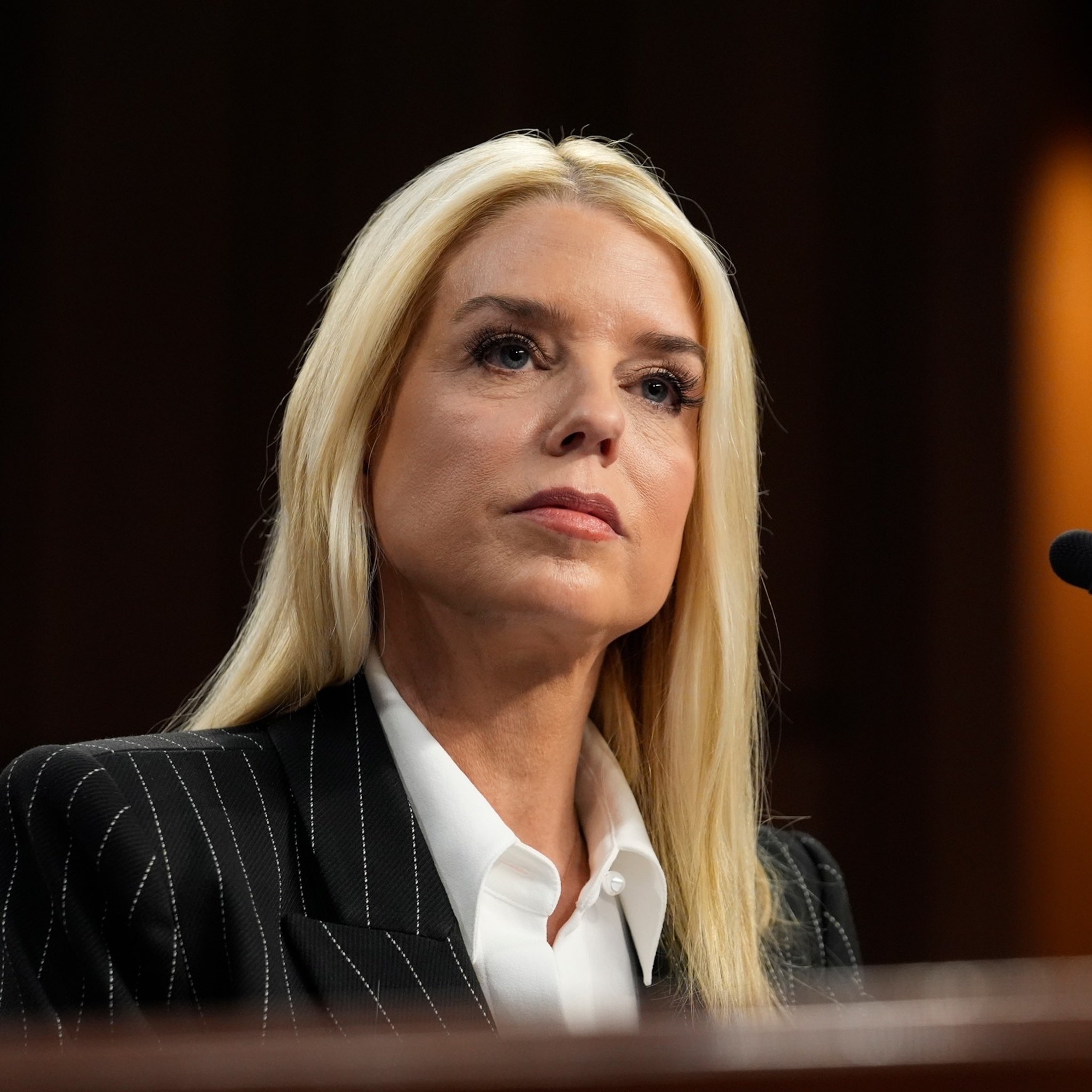
The lawsuit comes at a time of intense political pressure on Trump regarding his administration’s handling of the Epstein case. During his 2024 presidential campaign, Trump promised to release all available government files related to Epstein’s sex trafficking investigations, fueling speculation among his supporters about a supposed “client list” of powerful individuals linked to Epstein’s crimes. However, after taking office in January 2025, the Trump administration reversed course. On July 7, 2025, the Justice Department, led by Attorney General Pam Bondi, issued a memo stating there was “no incriminating client list” and that further disclosure of Epstein-related documents was unwarranted. This decision sparked outrage among Trump’s base, who accused the administration of covering up Epstein’s ties to the elite.
In response to the backlash, Trump directed Bondi on July 18, 2025, to file a motion in Manhattan federal court to unseal grand jury transcripts from the Epstein and Maxwell cases, citing “extensive public interest.” The move was seen as an attempt to appease supporters, but legal analysts note that grand jury testimony is typically kept confidential under U.S. law, and it remains uncertain whether the court will grant the request. Even if released, the transcripts may not satisfy demands for a broader release of investigative files, leaving Trump vulnerable to accusations of failing to deliver on his transparency promises.
The Wall Street Journal article has further inflamed tensions, as it rekindled scrutiny of Trump’s long-documented friendship with Epstein, which dates back to the 1990s. While no public evidence has linked Trump to Epstein’s criminal activities, their social connections – including photos and videos from events at Mar-a-Lago – have fueled conspiracy theories and public suspicion. The timing of the article, coupled with the administration’s reluctance to release Epstein files, has created a political firestorm, with some of Trump’s most loyal supporters expressing frustration and others, including congressional Democrats, pushing for greater transparency.
Media Accountability and the Defamation Bar
Trump’s lawsuit against The Wall Street Journal and Murdoch is part of a broader pattern of legal actions against media outlets. In recent years, Trump has secured multimillion-dollar settlements from ABC News ($15 million) and CBS News ($16 million) over unrelated defamation claims, emboldening his strategy of using litigation to challenge unfavorable coverage. However, defamation cases involving public figures like Trump face a high legal bar in the U.S. To prevail, Trump must prove not only that the Journal’s reporting was false but also that the defendants acted with “actual malice” – meaning they knew the story was false or published it with reckless disregard for its truth.
Legal experts are skeptical of Trump’s chances, noting that the $10 billion damages sought are unprecedented and likely exaggerated. For comparison, recent high-profile defamation judgments include a $1.5 billion award against Alex Jones and a $787.5 million settlement by Fox News with Dominion Voting Systems. The Journal’s publisher, Dow Jones, has defended the article, stating, “We have full confidence in the rigor and accuracy of our reporting, and will vigorously defend against any lawsuit.” The absence of the alleged letter or drawing in the article, as noted in Trump’s complaint, could complicate the case, but the Journal’s reliance on documents reviewed by federal investigators may bolster its defense.
The lawsuit also raises broader questions about media accountability. Trump’s supporters argue that the case highlights the media’s tendency to publish sensational stories without sufficient evidence, particularly when targeting conservative figures. Critics, however, warn that Trump’s aggressive legal tactics could have a chilling effect on press freedom, discouraging investigative journalism. Bob Corn-Revere, chief counsel at the Foundation for Individual Rights and Expression, described Trump’s legal threats as “not normal in a free society,” emphasizing that his past settlements with media outlets were driven by “raw power” rather than legal merit.
The Trump-Murdoch Relationship: A Complex History
The lawsuit marks a significant rift in the complex relationship between Trump and Murdoch, whose News Corp owns conservative-leaning outlets like Fox News, the New York Post, and The Wall Street Journal. Murdoch’s media empire played a pivotal role in Trump’s rise to political prominence, but their relationship has been marked by periodic tensions. In 2020, Murdoch reportedly soured on Trump, with emails revealing his desire to “make Trump a non person” after the January 6 Capitol attack. However, the two reconciled by early 2025, with Trump praising Murdoch as “legendary” during a February Oval Office visit.
The Epstein article has reignited tensions, with Trump publicly attacking Murdoch and referring to The Wall Street Journal as a “pile of garbage.” Vice President JD Vance echoed this sentiment, calling the story “complete and utter bullshit” and questioning its credibility. Despite their shared history, Murdoch’s decision to allow the article’s publication suggests a willingness to prioritize journalistic independence over personal loyalty to Trump, though some speculate that Murdoch may seek to settle the case to avoid a prolonged legal battle.
What’s Next?
The lawsuit is assigned to U.S. District Judge Darrin Gayles, who previously handled a Trump lawsuit against his former attorney Michael Cohen, which Trump dropped before a scheduled deposition. The court has set a deadline of September 22, 2025, for the defendants to respond to the complaint. If the case proceeds, depositions from Murdoch, Trump, and other key figures could shed light on the article’s origins and Trump’s past interactions with Epstein. However, legal analysts suggest that the case may be dismissed early if Trump fails to provide evidence of actual malice or if the Journal can substantiate its reporting.
For now, the legal battle serves as a flashpoint in the ongoing debate over media accountability and the politicization of the Epstein case. For Trump, the lawsuit is both a defense of his reputation and a strategic move to rally his base against perceived media bias. For Murdoch and The Wall Street Journal, it is a test of journalistic integrity in the face of intense political pressure. As the case unfolds, it will likely have far-reaching implications for how the media navigates reporting on powerful figures and their controversial associations.
Stay tuned to NRI Globe for updates on this developing story.