Tragic Stampede at Mansa Devi Temple: A Tale of Faith and Chaos
A Morning of Devotion Turns Deadly
On the serene morning of July 27, 2025, the sacred Mansa Devi Temple in Haridwar, Uttarakhand, was buzzing with spiritual fervor. Thousands of devotees, drawn by the holy month of Shravan, thronged the temple perched atop the Shivalik Hills, seeking blessings from Maa Mansa Devi, the goddess believed to fulfill wishes. The air was thick with anticipation, chants, and the promise of divine connection. But in an instant, this spiritual pilgrimage turned into a heart-wrenching tragedy that would leave an indelible mark on the community.
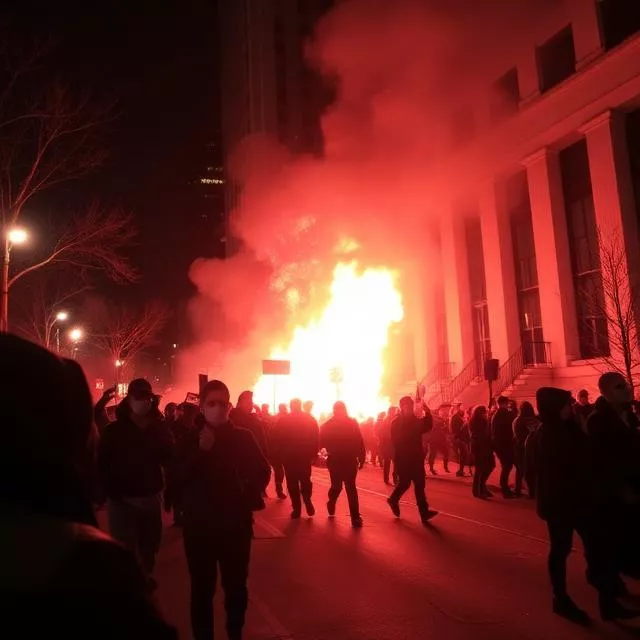
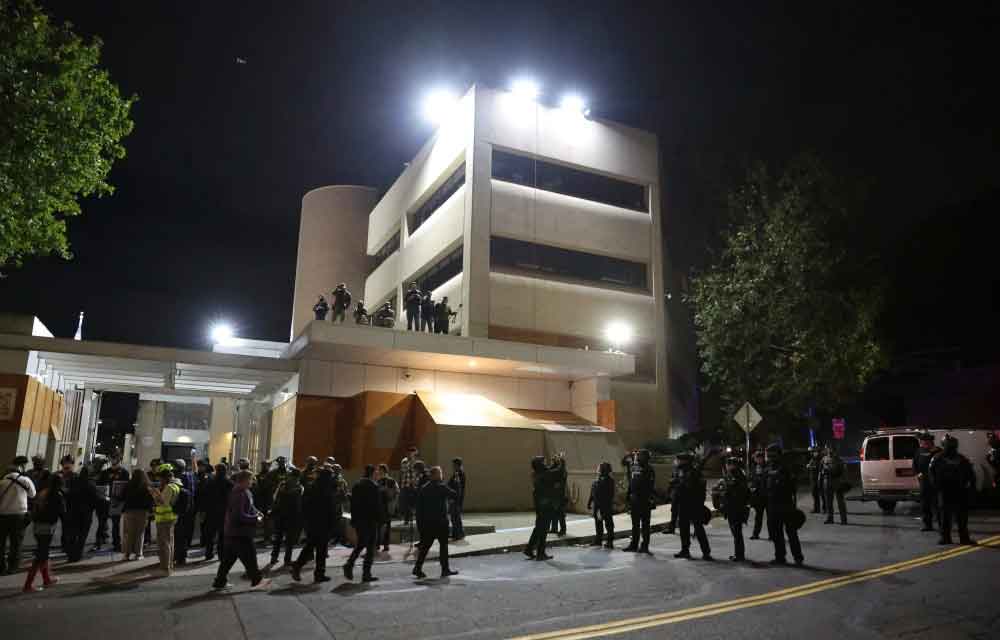
At around 9 AM, chaos erupted along the 2-km pedestrian path leading to the temple. A massive crowd, fueled by devotion and the weekend rush from neighboring states like Uttar Pradesh and Delhi, had gathered on the narrow staircase route. What began as a moment of collective faith spiraled into panic when a rumor of an electric shock—possibly triggered by a snapped overhead power line—spread like wildfire. The ensuing stampede claimed six lives and left over 25 devotees injured, some critically. This devastating incident has once again spotlighted the critical issue of crowd management at India’s religious sites.
The Mansa Devi Temple: A Beacon of Faith
The Mansa Devi Temple, one of Haridwar’s revered Panch Tirthas, sits majestically at over 500 feet, overlooking the sacred Ganges. Dedicated to Maa Mansa Devi, the goddess of wish fulfillment, it draws millions annually, especially during Shravan, a month dedicated to Lord Shiva. Devotees tie a sacred thread, known as the Mansa Dhaga, to make wishes, returning to untie it once their prayers are answered. The temple’s accessibility via a scenic ropeway (Udan Khatola) or a spiritual climb up the stairs adds to its allure, blending faith with the beauty of nature.
But on this fateful Sunday, the temple’s sanctity was overshadowed by tragedy. Eyewitnesses described a scene of utter chaos as devotees, caught in the narrow confines of the staircase, began pushing and shoving in a desperate bid to escape the perceived danger. The panic was exacerbated by overcrowding, a common challenge during peak pilgrimage seasons. One devotee reportedly sustained burn injuries from electrocution, but authorities later clarified that the deaths were primarily due to injuries from the stampede itself, not electric shock.
The Spark of Panic: What Caused the Stampede?
Preliminary investigations point to a snapped power line as the catalyst for the disaster. Haridwar District Magistrate Mayur Dixit noted that a rumor about an electric current passing through a wire near the stairs, just 100 meters from the temple, triggered mass panic. “Some photographs show broken wires. It seems people tried to climb the wall by pulling the wire, which possibly led to the stampede,” Dixit told reporters. The fear of electrocution, whether real or rumored, sent devotees scrambling, leading to suffocation and trampling in the congested pathway.
This wasn’t the first time India has witnessed such a tragedy. Earlier in 2025, a stampede at the Maha Kumbh festival claimed 30 lives, underscoring the recurring challenge of managing massive crowds at religious gatherings. The Mansa Devi incident has reignited calls for better infrastructure, crowd control measures, and real-time monitoring at pilgrimage sites.
A Swift Response Amidst Grief
The response to the tragedy was immediate. The Uttarakhand State Disaster Response Force (SDRF), local police, and fire brigade rushed to the scene, launching rescue and relief operations. Ambulances ferried the injured to nearby hospitals, where two individuals were reported to be in critical condition. Haridwar SSP Pramendra Singh Dobal confirmed that 35 devotees were hospitalized, with six succumbing to their injuries.
Uttarakhand Chief Minister Pushkar Singh Dhami expressed profound sorrow, taking to social media to share his grief: “The news of a stampede at Haridwar’s Mansa Devi temple is extremely saddening. SDRF, local police, and other rescue teams are on-site and engaged in relief and rescue operations. I pray to Mata Rani for the well-being of all devotees.” Dhami assured that he was personally monitoring the situation, ensuring that the administration provided full support to the affected families.
Garhwal Division Commissioner Vinay Shankar Pandey, who was en route to the site, confirmed the casualties and promised a detailed investigation to uncover the exact cause of the stampede. “A thorough investigation will be conducted to ascertain all the facts,” he stated, emphasizing the need for accountability and preventive measures.
A Community in Mourning
The tragedy has left Haridwar, a city synonymous with spiritual solace, in a state of mourning. For the families of the six victims, the loss is unimaginable—a pilgrimage meant to bring hope ended in heartbreak. The injured, many of whom are still receiving treatment, face a long road to recovery, both physically and emotionally. The incident has also sparked a broader conversation about the safety of devotees at India’s sacred sites, where faith often draws crowds far beyond what infrastructure can handle.
Social media platforms, particularly X, have been abuzz with reactions. Posts from users like @IndiaToday and @ndtv reflected the shock and sorrow felt nationwide, with hashtags like #HaridwarStampede and #MansaDevi trending as netizens shared updates and condolences. “Om Shanti 🙏,” wrote one user, encapsulating the collective grief over the lives lost.
Lessons for the Future
The Mansa Devi stampede is a stark reminder of the delicate balance between faith and safety. As India continues to see a surge in religious tourism, authorities must prioritize robust crowd management strategies. Enhanced surveillance, wider pathways, real-time crowd monitoring, and public awareness campaigns could prevent such tragedies in the future. The government’s commitment to investigating this incident offers hope for change, but the path forward requires action, not just promises.
For now, Haridwar mourns, and the nation prays for the souls lost and the recovery of the injured. The Mansa Devi Temple, a symbol of hope and devotion, will continue to draw devotees, but this tragedy underscores the urgent need to ensure that faith does not come at the cost of lives.
Keywords: Mansa Devi Temple, Haridwar stampede, Uttarakhand tragedy, Shravan pilgrimage, crowd management, Maa Mansa Devi, temple safety, India religious sites